




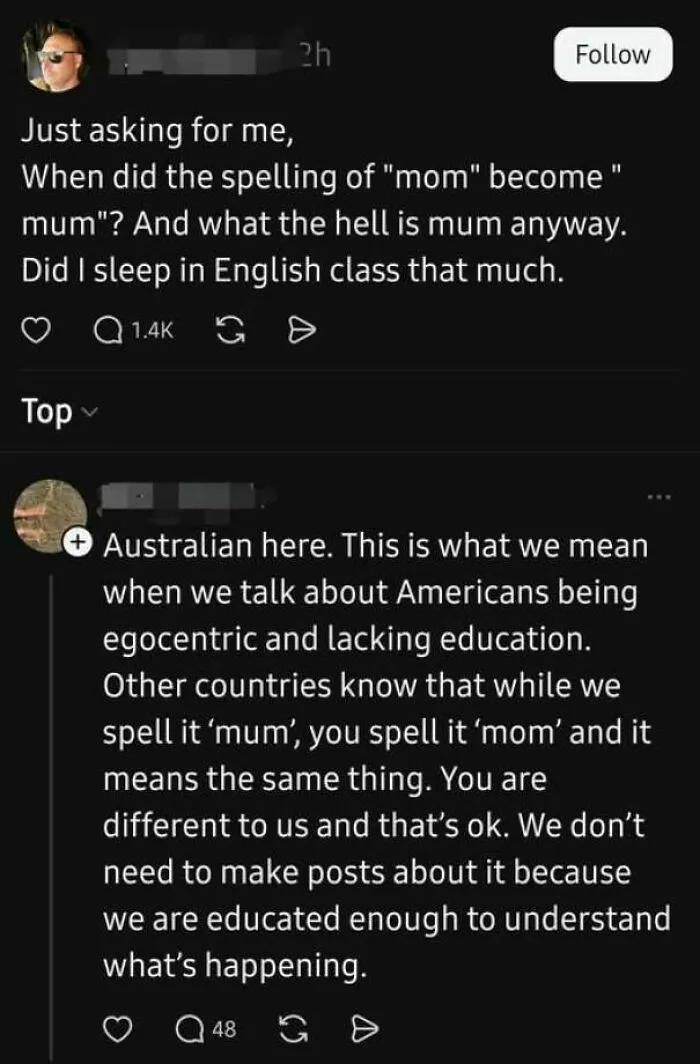
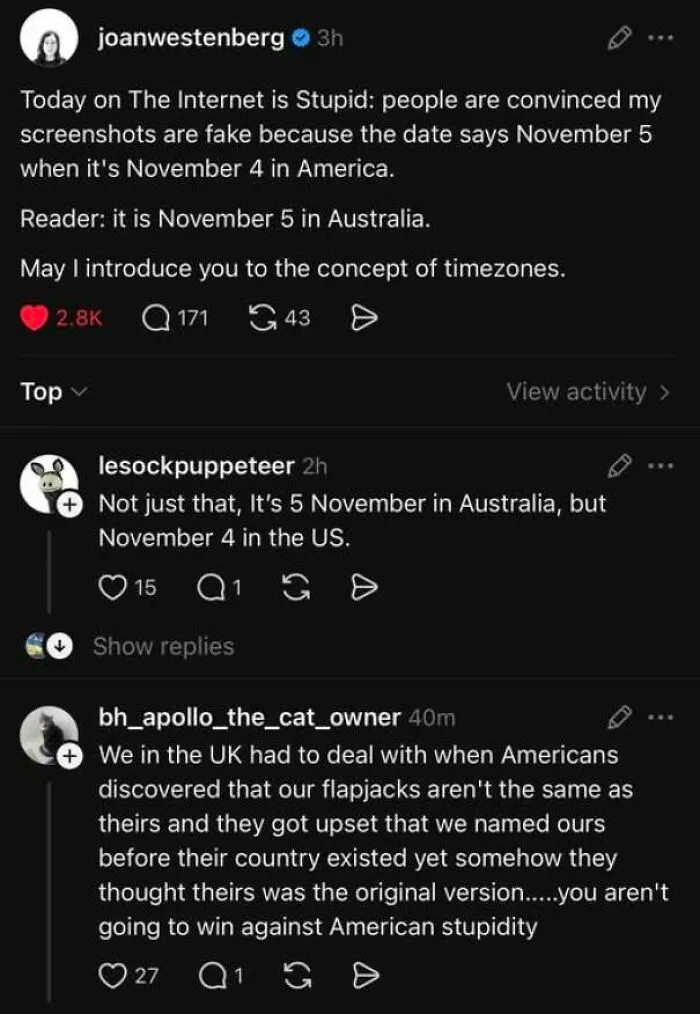
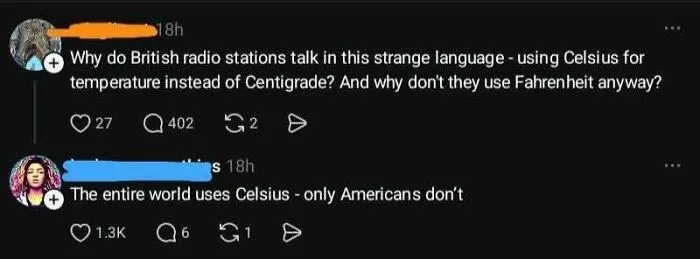
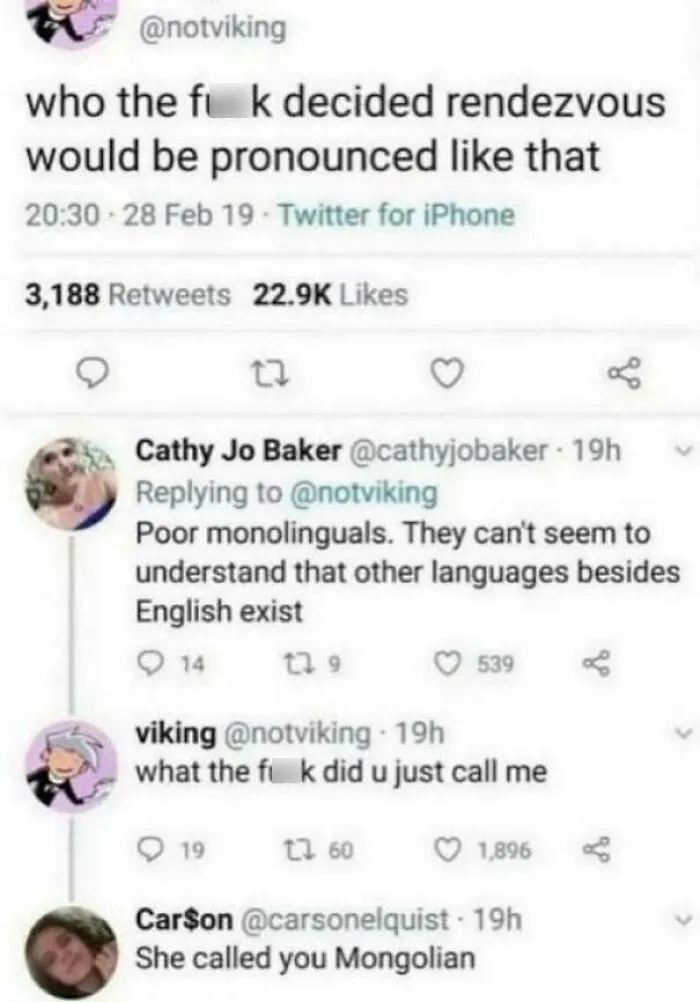
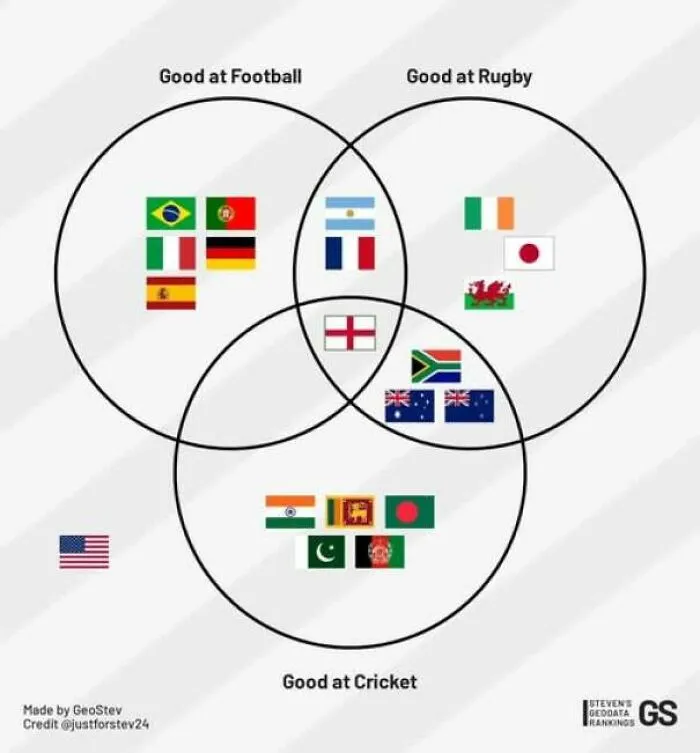
The satirical ‘America is the ONLY country in the world!!!1!’ pokes fun at the global stereotype that some US citizens are narcissistic, lack education, and have little to no awareness of the rest of the world and other cultures.
Of course, despite the focus of this particular Facebook group, it’s worth remembering that absolutely everyone makes mistakes and has knowledge blind spots, no matter what country they’re from.
Learning never stops. And it takes real humility and courage to admit you don’t know something instead of pretending that your half-baked opinions and misremembered interpretations are the same as objective truth.
But you need intellectual humility for that. In reality, some people like to claim they know more about the world than they actually do. They are guilty of what’s known as ‘overclaiming’ and pretend to be experts.



Psychologist Elizabeth Krumrei-Mancuso explains that intellectual humility is your ability to recognize your intellectual limitations, as well as gaps and inaccuracies in your body of knowledge.
Being intellectually humble can affect many areas of your life, including politics, religion, and even your career.


According to research conducted by Stav Atir, Emily Rosenzweig, and David Dunning in 2015, a phenomenon called ‘overclaiming’ leads people to overestimate their knowledge.
These individuals claim knowledge of concepts, events, and people that do not exist and cannot be known.


The researchers noted that people overclaim to the extent that they perceive their personal expertise favorably.
Overclaiming can apply to vastly different areas of (perceived) expertise. For instance, in finance, science, geography, etc.
People may claim familiarity with geographical places that literally do not exist. Or they might state that they understand financial or scientific concepts that are fictitious.


“The more individuals believe they know about a domain, the more likely they are to claim knowledge in that domain that they cannot possibly possess,” the researchers write.
Instead of people consulting a “mental index” that catalogs their knowledge, they “draw on preexisting self-perceptions of knowledge to make inferences about what they should or probably do know.”


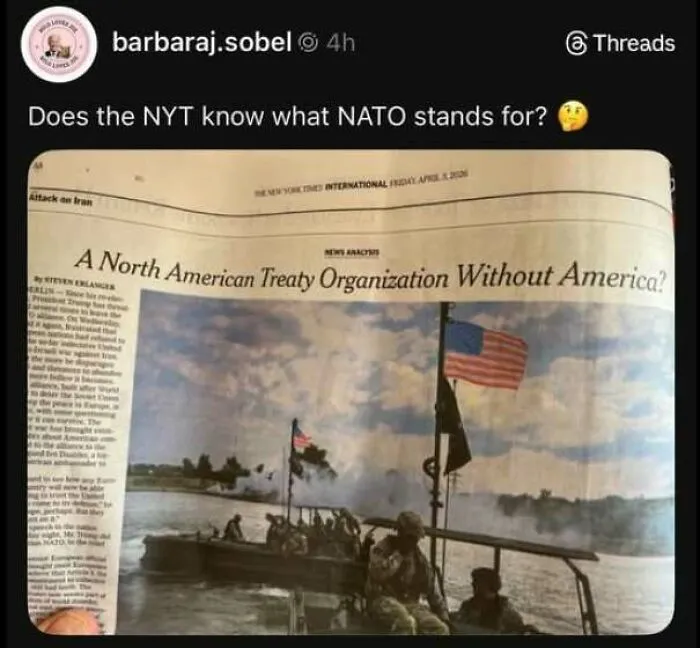
According to the researchers, “for domains of high self-perceived expertise, these inferences may induce a sense of familiarity with terms that sound plausibly real but are not.”
Alternatively, greater self-perceived knowledge motivates people to search their memories more actively for relevant knowledge.