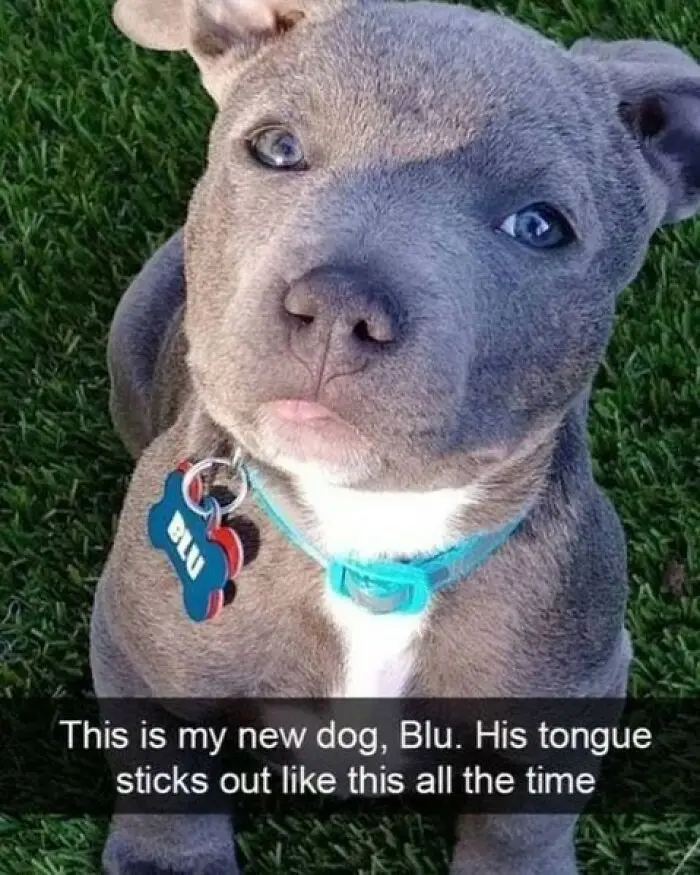



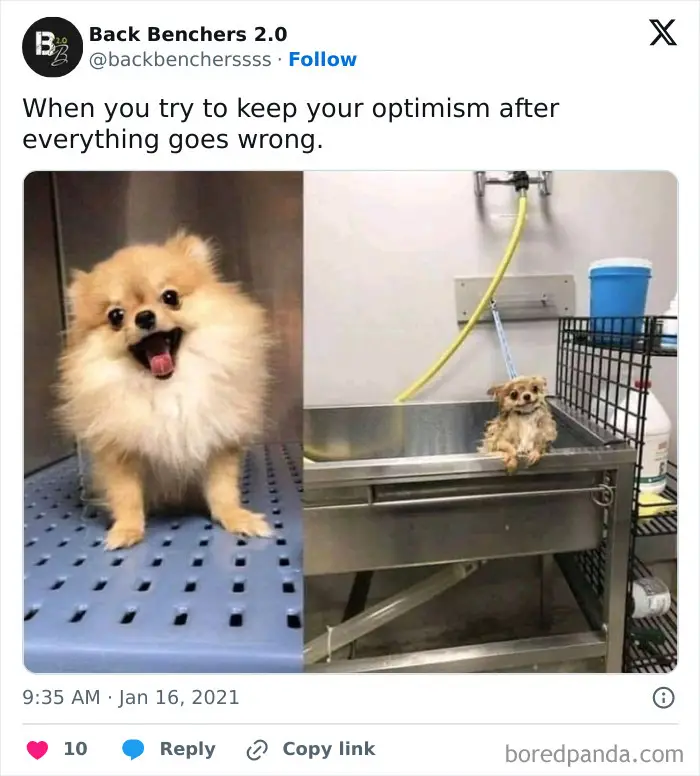
Beyond their practical skills, there is a very specific reason why we find dogs so incredibly hard to resist. Scientists have discovered that dogs have undergone a physical transformation that makes them look more like human infants. This phenomenon is known as neoteny which is the retention of juvenile features into adulthood. Dogs have floppier ears, rounder faces, and larger eyes compared to their wolf ancestors. One of the most incredible adaptations is a specific muscle called the levator anguli oculi medialis.

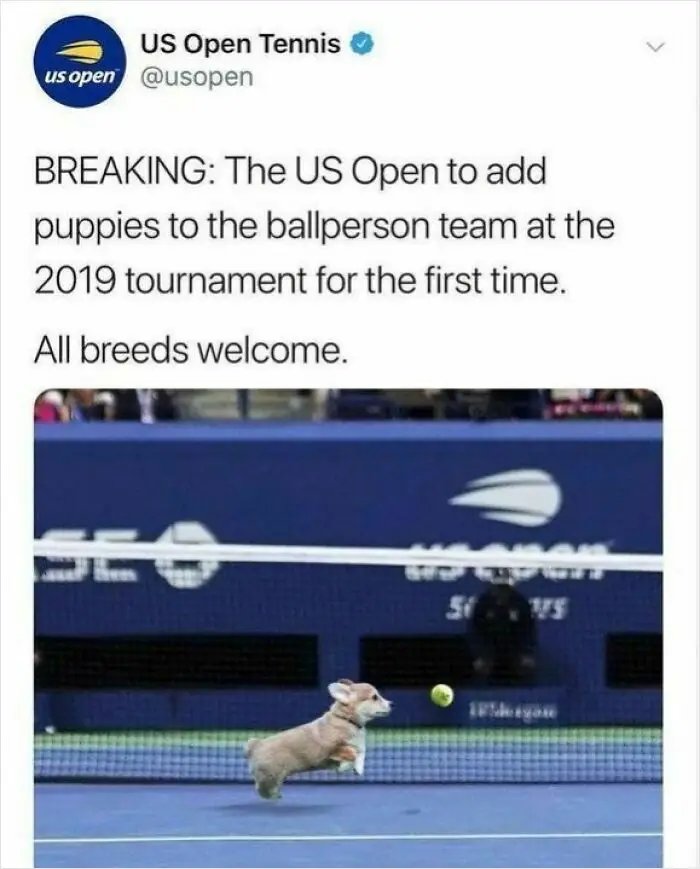
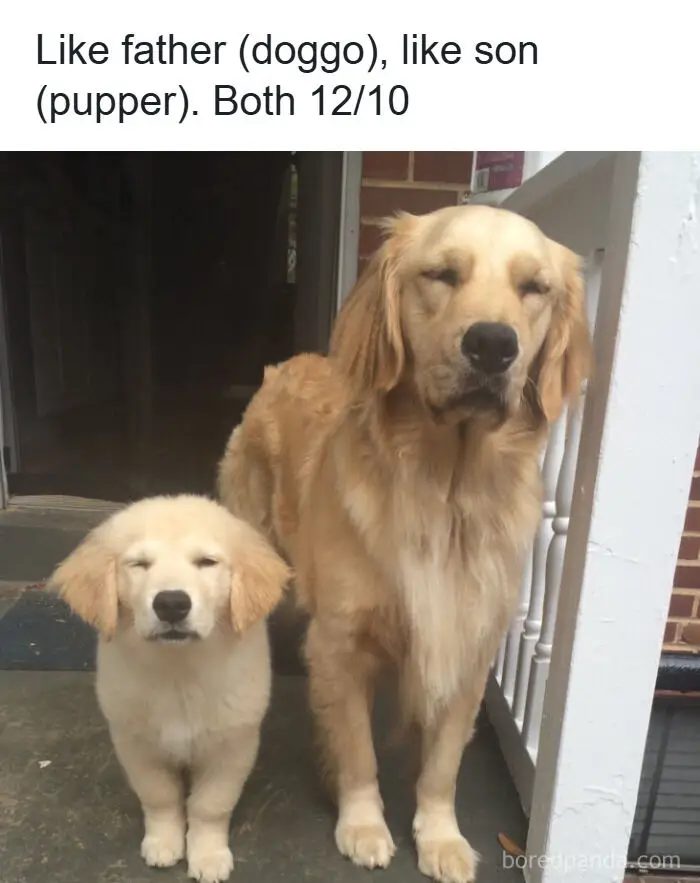
This tiny muscle allows dogs to raise their inner eyebrows which creates that classic heartbroken expression we often call puppy dog eyes. This movement mimics a human facial expression associated with sadness or vulnerability which triggers a powerful nurturing response in our brains. When we look at a dog and they look back at us with those expressive eyes, both of our bodies release a chemical called oxytocin. This is the same hormone that facilitates the bond between a mother and her newborn baby. This biological feedback loop creates a deep emotional connection that explains why we often treat our dogs as members of the family rather than just animals.
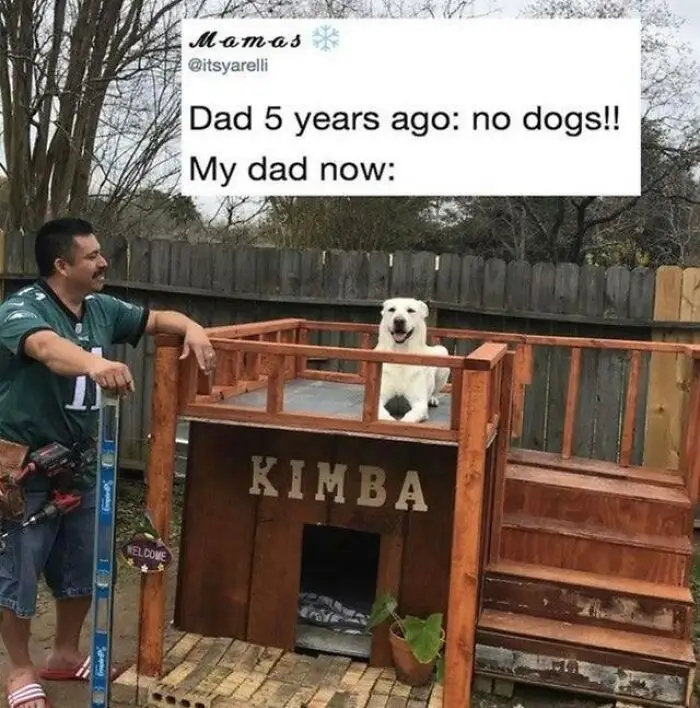


In the modern world the utility of dogs has shifted from the physical labor of the farm to the complex emotional and technical needs of the twenty-first century. We now have dogs that can detect the scent of cancer or warn a person with diabetes when their blood sugar is dropping dangerously low. They serve as the eyes for the blind and the ears for the deaf while also providing critical support for people living with post traumatic stress disorder. Their noses are so sensitive that they can find people buried deep under rubble after an earthquake or track a missing person through a crowded city.
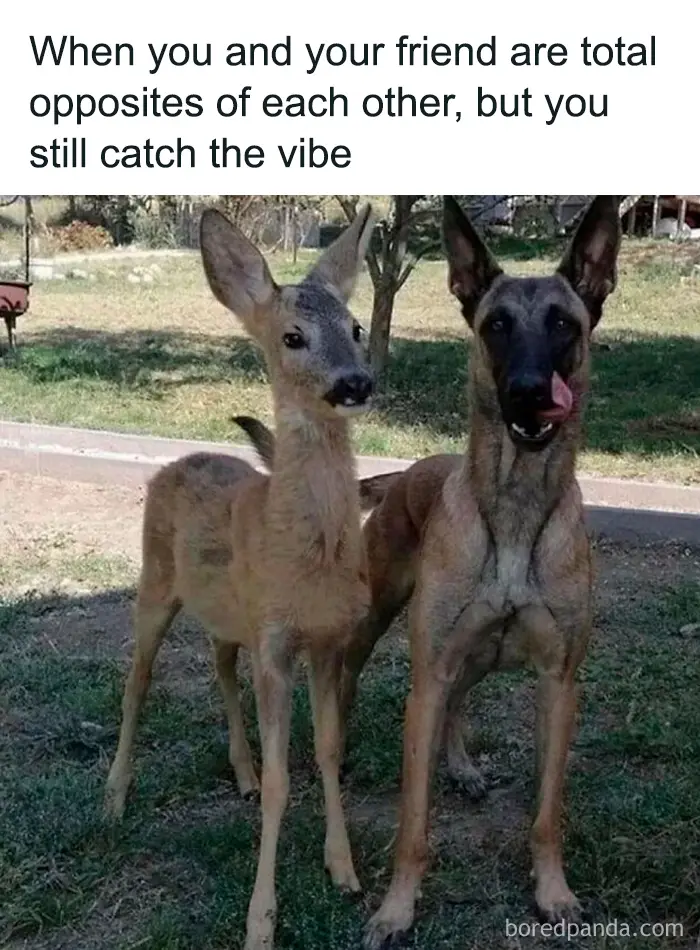
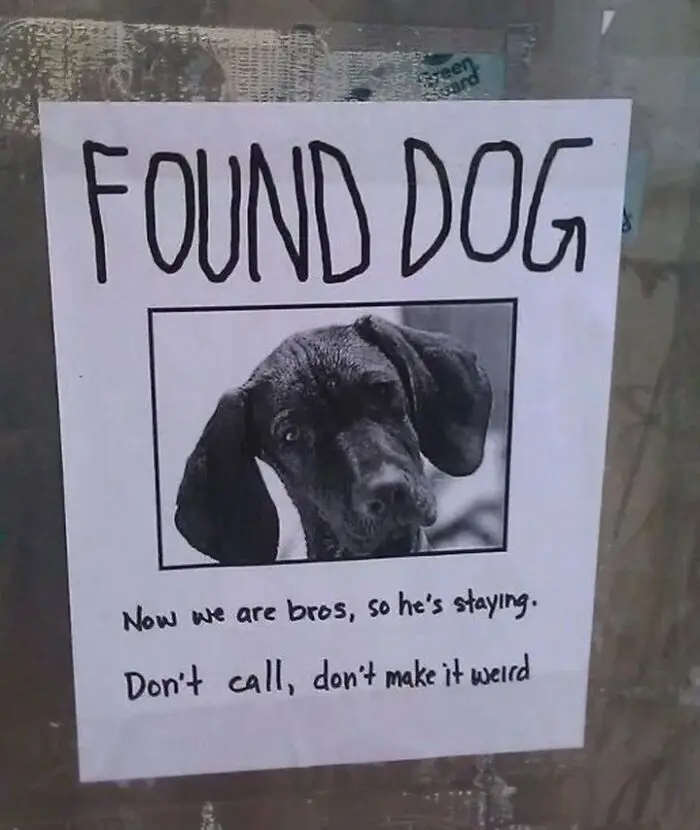
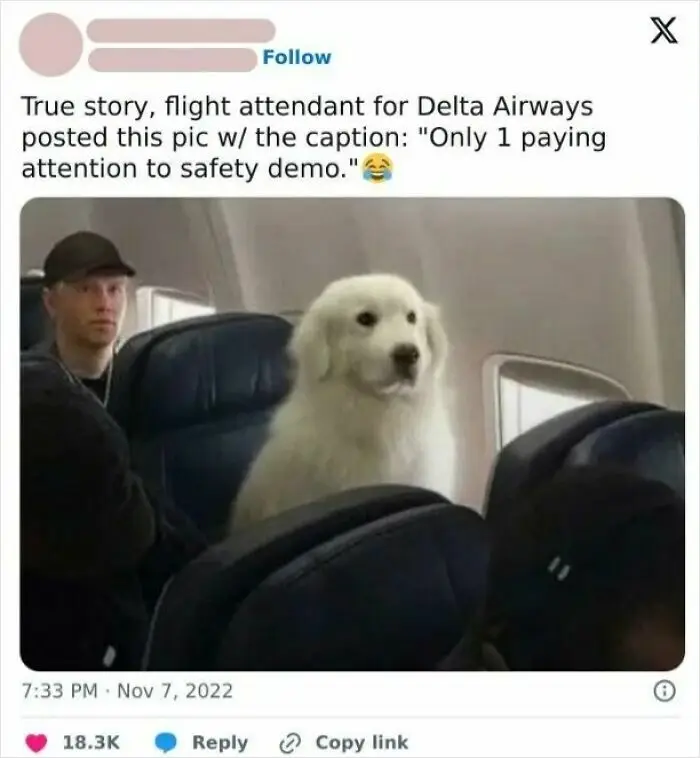
Even though most pet dogs today spend their time napping on a sofa rather than hunting mammoths, they still fulfill the ancient role of a companion who offers unconditional loyalty. This shared history has created a unique bridge between two different species that is unlike anything else in the animal kingdom. Whether they are working as high stakes search and rescue heroes or simply wagging their tails when we walk through the front door, dogs remain the most successful and beloved partners that humans have ever known. We did not just change them to fit our world but they also changed us by making our lives safer and much more joyful.