


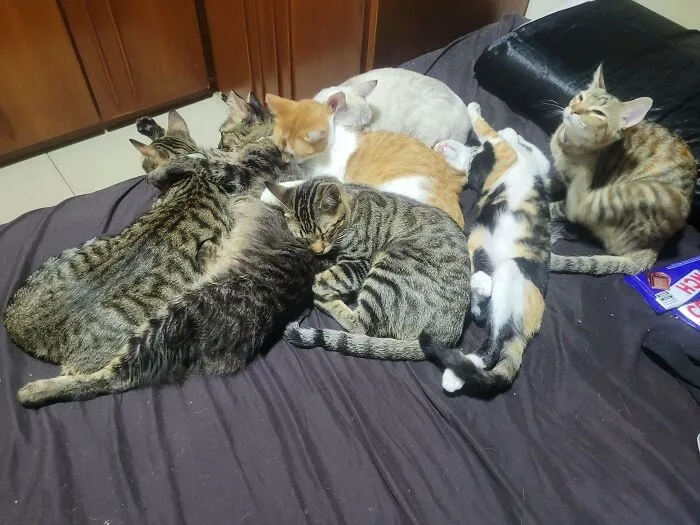
Cats are meant to be solitary hunters. In other words, they prefer to roll solo. So why then are we seeing so many images of them gathering in groups? Surely, the only logical answer is that they're plotting to take over the world and they've figured out that there's strength in numbers. Well... not actually.
According to experts, while wild cats are indeed solitary hunters, domestic cats are extremely adaptable. It all depends on the number of cats in an area, and the availability of food sources.
"In some situations, the domestic cat adapts to group living through the development of social structures," explains the International Cat Care site. "In general, free-living domestic cats have two main living arrangements. Some females form small groups (similar to a pride of lions), while others prefer to live alone with their own territories, which is more common among wild felids."
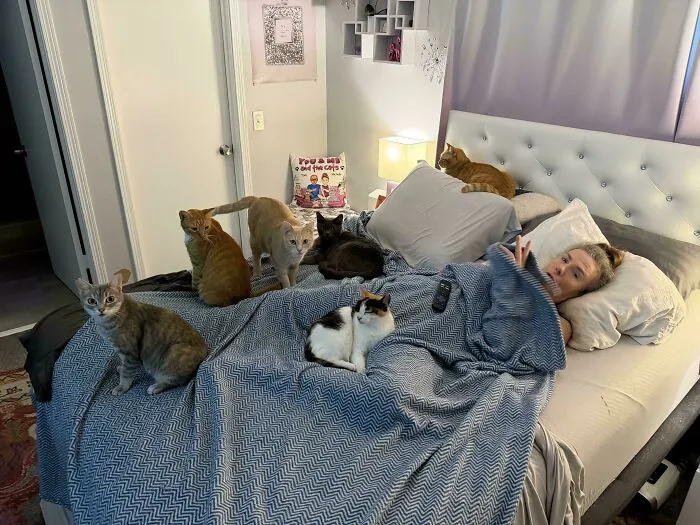
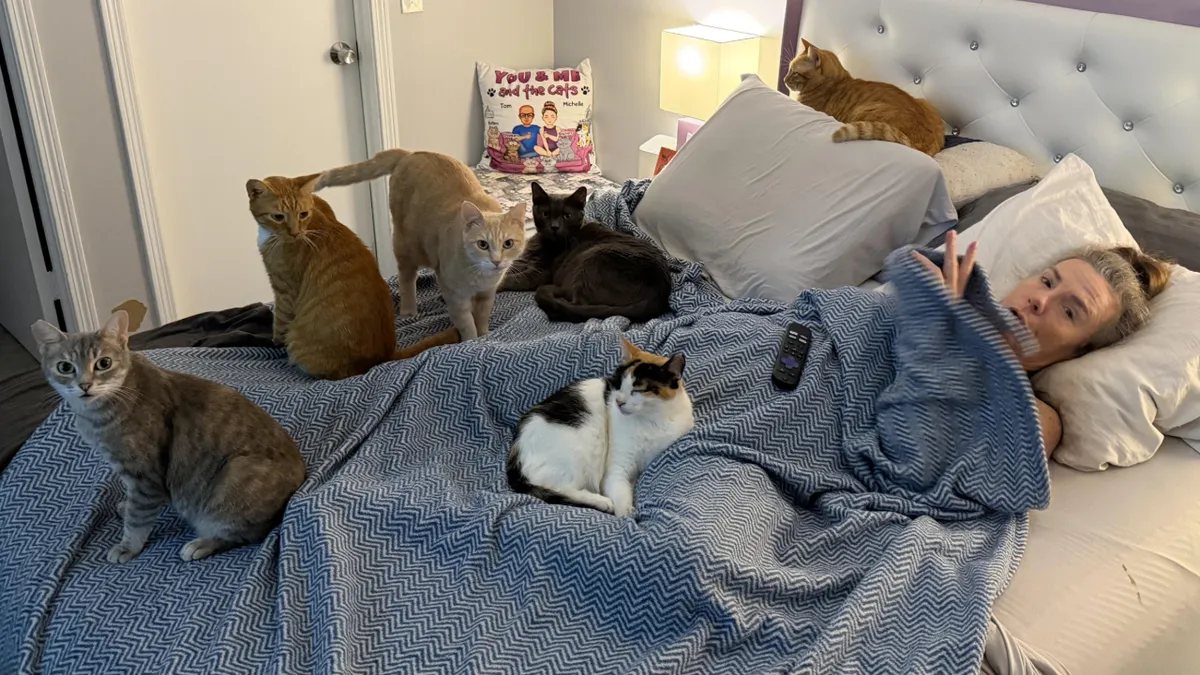
#5 The Council Has Identified A Bird. Further Action Is Under Discussion
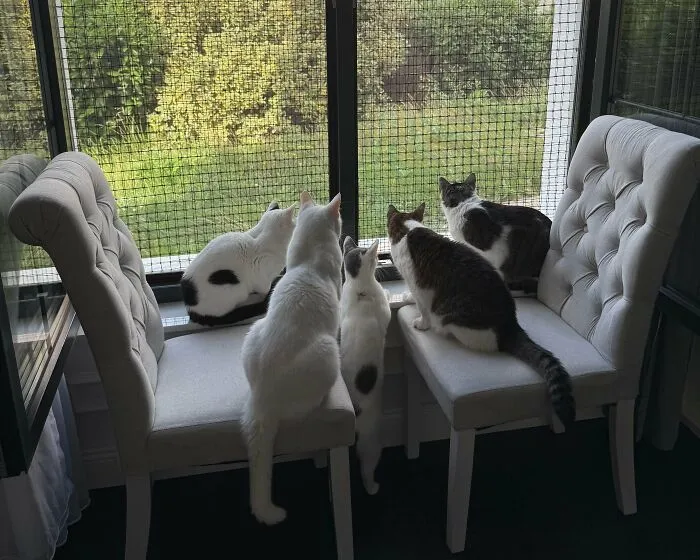
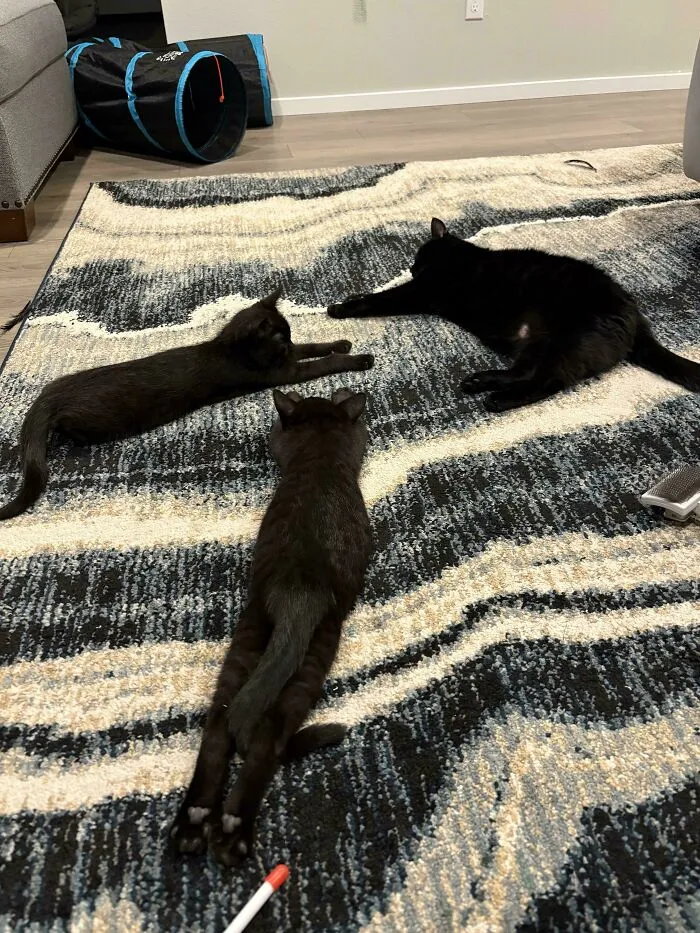
The experts explain that a cat’s territory is made up of a core area (or den) where they feel safe enough to sleep, eat, play, and potentially enjoy social interaction.
"This joins the hub of the territory, which is the region beyond the core area that the cat actively defends against invasion from other cats. Beyond this lies the home or hunting range, over which the cat will roam," they add.
Outside of home, different cats often have territories that overlap, and there can be some ‘neutral areas’ where they meet, greet and interact without getting aggressive. In a way, they are having meetings, but probably not about taking over the world.
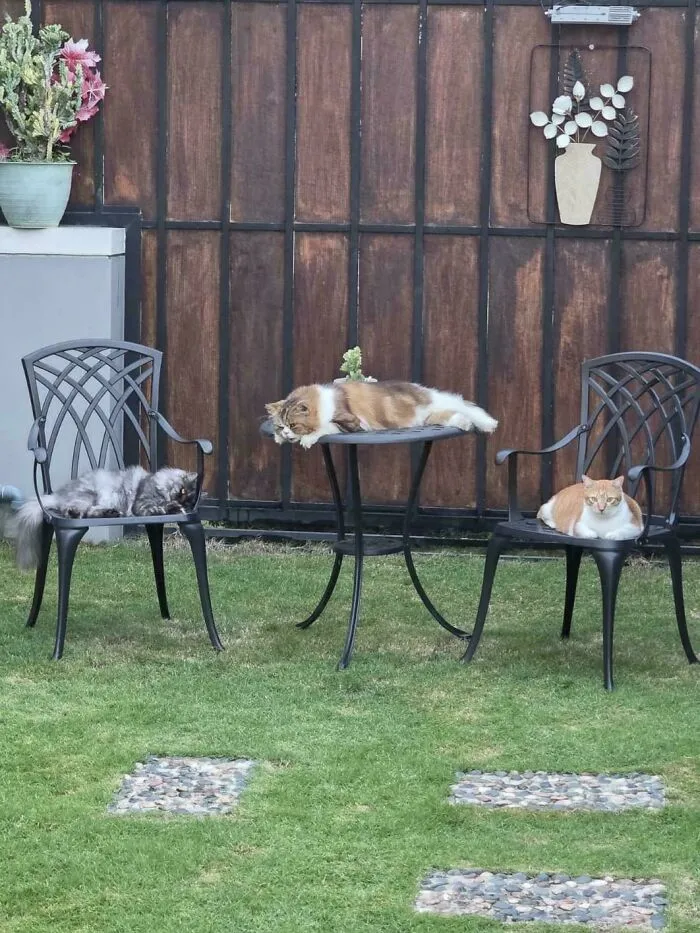
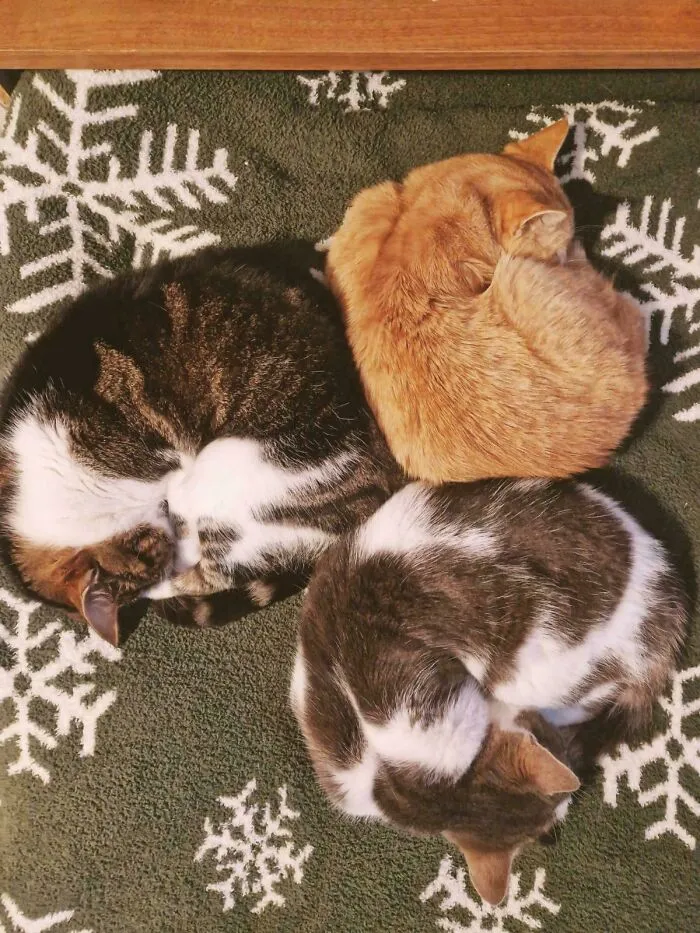
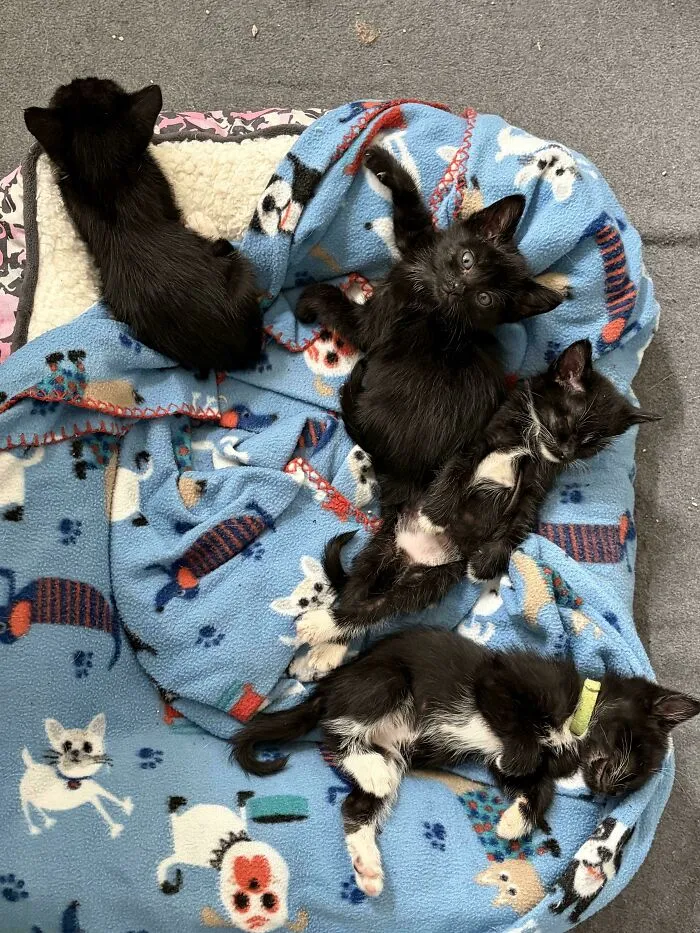
As the Whiskers Tales blog explains, local street cats regularly form loose social structures called colonies. And yes, they chat to each other...
"They gather in neutral spaces to monitor territory and share vital environmental information without fighting," notes the site. Obviously, they're not communicating with each other in the same way a person would talk to a friend. Instead, cats use subtle physical signals to get their point across. And more importantly, establish rank in the so-called council.
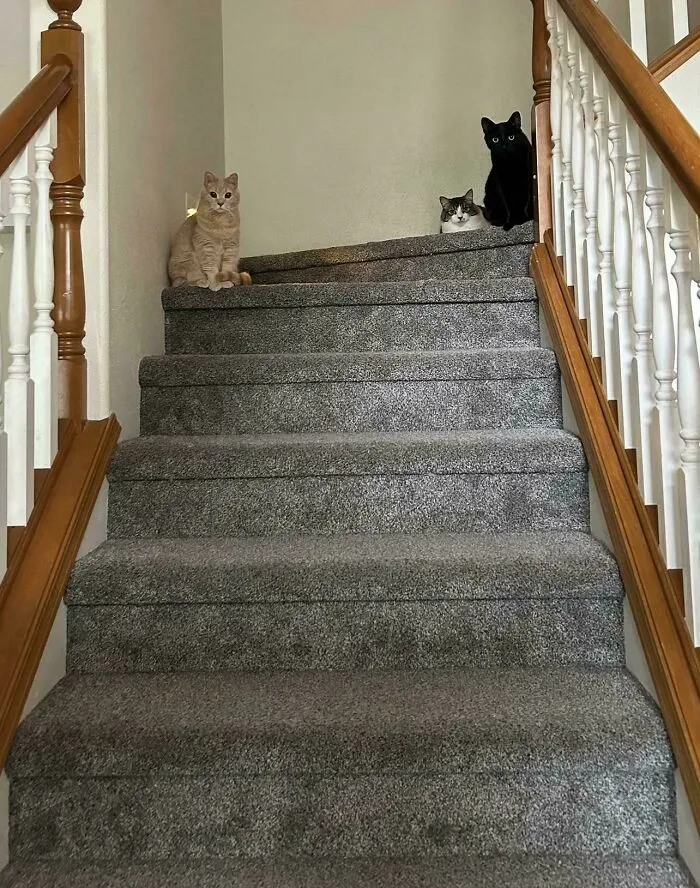
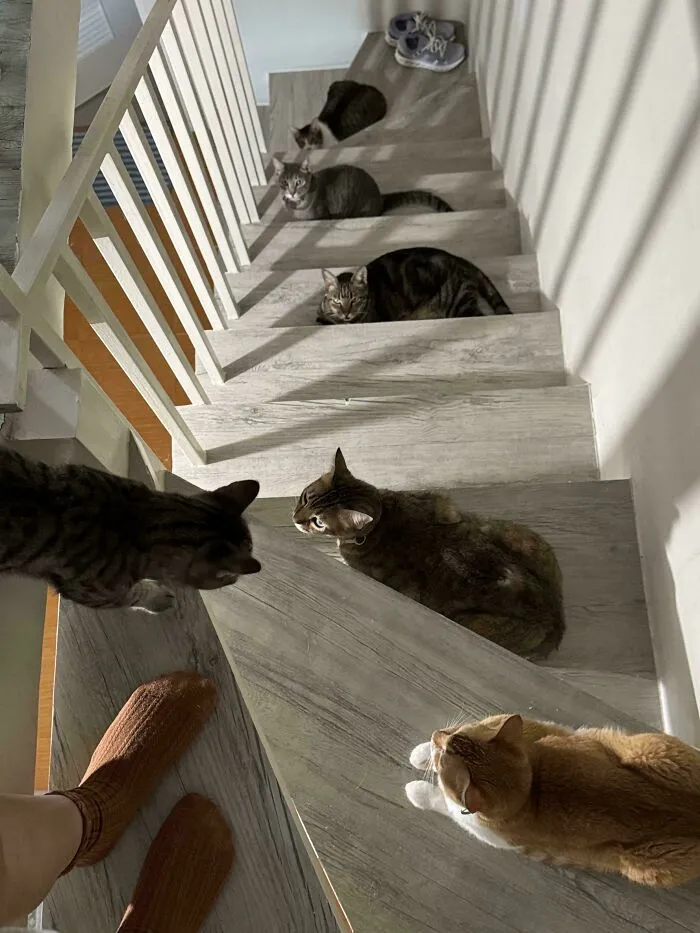
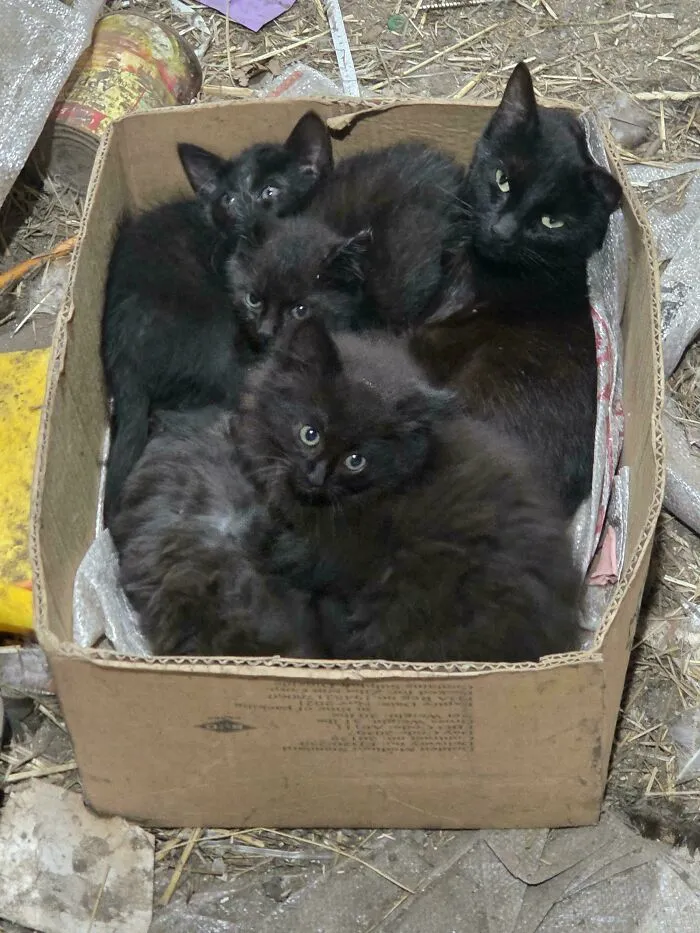
Things like the positioning of a cat's ears or the angle of their tail tells a lot more than we might realise. "Sitting close together without touching allows them to negotiate boundaries peacefully," reveals the Cats Whiskers team, adding that this proximity helps them establish group scent records.
However, things can switch in the blink of an eye if one council member decides they have beef with another.
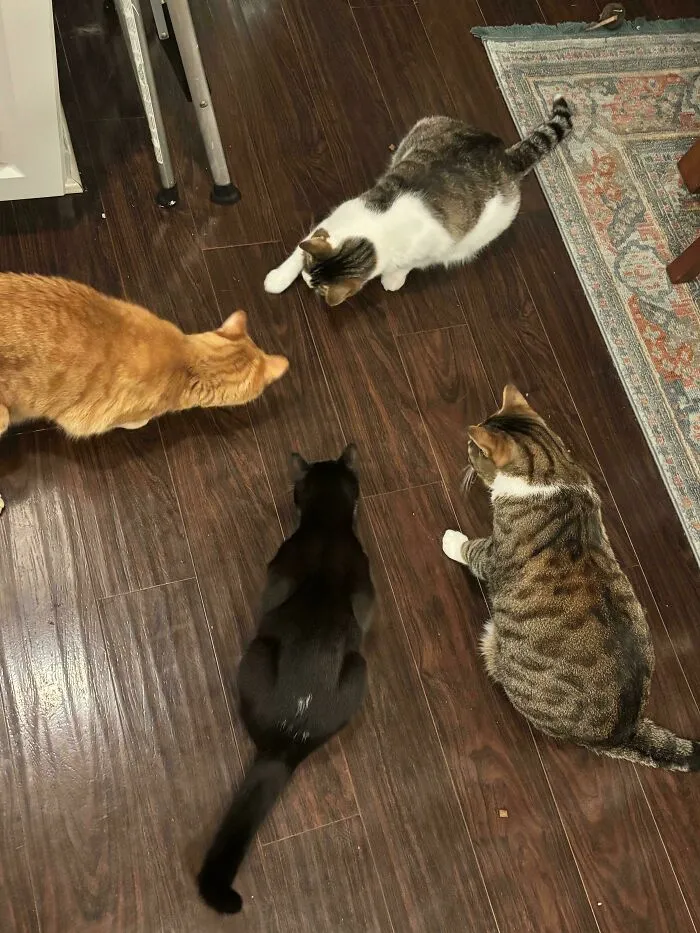
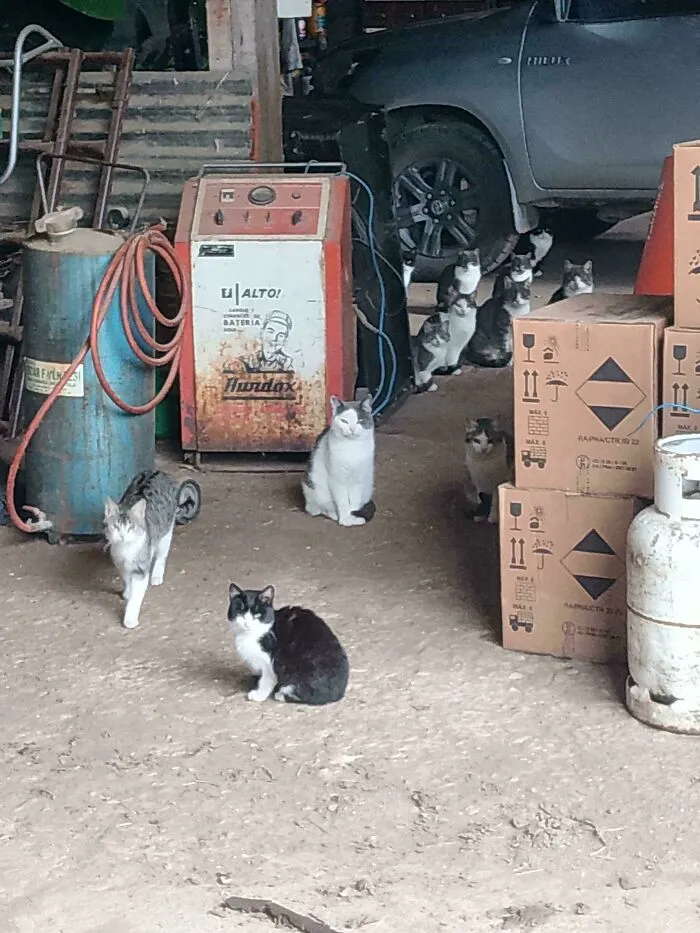
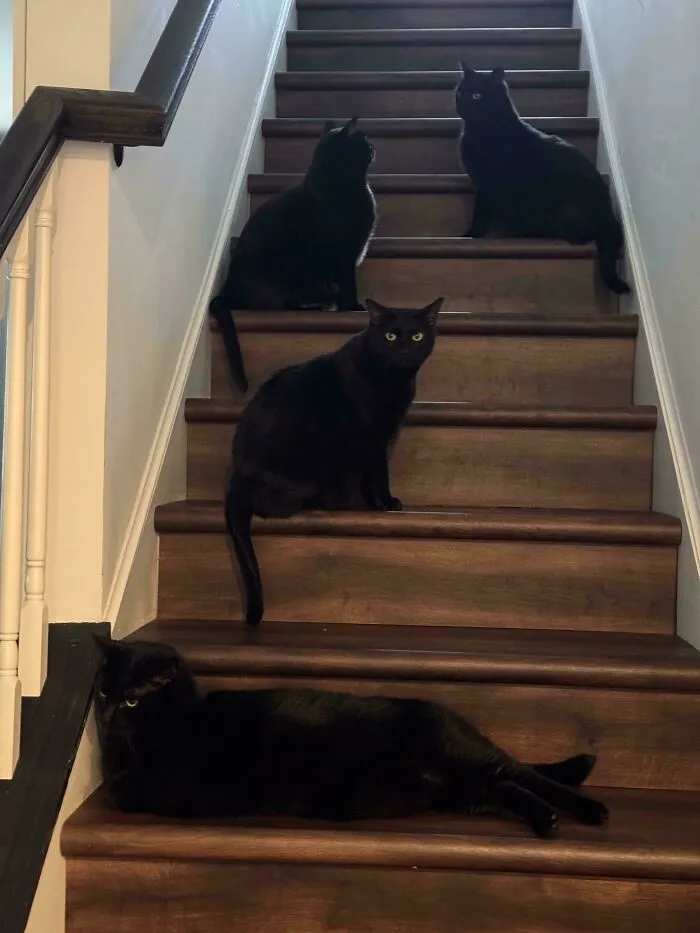
Another reason cats might congregate is to guard their food. This is especially true when it comes to stray cats who've managed to collect scraps from some kind human being. "They form a cooperative defense force to keep strange predators away from their reliable food source," say the experts.
And apparently, stray animals rely heavily on looking out for each other and forming these group alliances or councils.
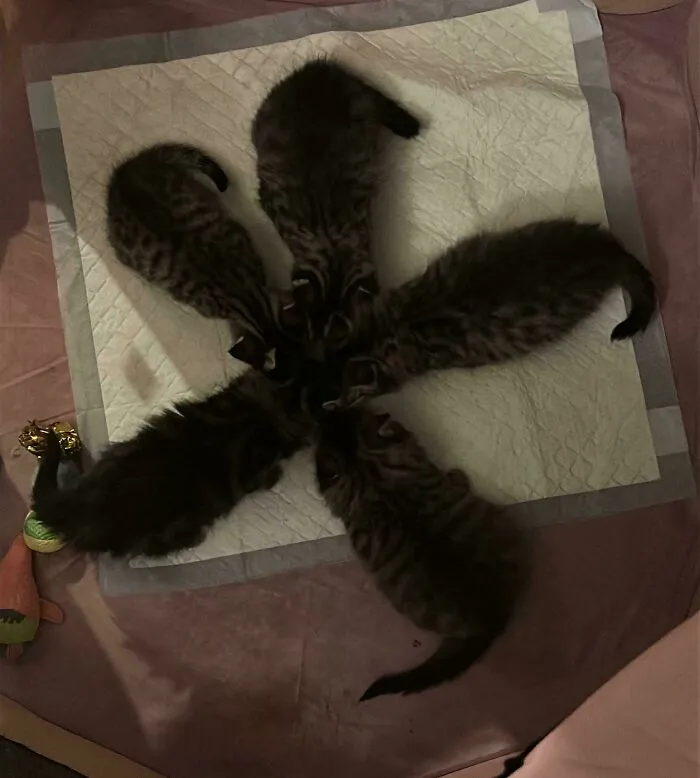
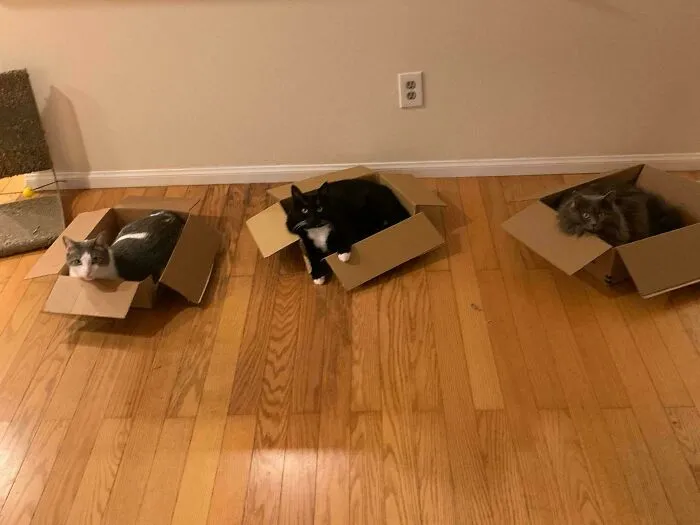
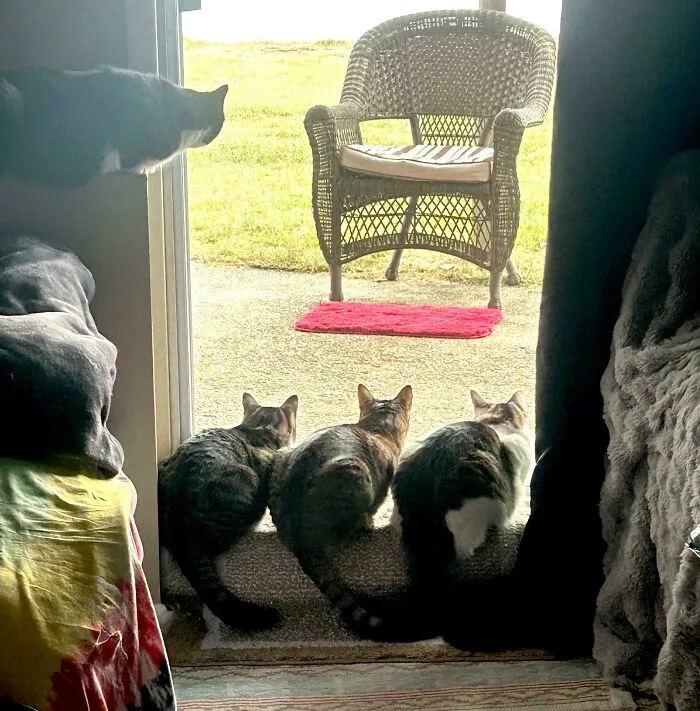
#18 The Council Sends Its Youngest Member To Inform Me If I'm Allowed To Rest With Them
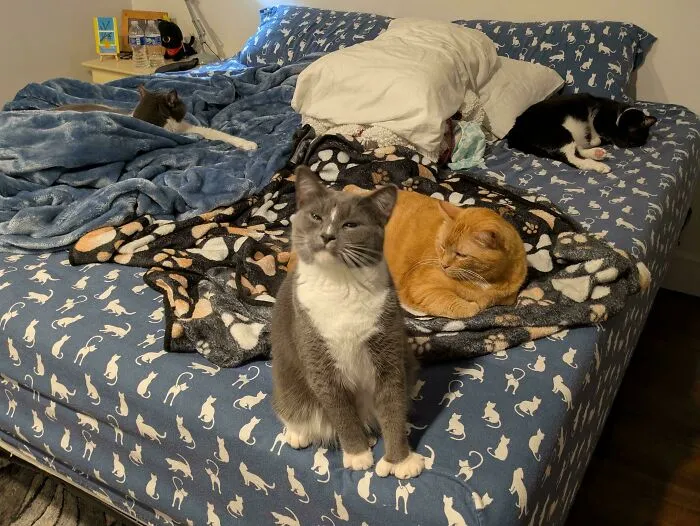
Have you ever heard about mommunes? They're like communes but for single mothers and their kids. It's a trend that's taken off around the world in recent years. But cats apparently cottoned onto the idea long before their human counterparts.
"Mother cats in a stable group will often raise their litters together in a shared nest," reveals the Whiskers Tales blog. "This cooperative parenting allows one mother to hunt while another guards the babies. They will even nurse each other’s offspring to ensure the entire group’s survival."
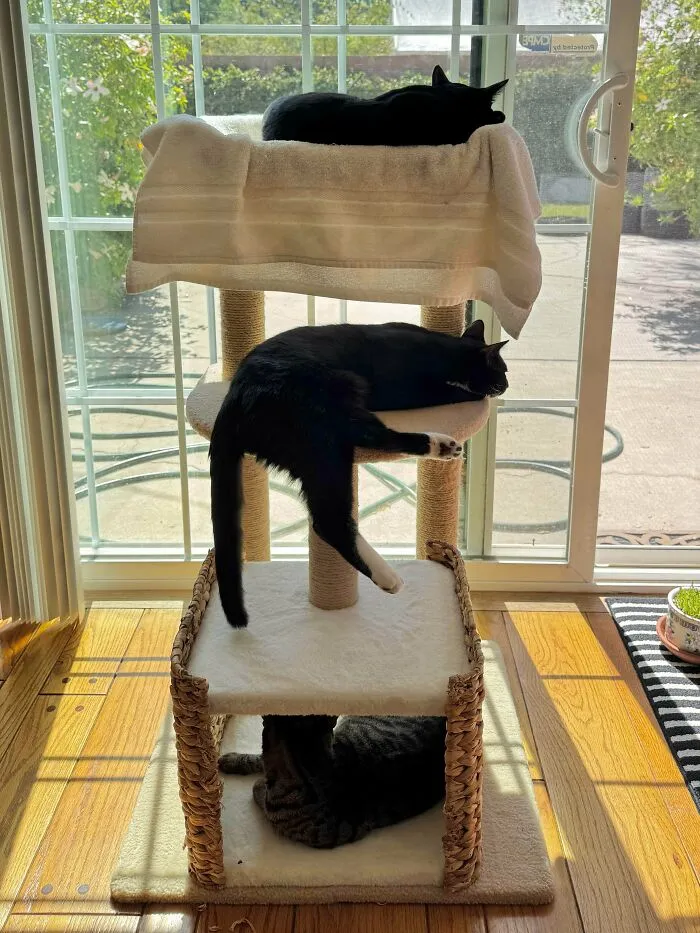
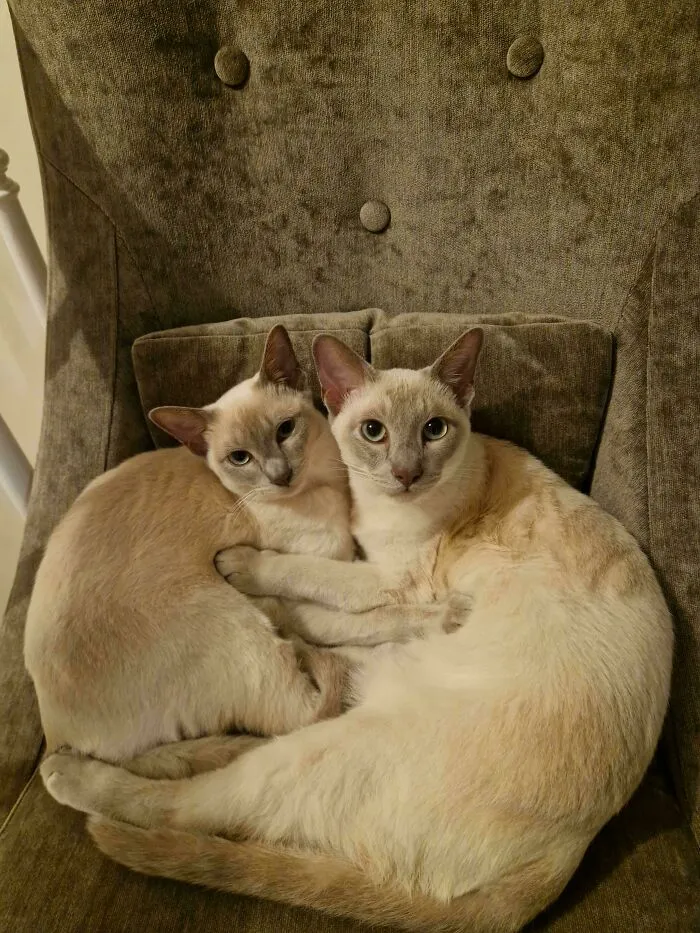
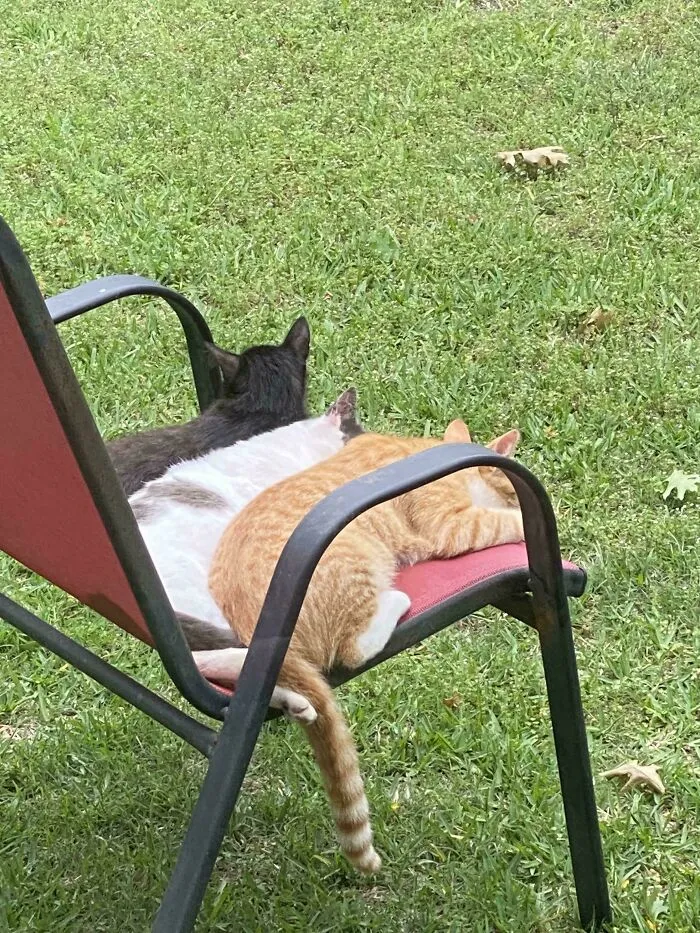
#20 The Council Is Breaking From Their World Domination Meeting For A Cuddle Break