

This post may include affiliate links.
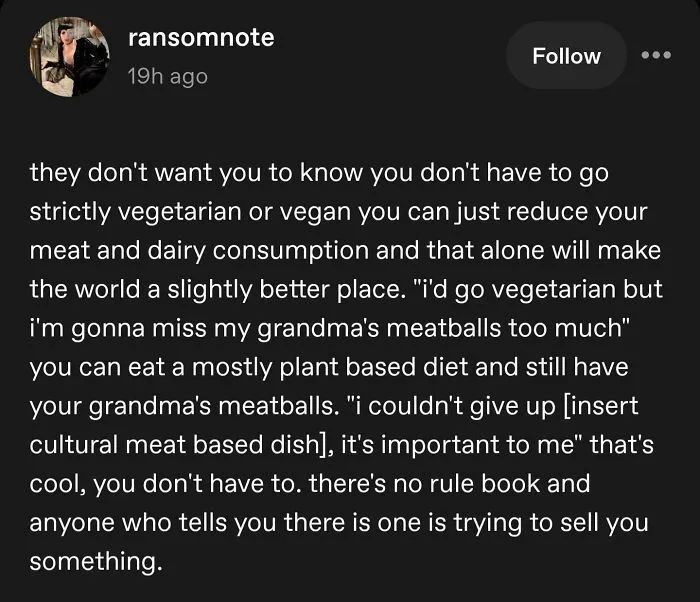
#2 I Love My Veggies, But There Are Way Too Many Meat Dishes I Love To Let Go Of Or Eat Less Of
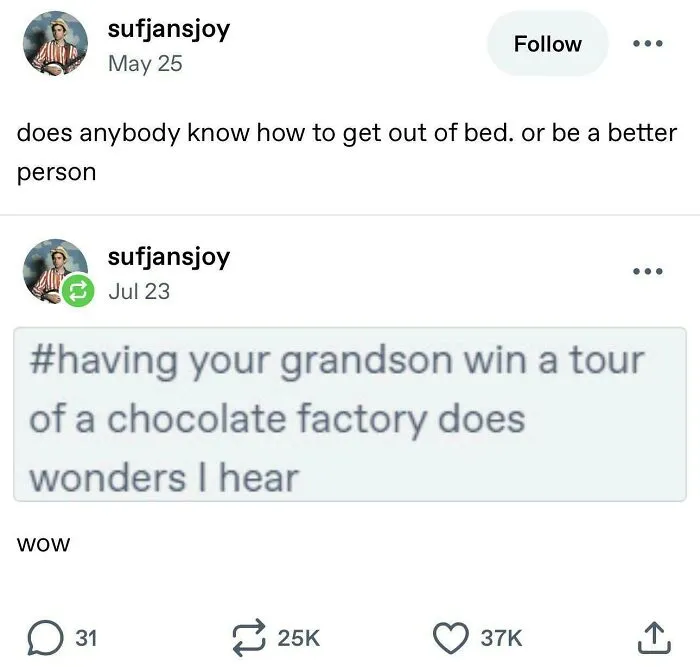
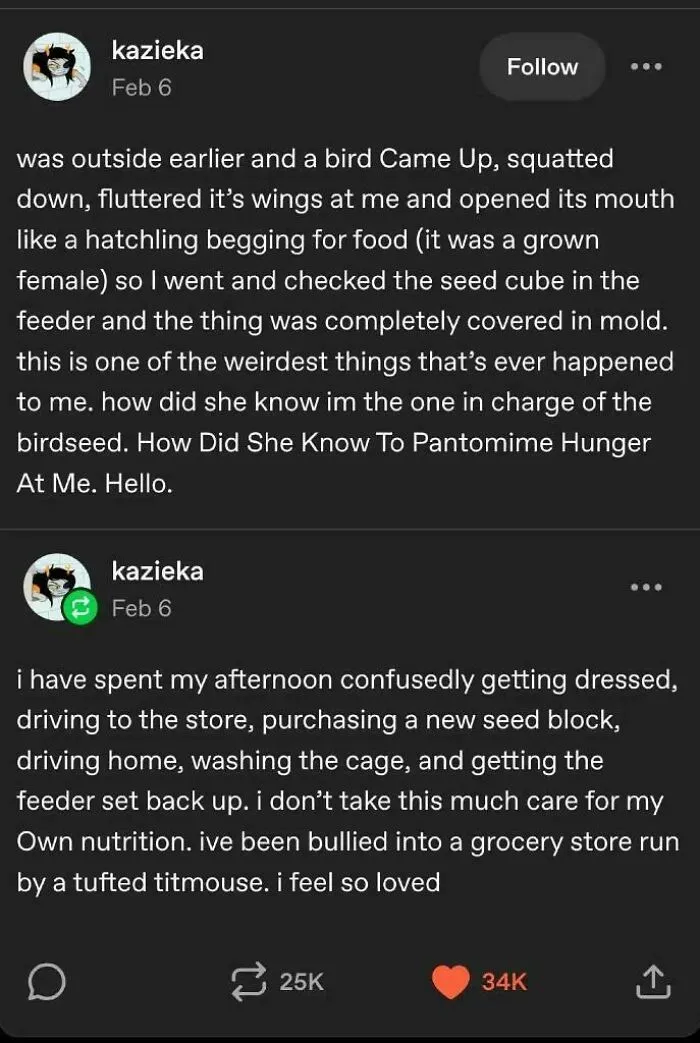
According to Statista, the number of social media users worldwide is expected to reach 5.75 billion in 2026, with mobile devices helping platforms reach even more people. And honestly, it’s not hard to see why. From posting life updates on Facebook to falling into a TikTok scrolling marathon when you meant to watch just one video, social media has become a huge part of everyday life, Pandas. But while every platform has its own quirks, some have developed a culture that makes them stand out from the rest. One platform that has always had a personality of its own? Tumblr.
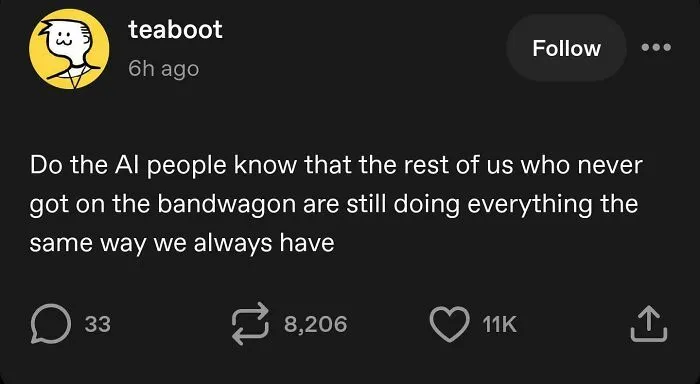
#5 I Can't Stand It When People Say "There's No Way You Could Do Blank Without Chatgpt"
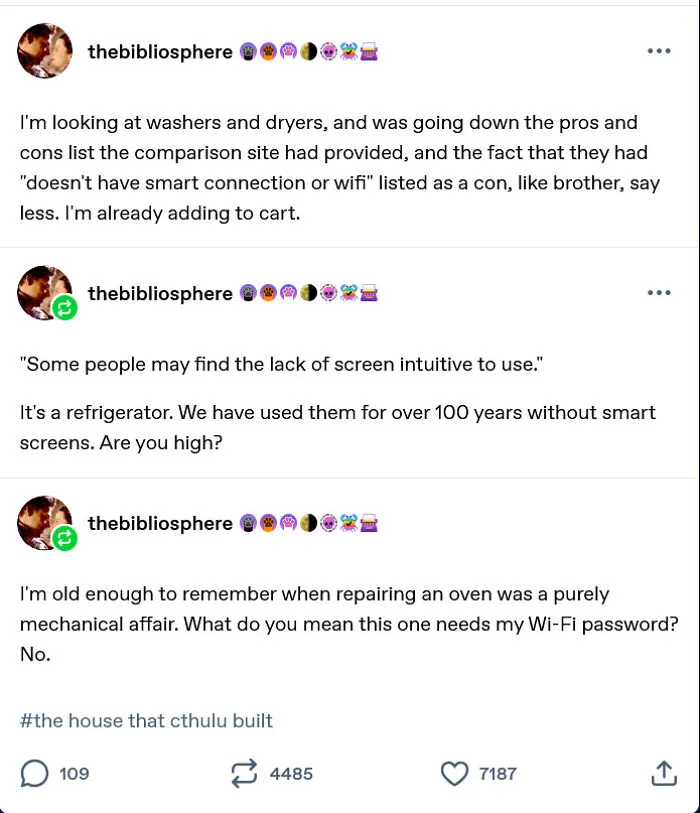
Founded in 2007 by American web developer David Karp, Tumblr quickly carved out its own corner of the internet. The microblogging platform became home to countless communities, particularly fandoms where people bonded over their favorite things. Its relative anonymity also gave users more freedom to experiment with their online identities and share thoughts they might not have posted under their real names. And, of course, it gave people a place to be wonderfully weird without having to explain themselves.
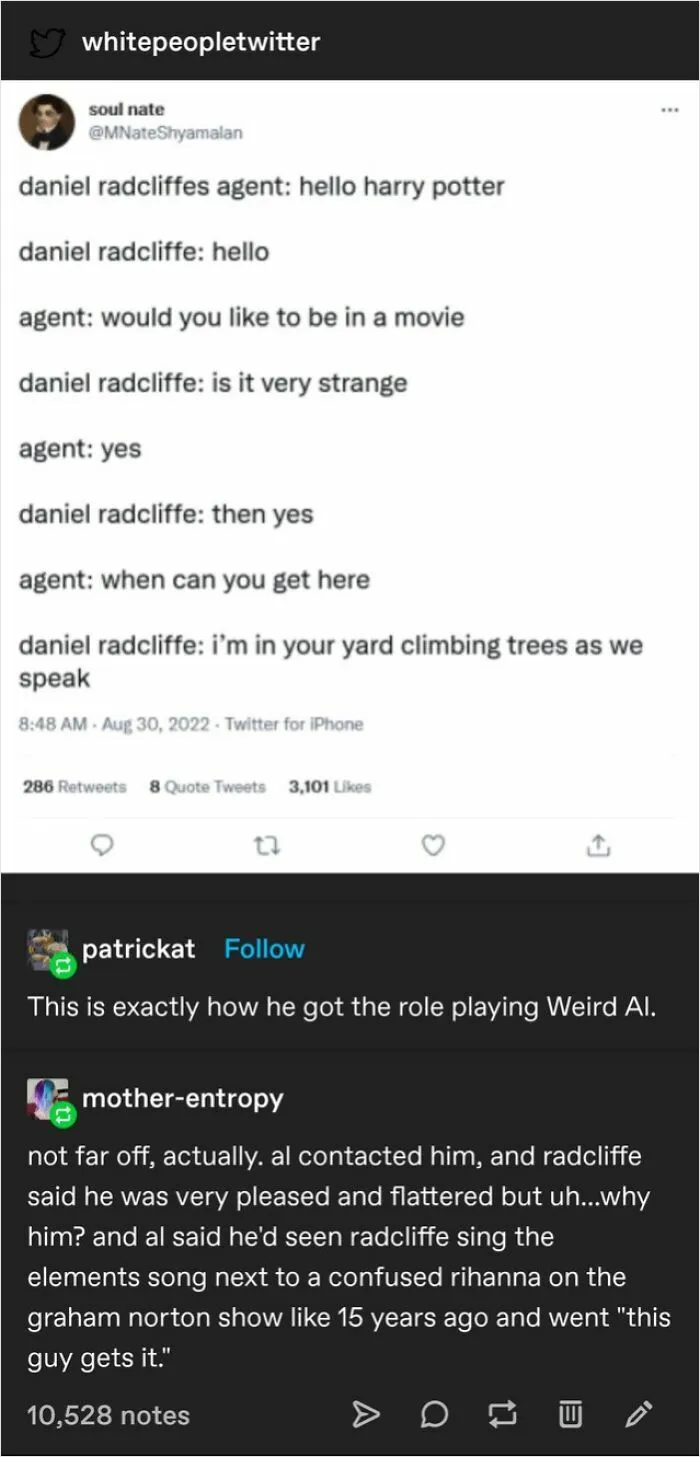
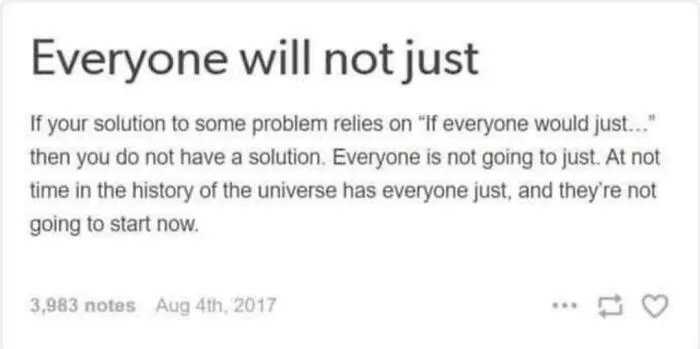
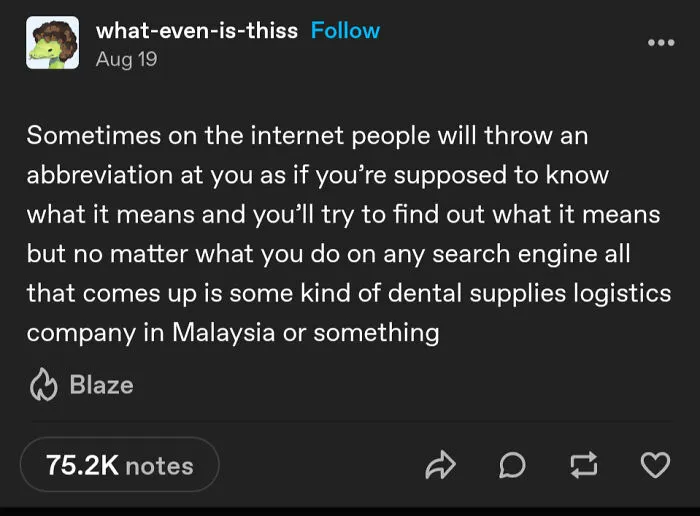
The story behind Tumblr is pretty interesting, too. David Karp was just 21 when he founded the platform while working as a consultant from his mother’s apartment in New York City. He wanted to create something different from the increasingly commercialized social media platforms of the time. And that vision showed in Tumblr’s design. In A Tumblr Book: Platform and Cultures, researchers explore how features such as chronological reblogging and the absence of prominent public follower counts helped set Tumblr apart from more metrics-driven platforms. Instead of making popularity the main goal, Tumblr gave users more freedom to experiment, share their interests, and find communities of people who loved the same wonderfully niche things they did.
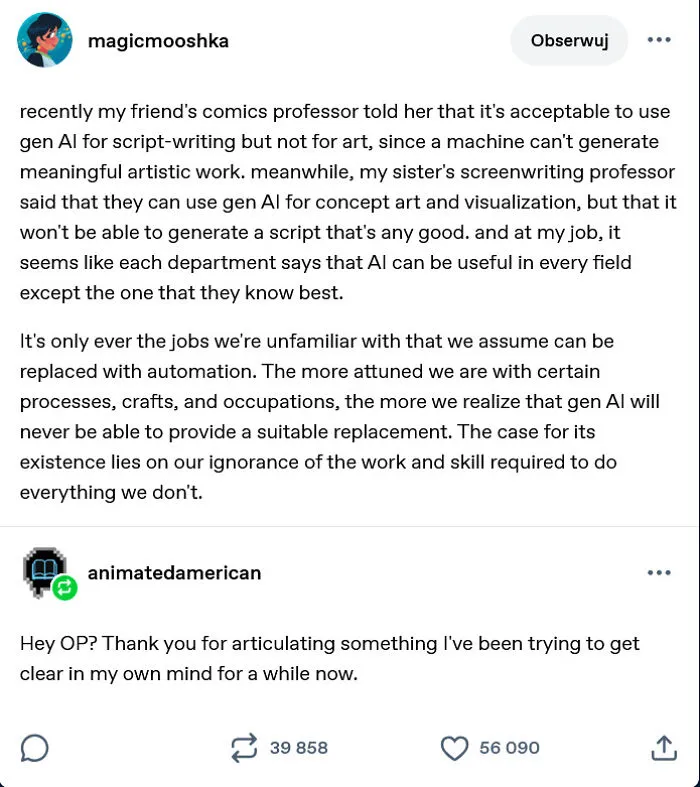

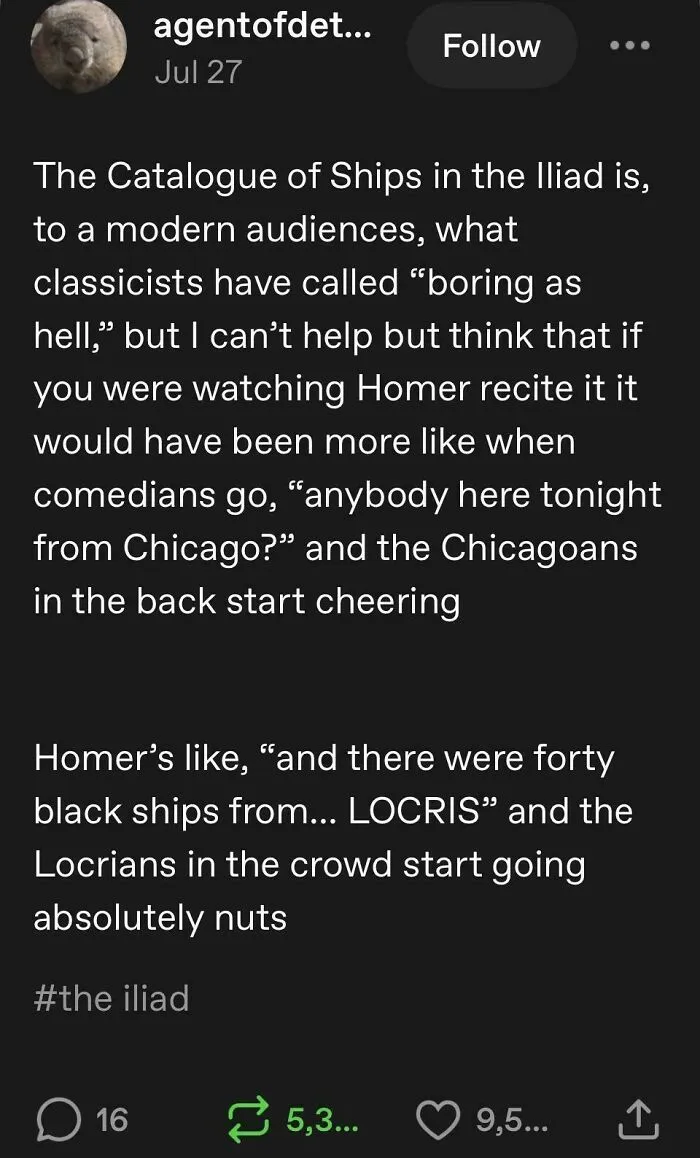
And there’s a good reason why Tumblr’s approach to social media is worth looking at more closely. On many platforms, it’s easy to get caught up in the numbers game. How many likes did your post get? Why does someone else have thousands of followers while your latest selfie barely gets any attention? What starts as a fun way to share your life can quickly turn into a competition, especially when popularity starts to feel like a measure of your worth.
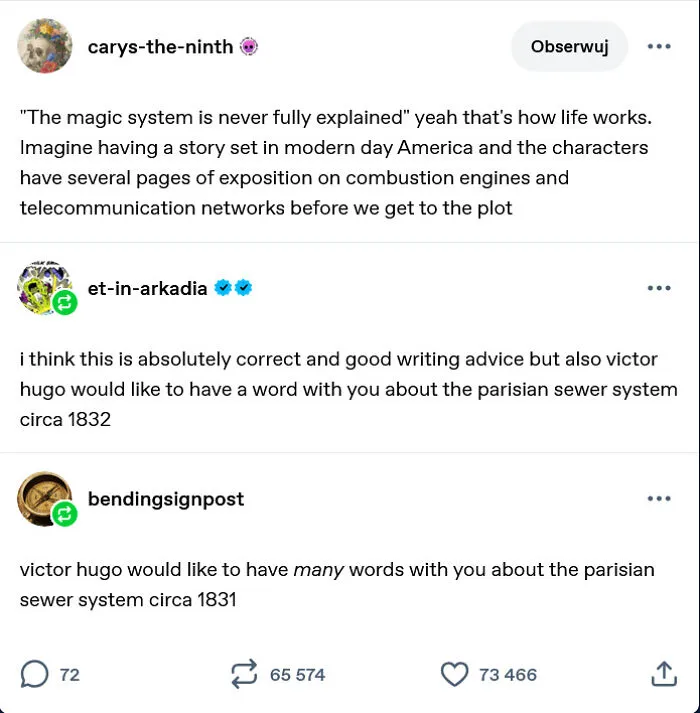
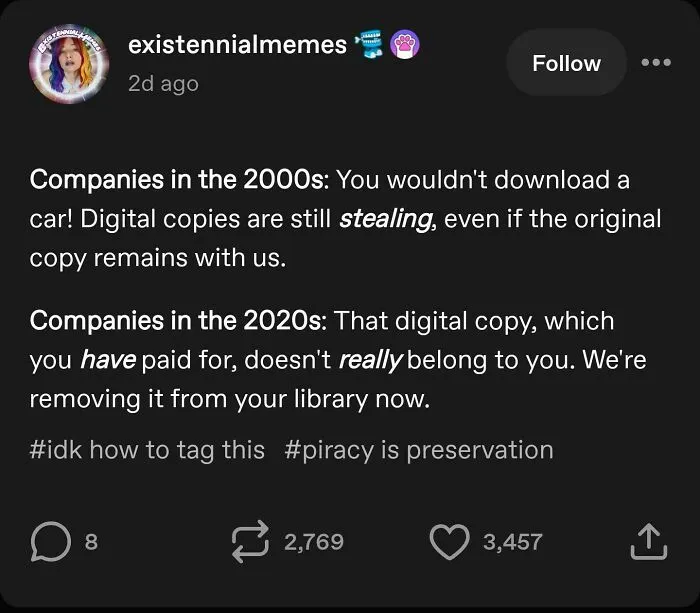

Research suggests that this kind of social comparison can take a toll on mental well-being, particularly among young adults. Studies have found that people who regularly compare their achievements, physical appearance, and social lives with those of their peers tend to experience higher stress levels and poorer psychological well-being. Research conducted during and after the COVID-19 pandemic has also linked increased internet use with more frequent social comparisons and greater psychological distress. After all, when you're constantly exposed to carefully curated snapshots of other people's lives, it's easy to feel like everyone else is doing better than you.

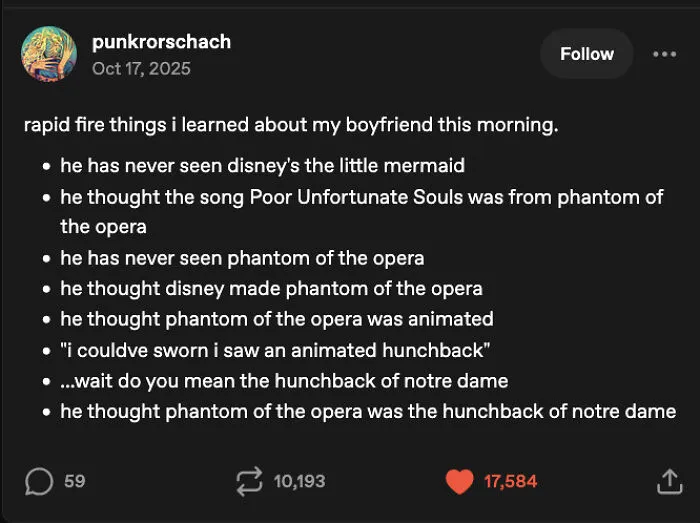
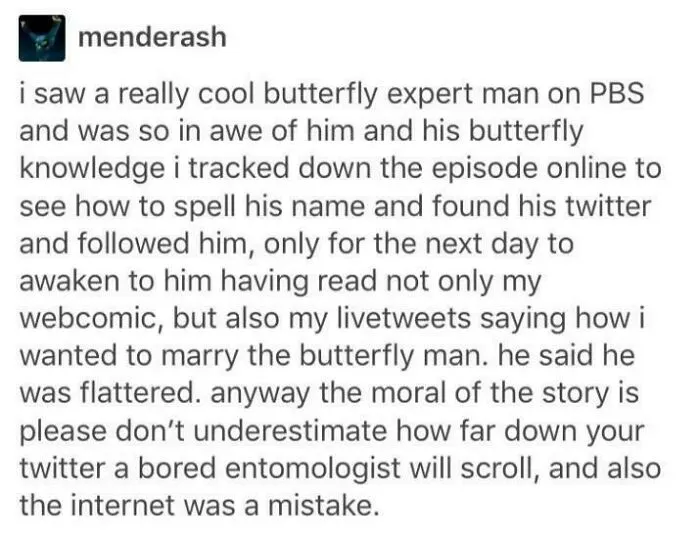
This is where Tumblr's approach offered a refreshing alternative. With customizable blogs, reblogging, and communities built around shared interests, the platform gave users more opportunities to express themselves without making public popularity the main event.Tumblr certainly wasn't free from drama or social pressure, but its culture showed that online spaces could be about shared passions and self-expression, rather than constantly chasing likes and followers.