



Texting has become such a normal part of our lives that it’s hard to imagine a time when it didn’t exist. However, the technology is relatively young, with the first text message sent on December 3, 1992.
It was written by a 22-year-old British engineer named Neil Papworth, who used a computer to send a simple “Merry Christmas” to a colleague’s mobile phone. Little did he know how much his invention would change the way people communicate.
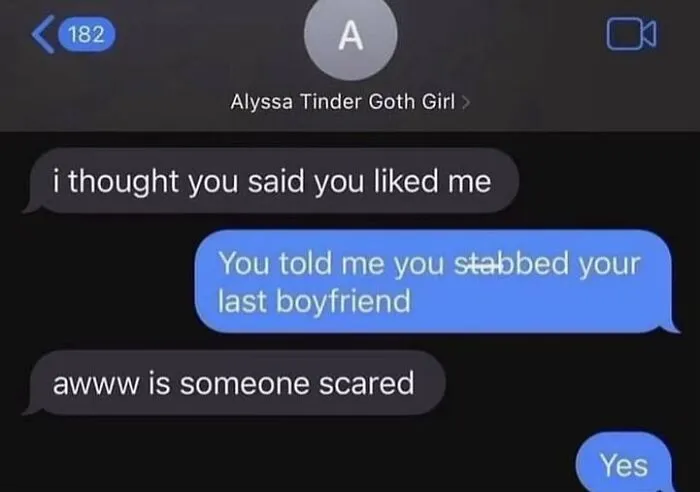
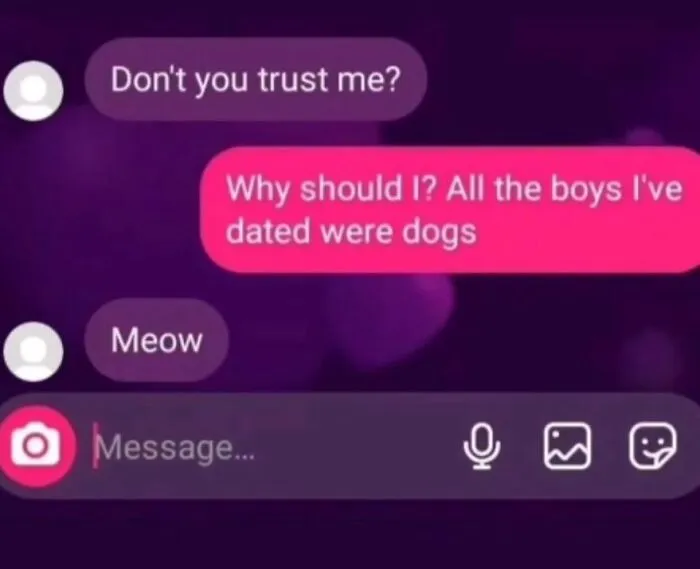
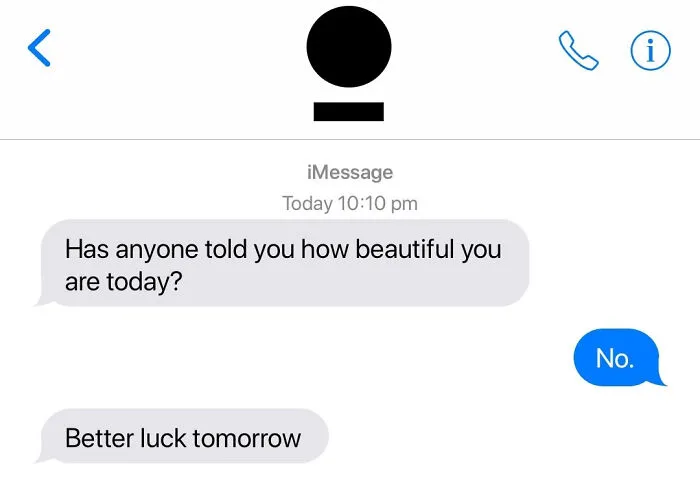
Since then, texting has come a long way. We can now send messages through countless apps, including WhatsApp, Messenger, and Instagram, making it easier than ever to stay in touch.
To put its popularity into perspective, WhatsApp alone handles over 100 billion messages worldwide on a typical day, while global SMS traffic is estimated at around 18 billion messages daily.

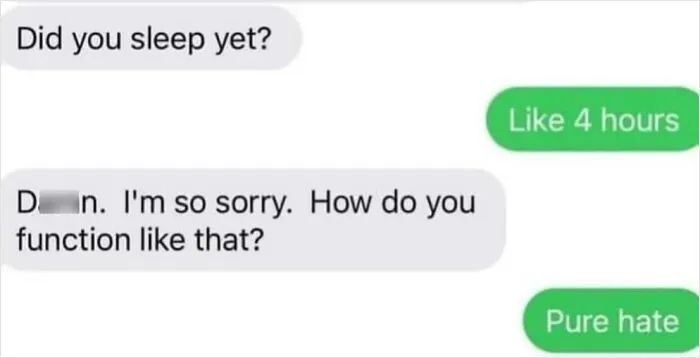
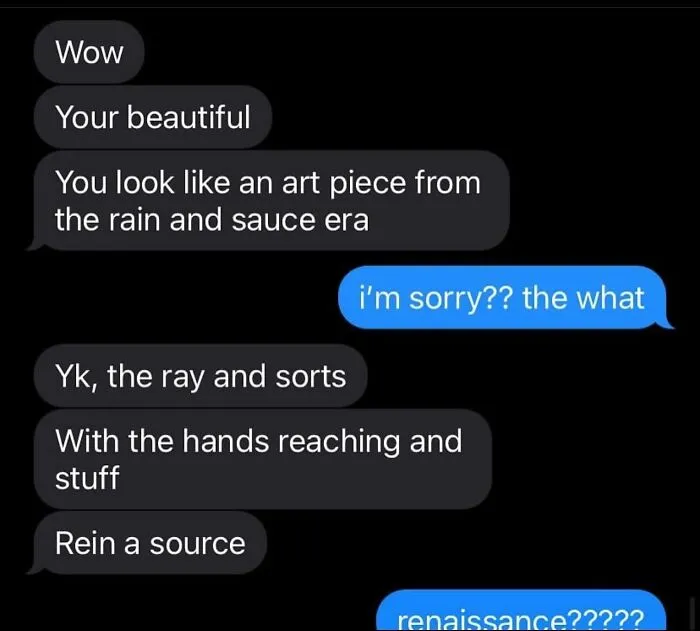
Younger generations seem particularly fond of texting, often preferring it to a traditional phone call. A 2026 YouGov survey found that 65% of Gen Z respondents in Britain preferred texting, instant messaging, or emailing when contacting friends and family.
Only 17% preferred making a phone call, compared to 62% of Baby Boomers. In fact, 69% of young adults keep their phones on silent most days.
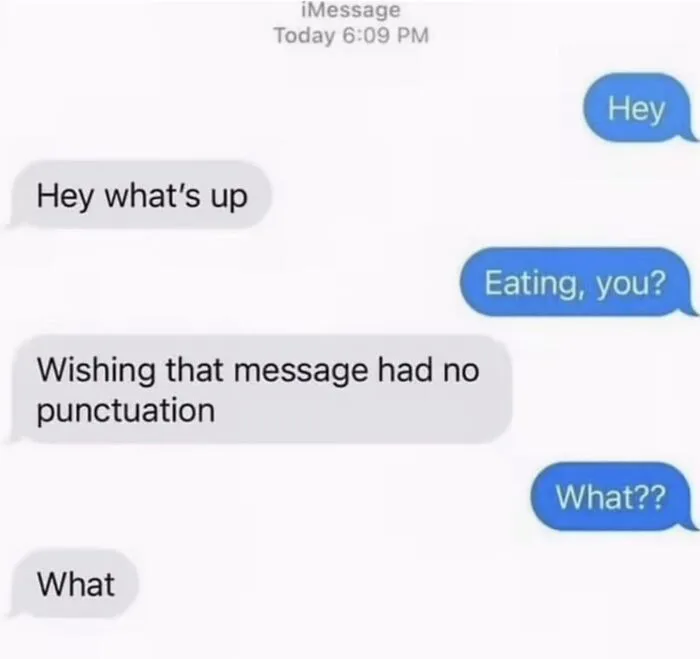
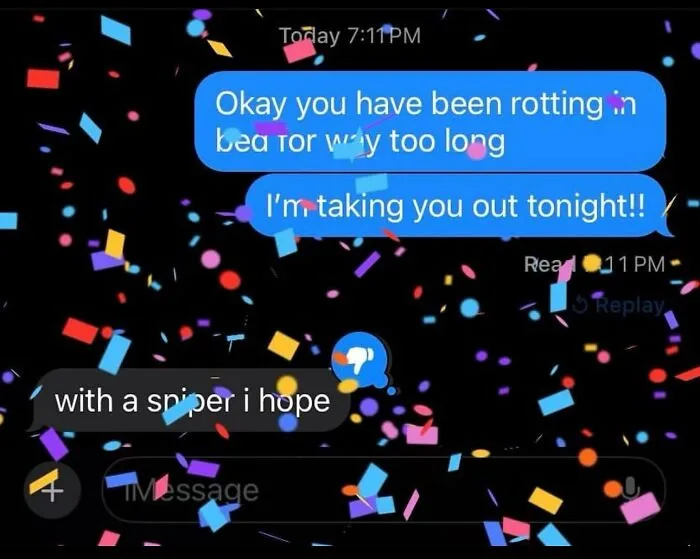
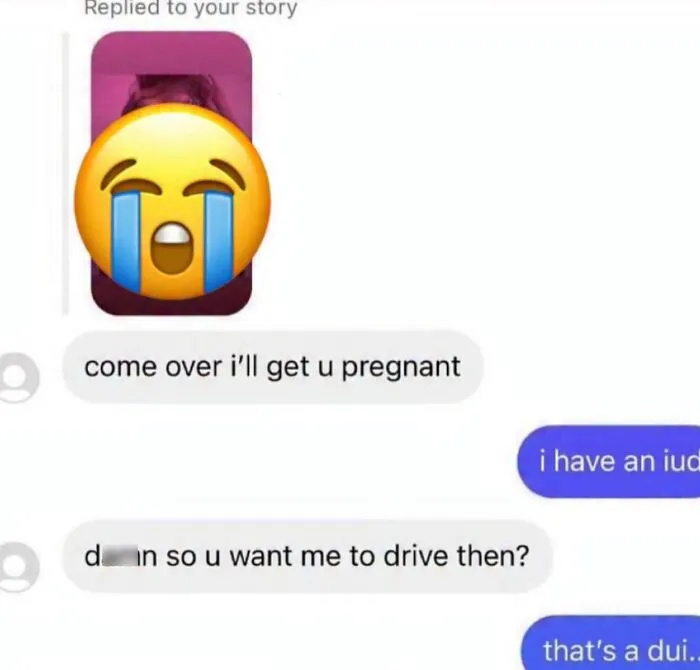
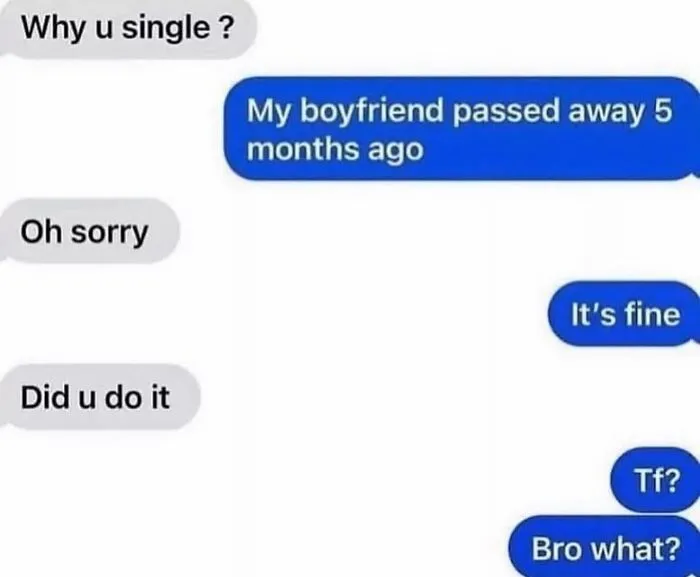
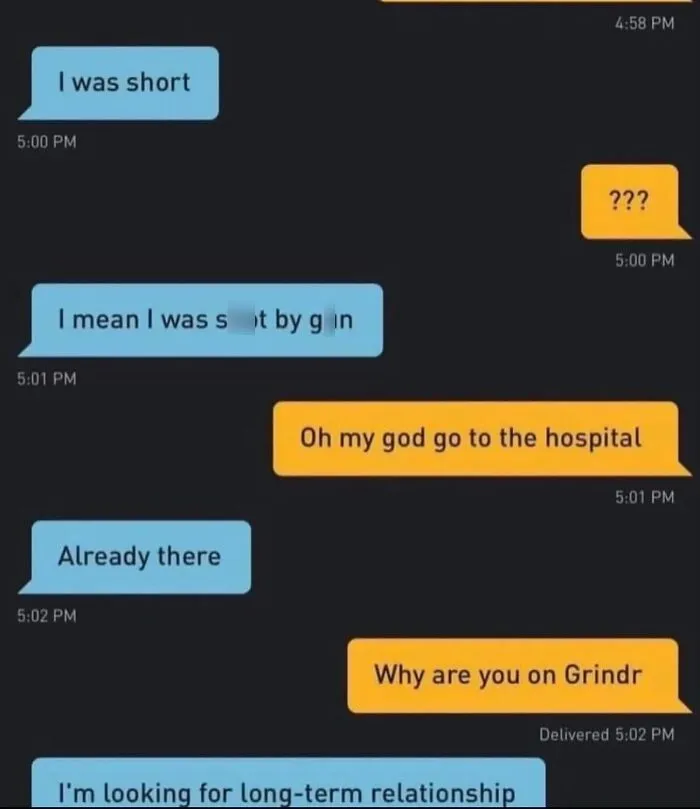
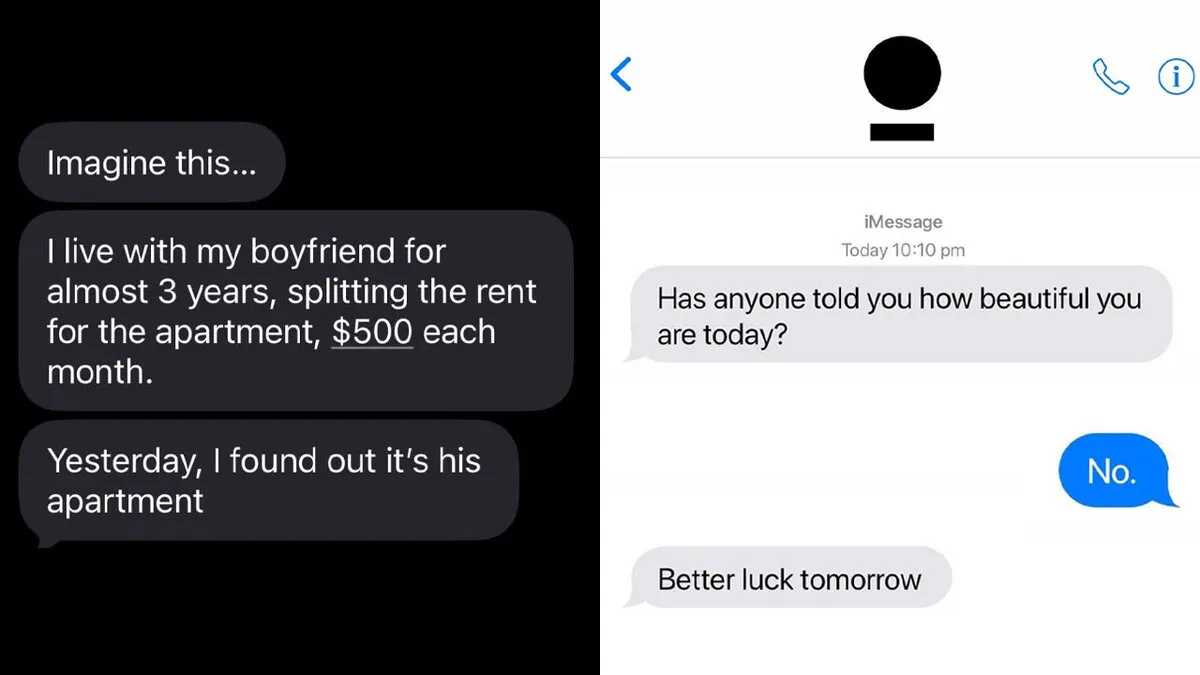
With all those messages flying around, it’s hardly surprising that misunderstandings happen. Even something as small as punctuation can change how we interpret a text.
For example, short messages ending with a period tend to come across as less sincere than those without one. Just think about the difference between “Okay” and “Okay.” Can you feel it?
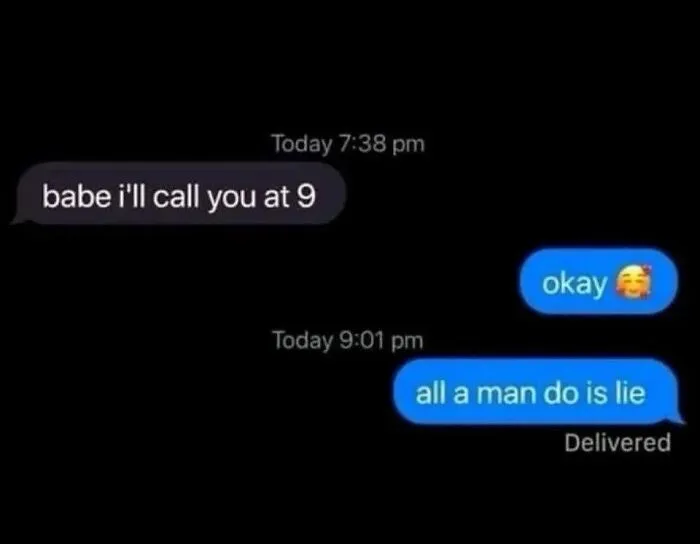
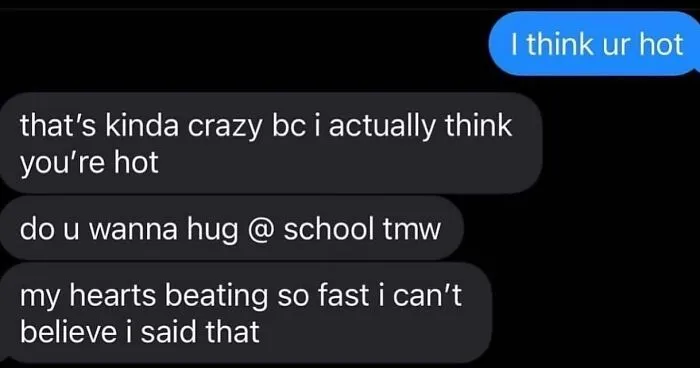
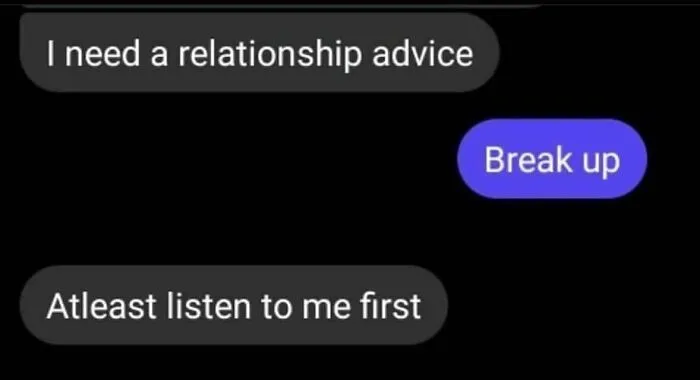
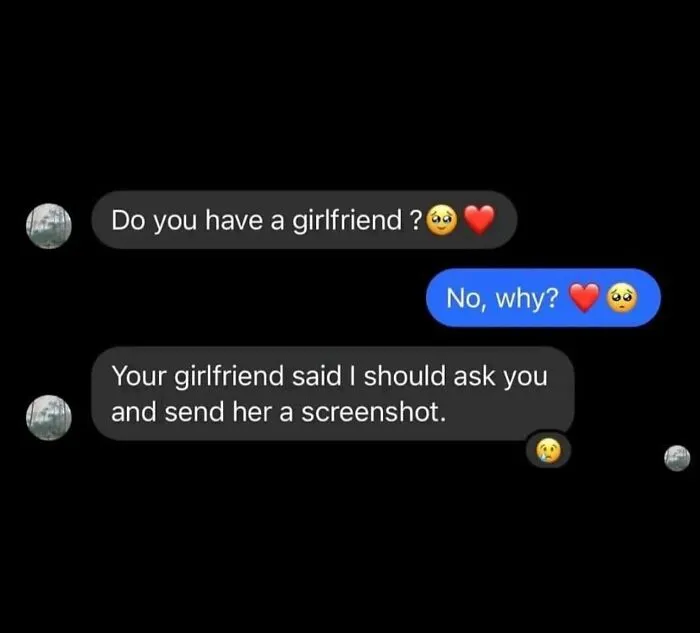
Emojis, with all their different facial expressions and colorful little symbols, are supposed to help us express our emotions more clearly, but they can also leave plenty of room for confusion.
Researchers at the University of Minnesota discovered that people often interpret the same emoji differently. Even the device someone uses can affect how an emoji looks and what emotion it seems to convey. That might explain why a perfectly innocent message occasionally gets taken the wrong way.
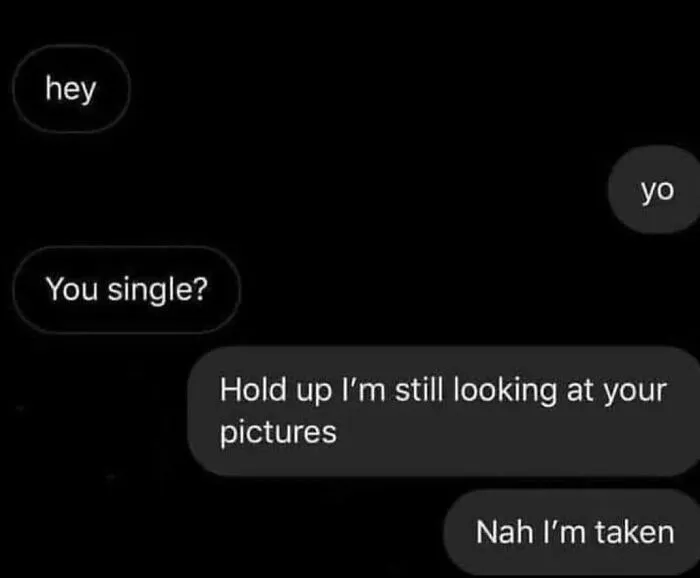
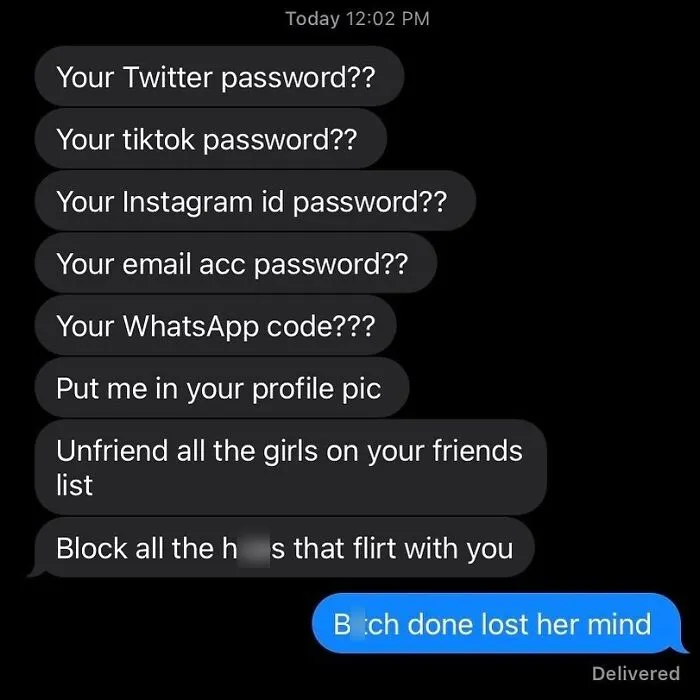
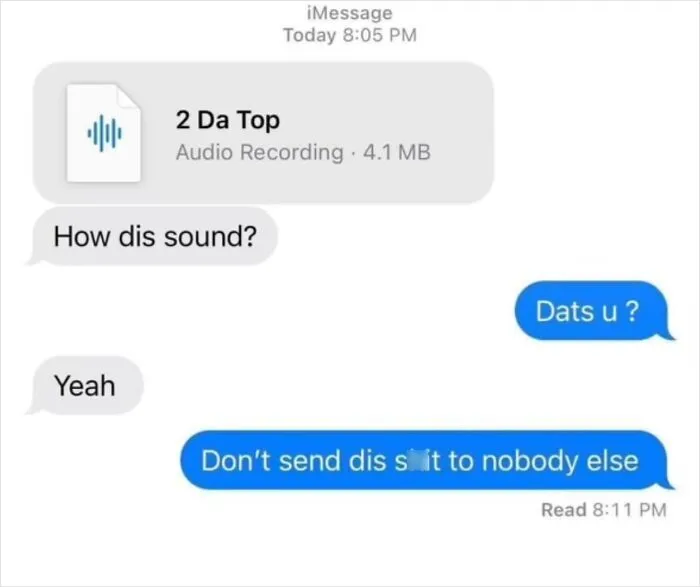
Sometimes, though, the problem has nothing to do with how a message is interpreted. It simply ends up in the wrong inbox.
A 2025 YouGov survey found that 39% of American adults had accidentally sent a sensitive message to the wrong person at least once. Another 17% admitted to making that mistake multiple times, which probably resulted in a few uncomfortable conversations.