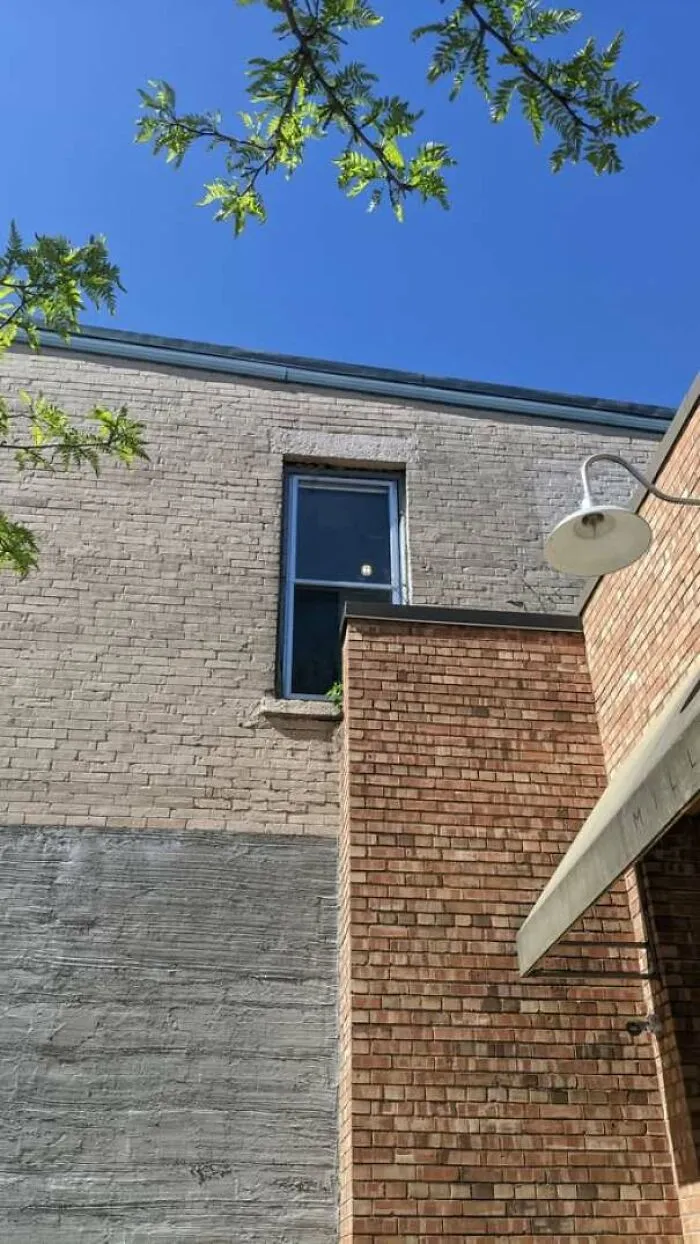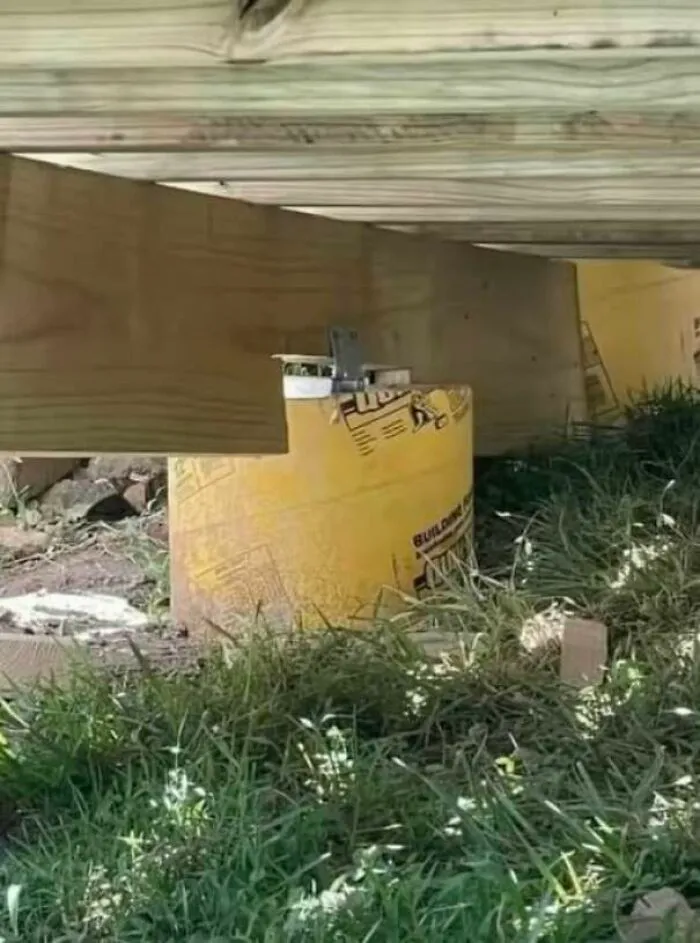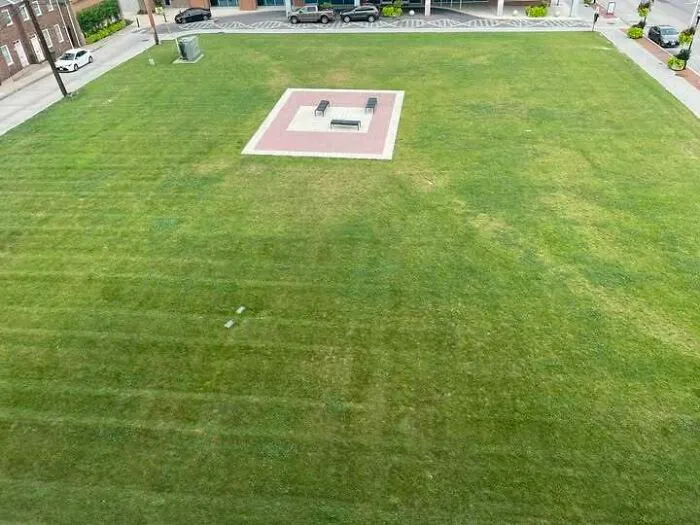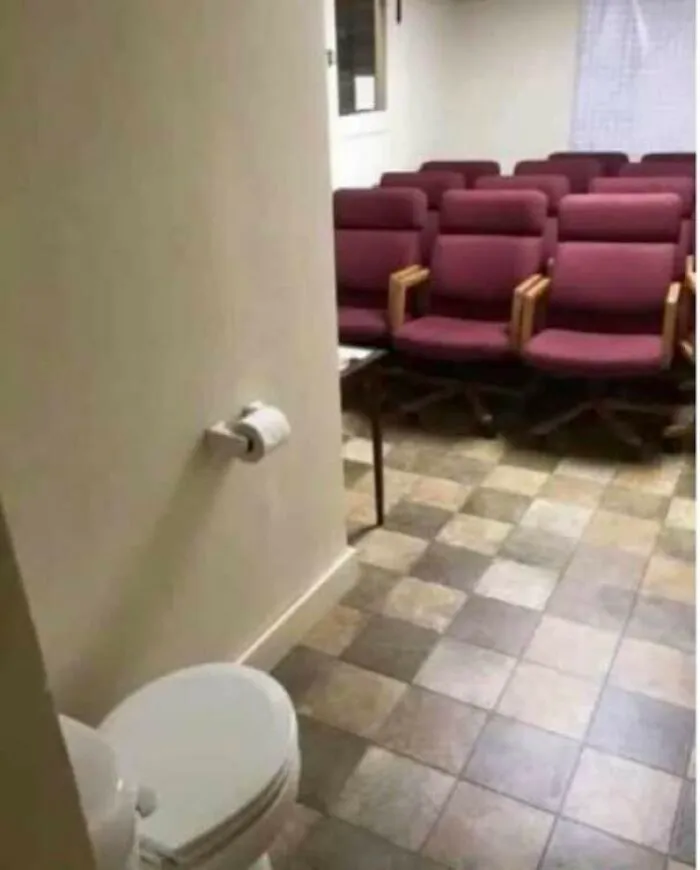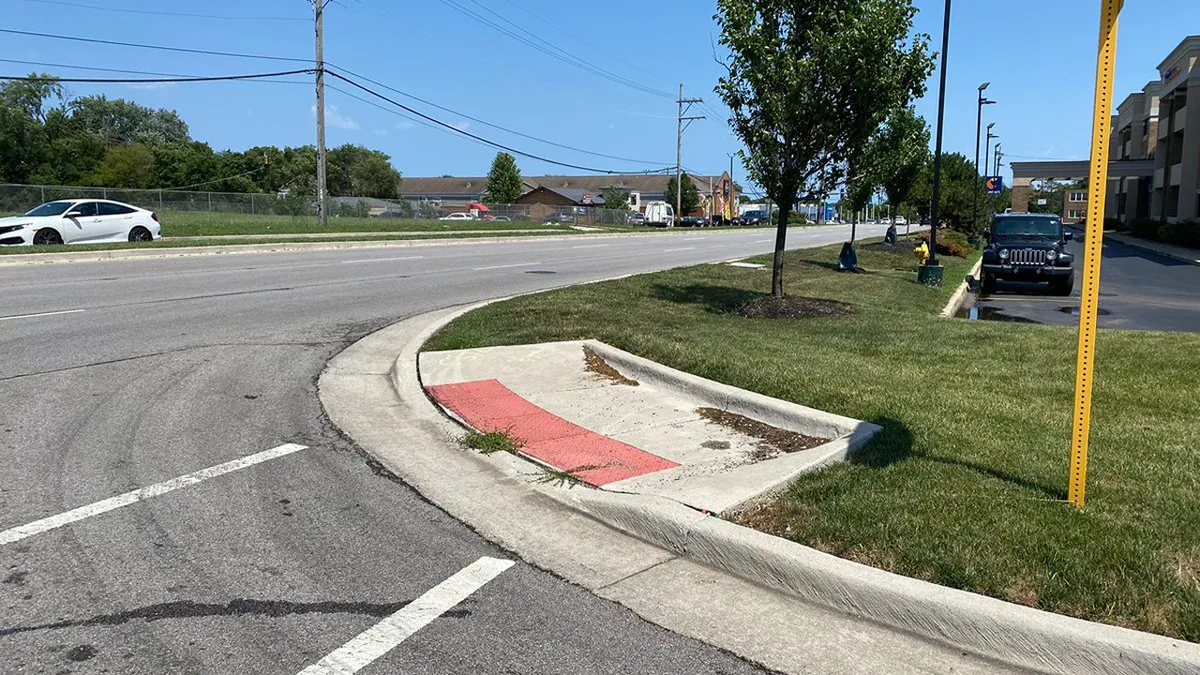


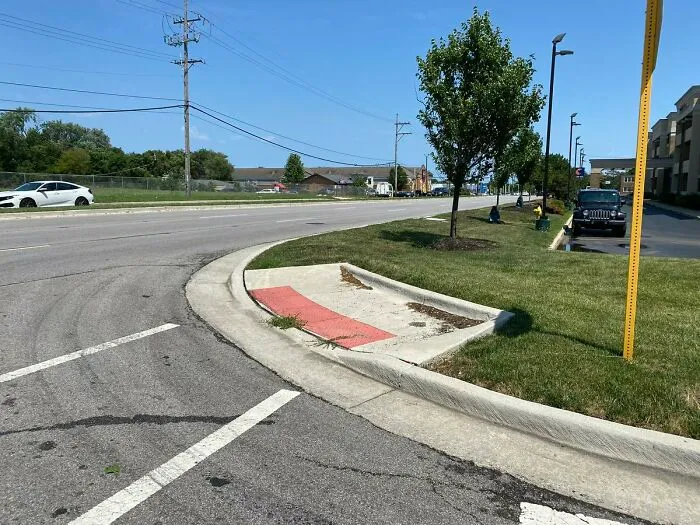


A structure may look impressive on paper, but that won’t matter if people can’t use it. According to UK Construction Blog co-founder Thomas Oldham, one common design mistake is focusing too little on practicality.
“A beautiful staircase can become a daily frustration if it takes up too much space, while a poorly placed door can make moving furniture difficult,” Oldham told Bored Panda. “I have also seen how overlooking storage, natural light, ventilation, and access for maintenance can make an otherwise attractive building less practical.”
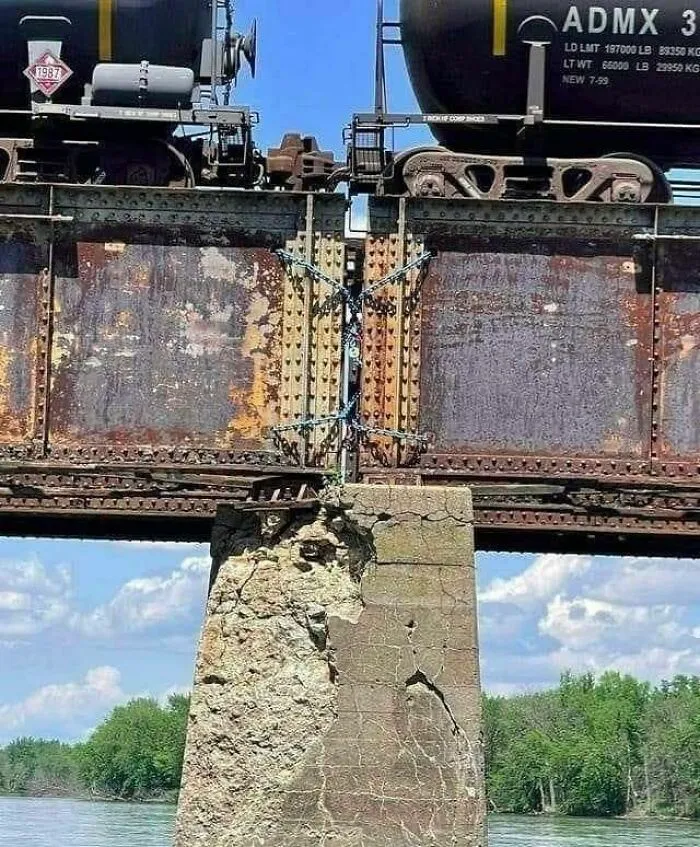


Ben Raabe, CEO of Bella Contracting Services, shared a similar sentiment about the top design mistake everyone tends to make: focusing less on usability. He also added that architects and contractors often fail to collaborate during the design phase.
“Winning a building permit doesn't always prove your design is good. Your project could be the right thing to do on paper. For this reason, clearance and safety analysis are essential before you start. An architect could be changing a wall without informing the plumbers or electricians,” he said.
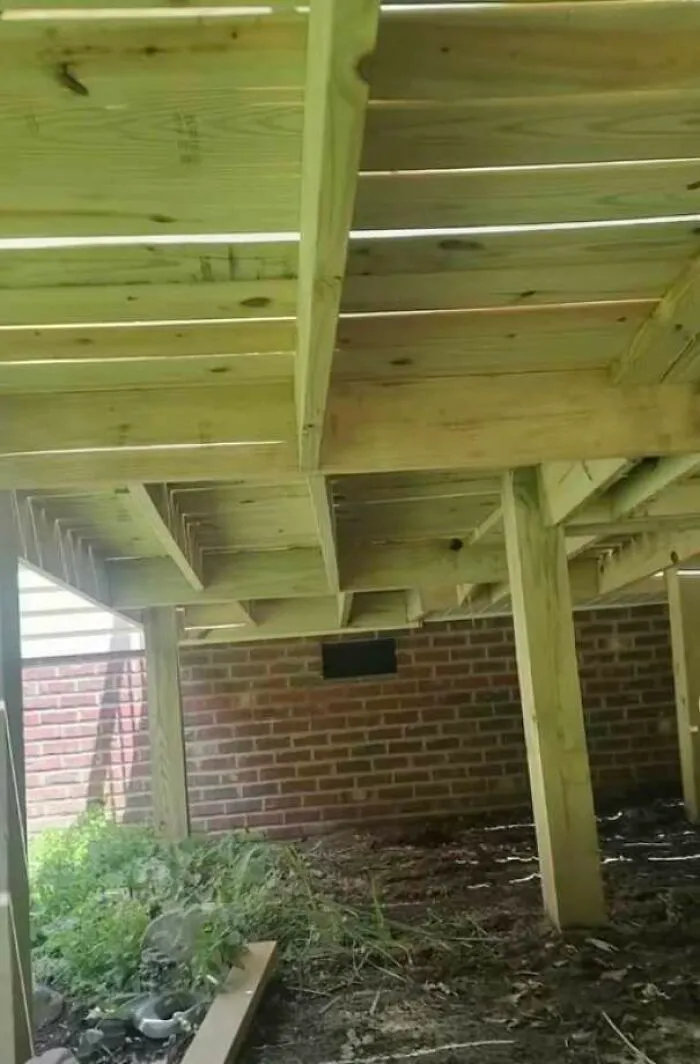
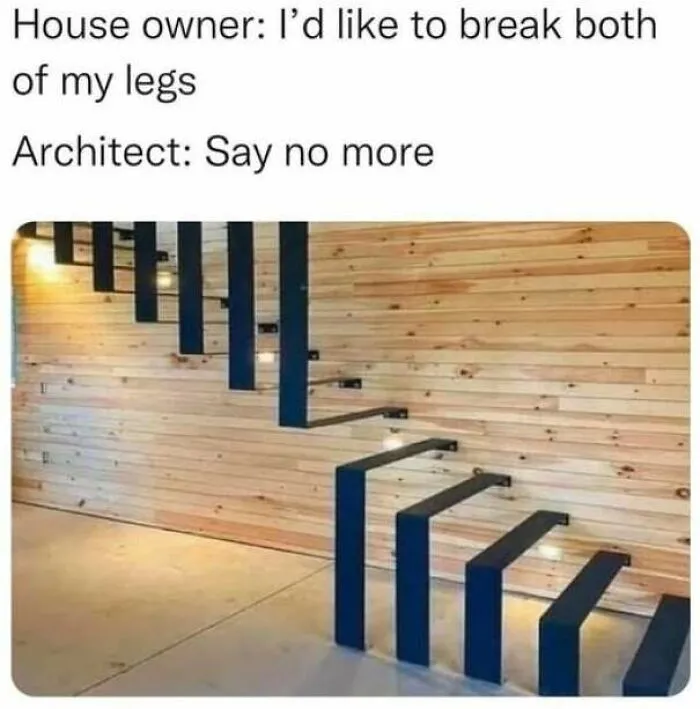
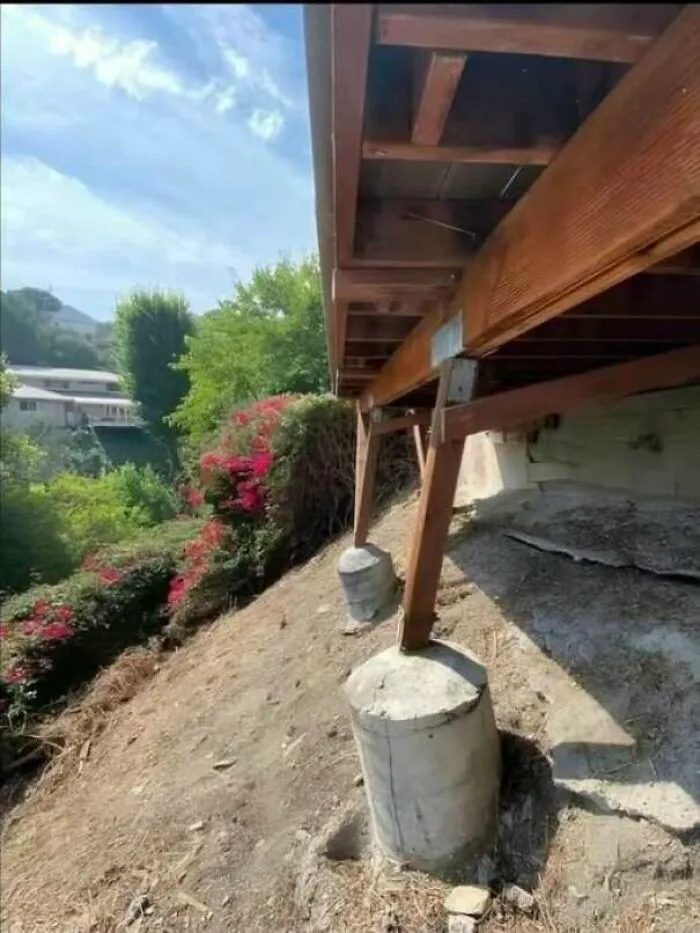
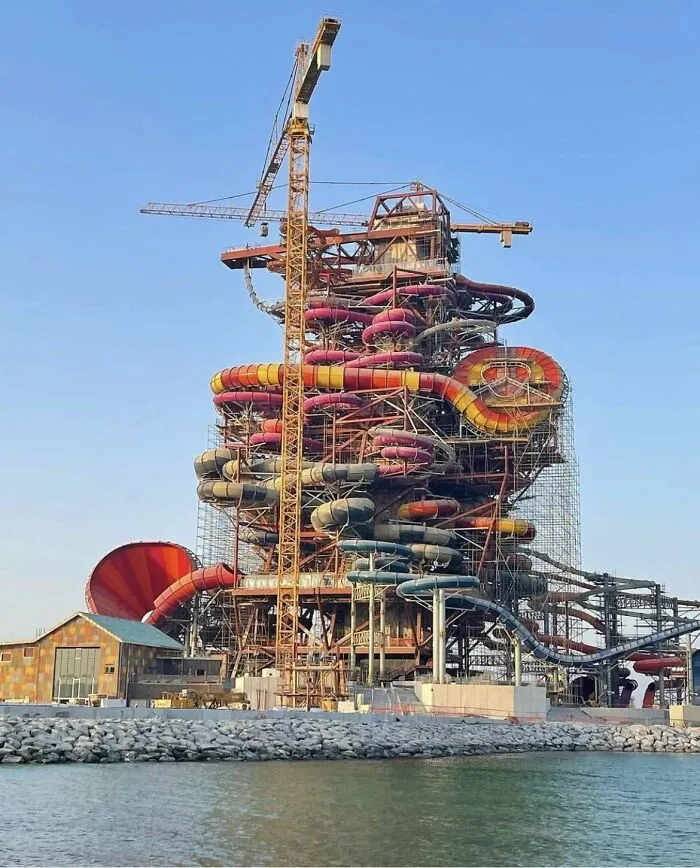
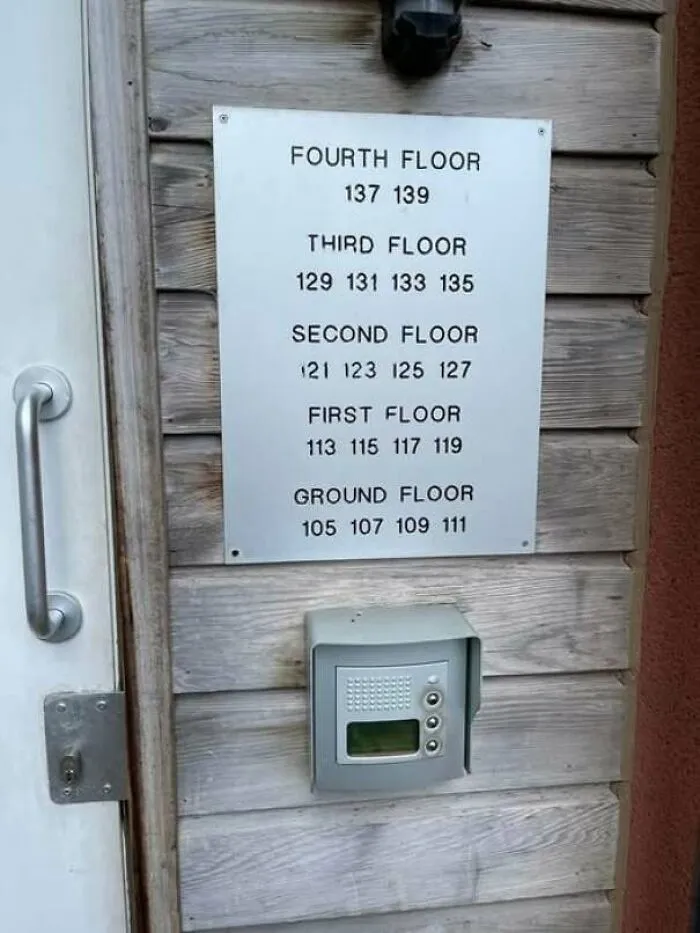
Some of these photos may make you wonder how such poorly thought-out structures got the approval they needed. But as Oldham explains, even subpar work can get the green light from the powers that be.
“Reviews often focus on whether plans meet specific building regulations, planning requirements, and safety standards. A design might satisfy those requirements but still have an awkward layout, difficult access, or inconvenient maintenance arrangement,” he said.
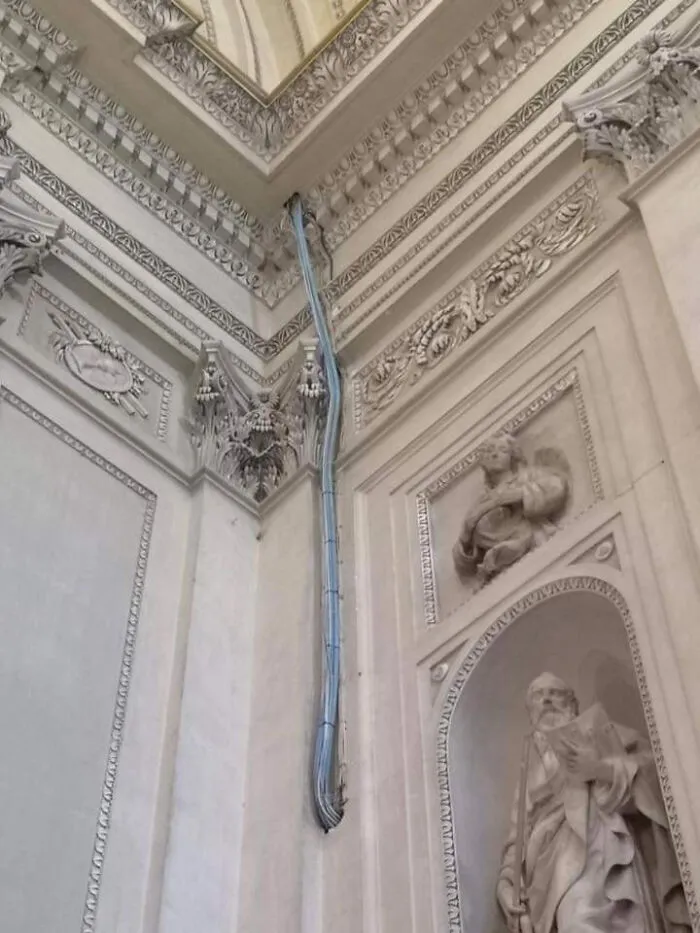
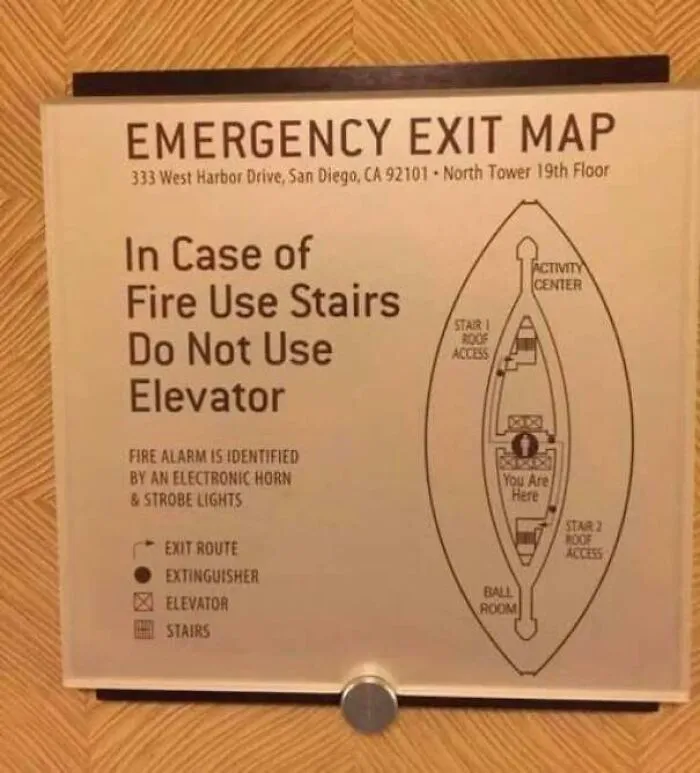

Construction fails can result from several factors. Budget constraints, rushed schedules, communication breakdowns, and deviations from the original plan are just a few.
Oldham says many of these problems can sprout from small changes that aren’t communicated properly. For that, he advises transparency for everyone involved, above all else.

“Have one shared set of current drawings, record every design change, and require the relevant professionals to approve changes before work proceeds,” Oldham said. “Regular site meetings should focus on upcoming work and unresolved issues, not just progress updates.”