




Today, researchers can confidently say that the debate happened because of people's assumptions about illumination. "Color perception depends on the observers' assumptions and beliefs about the scene," a conclusion of one study reads. Essentially, people made their decision based on whether they believed that the dress was in a shadow or not.



Optical illusions can open an interesting and somewhat worrying can of worms: our brains can't always differentiate between reality and illusion. Scientists say that even when we know about the trick behind the optical illusion, we still can't unsee it. "You can't seem to consciously override the 'wrong' interpretation," neuroscientist Judy Gardner told Vox.
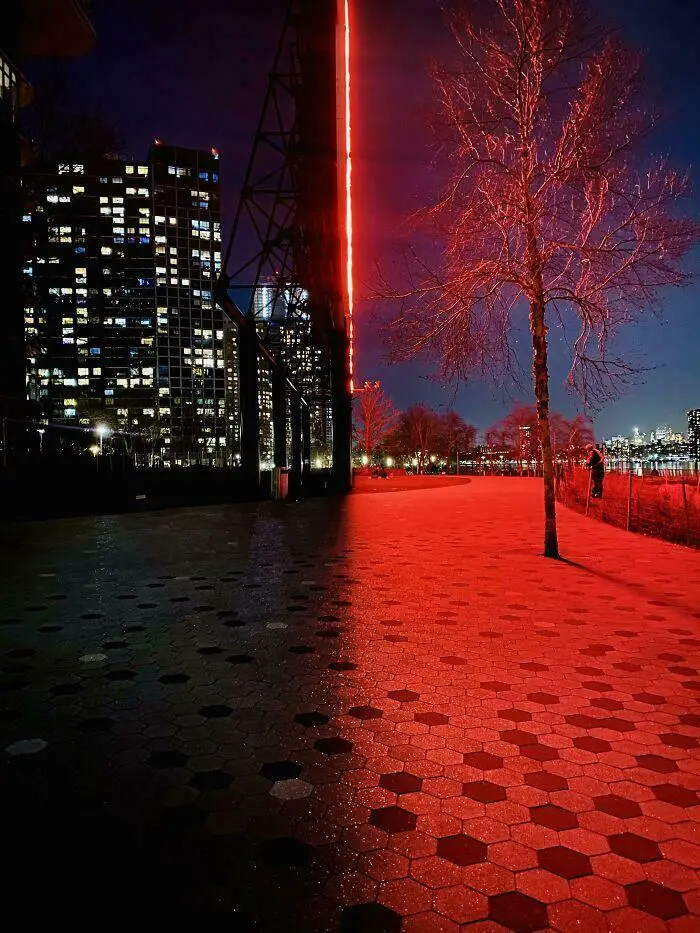


The reality is that our senses lag behind what's really happening at the moment. Our brains make predictions based on the information we have, and that's how we get optical illusions. Neuroscientist Adam Hantman says that our brains predict, and our senses correct. "If you were always using sensory information, errors would accumulate in ways that would lead to quite catastrophic effects on your motor control," he explained.