
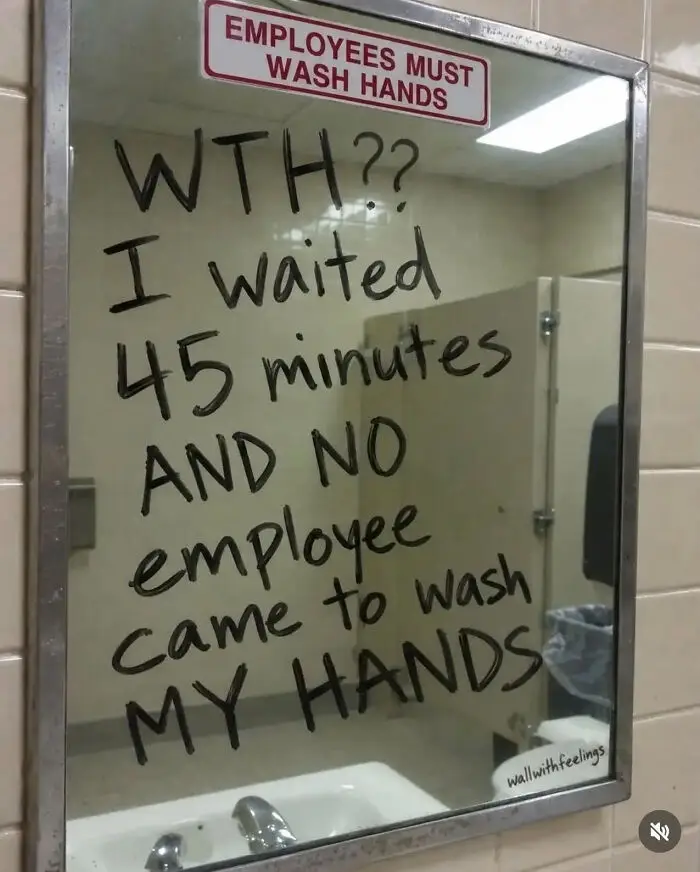
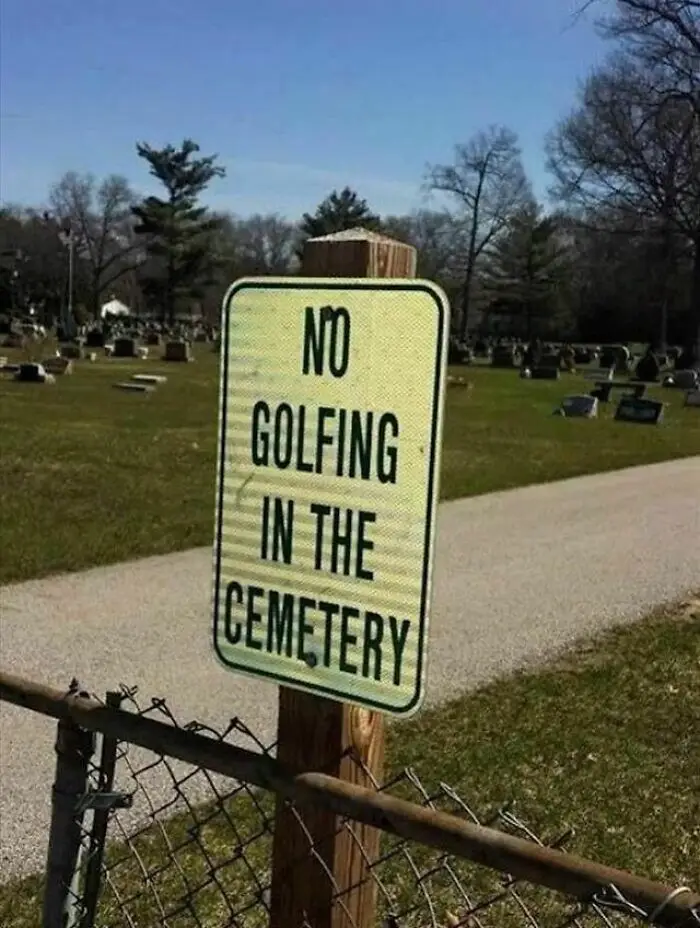
Before a sign can be funny, it has to be readable, and that is where most of the science lives. Researchers who reviewed decades of studies on sign visibility point to strong contrast between letters and background as a major factor, and some city design guidelines they cite recommend keeping messages to eight words or fewer.
A sign only gets a couple of seconds of attention, so big letters, a clear color split and a short message are the unglamorous foundation under every memorable one. Even the silliest sign on this list had to pass that test first, otherwise nobody would have stopped long enough to take the photo.
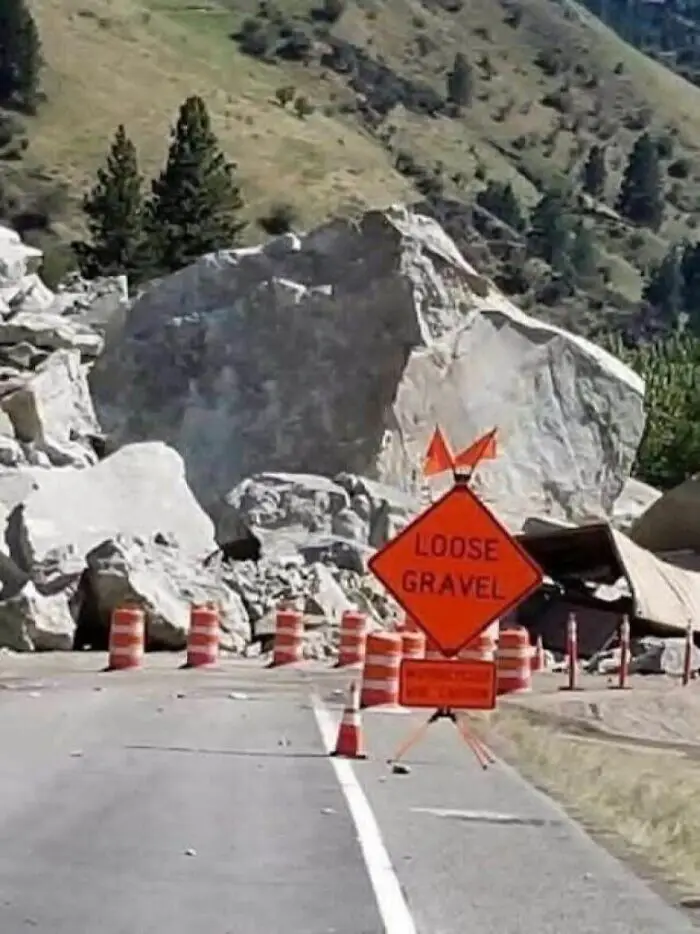
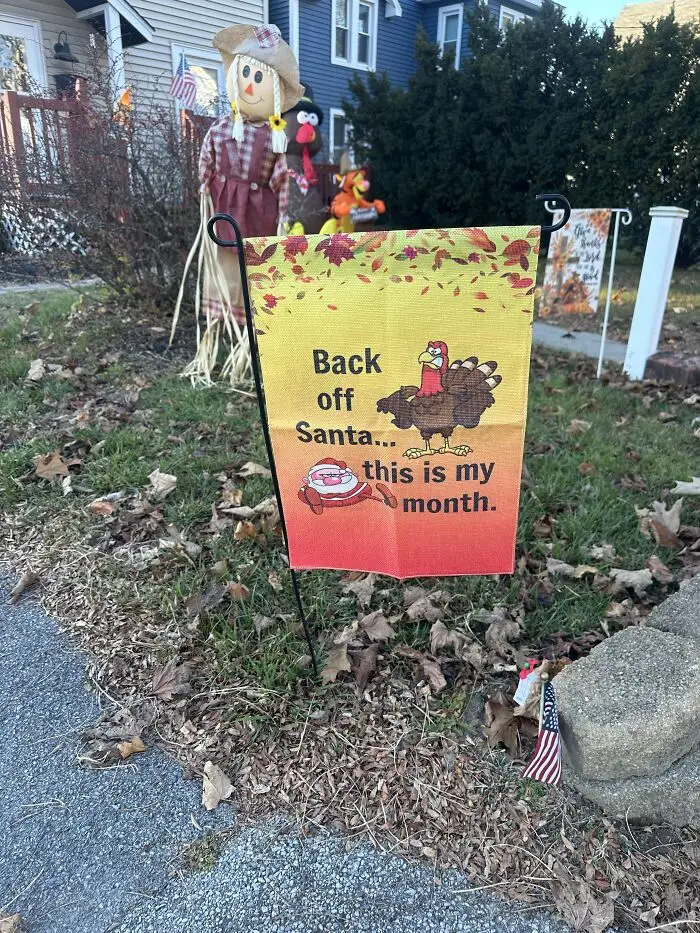
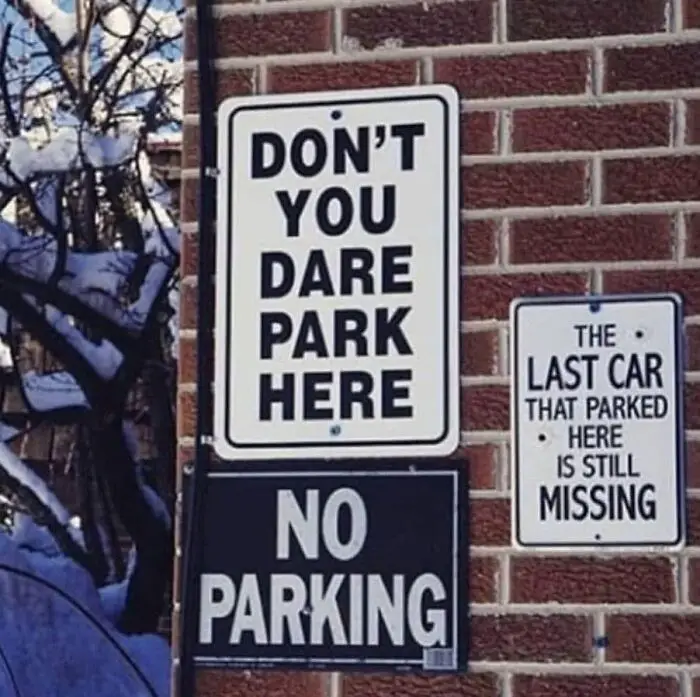
Rhythm helps too, and nobody understood that better than the folks behind Burma Shave. Starting in the 1920s, the shaving cream company posted short messages on a row of roadside signs so drivers could read one line at a time and wait for the punchline at the end. The Minnesota Historical Society notes that early sets did not rhyme, and that shorter rhyming jingles soon followed because motorists could read them more easily.
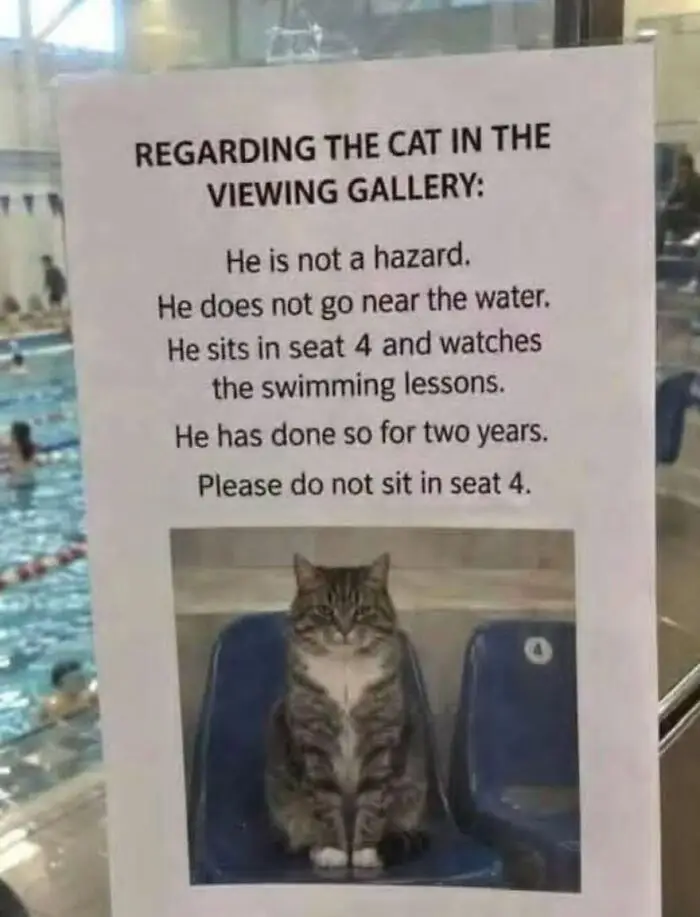
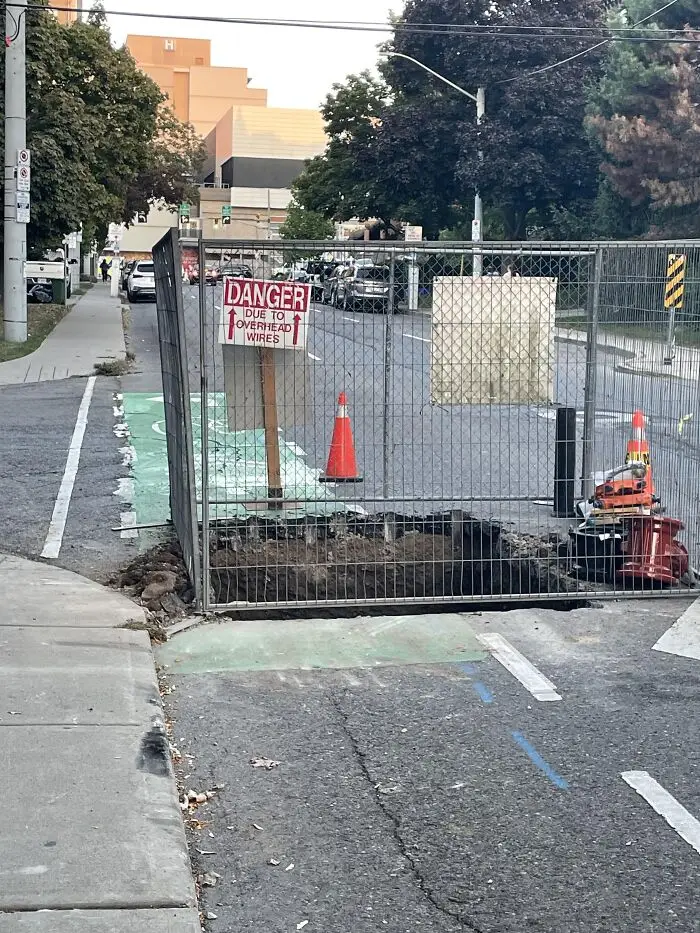
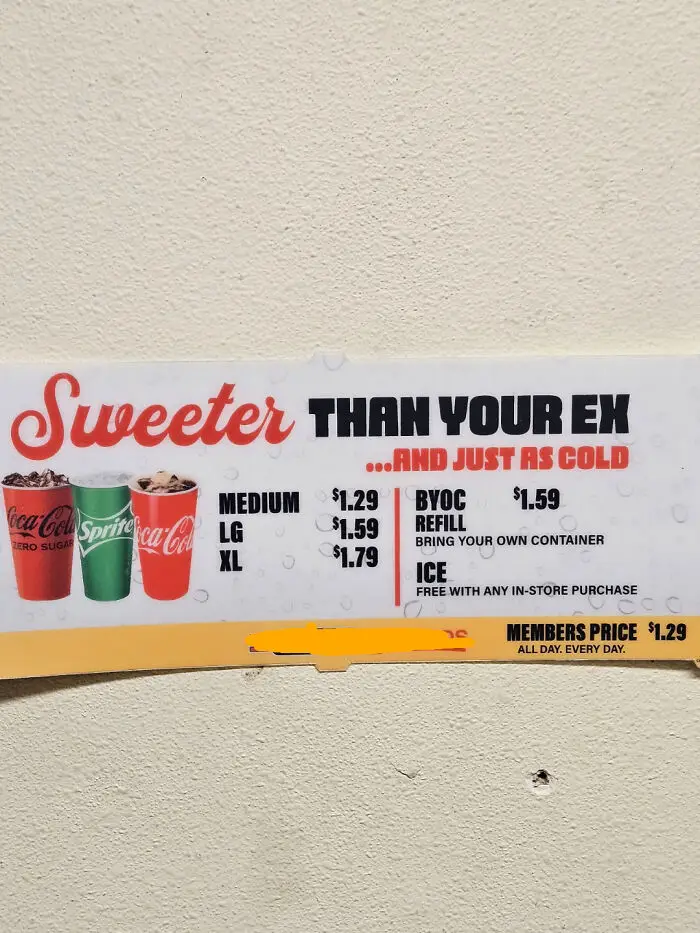
Over 33 years, more than 6,000 sets went up across 45 states, and the company even ran contests that pulled in tens of thousands of entries in some years. Many of those jingles doubled as safety reminders, including one nudging drivers to be alive when they arrive. Suspense, rhyme and a payoff turned a stretch of highway into entertainment.
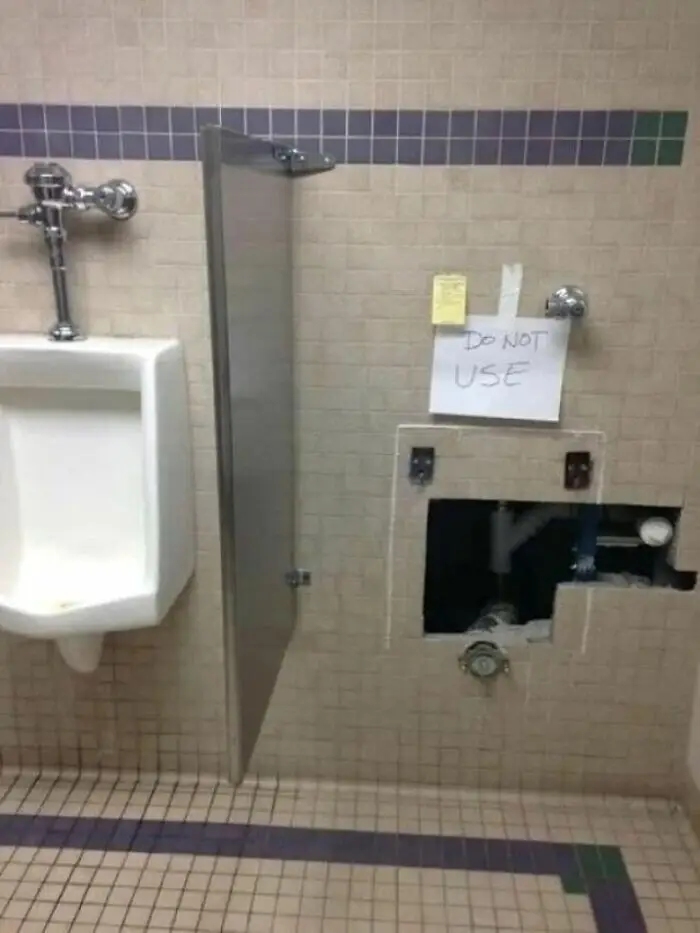
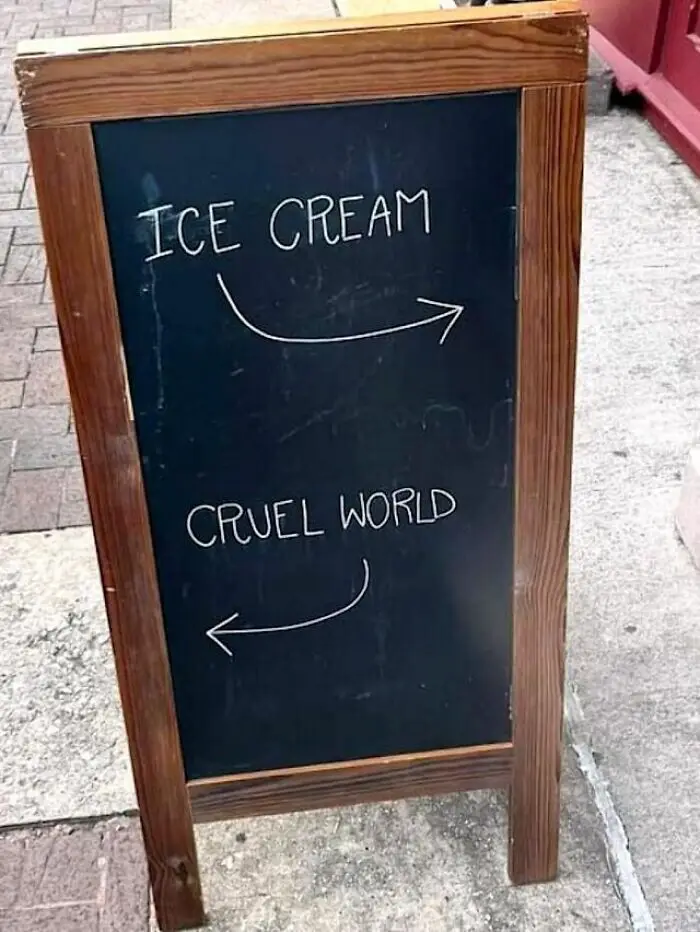

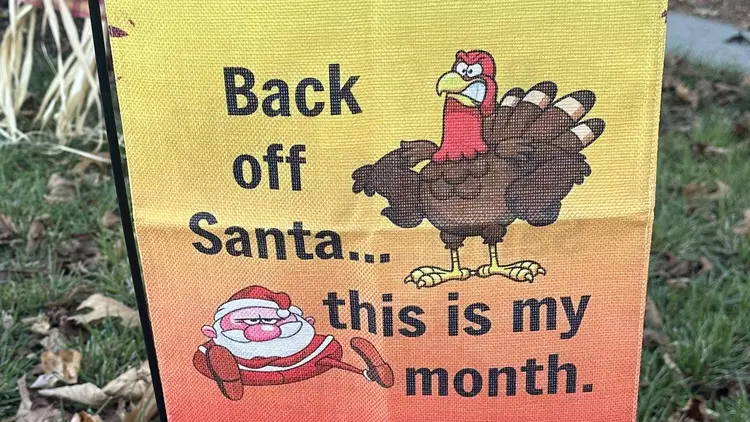
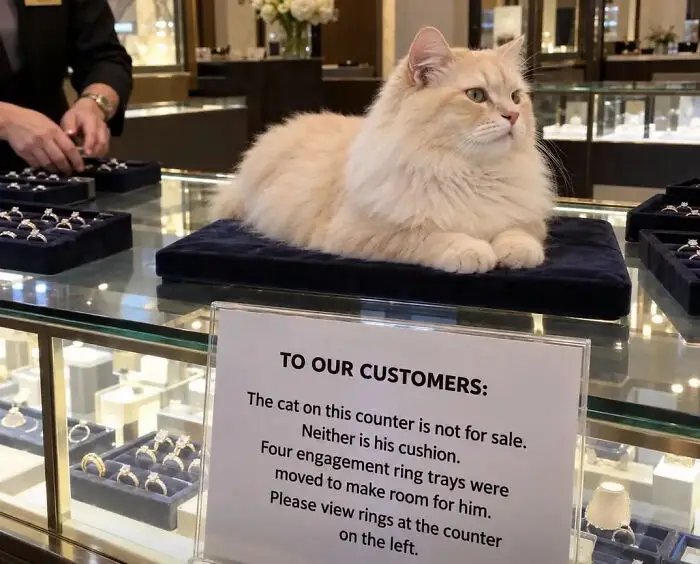
Then there is the sweet spot between wrong and harmless. Psychologists Caleb Warren and Peter McGraw, who proposed what they call the benign violation theory, argue that something strikes us as funny when it seems wrong but also feels safe. Signs are practically built for this. They are supposed to be calm, official and a little dull, so when one pleads with the neighborhood about something wildly specific or states the obvious with total confidence, our brains notice the gap between the serious format and the strange message. Nobody is harmed, which means we are free to laugh.
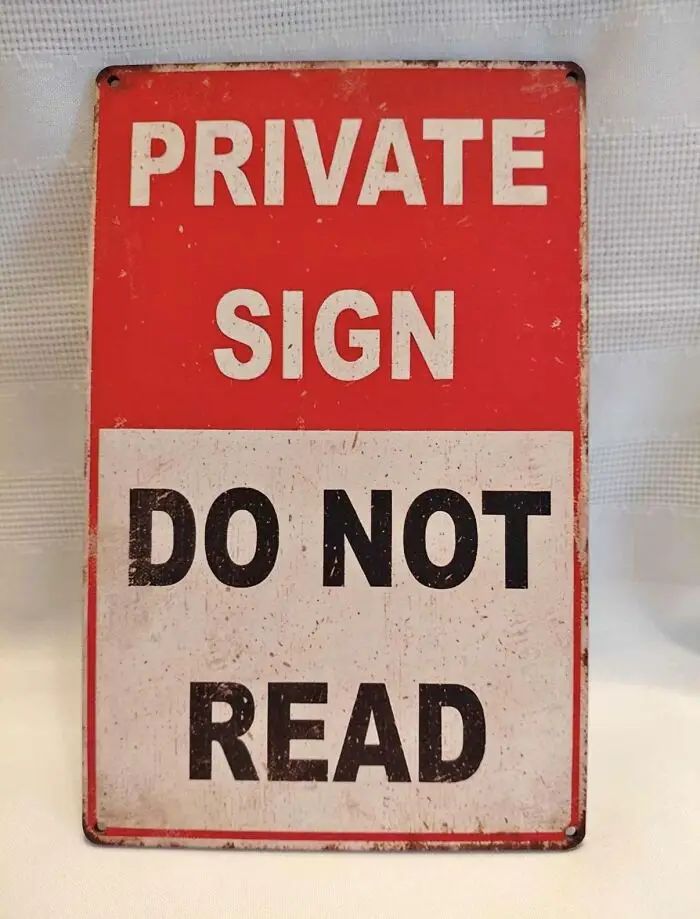
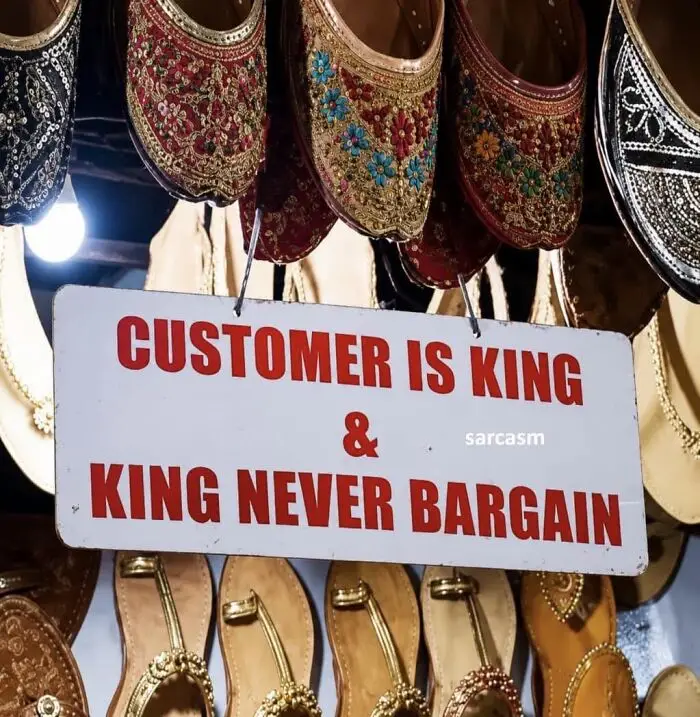

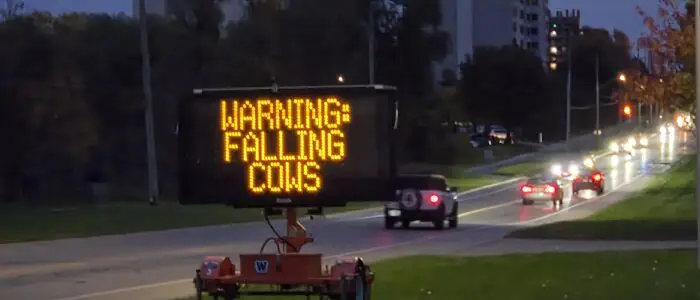
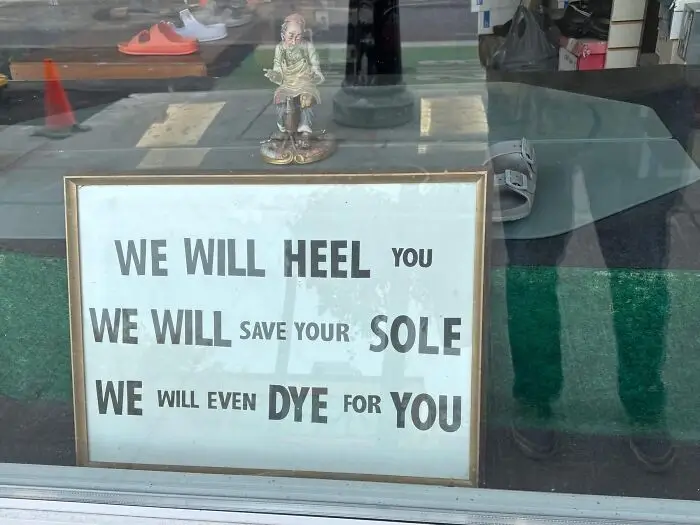
Wordplay is another reliable hook. When Virginia transportation officials tested clever highway messages, the study covered by NPR found that humor and wordplay generated the most brain activity, while sports references were understood less often by about 10 percent of the participants.
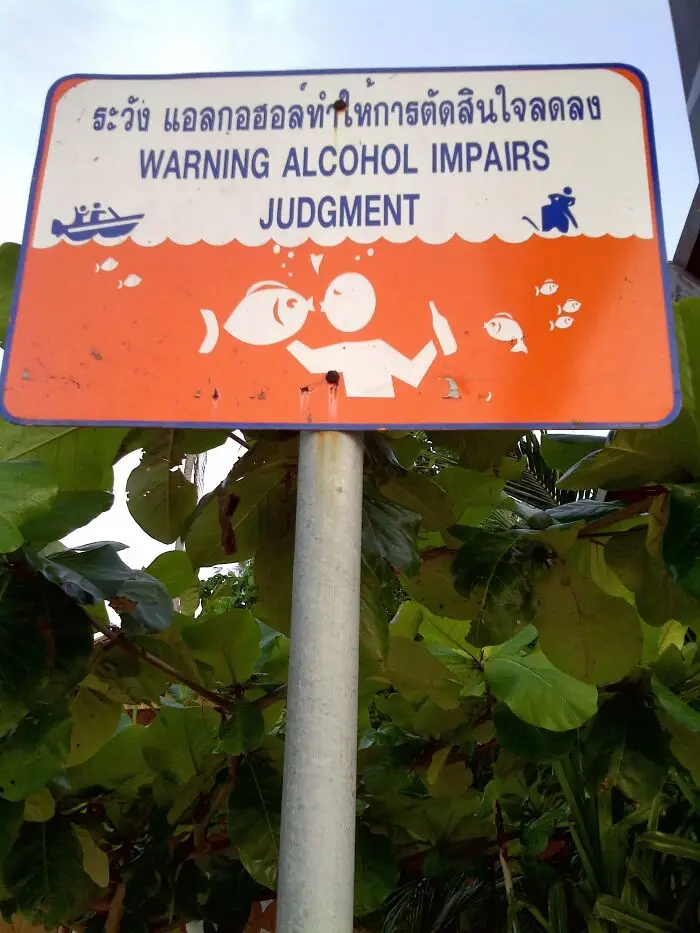
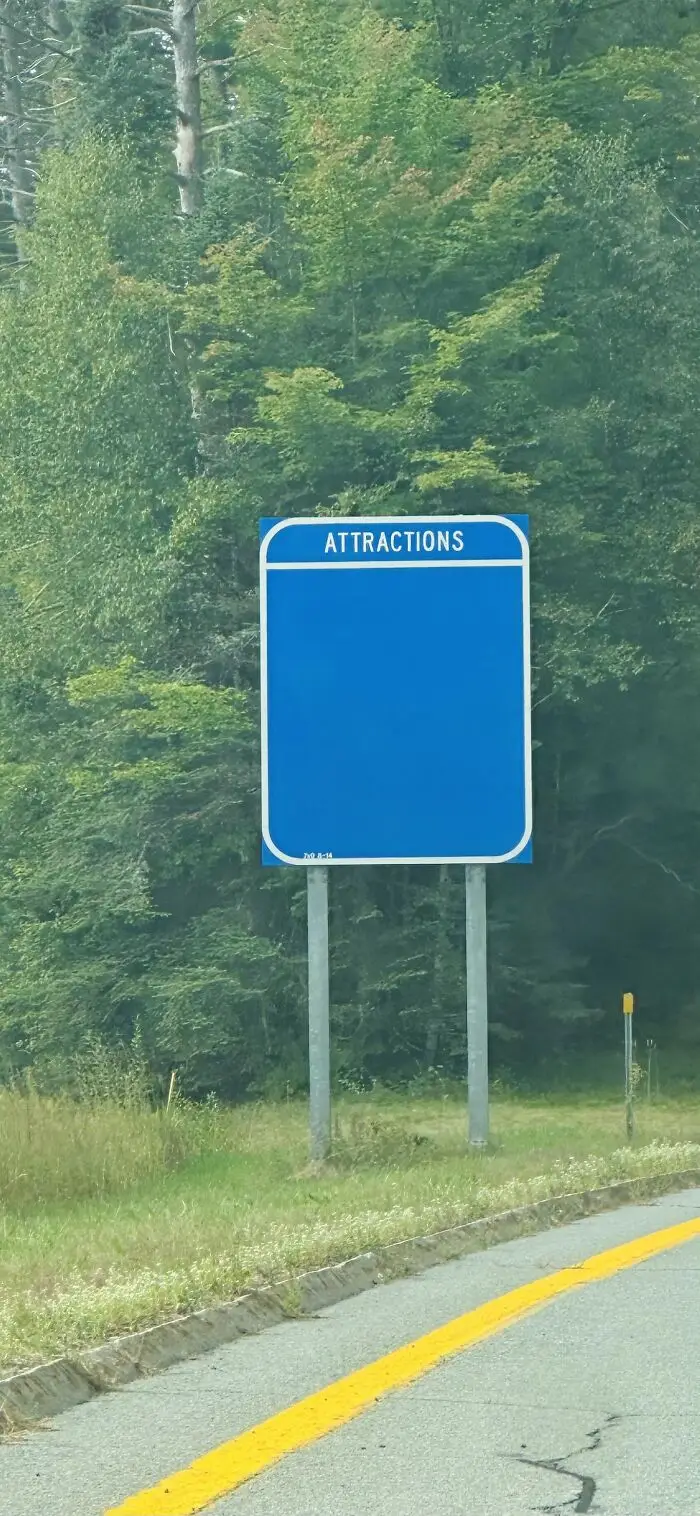
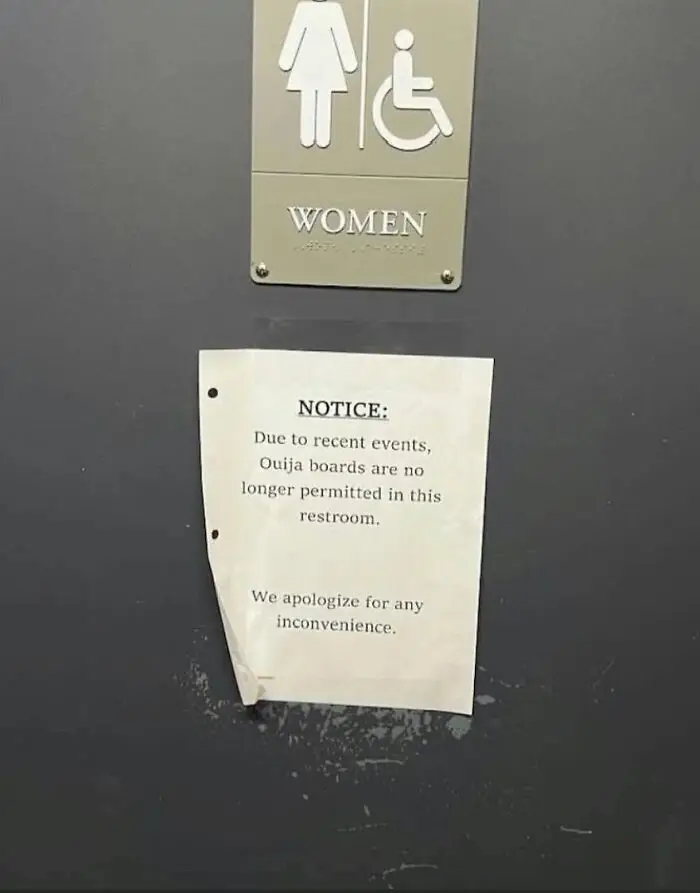
That last detail is a useful reminder that a joke only works when the reader is in on it. Federal highway officials made a similar point when they issued guidance recommending that states steer clear of humor and pop culture references on electronic highway signs, since drivers who miss the reference may end up puzzled instead of amused. A great sign respects its audience by making the joke easy to catch.