



When we look back nostalgically, the reconstructive process of memory skews positive, and we tend to think about very general periods as opposed to particular details, naturally painting our memories with a very broad brush which glosses over the small negative details. This is why college memes work so well even for people who had genuinely difficult experiences during those years. The memes capture the universal struggles and triumphs while allowing each person to fill in their own rose-tinted specifics. You might not remember the actual stress of that organic chemistry exam, but you remember the camaraderie of suffering through it with your study group.

The relatability factor is huge too. Research shows a considerable proportion of college participants (79 percent!) and adults experience nostalgia on a weekly basis, which means there's a massive audience primed to engage with college content. Even people who are decades removed from their graduation can instantly understand the feeling behind a meme about checking your bank account after a weekend out or the existential dread of registering for classes.
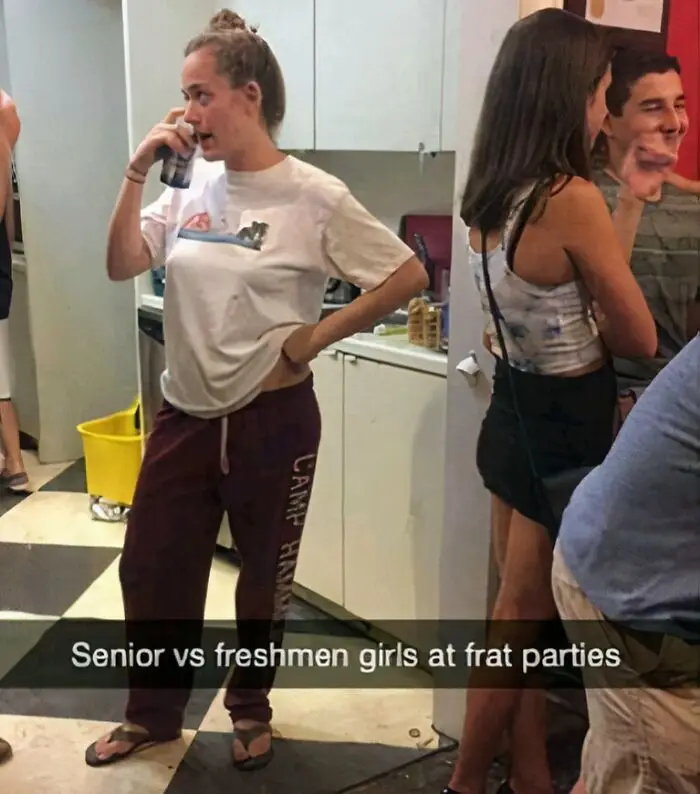
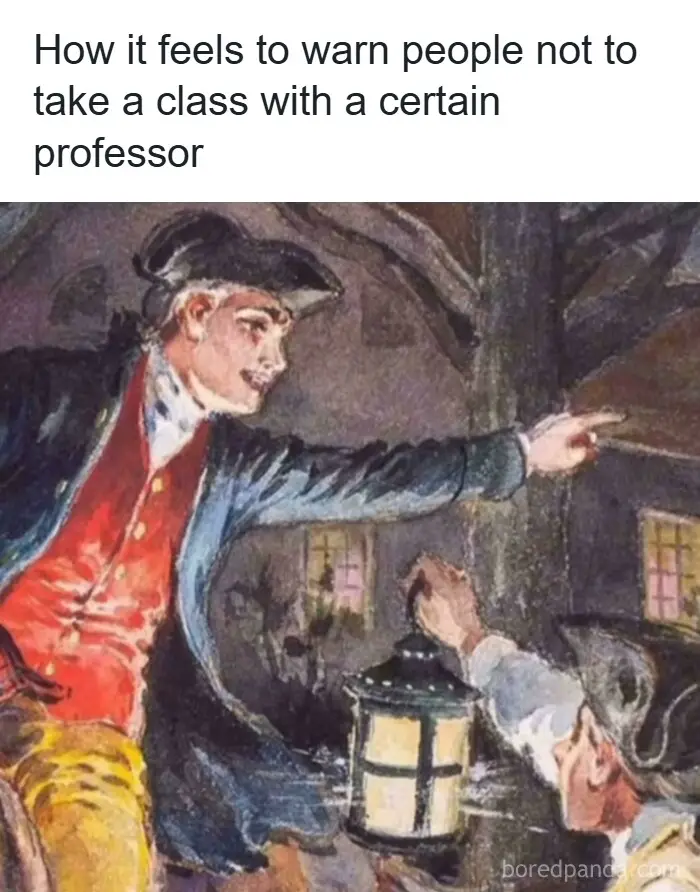
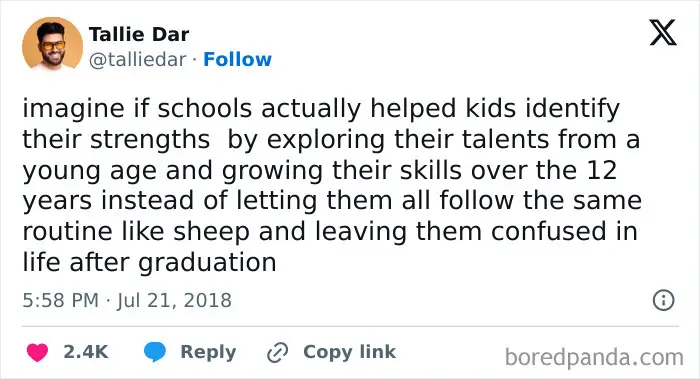
There's also something inherently funny about looking back at how seriously we took things that seem trivial now. Adults can laugh at college stress memes because they have the perspective to know that yes, that paper felt like the end of the world, but it obviously wasn't. The humor comes from the combination of genuine empathy for past struggles and the relief of being on the other side of them. It's why posts about dramatic roommate conflicts or dining hall food get thousands of shares from people in their thirties and forties.

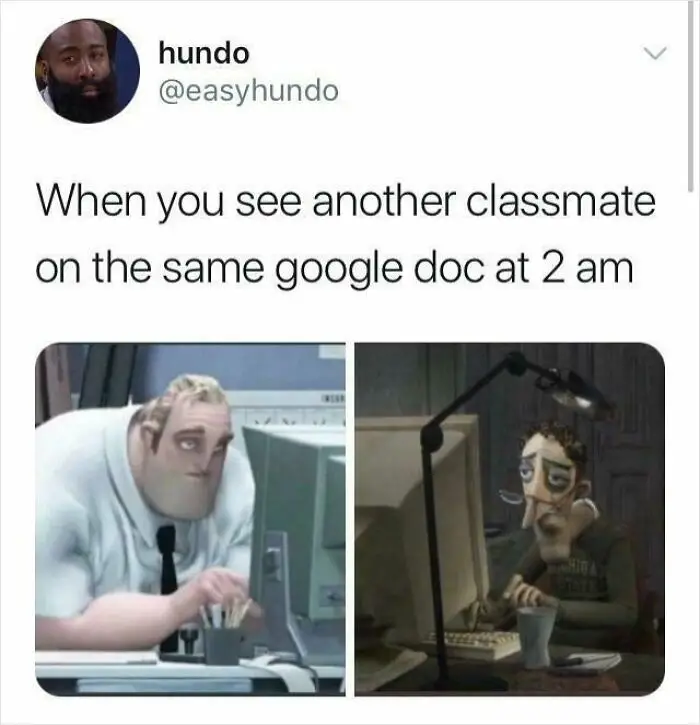

Finally, college culture has a timeless quality because the fundamental experiences remain similar across generations. The technology changes, the slang evolves, but the core experiences of academic pressure, social navigation, identity formation, and questionable life choices remain remarkably consistent. A meme about procrastination hits just as hard for someone who graduated in 1995 as it does for someone graduating next year. That universality keeps the content fresh and relatable no matter how long it's been since you last set foot in a lecture hall.