


“Then look at the rest of your money; how much do you need to eat, get around, have some fun, and save for your future? Set up separate accounts for these. Look at them once a month. Was that enough? Was it not enough? What should I change for next month? Things change, so remember that your finances will change, too. You can stay on top of the dynamics of your finances with a simple system of accounts (or envelopes if you prefer to work in cash, which almost no one does) that you get to know monthly,” Julia suggested.
“Remember that there are some things that come up once a year (maybe car or property insurance, certain types of bills, special events where you just spend more money) and that those are the ones that mess up your system the most. Planning ahead for these with a little bit of your regular pay to a savings account or two focused on those kinds of expenses helps so much.”
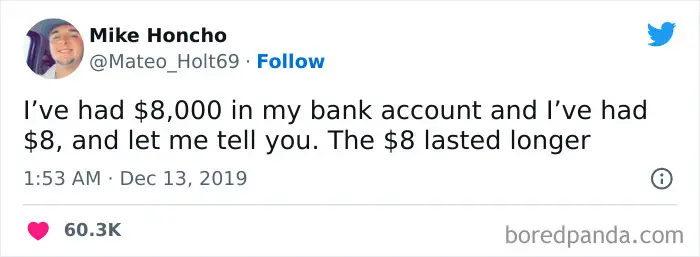
Secondly, the personal finance expert emphasized the importance of creating a safety net. “When you can, start an emergency fund. If you're living pretty tightly, an emergency fund can feel like an incredibly lofty goal. It is one of those things that vastly improves your financial confidence and feelings of security, however.
"If you know that you have 3-6 months of expenses socked away in savings, you'll be okay when you're surprised with a bill you didn't expect, when you really want to walk out on that job where they treated you so badly, when you have a sudden breakup and need a place to stay, and so much more.”

“When you've got the above two sorted out and feeling good, it's time to think about your future,” Julia said. “You're not behind other people if you haven't got a house, a car, or a retirement fund. Whatever they're doing is whatever they're doing and they might be lying about it. It's not your problem.
“Shame is one of the things that gets us in the most trouble when it comes to money. If you can light that shame on fire and instead focus on spending the way that makes sense for you, creating short-term security in an emergency fund, and then thinking about the kind of future you want, and how you're going to get there, you're way ahead of most people.
“Whether that future means a retirement fund, or a house fund, or an education fund, or a travel fund, or learning how to invest for the first time, or buying some more security with personal insurance, or getting a will in place, or something else entirely, all of these are a great start. You'll be able to think more clearly about #3 when you've got #1 and #2 in hand,” the personal finance specialist pointed out.