



This post may include affiliate links.


While someone laughing at questionable things might seem strange from a distance, sometimes we just can't help it.
According to Michiko Kimura Bruno, M.D., laughter may have evolved as a release of tension, signaling that danger has passed and promoting a sense of social safety.
"Most humor follows a similar pattern. We build a mental model of what is happening, only to have that model suddenly overturned. A joke creates an expectation, then violates it in a surprising but harmless way. That contrast makes us laugh," Bruno says.
Comedians, screenwriters, and literary scholars have described many joke archetypes: misdirection, incongruity, false alarm resolution, superiority, and social bonding. But beneath these different forms lies a common structure: tension followed by release.



Some neurologists have proposed that laughter may have evolved as a signal of "averted danger." When something initially appears threatening but turns out to be harmless, laughter communicates that realization to others: "False alarm." "We are safe."
There has also been speculation that the human smile may have evolved from an aborted threat display. A primate encountering another primate may initially bare its teeth as a threat gesture but stop midway upon recognizing a friend rather than a foe. This might be why we show our teeth when we smile.




Bruno highlights that laughter even precedes language. "By six months of age, infants are engaging in rich social interactions with caregivers, including eye contact, smiling, giggling, and playful exchanges. These interactions promote bonding, are associated with oxytocin release, and help synchronize emotional states between parent and child. Such early social experiences help shape the developing brain, laying the groundwork for emotional regulation, resilience, and social competence."
The doctor says that laughter may also enhance cognition and neuroplasticity. "Processing humor is cognitively demanding. It requires the brain to activate working memory, detect conflicting interpretations, resolve ambiguity, and rapidly update expectations," she explains.
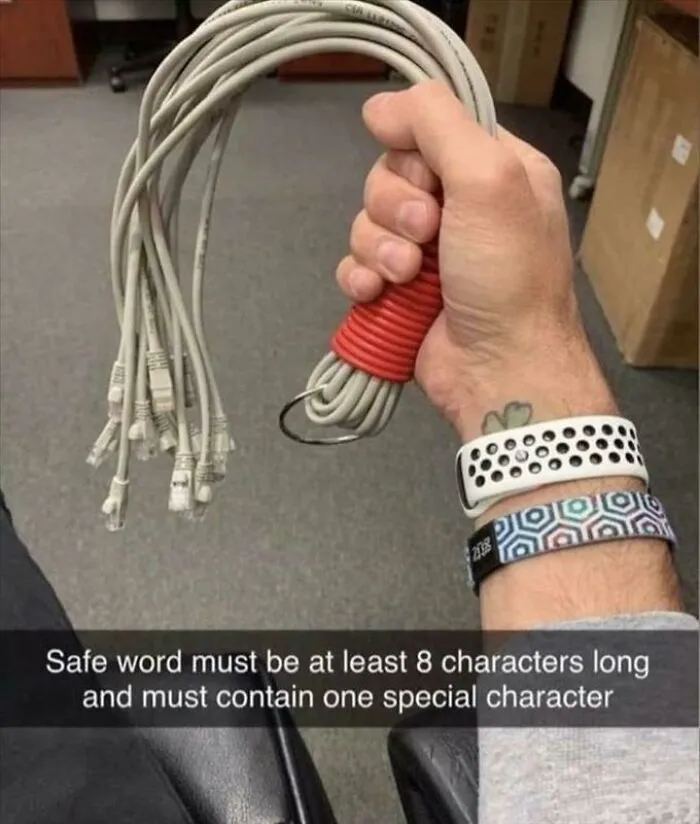



Laughter is also contagious. When we hear someone laugh, our brains begin rehearsing the same behavior. "The neural circuits involved in imitation and social understanding may help explain why laughter spreads so easily," Bruno says.
Taken together, these findings suggest that laughter is fundamentally a pro-social behavior. It regulates relationships and reduces social tensions. Perhaps that's also why we instinctively want to send the funniest memes we see to our friends. If something makes us laugh, our first impulse is often to share it—and see if it makes someone else laugh, too.




And actually, even if some of these memes make you blush, frown, or instinctively look away, that's not necessarily a bad thing either. Psychologists say these nonverbal reactions signal that you care about how you're perceived—and that you're emotionally engaged rather than indifferent.
As behavioral scientist Nuala Walsh writes in TUNE IN: How to Make Smarter Decisions in a Noisy World, more and more people are tuned out, finding it difficult to engage with others because of their emotions, ego, ethics, memory, lack of time, and countless other distractions.
So don't be afraid to show a reaction. Just maybe save the all-caps rant and keyboard smashing for another day.