


#21 Have You Ever Wondered Why We Don't Grow New Teeth Even Though We Have Third Tooth Buds?
All the sciences work together to help us make sense of the world and keep progressing. One of the best examples was when French physician Jean-Baptiste Denys performed a human blood transfusion and a xenotransfusion between a boy and a sheep in 1667.
They did this because early scientists believed the lamb's purity could be transmitted to people through blood. Since Jean-Baptiste already had a 15-year-old subject who needed a transfusion, he used a small amount of sheep’s blood, which ultimately did not help much. Although his efforts were unsuccessful, over the years, this experimentation and study shone light on different methods of blood transfusion.
There’s so much happening in our bodies that it can be difficult to truly understand how everything works and comes together. One such bizarre experience is how tickling can actually trigger a panic or fear response in a person. This happens because tickling stimulates the hypothalamus, which sits above the brain stem and controls emotions and a person’s reaction to danger.
So even when a person is getting tickled, their brain might see it as an external threat and instantly put its guard up. Even though there technically might not be any danger, this automatic chemical response might be why some folks start crying or getting mad when they’re tickled for too long.
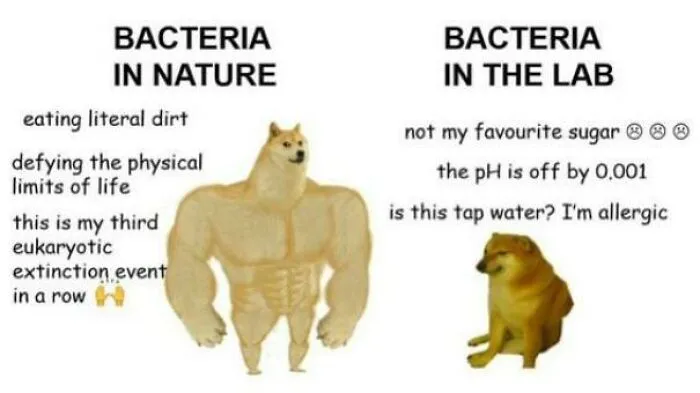
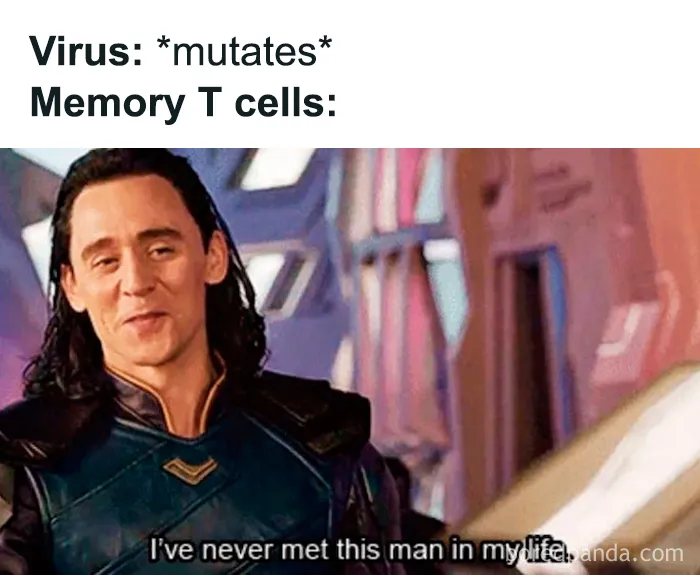
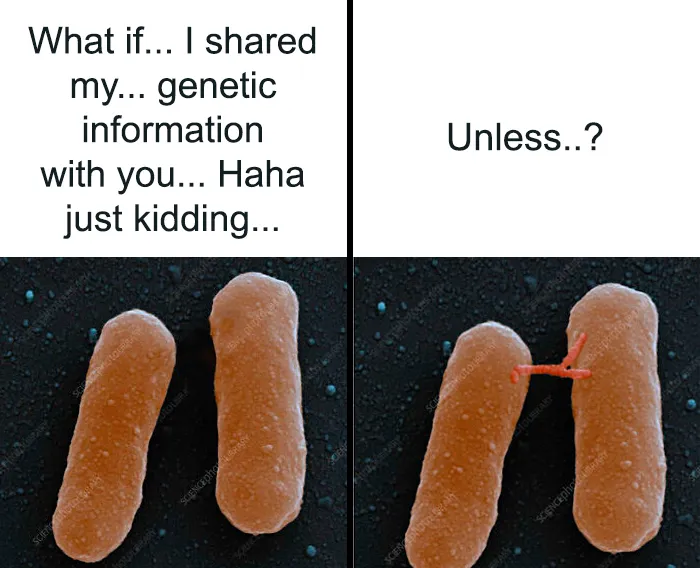
Science doesn’t have to be learned through textbooks; these memes prove there are more fun ways to learn new concepts in a more practical and interesting way. Hopefully, you took back a lot of knowledge from this list, and felt a little more intellectual while scrolling.
We’d love to hear if you got any science or biology jokes that we’ve never heard of before. All facts and memes are welcome!