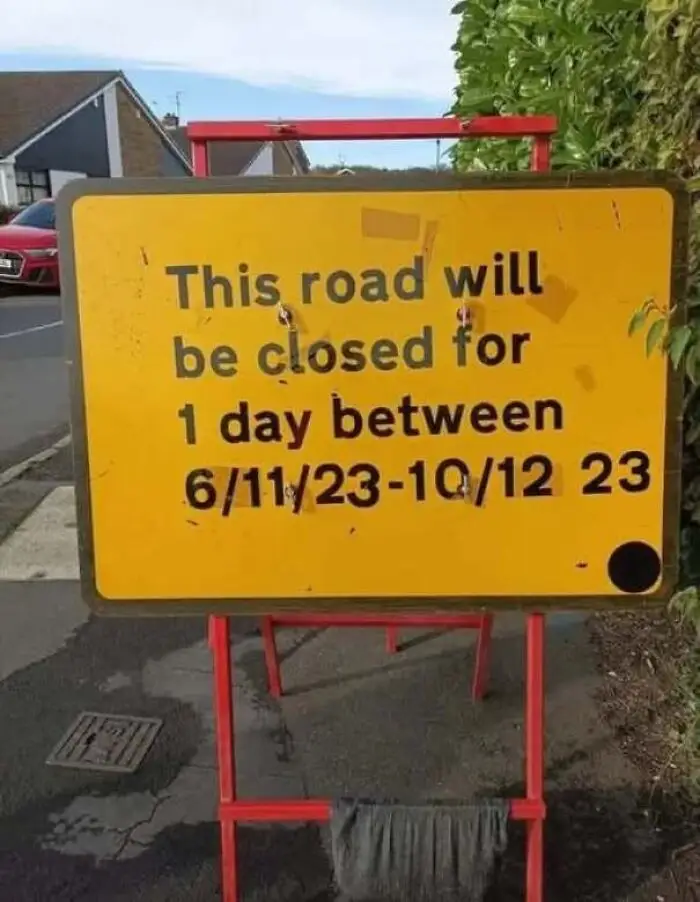



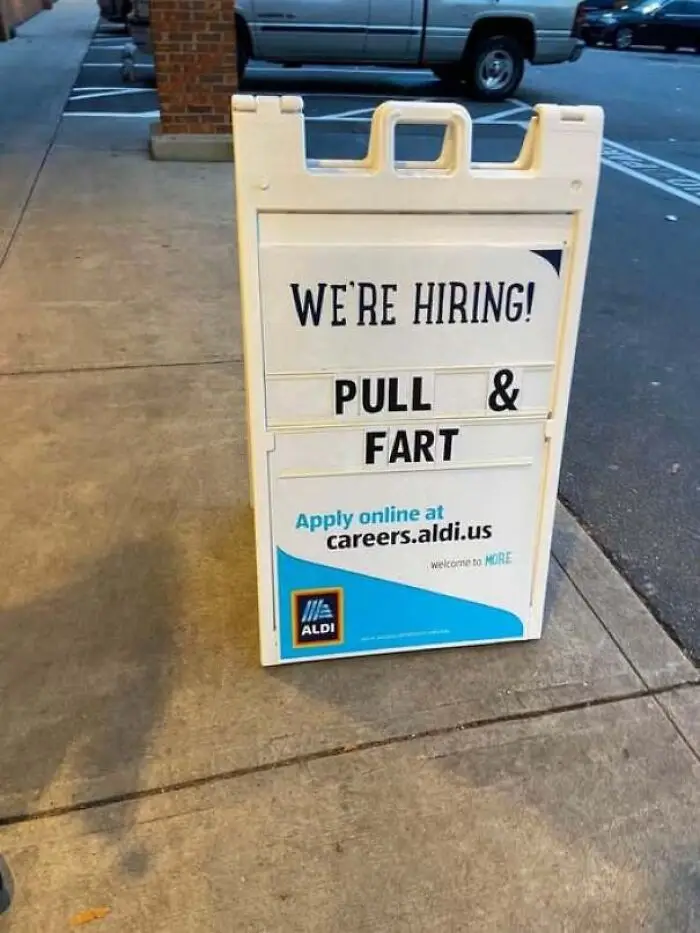
#3
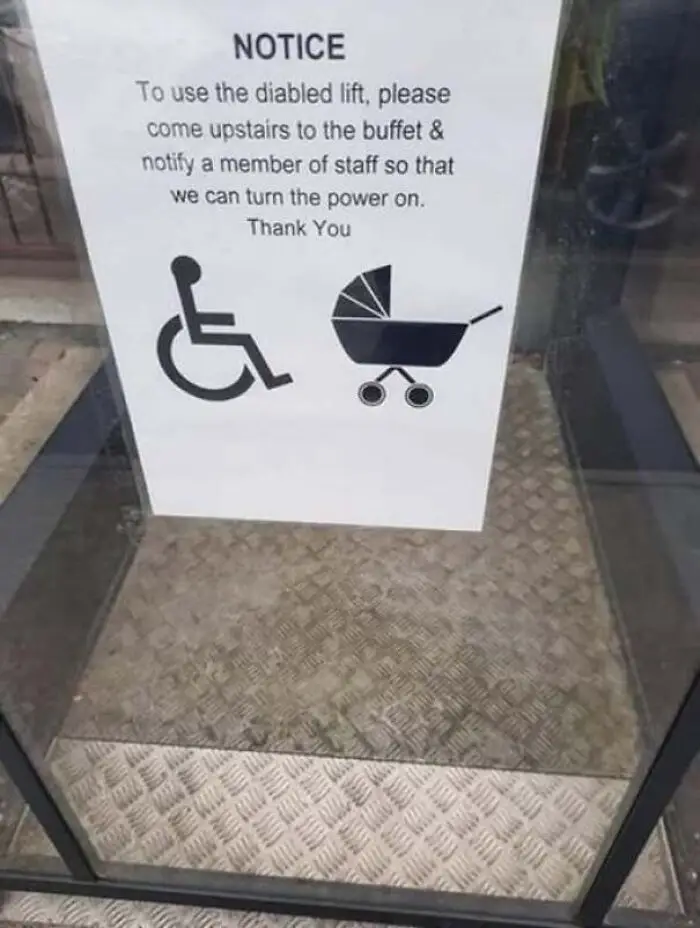
"Lift" suggests this was in the UK. It has probably been posted here before, but it was new to me.
Oddly enough, research has been done into exactly why so many people might miss a typo, not just the person who wrote it. This includes painters, printers, managers, and others involved in the process. It turns out it's because our brains refuse to read letter by letter.
Dr. Tom Stafford, a psychologist at the University of Sheffield, explains that reading and writing are actually high-level tasks focused on extracting meaning. So, when someone makes a sign, their brain almost automatically anticipates what it expects to see, causing it to overlook any spelling mistakes altogether. Even people walking past the sign might miss the error at first.



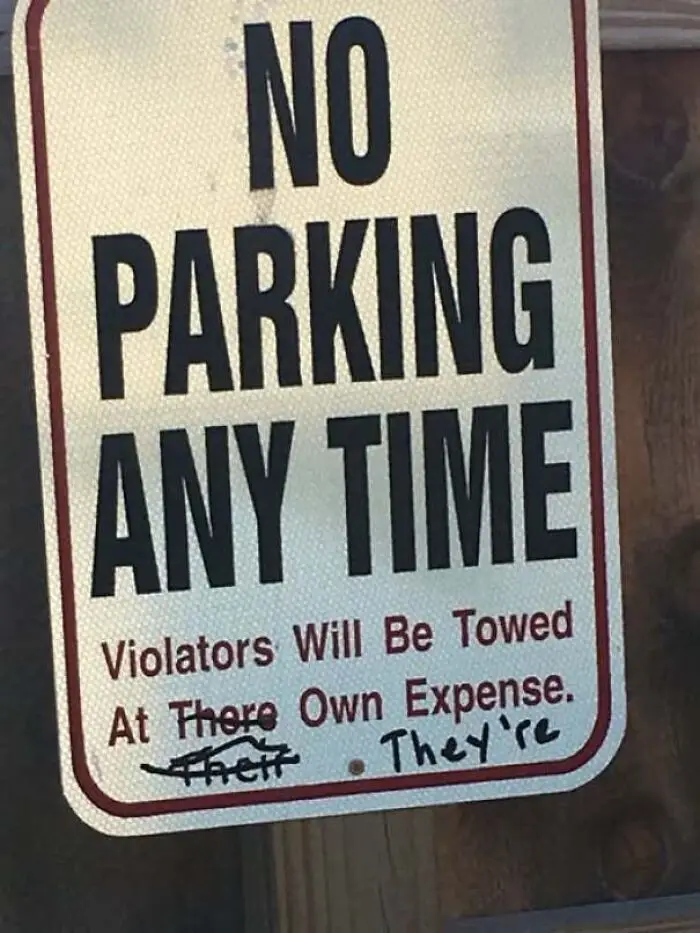
Some might even remember the popular internet meme and urban legend known as "typoglycemia." It claims that readers can easily understand a sentence even when the letters in each word are scrambled, as long as the first and last letters stay in the right places.
It's not actually a scientific fact, but the meme goes something like this: “Aoccdrnig to a rscheearch at Cmabrigde Uinervtisy, it deosn't mttaer in waht oredr the ltteers in a wrod are.” And we're absolutely certain you were able to read it!

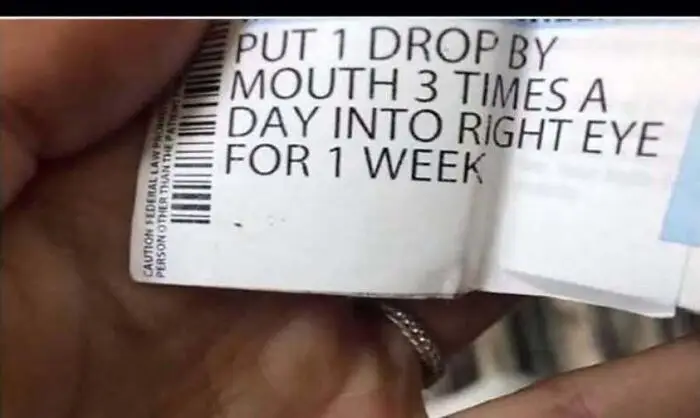
#10
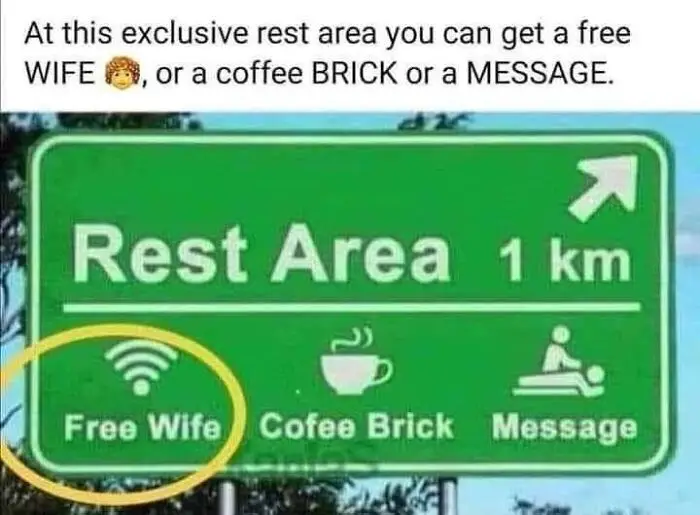

Historically, spelling blunders have been common throughout the ages, so we're certainly not the only ones who struggle with getting words right.
Royal printers Robert Barker and Martin Lucas once published a reprint of the King James Bible that accidentally omitted one word from the Seventh Commandment, making it read: “Thou shalt commit adultery.” And well, it turned out to be a pretty expensive mistake. King Charles revoked their printing license and fined them a hefty £300.
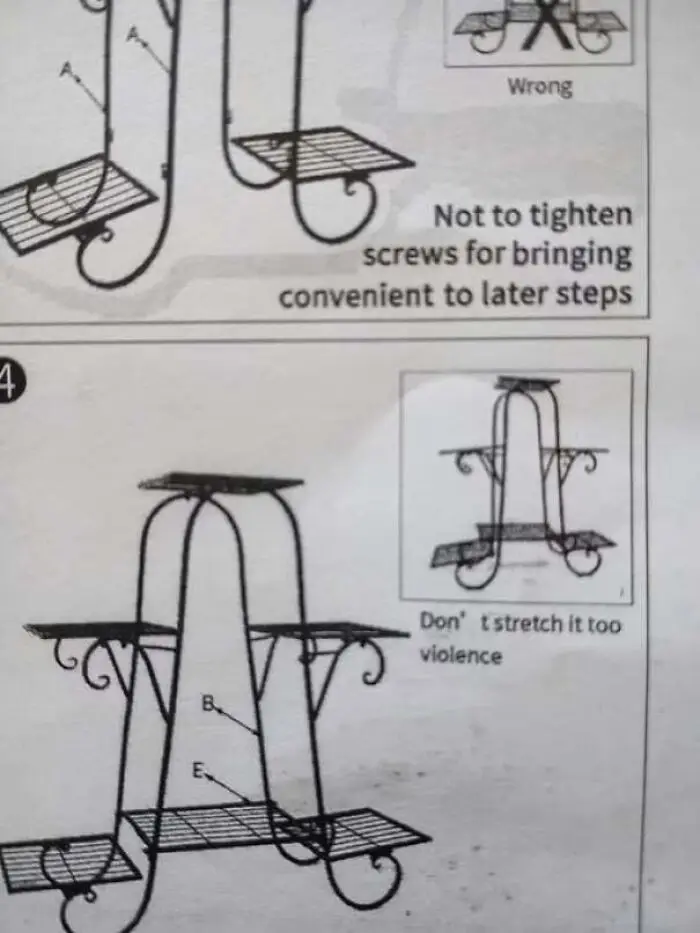
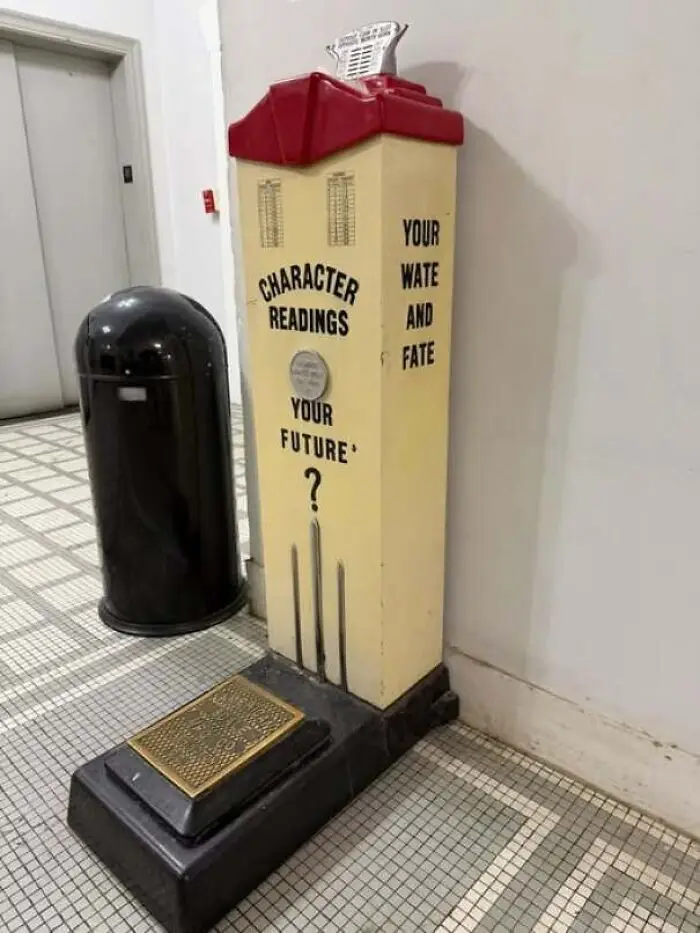



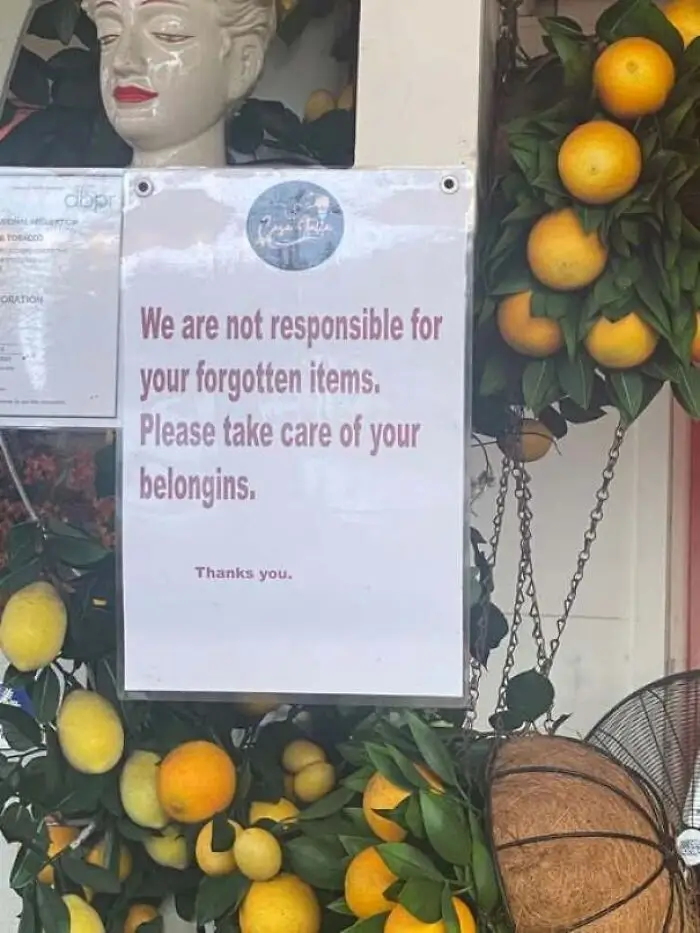
Unfortunately, while many of these mistakes may seem funny and even make a business more memorable, a simple grammar or spelling error can still seriously affect a company's goals.
British entrepreneur Charles Duncombe analyzed e-commerce conversion rates and found that a single spelling mistake on a landing page could cut web sales nearly in half. Visitors subconsciously associate typos with a lack of security and scam-like behavior, which can make a business seem less trustworthy.