



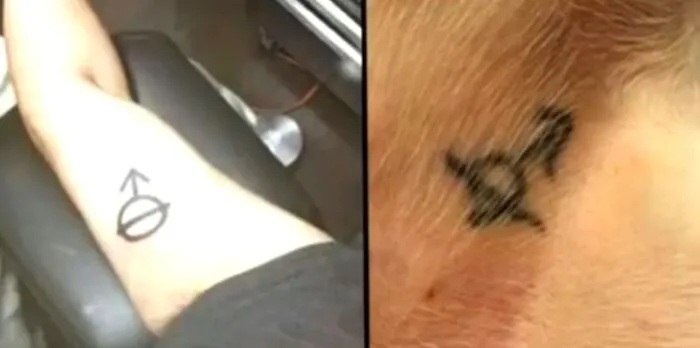
#1 My Dad Asked Me If I Wanted An Egg Sandwich. I'm Not Even Mad, This Is Genius!


We can all make decisions that look completely ridiculous in hindsight. This is because our brains are not designed to know exactly what will happen next. We make choices using the information we have at the time, along with our assumptions, emotions, habits, and occasionally an unhealthy amount of confidence.
Research on decision-making shows that both ordinary people and experts can be affected by cognitive biases that distort how they judge situations. This means that being smart doesn’t come with a lifetime warranty against doing something spectacularly silly.
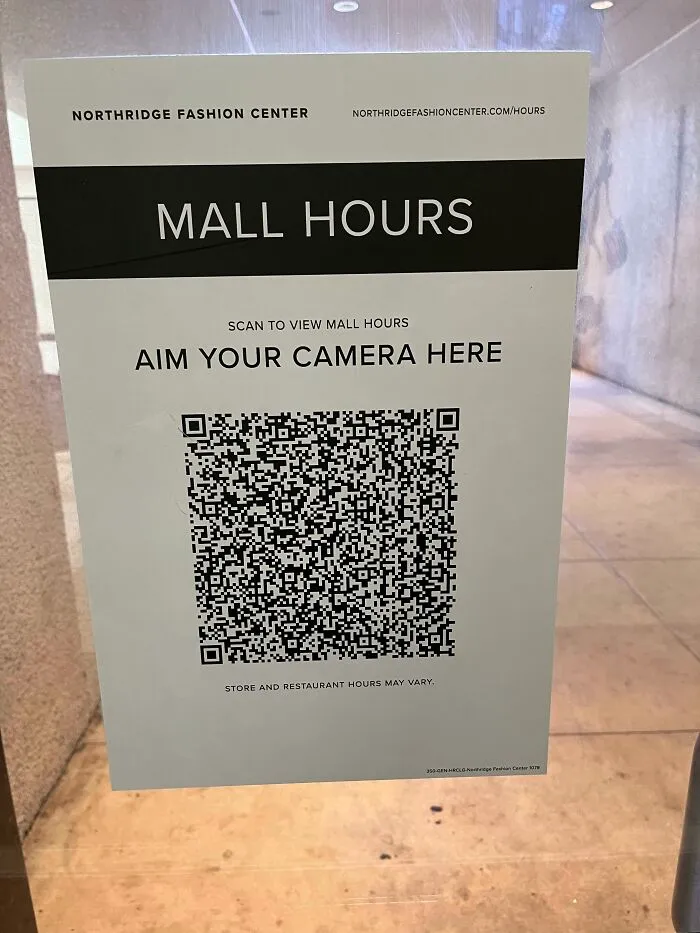
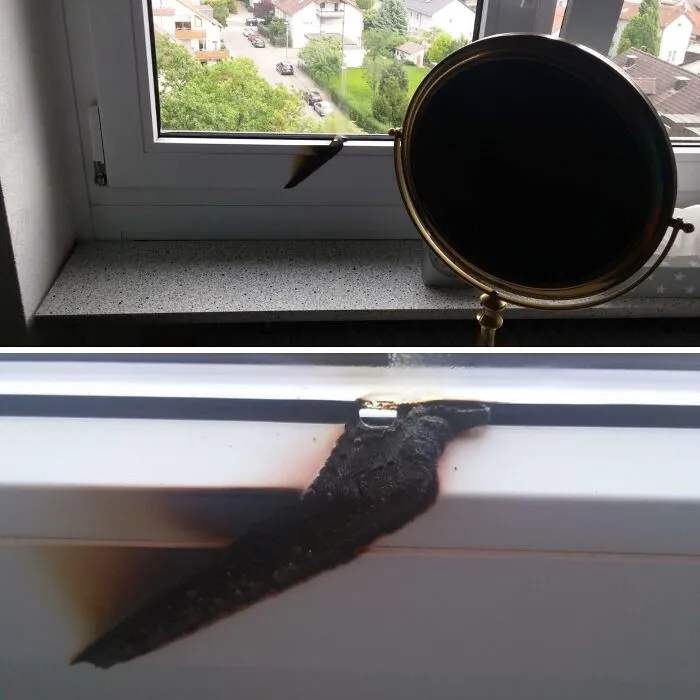
#5 My Mom Accidentally Left Her Mirror In Front Of The Window Over The Day. After Coming Back She Found This
#6 When The Bakers Make The Mix Wrong And Don’t Realize Yeast Doesn’t Just Stop Working Because It’s In A Dumpster

People can be surprisingly bad at recognizing the limits of their own knowledge when making decisions. The Dunning-Kruger effect describes how people can have an inaccurate view of their own ability, especially when they lack skill or knowledge in a particular area. This can be quite dangerous when a decision requires you actually to know what you are doing.
You might feel confident because you don’t realize what you’re missing or what the situation really entails. Unfortunately, when confidence outweighs competence, a terrible idea can look like a perfectly reasonable one.
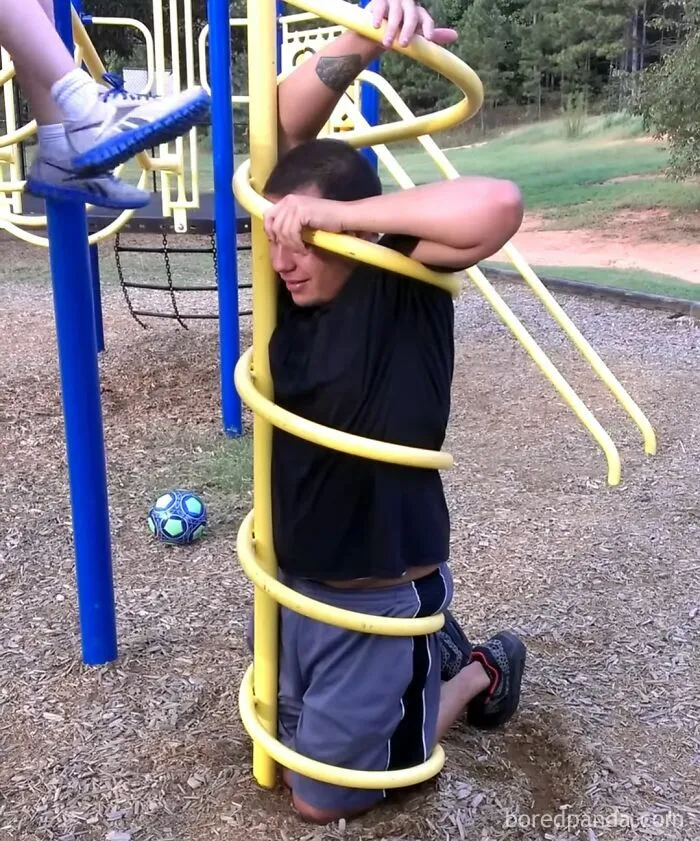

Sometimes, a terrible choice feels reasonable because we genuinely think everything will turn out fine. Psychologists call this optimistic bias. In fact, research has found that people often judge negative events as less likely to happen to them than to other people.
This can make a risky choice feel a lot safer when you’re the one making it. Your brain is basically saying, “Sure, this could go badly, but probably not for us,” which is a very confident way to walk toward trouble.



People can find it hard to backtrack when they have already put a lot of time, money, or effort into an idea. This is known as the sunk cost fallacy. A study on the subject showed that people are more likely to keep going after they have already invested a lot.
Nobody wants to feel like all that effort was for nothing, so we keep pushing even when everything is clearly going off the rails. Sadly, sometimes, trying to save a bad idea only gives it more chance to become an even bigger problem.


Decision fatigue can make good judgment harder. Research suggests that repeatedly making decisions can increase our tendency to choose less effortful options.
After a long day of making one choice after another, your brain may be very interested in taking the path of least resistance. That is when “I’ll just go with this” might seem like the easiest option, only for it to create a much bigger mess than you expected.
#16 It's My First Summer In Arizona. Left My Laptop In My Car. Lesson Learned


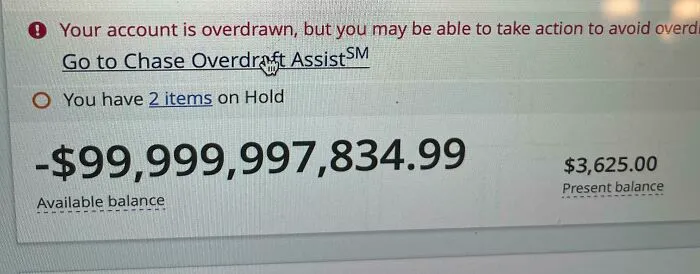
#18 Chase Attempted To Withdraw $99 Billion From My Checking Account. It's Still On Hold
Our emotions can also get in the way of making a really good call. Emotional states can influence how we evaluate risks and rewards, and strong feelings can make it harder to think clearly.
This means the choice you make while you are angry, excited, scared, or stressed may be very different from the one you would make when you are calm.
So when you say, “I wasn’t thinking straight,” it’s not always just an excuse. Your brain really can process a situation differently when your emotions are running the show.
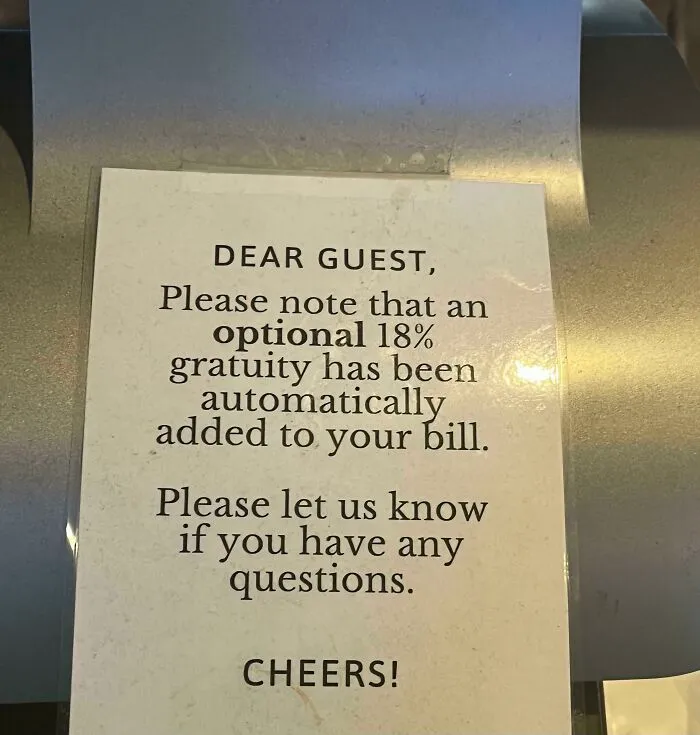
#19 The Breakfast Bar At The Hotel I’m Staying At Automatically Adds An “Optional” 18% Gratuity
#20 Turned My Back For A Minute And She Did Her Business In 20 Cups Of Uncooked Rice