


#1
#2

#3
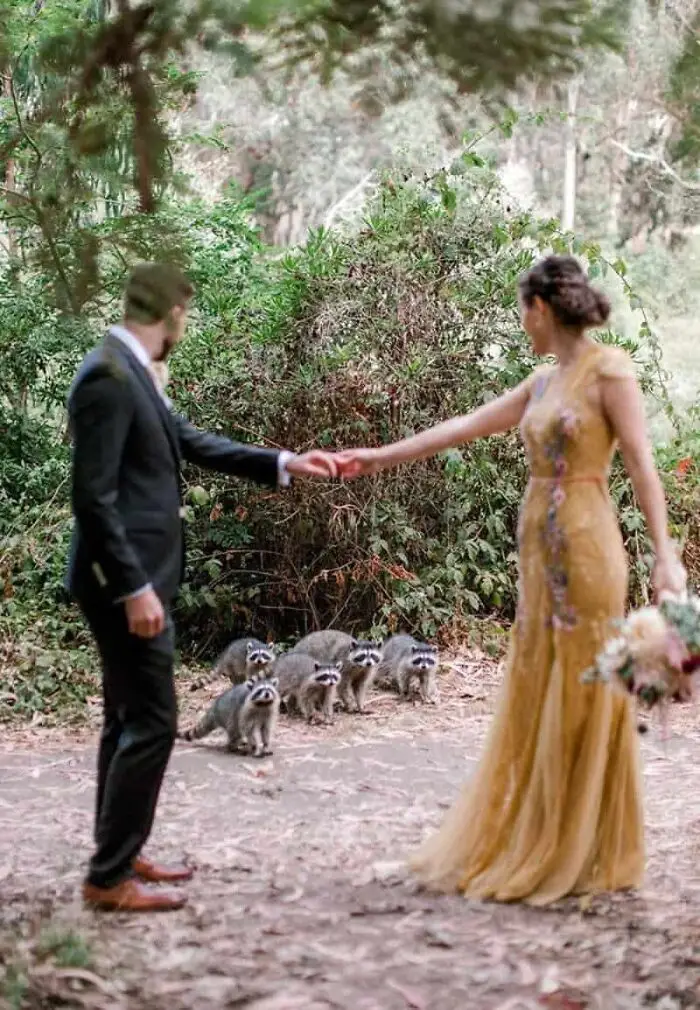
When most of us open our cameras, we have a pretty good idea of what we want to capture. Maybe it’s a selfie, a photo of our friends or family, a special occasion, or just a moment we want to remember. But even with all the grid lines and AI assistance in the world, there’s only so much we can control about what’s happening around us. And fortunately, sometimes the most interesting part of a photo is precisely what we never intended to include.
#4
#5
#6
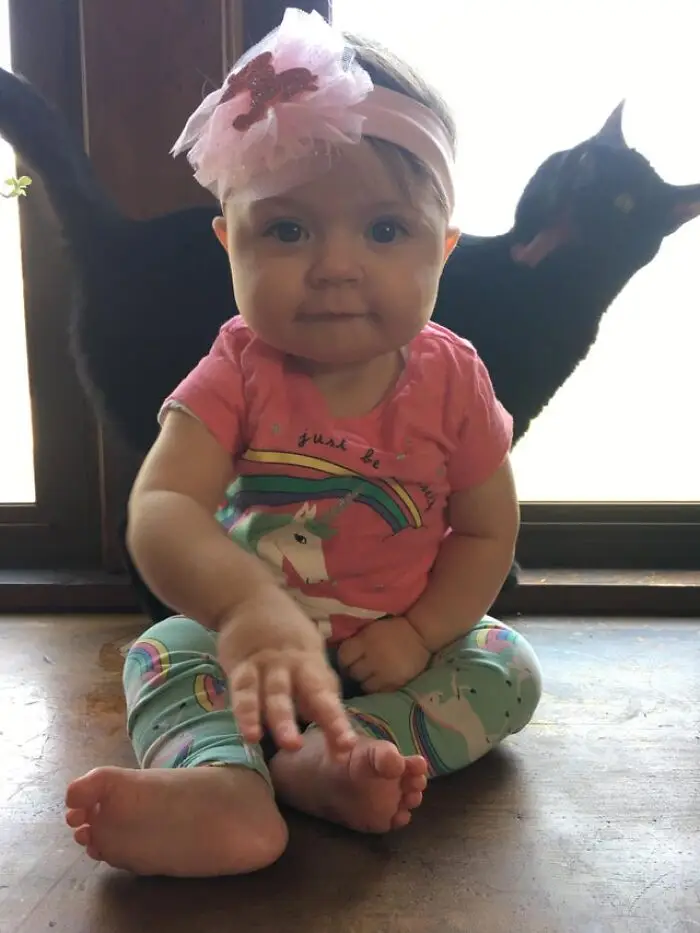
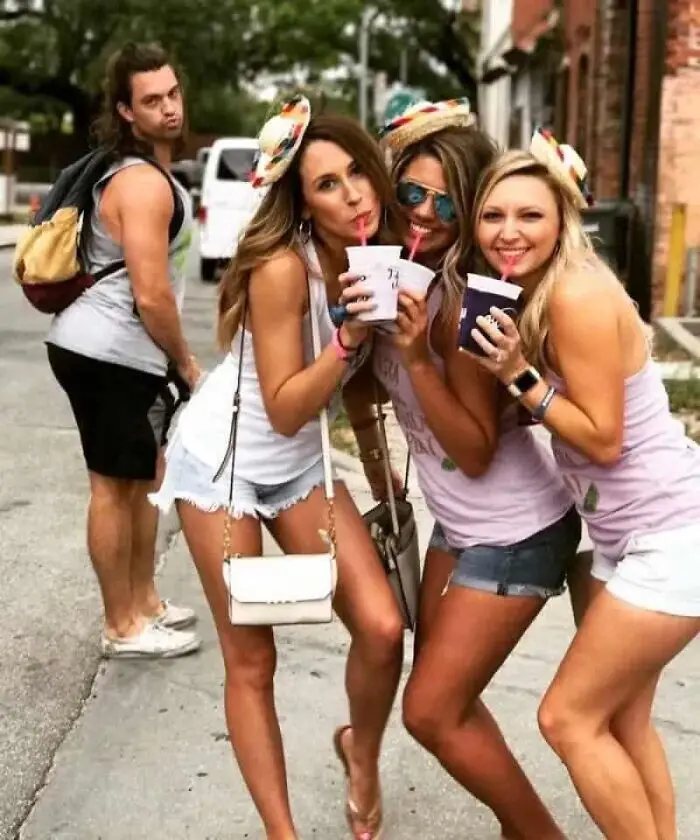
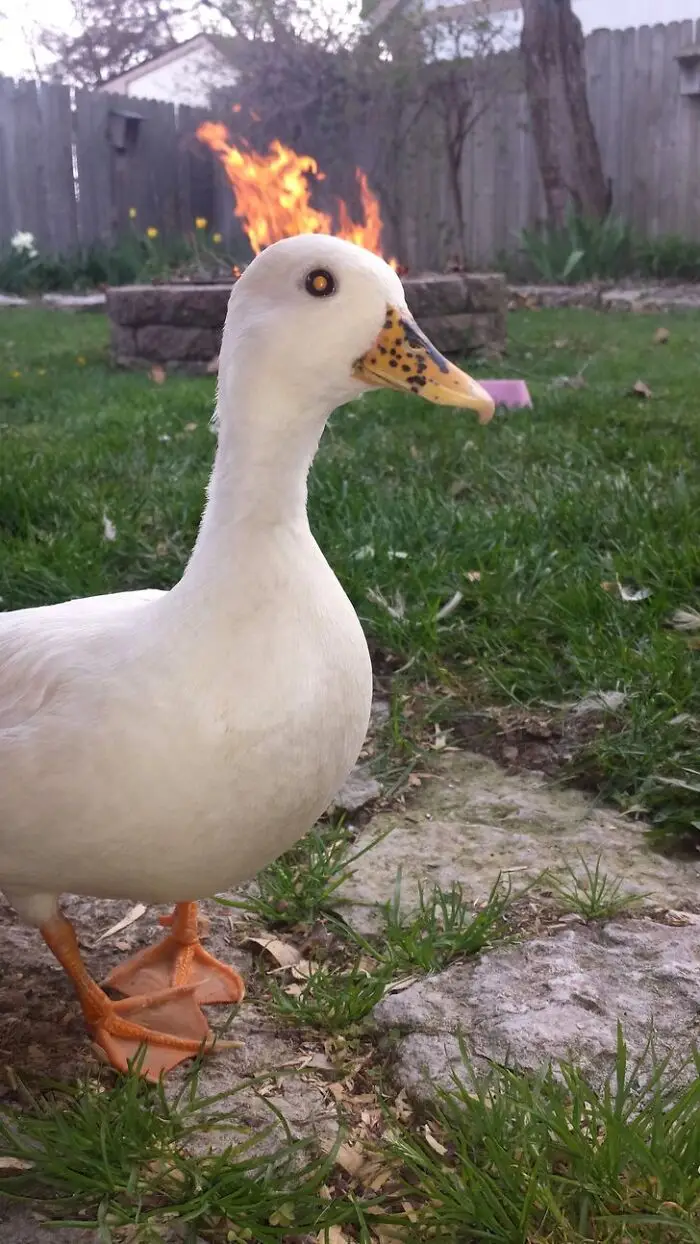
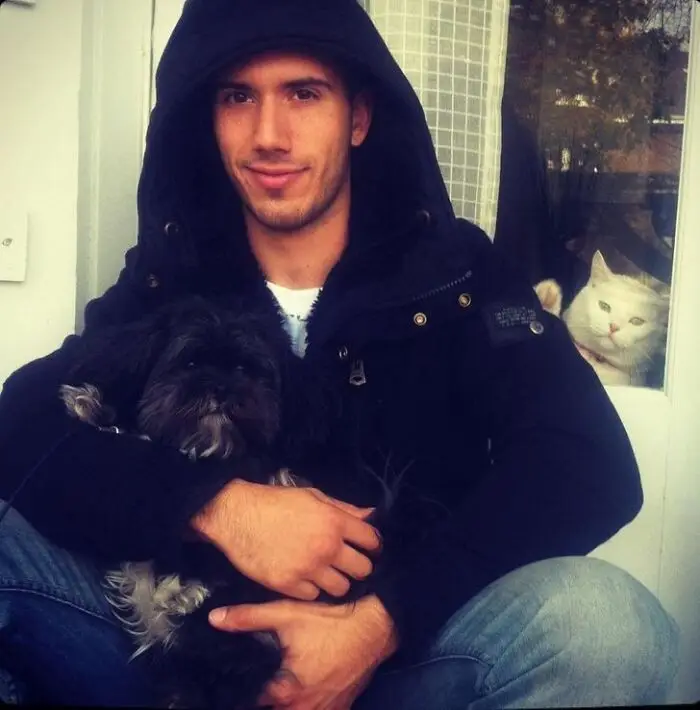
Maybe someone in the background pulls a ridiculous face just as everyone says “cheese,” or a pet decides it’s the real main character and deserves to be in the shot too. Whatever it is, these little background surprises can turn an otherwise ordinary image into something that demands a double take. And sometimes, we might not even realize what we’ve captured until much later, perhaps when we’re drafting a post or clearing out our camera roll.
#7

#8

#9
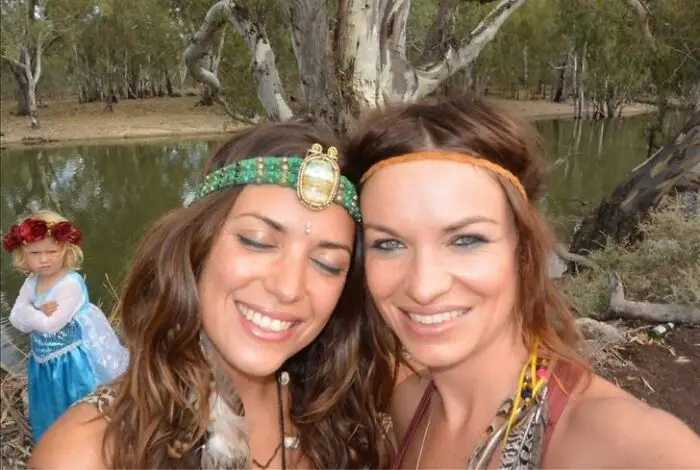
Photobombing is perhaps the most famous version of this. And while it might sound like just that silly thing your brother does when you're trying to take a sentimental family portrait, it’s become much more than an occasional practical joke. In the age of social media, these unexpected appearances have developed into a recognizable image genre of their own. Believe it or not, it’s even caught the attention of academics.
#10

#11

#12
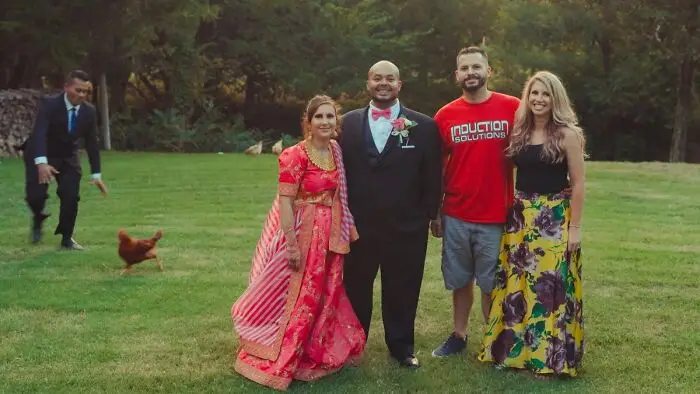
In a 2017 paper published in Convergence, researcher Yasmin Ibrahim explored photobombing as an online image genre, describing how an unexpected person or object can disrupt the conventions of an otherwise ordinary photograph, giving it a new kind of appeal and even the potential to go viral. In what she calls an “age of distraction,” Ibrahim writes, “the unexpected remains a mode of ocular appeal.”
#13

#14

#15

In other words, there’s something compelling about a photograph that doesn’t turn out quite the way anyone expected. The contrast between what the photographer intended to capture and what actually ended up in the frame can give an image a whole new dimension—especially when the background seems to have a story of its own.

#17
#18
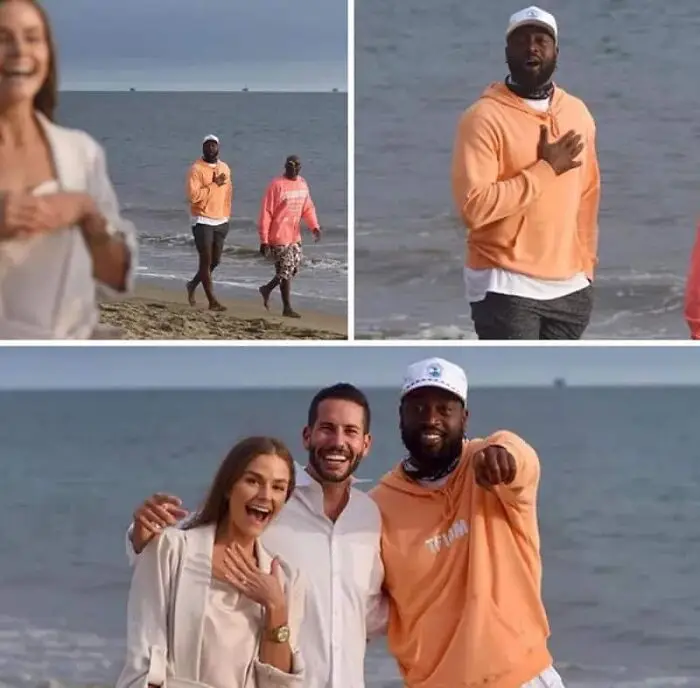
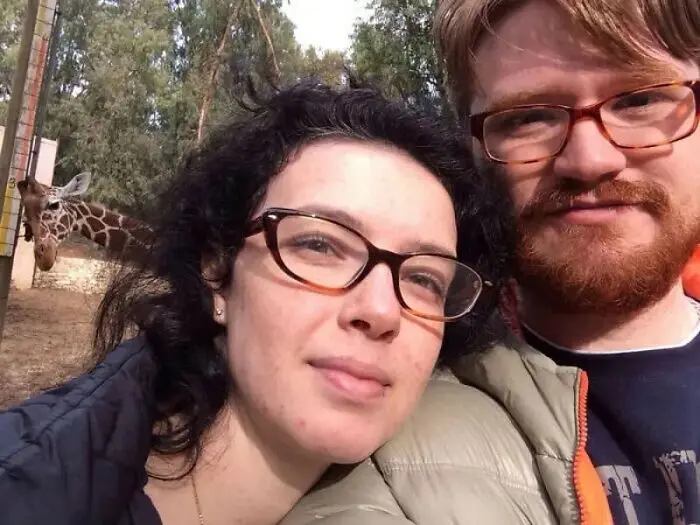
And it turns out there’s a reason some of these details are easy to miss at first. In a 2020 study, MIT researchers found that what grabs our attention in a photo shifts the longer we look. Given half a second, people zeroed in on faces or the most dominant object. Given a few more seconds, their attention drifted to action and smaller details.
“What captures our interest over time varies,” said co-lead author Anelise Newman. In one image, viewers initially focused on an elephant dressed in red wallpaper, only later noticing the woman sitting on the couch beside it.
#19
#20