

This post may include affiliate links.
"It makes sense, then, that they are widely popular. If we think back to the earliest popular memes, stuff like the 'I Can Has Cheezburger?' cat, they were basically inside jokes for the terminally online. As the internet became more mainstream, so did memes, but it wasn't that long ago most people weren't familiar with the word and were often pronouncing it 'maymay.' There's something about an inside joke that makes people feel more passionate about it. I suppose it's the nature of exclusivity, or perhaps just the bond we feel when other people share in our niche interests,” Trev shared his thoughts.
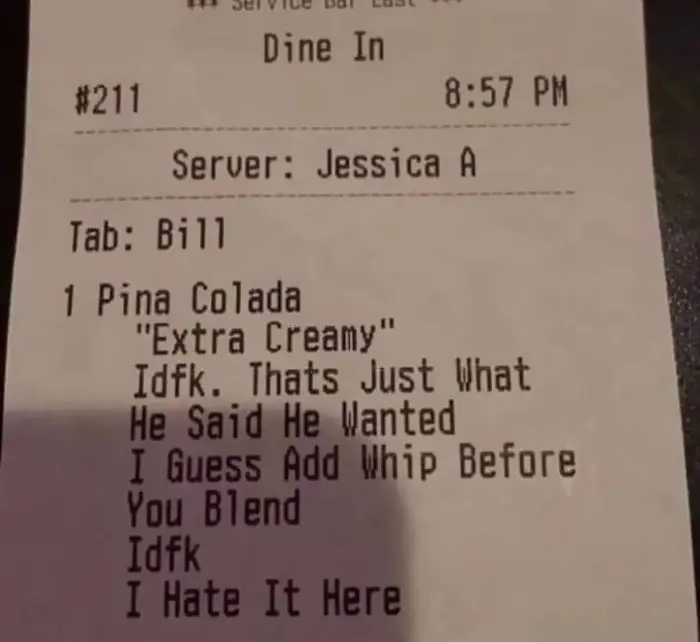
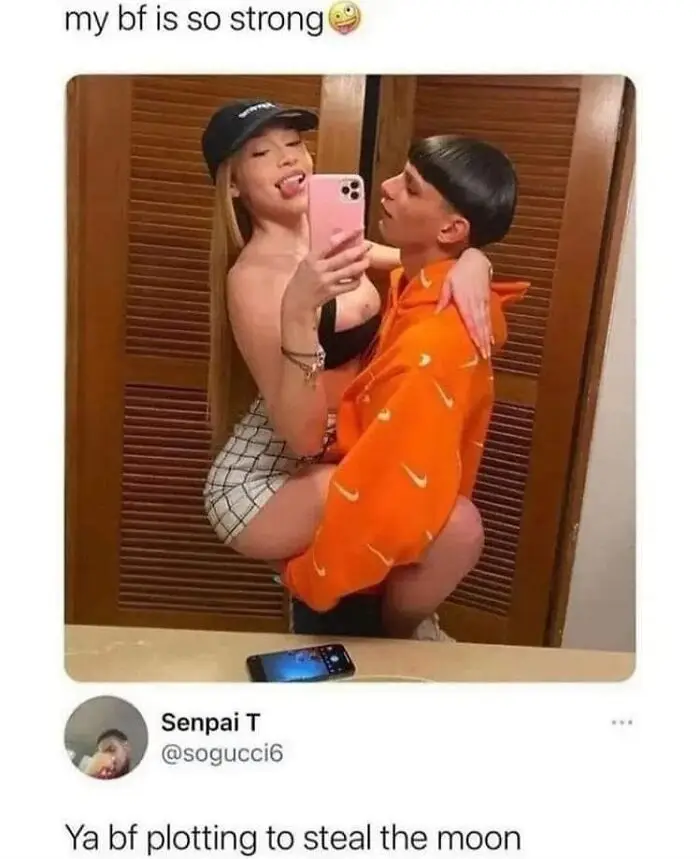
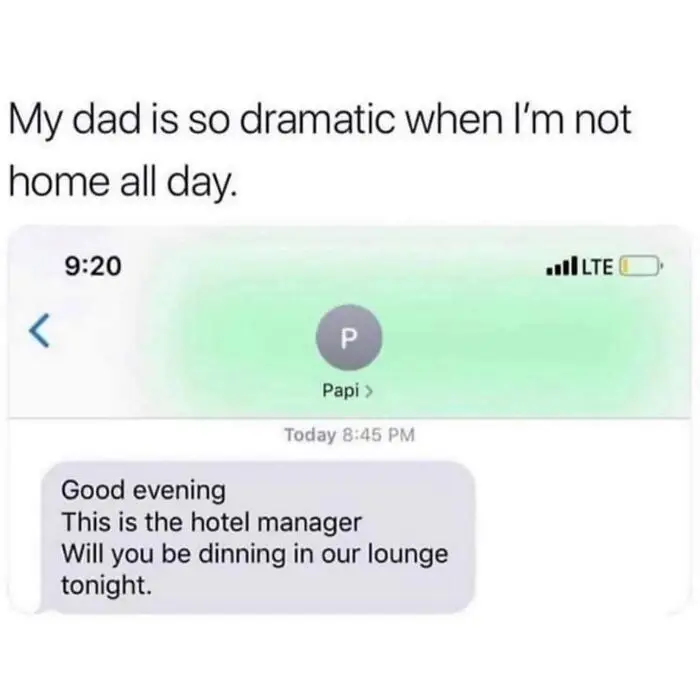
However, there’s really no “perfect formula” for a long-lasting meme that will stand the ravages of time. Though, content creator Trev noted that there are a couple of things that can help your meme have longevity.
“If a meme relies too heavily on current events, its relevance will likely fade along with those events. A standup comedy routine about food can be enjoyed for generations, but a talk show monologue about this week's news is going to expire quickly. It's the same principle. Someone may be able to resurface a screenshot that contains the original context, but already you're losing people if the joke has to be explained too much," he said.
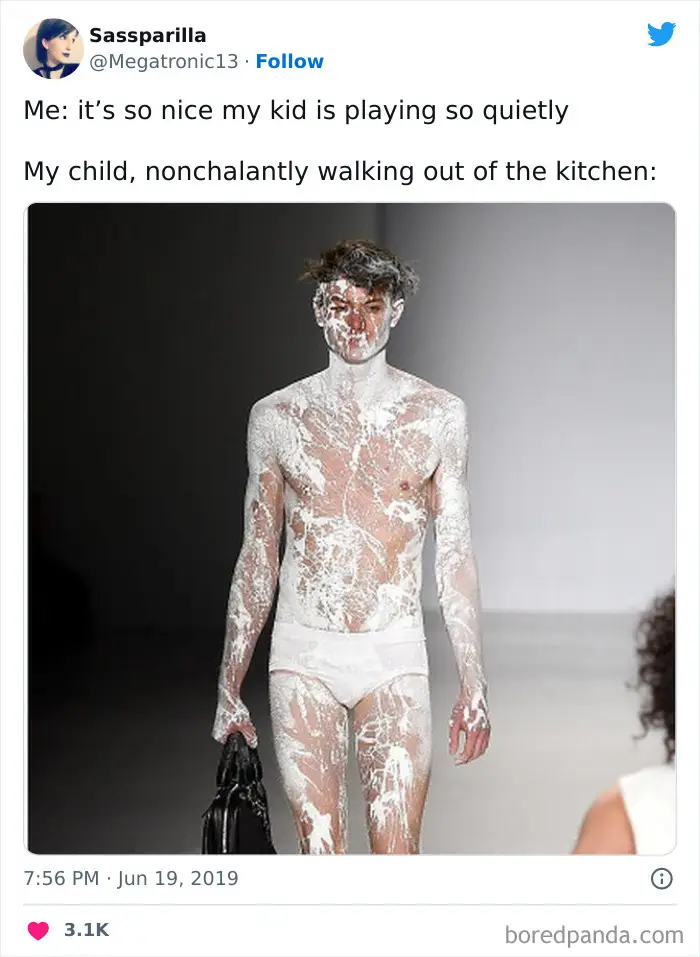
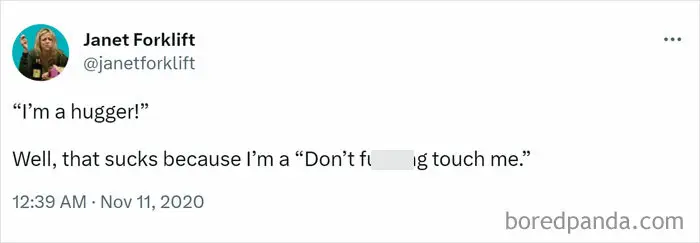
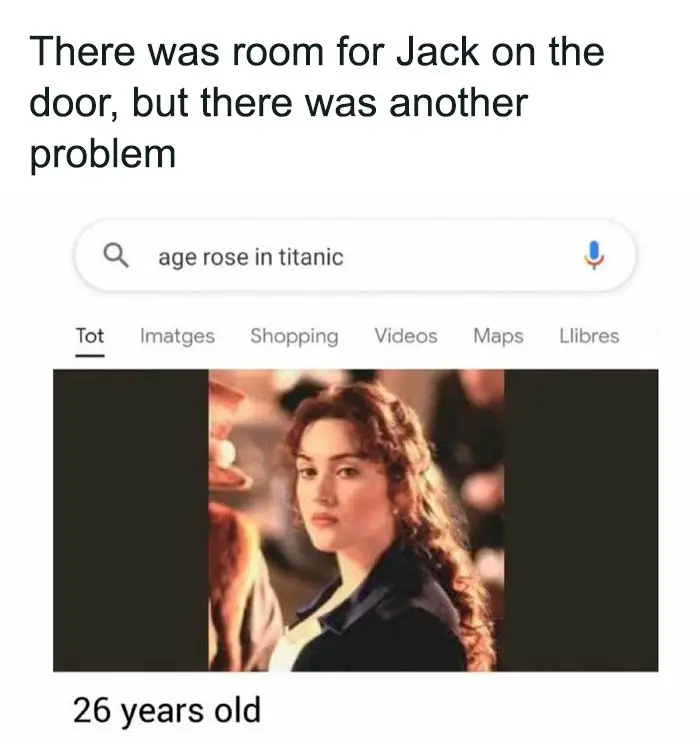
"The other thing that helps is, as this [‘no context’ meme] genre showcases, not relying on a written language to convey the humor. Slang is a lot like memes in that it's constantly changing and being discarded. A funny phrase today may be seen as corny tomorrow. There's also the language barrier. If an image is funny without words, that's a more universal meme than one that relies on English, Spanish, and so on. The more people enjoy and understand a meme, the more it gets shared, and the more likely it is to live on."