While we had Tedeschi's full attention, we decided to ask the million-dollar question: Why do dogs chase their tails?
"It may look like fun and games but that's not always the case," he replies. "It’s important to remember that all animals have both species-specific behaviors that may be common in that particular species but are also individuals."
The expert says there can be several explanations for why Fido is running around in circles trying to catch his own tail as if it were a cat. "Based on the best studies of this behavior, the explanation falls into a few categories… Puppies are intrigued by their and other animals’ tails and many other aspects of the world around them. After all, something that is following them around or appears to move of its own accord is a genuine curiosity."
Other dogs will chase their tails if bored, agitated or excited and looking for attention or play, he adds. "But some dogs might be chasing or wanting to chew on their tail because it's uncomfortable, painful or injured. If this behavior is chronic, or there is a sign of injury, it is worth having it checked by a vet."
You might be surprised to know that the term "happy tail" is anything but happy. Rather, "[It's] a painful or uncomfortable condition that occurs when a dog injures the tip or the base of its tail by frequently hitting it against objects. This can result in a dog attempting to bite or lick its tail repeatedly," reveals Tedeschi, adding that certain diseases or parasites can also result in a dog chasing its tail.
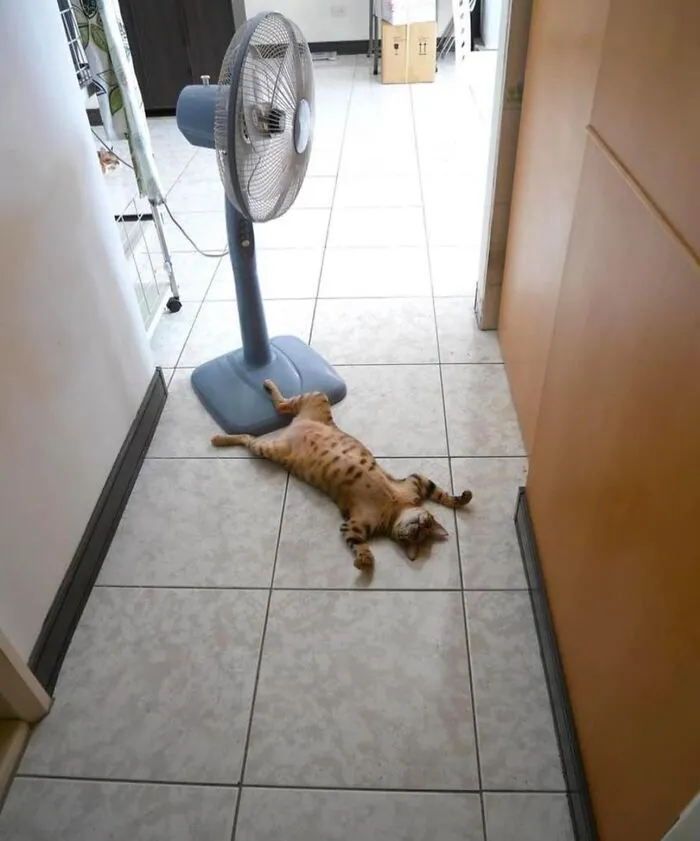
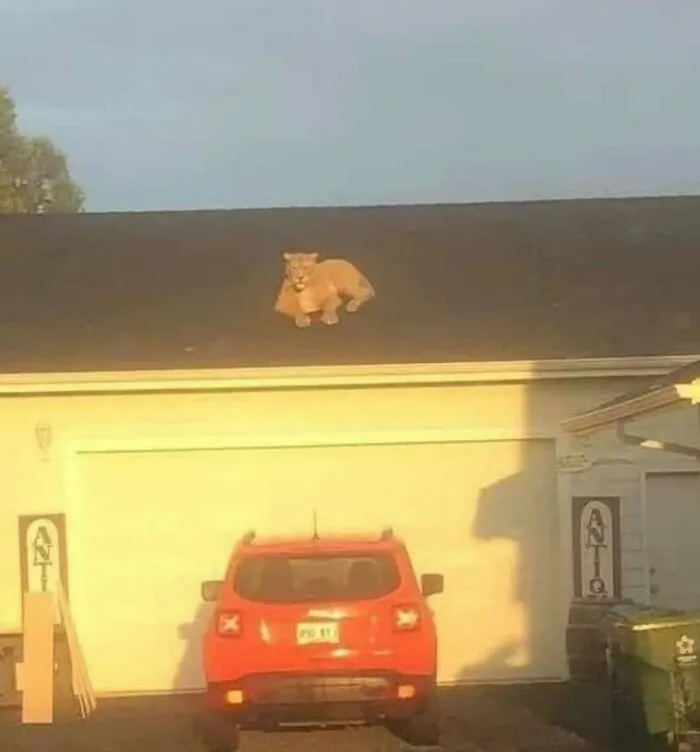
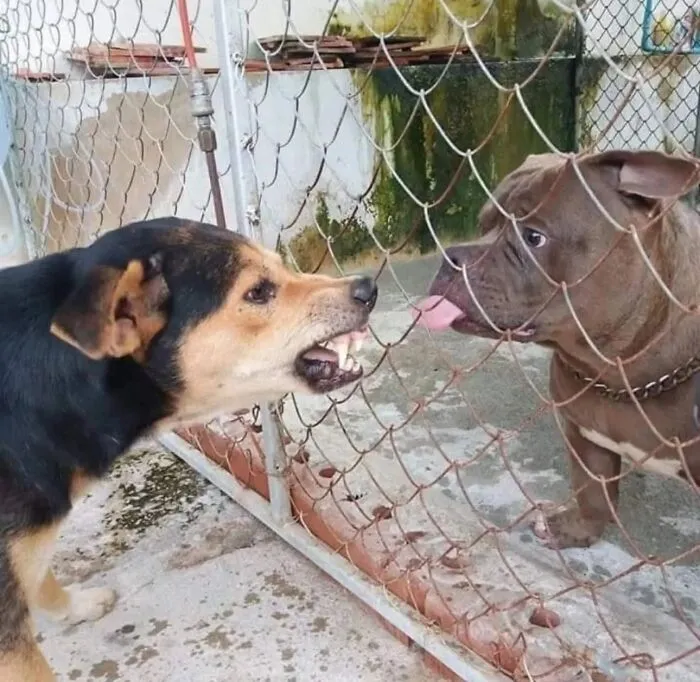
So when should humans be worried about weird animal behavior? "Your own sense that something is wrong is the single most important indicator that your pet is stressed," says Tedeschi.
"One of the most challenging circumstances in making an accurate assessment about a pet’s well-being or stress indicators is when we do not know them very well and are unfamiliar with their normal behaviors, communication, calming signals and mannerisms. But often with our own pets, we know them well and quickly recognize changes in demeanor, social interactions, vocalizations, energy level and other behavioral indicators such as lack of interest in food or play."
The expert adds that when we are trying to prioritize hierarchically the most important signs of stress in our pets, a significant change in their normal functioning or behavior is a good place to start. He says it's important that people get to know their pets well and are able to pick up any changes if or when they arise.
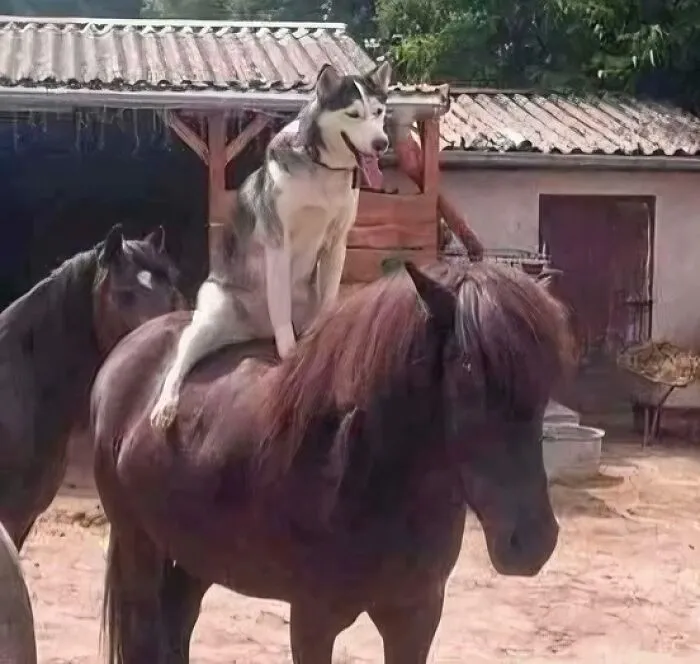

"Unless there is a chronic level of distress, evidence of pain or significant departure from normative behavior, there is probably not an urgent or dangerous issue," he told Bored Panda.
"But as in all our relationships, ignoring and discounting needs or intentional communication can be frustrating and lead to various types of escalation, insistence and acting out."
Tedeschi says our pets communicate with us, and sometimes we don't even realize it. "For example, if I am glued to my computer screen and my dog is telling me they really need a break outside, my ignoring that behavior can result in my dog intensifying the behavior to force me to recognize the importance of their needs," he explains. "As dogs learn to trust your commitment to them and their own ability to effectively communicate, these interactions help us become supportive of each other’s needs."