
This post may include affiliate links.
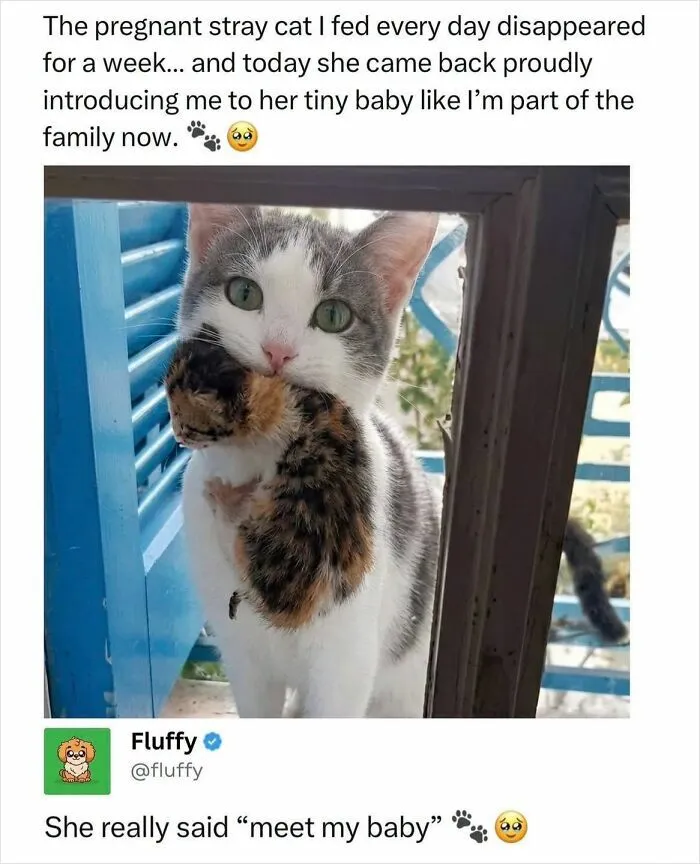
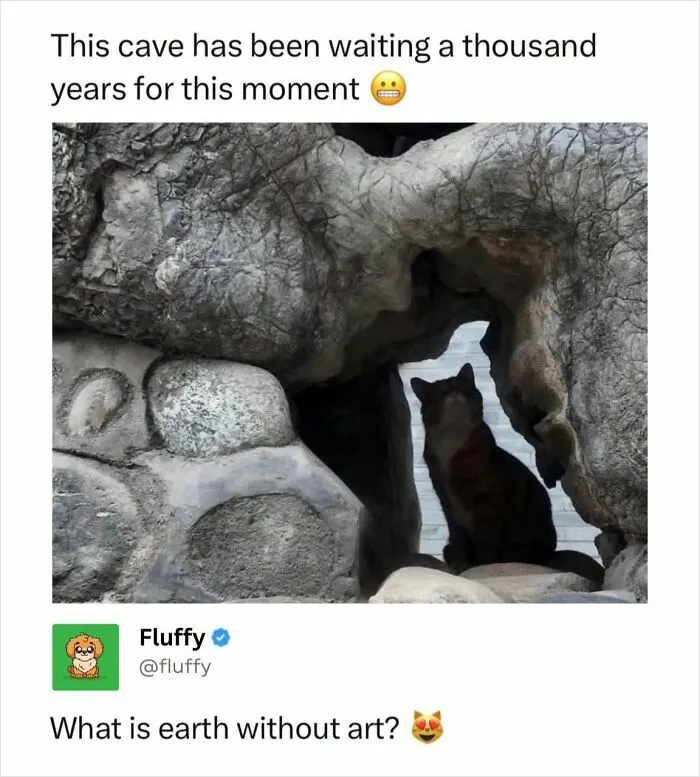

Pandas, tell us honestly: how many times have you seen a picture of a baby animal and immediately gone, “Awww”? Maybe it was a tiny lion cub learning to walk, a fluffy panda cub rolling around, a baby elephant trying to keep up with its family, or a kitten curled up in the smallest possible ball. There is something about those big eyes, tiny paws, and round faces that makes it almost impossible not to smile. You may have opened the picture for just a second, only to find yourself scrolling through dozens more because one adorable animal simply was not enough. But why do baby animals have such a powerful effect on us?
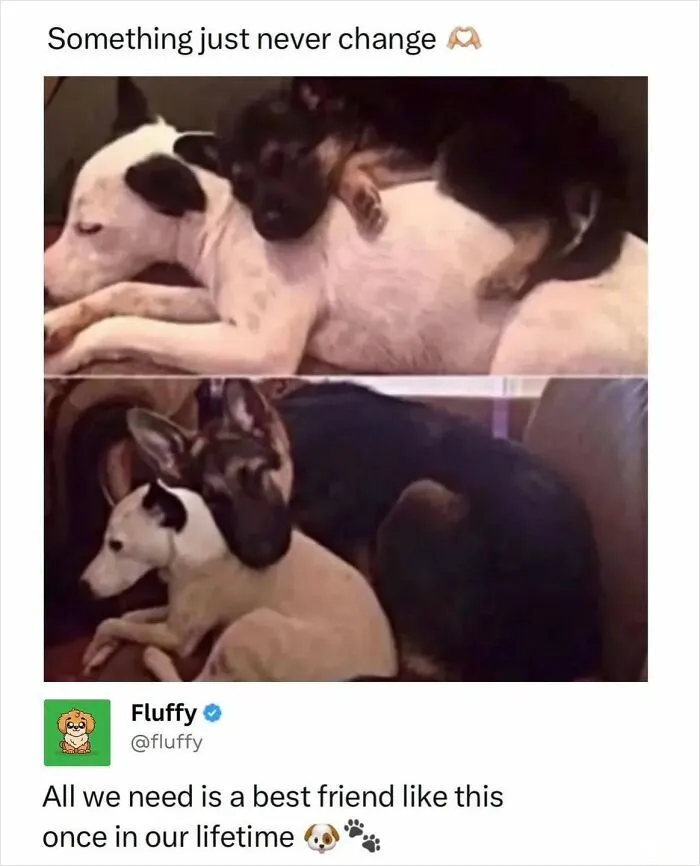

Joshua Paul Dale, a professor at Chuo University in Tokyo and author of Irresistible: How Cuteness Wired Our Brains and Conquered the World, explains that we seek out cuteness because it makes us feel good. According to Dale, our brains can recognize something cute incredibly quickly—within about one-seventh of a second. Seeing an adorable face activates the orbitofrontal cortex, an area connected to pleasure and reward. That first reaction is then followed by other mental processes that can encourage caring behaviour, reduce aggression, and activate feelings linked to playfulness, empathy, and compassion.
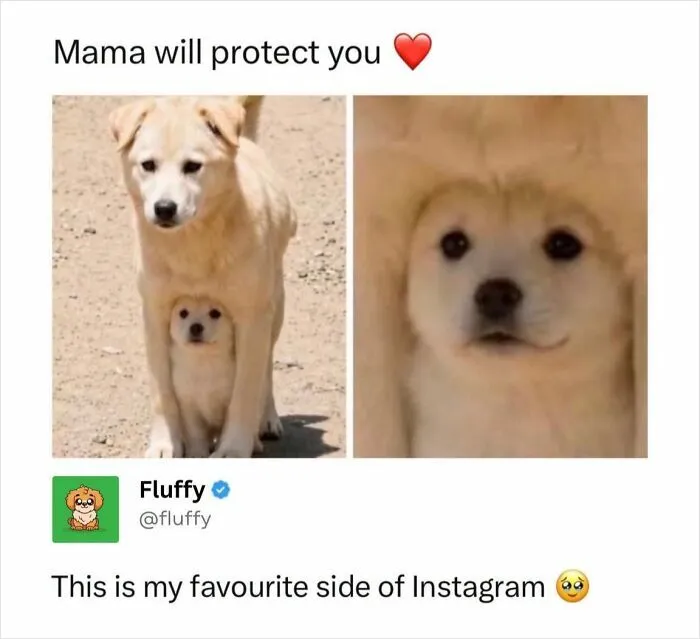
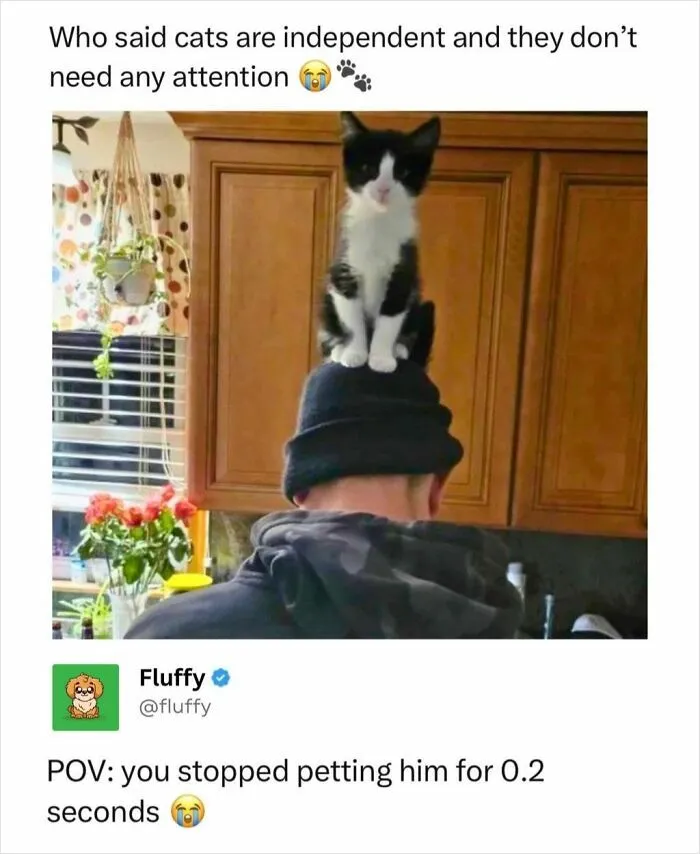

In simpler words, our brains may be wired to respond to cuteness almost before we consciously realize what we are looking at. When we see a tiny puppy, a fluffy duckling, or a baby animal struggling adorably to take its first few steps, we may instantly feel happier, calmer, or more affectionate. That “Awww!” reaction can also awaken a desire to protect, comfort, or care for the animal; even though we know it is not our baby. Cuteness may encourage us to become gentler and more compassionate, which could explain why adorable animal photos are often so difficult to scroll past.
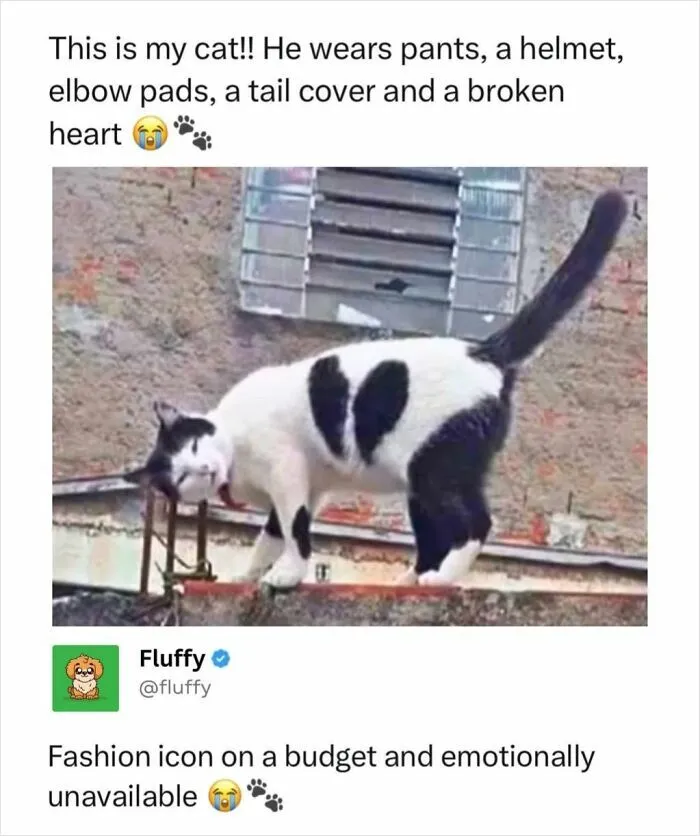
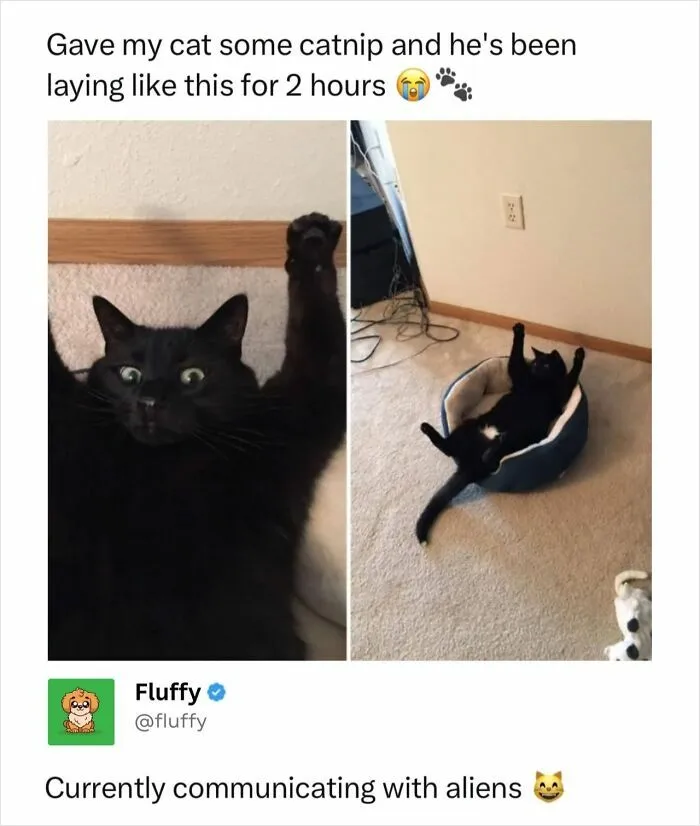
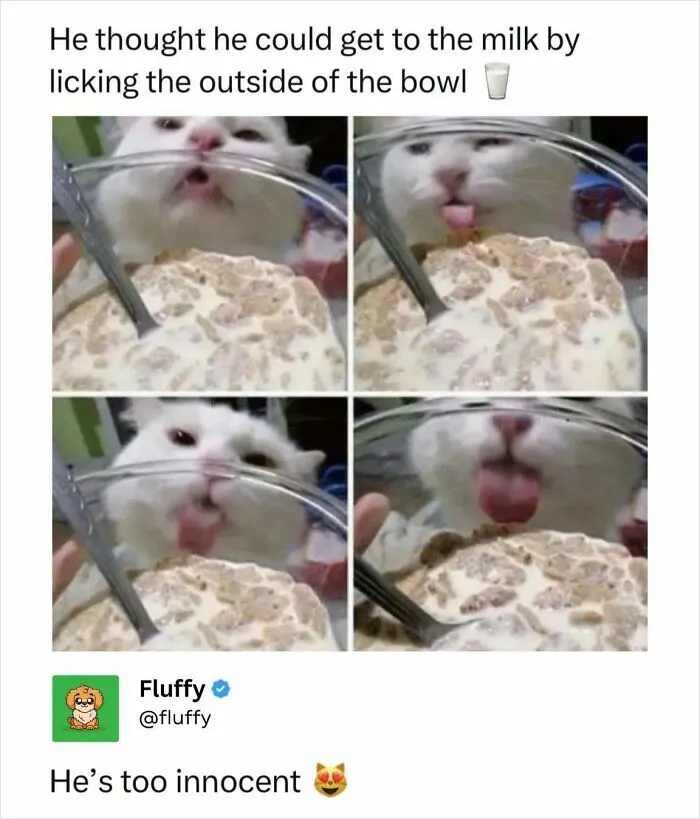
Interestingly, while we may find adult animals powerful, majestic, mysterious, or even a little intimidating, their babies often inspire an entirely different reaction. A fully grown lion may make us think of strength and danger, but a lion cub can make us want to reach through the screen and give it a cuddle. Scientists believe there may be deep psychological reasons behind this response. The powerful nurturing instinct humans have toward their own children may extend to other living things that share some of the same physical characteristics.

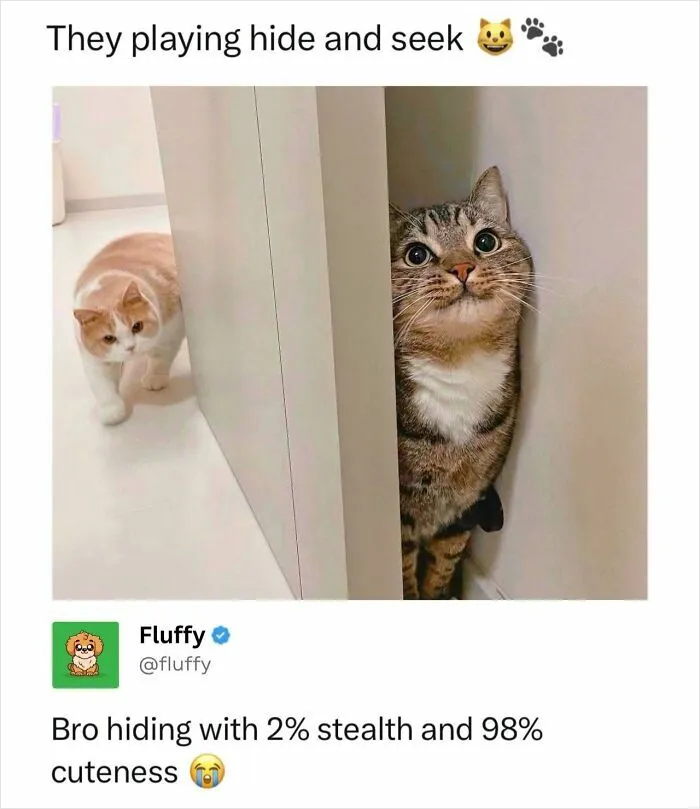
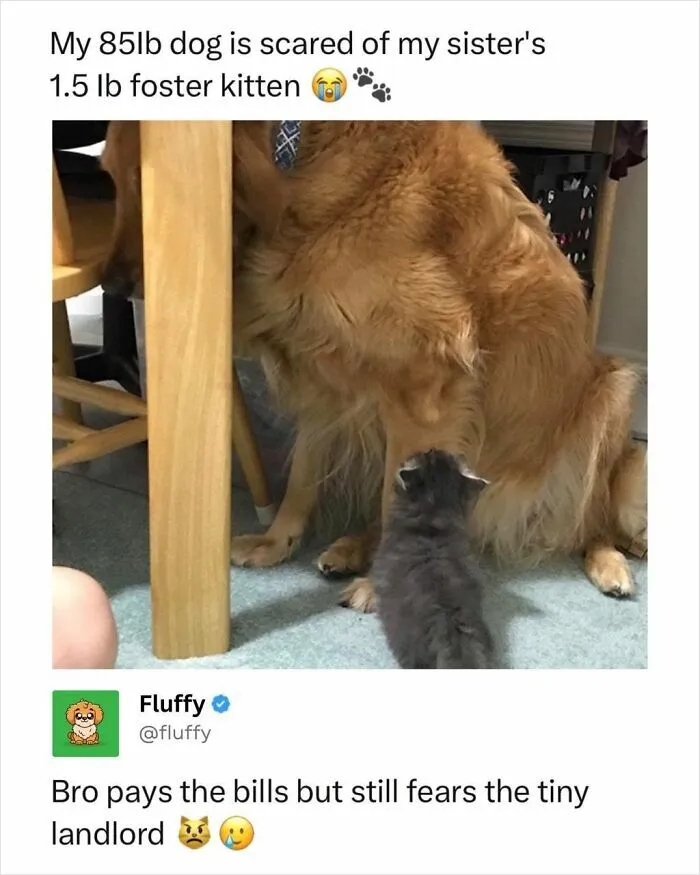
As David Barash, a psychology professor at the University of Washington who studies human and animal behaviour, explained to BBC Earth, humans are animals too, and human babies share several traits with the young of many other species. These similarities may help explain why we are naturally drawn to baby animals, even when they look very different from us. A tiny kitten, puppy, cub, or penguin chick may not resemble a human child exactly, but certain features can still trigger the same warm and protective feelings.


Scientists even have a name for this phenomenon: “baby schema,” also known as Kindchenschema. The term was introduced by zoologist Konrad Lorenz and describes the collection of child-like features that many people instinctively find adorable. These traits can include a large head compared with the body, big round eyes, chubby cheeks, small noses, and soft, rounded features. When we see these characteristics in an animal, our brains may interpret them in a way that encourages us to pay attention, feel affectionate, and want to protect the creature.