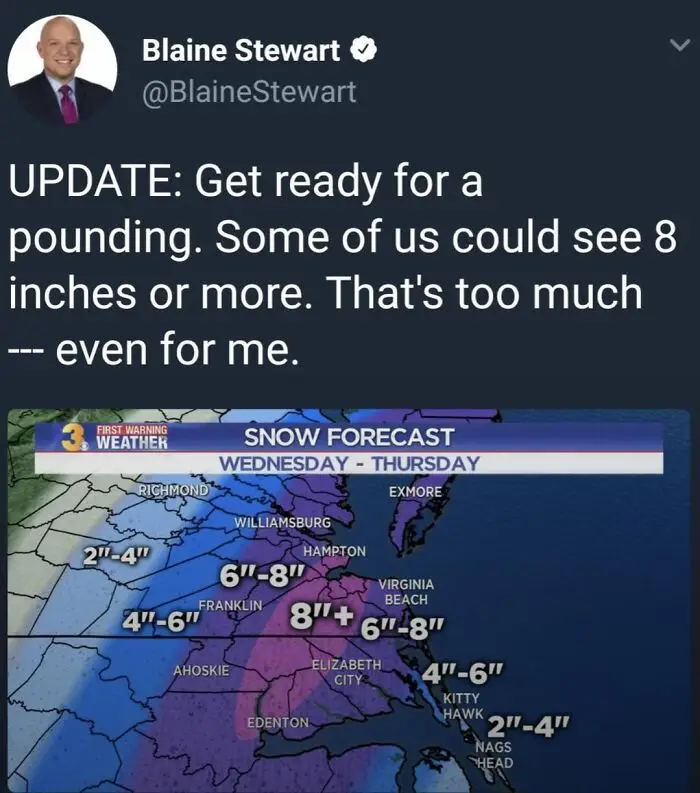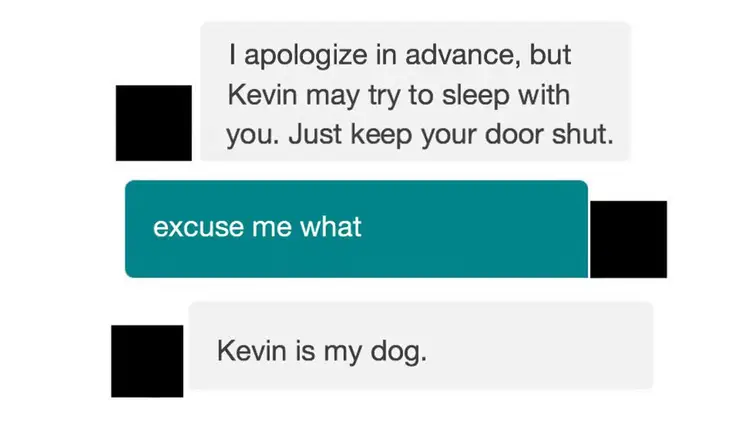


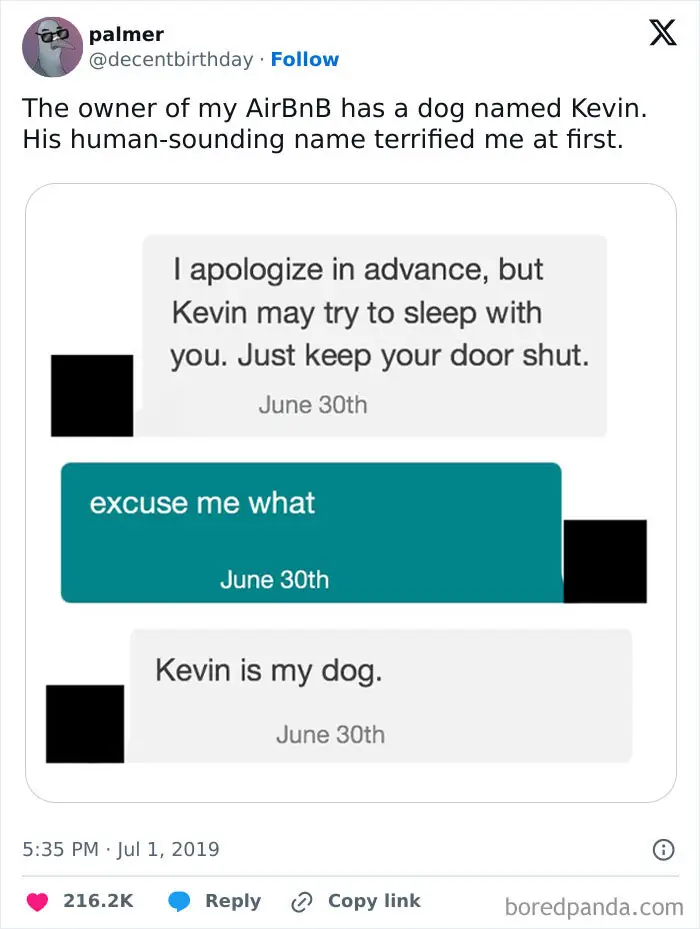


As you might have noticed from this list, some people have plausible deniability about the pranks they pull and the actions they take. According to MIT News, this is because they might feel they can’t be fully transparent, and with expressions and actions, they might be able to get away with certain deceptions.
This is also more common since some social interactions require a performative aspect, and folks might not always feel comfortable sharing everything about themselves. They might also use simple falsifications to hide behind, which they can later brush off or push under the rug.



People can create plausible deniability in different ways, including through open secrets. This refers to widely known information that isn’t acknowledged, like the behavior of certain political parties, quirks folks have, or unsaid rules of the society that they live in.
Another part of this behavior is two-track norms, where a group communicates directly and officially or indirectly in a more relaxed way. The second mode often exists because we don’t want to be incriminated for saying the wrong things, so another channel allows for some relaxation. It’s also probably why the folks in this list used pranks and subtle jokes to hide their real intent.


When situations like this give someone plausible deniability, calling them out on their behavior might not help. That’s because the social norms that enable minor deceptions also keep our social relationships intact, so anything threatening can cause chaos.
If someone truly doesn’t like this kind of pretense, they should get clever enough to push back without hurting anyone’s feelings. This can involve verbal sparring, discussions about transparency, or even learning to ignore the behavior.


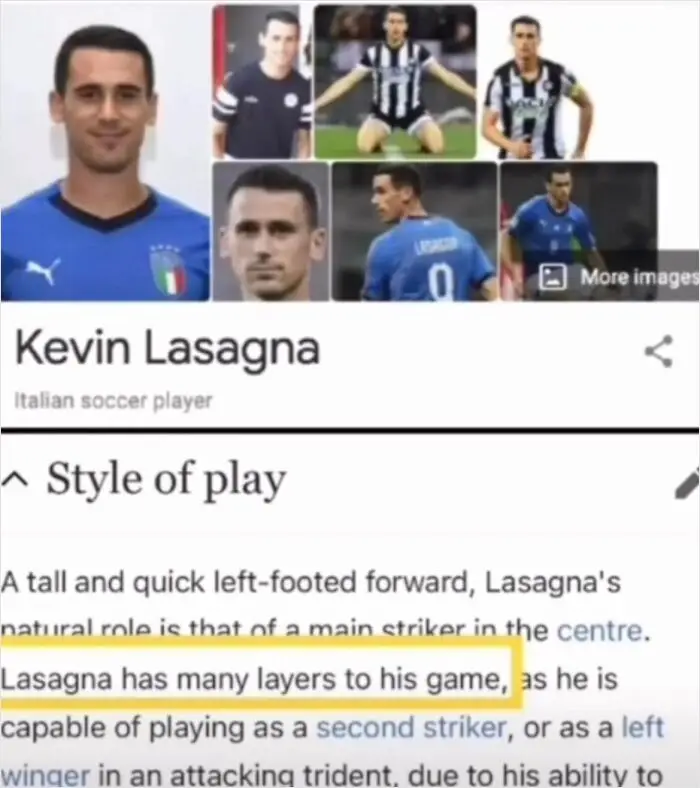
Folks might do something silly and pretend it wasn’t their idea for many reasons. According to Psychology Today, this could stem from awkwardness or shyness. The apprehension some people feel when others perceive them can keep them from being themselves.
This kind of embarrassment also stems from fear, when an individual’s self-esteem, confidence, and worry about judgment come into play. Folks who feel like this often make unrealistic social comparisons and feel like they can’t break out of their shell. This is why they might need subterfuge to be real, instead of just owning up to their actions.



It can be difficult for shy people to overcome such emotions without completely overhauling their personality, but there are simple ways to make it easier. One technique is to acknowledge these feelings and accept them rather than giving in to shame or embarrassment because of shyness.
Over time, as a person understands that this is just their body and mind’s way of responding to situations, they can slowly push themselves out of their comfort zone. This can include attending more social events and having a buddy or acquaintance present to support you if the situation gets overwhelming.
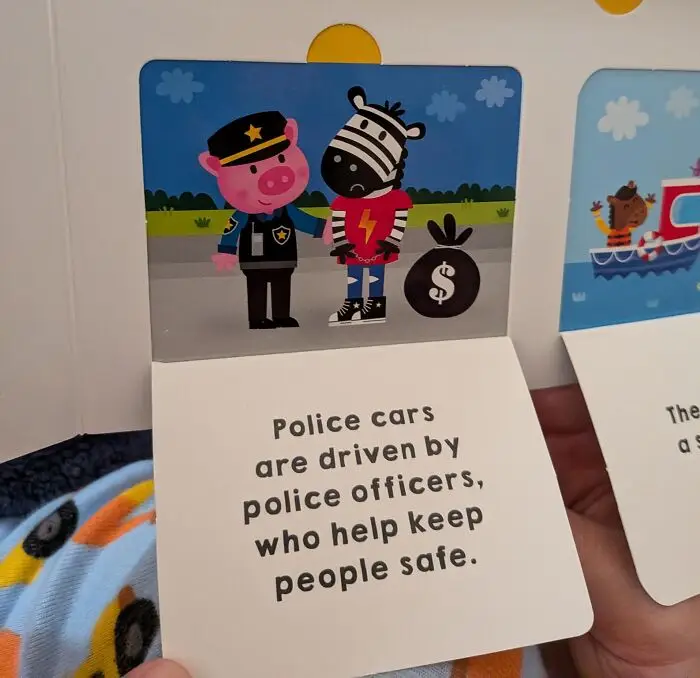


Being yourself and being assertive can be difficult, which is why people may use indirect means to get their point across. Experts at Reclaim Therapy explain that folks are also conditioned to keep their opinions to themselves and not to speak up even when something is bothering them.
Even for women, assertiveness is often seen negatively, which is why they might struggle to be so direct. That’s why it’s important for folks to slowly undo this societal conditioning so that they can truly be themselves, instead of playing a part.