


Ultimately, animals that develop camouflage that isn’t useful for the environment that they’re in typically do not survive. On the flip side, the animals that better match their surroundings have a higher chance of surviving and breeding. Their offspring will look similar to them. Gradually, over many generations, the animals will match their environments better and better.

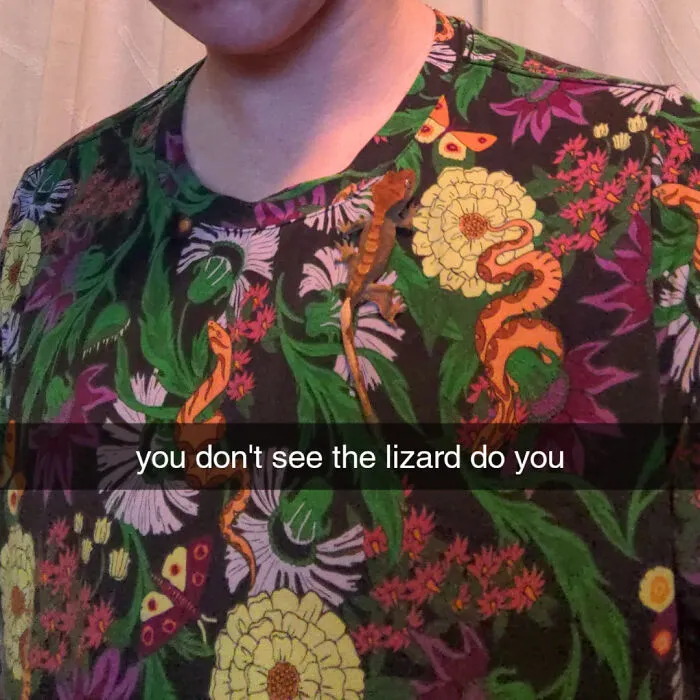
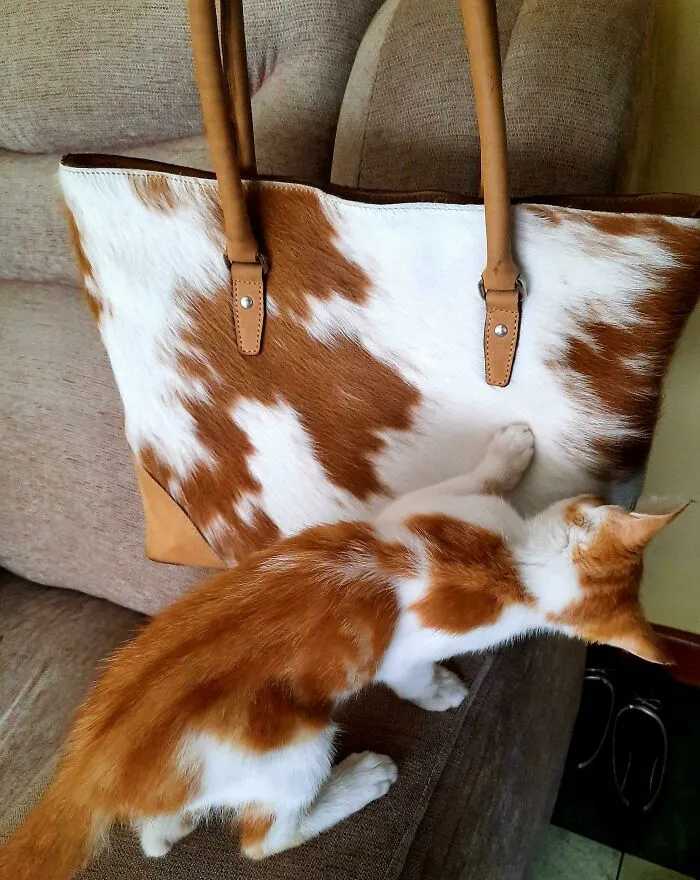
How animals will develop camo and what types of colors and patterns end up being passed on also heavily depend on the types of predators that hunt in the area. As ‘How Stuff Works’ points out, there wouldn’t be a point to animals replicating the color of their surroundings if their predators were colorblind. If new predators end up in the area, this would also disrupt how various local species develop their natural camo.
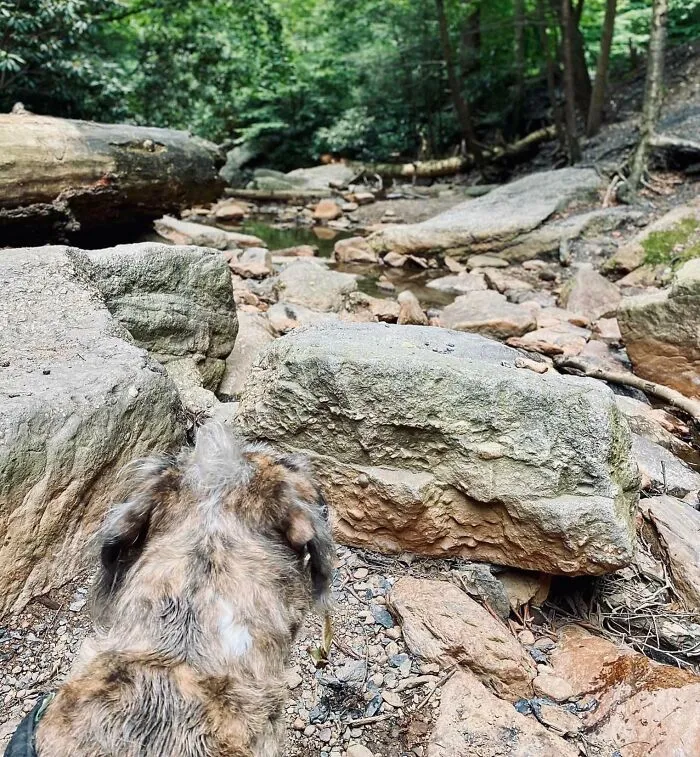
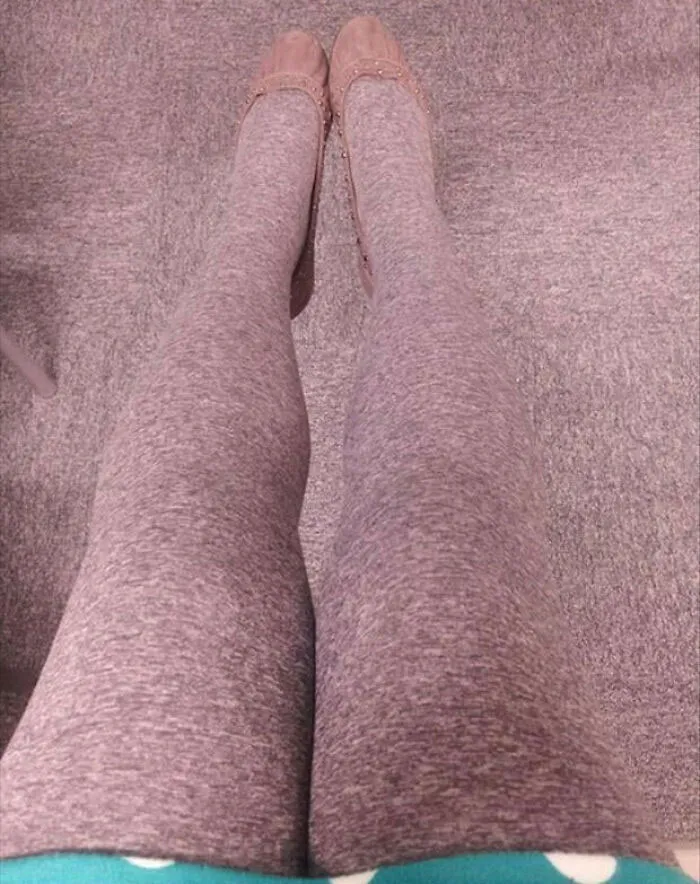
A huge issue is that due to climate change and rapid urbanization, the environments in which wildlife lives can change drastically. These changes might force some species to adapt quickly in order to survive in a landscape full of new colors, drastically changing how they look. It can also force species to migrate, creating new biospheres where camo that has served some animals for dozens if not hundreds of generations is no longer a viable strategy.
If you'd like to see some more photos of accidental camouflage, be sure to check out Bored Panda's previous features once you're done enjoying this post.
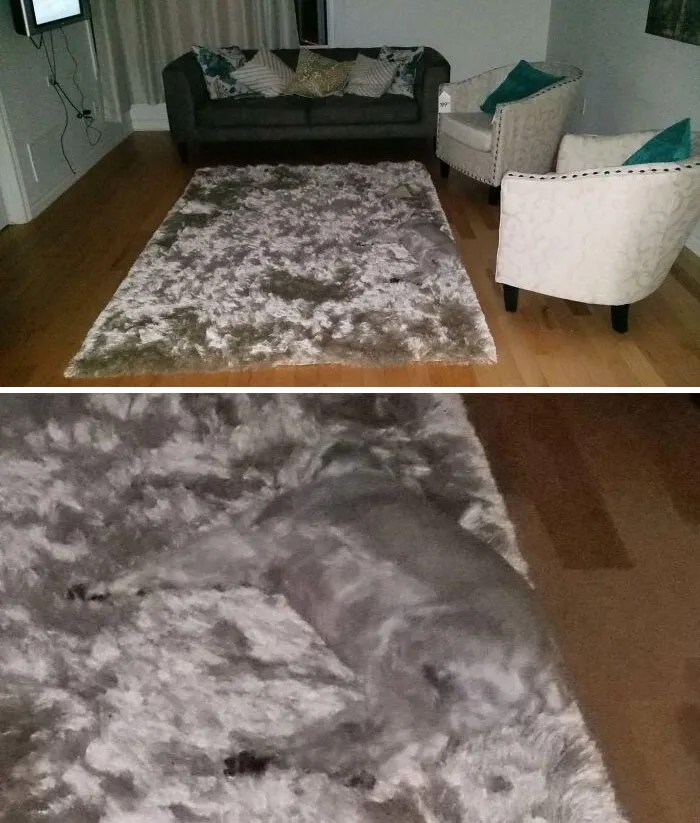
#30 My Wife And I Were Quite Happy About Our New Rug Purchase. Sadly, Though, Our Dog Ran Away The Same Day
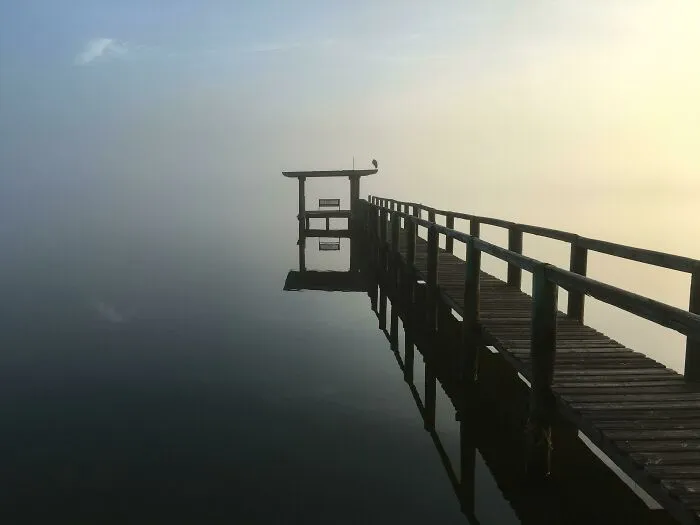
#31 A Few Years Ago I Caught The Fog Blending Almost Seamlessly With The Water
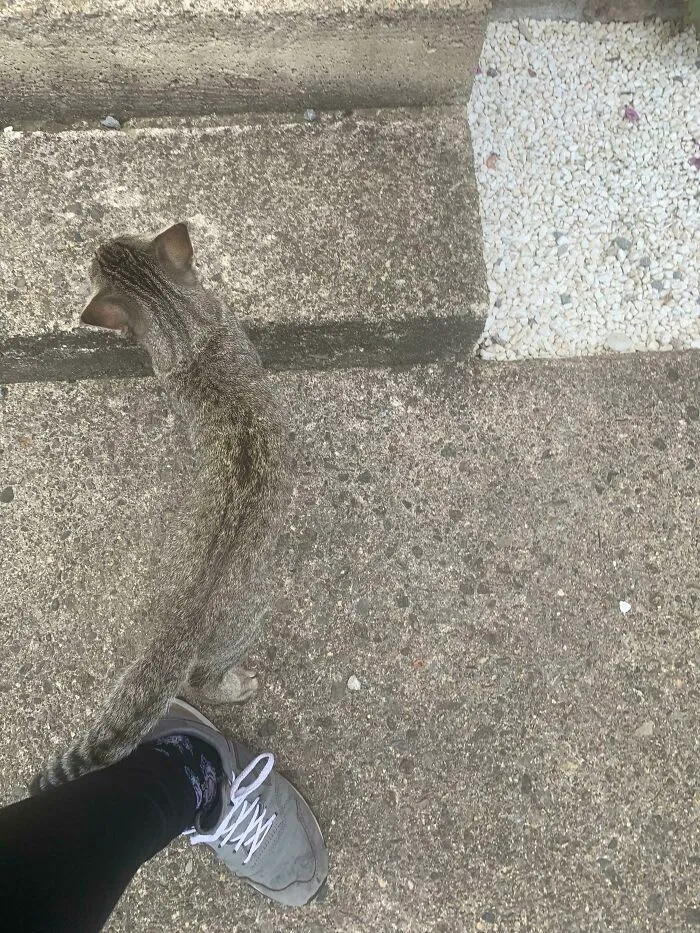
#34 I Tried To Take A Photo Of A Small Cat Whilst I Was About To Leave For My Doctor’s Appointment
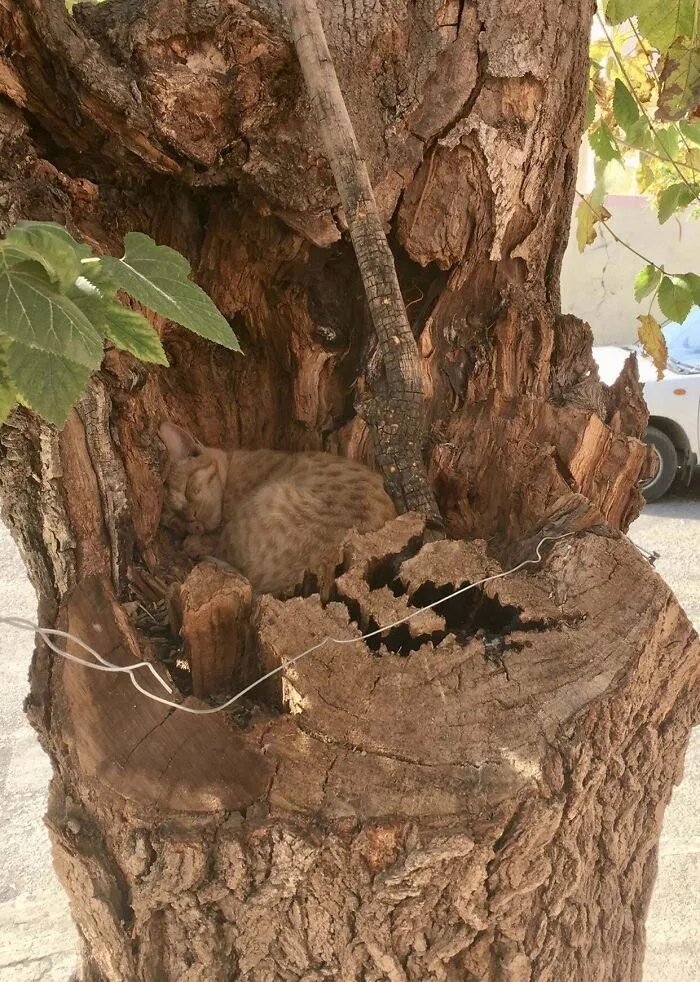
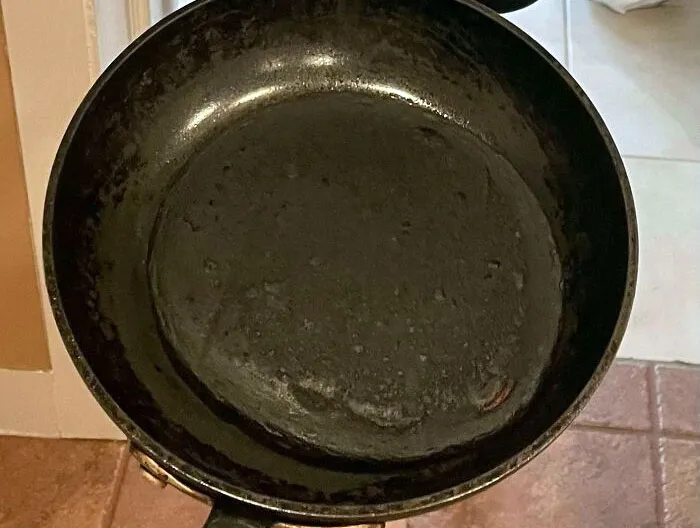
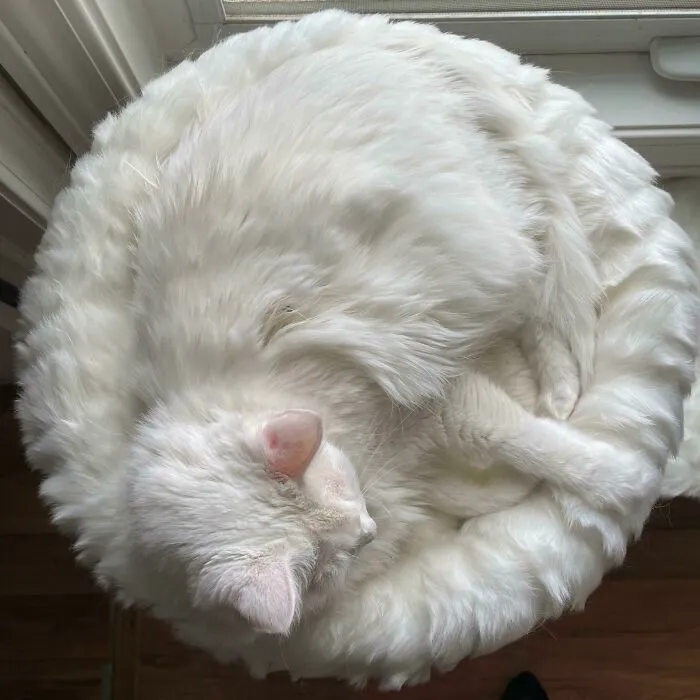
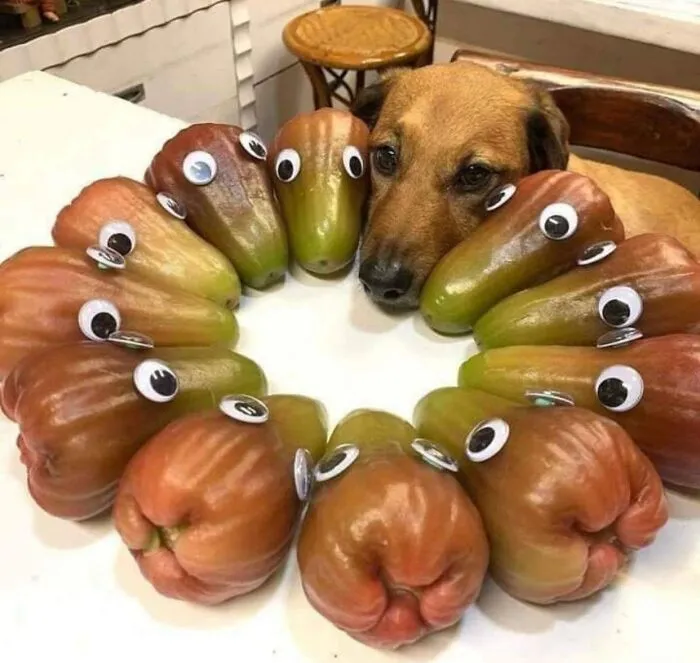
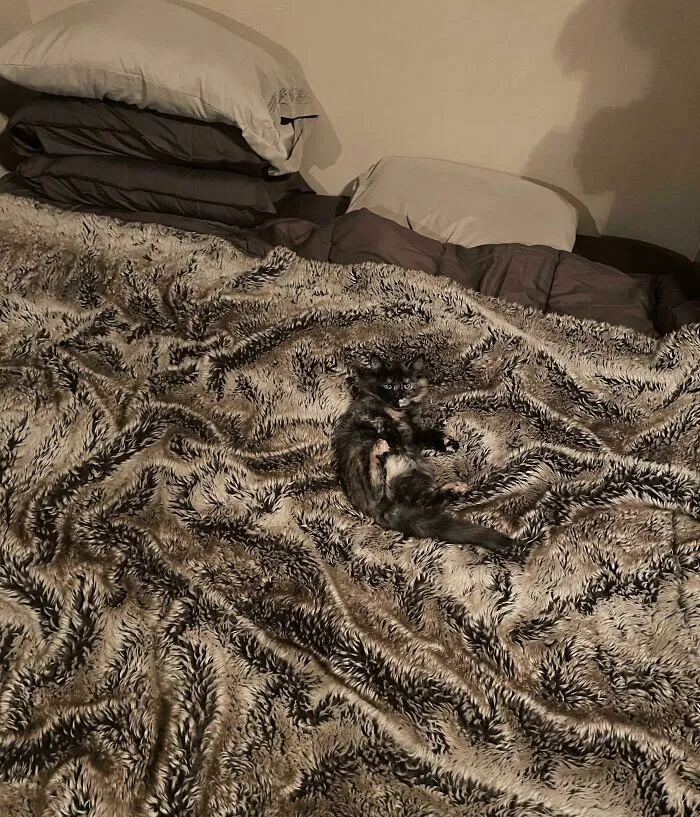
#39 Little Nyko Is The Reason I Can’t Just Jump Into Bed Anymore Without Thoroughly Scanning The Blanket First