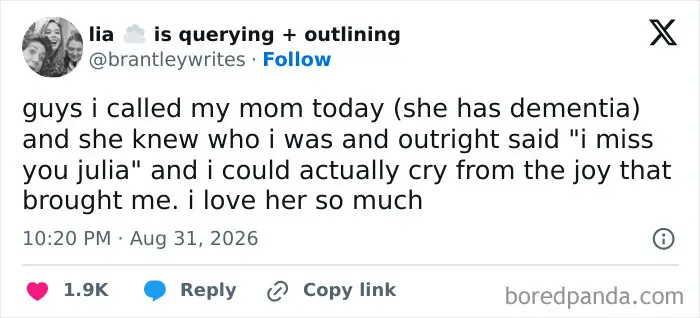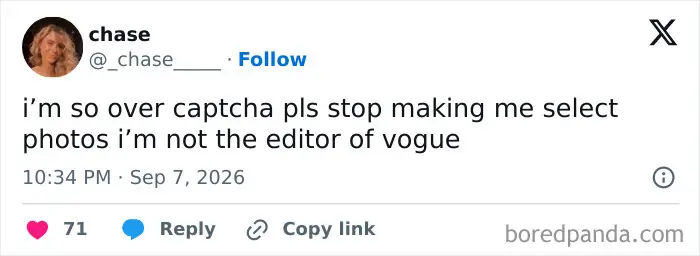


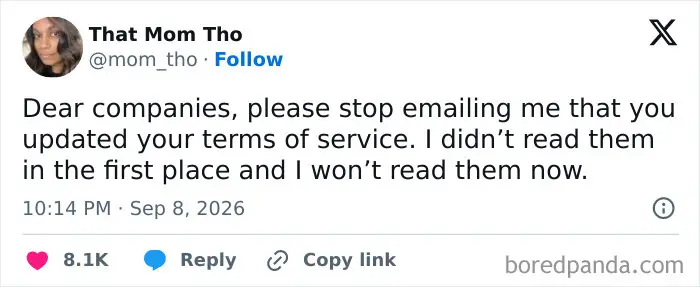
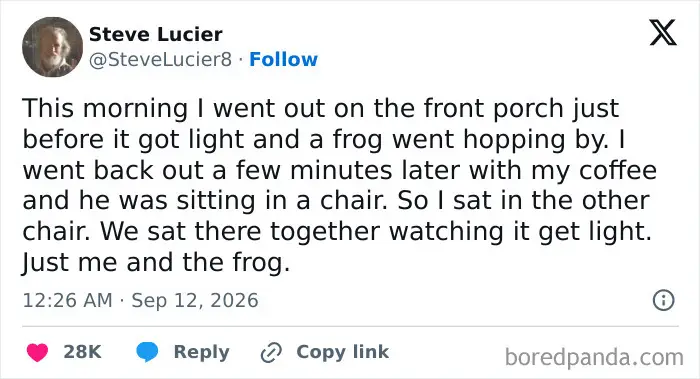

Some struggles are universal. For example, the pain of choosing the right pictures in an online CAPTCHA test. Or the absolute nightmare of trying to make friends as an adult.
These jokes are funny, first and foremost, because they hit way too close to home. Relatable humor is consistently the most well-received type of comedy because it mirrors our daily lives.



Research shows that relatable jokes instantly trigger a psychological phenomenon known as in-group bonding.
According to a 2021 study, shared humor triggers endorphin release and activates the brain’s social reward network. When we laugh at a shared struggle, our brains process it as reassurance that we aren’t alone in our silly everyday habits.
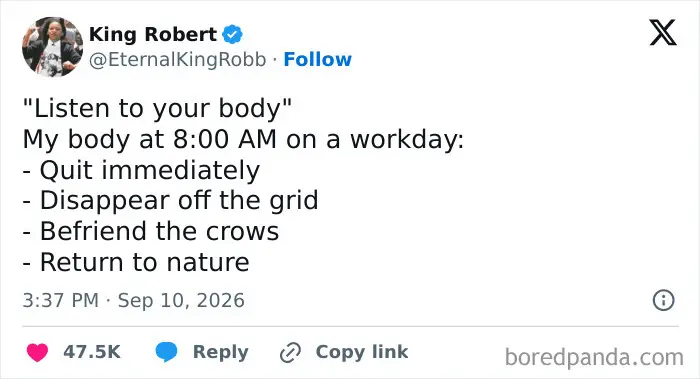

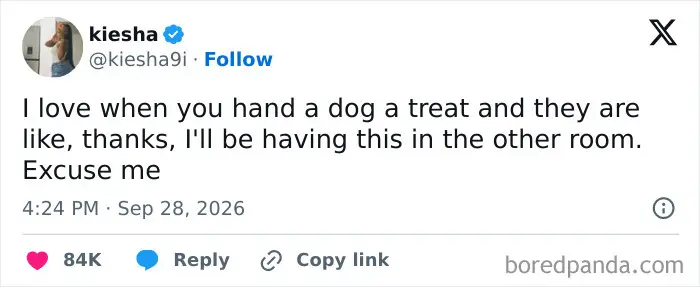
Posts blending humor and surprise get significantly more likes and retweets than posts using just one element. When an unexpected twist — such as a witty observation, a meme, or a shocking statistic — joins a sharp punchline, the impact doubles.
Studies show that this combination of surprise and comedy triggers quick reader engagement. It drives users to hit share instantly, pushing the post into viral territory.



This element of surprise works so well because of the Incongruity Theory of humor — it means our minds expect one thing, but a joke suddenly delivers something completely different.
German philosopher Immanuel Kant described humor as a stimulating juxtaposition. He saw it as a quick, unexpected shift of ideas — much like playing a strategy game or following sudden tempo changes in a piece of music. Other scholars who study incongruity argue that humor happens when the brain experiences a sudden disruption in a pattern it fully expected to continue.
On X, Incongruity Theory frequently leads to funny misunderstandings. That is mostly because joke tweets are almost always framed like basic, everyday observational posts. When the platform first launched, people praised it as a simple space to post quick life updates and share ordinary thoughts. Even though it has evolved into a massive, multifaceted network, many users still treat tweets as literal statements — and that is where the humor is born.
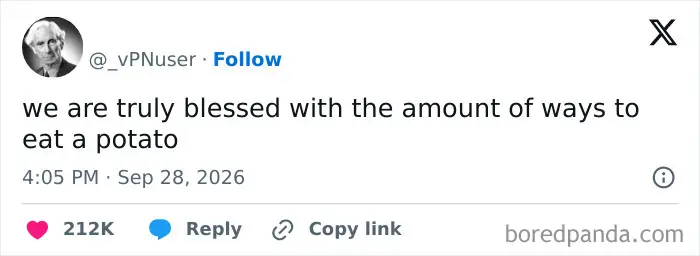

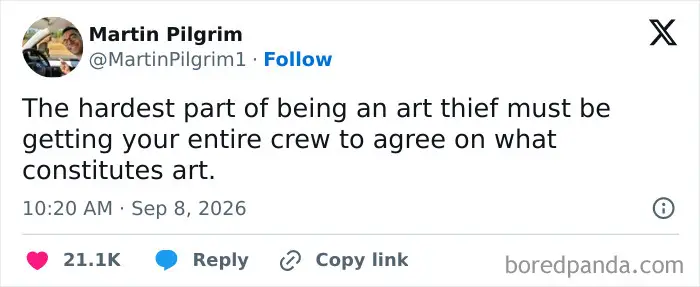
Jokes and memes also sear themselves into our consciousness in a way that more complex and sophisticated opinions struggle to.
“You’re far more likely to remember a joke than an argument. The key thing about humor is that it’s entertaining, ultimately. People like to laugh, and therefore it’s more memorable — you can make a point that penetrates more rapidly just on that basis,” says Andrew Doyle, a satirist and creator of a parody Twitter account.
While a detailed essay requires active focus to read and evaluate, a sharp meme delivers its message instantly. You get the setup, the twist, and the emotional payoff in a split second. Because it triggers a quick laugh, your brain logs the post as an enjoyable moment, making you far more likely to recall it — and share it with others — days or weeks later.
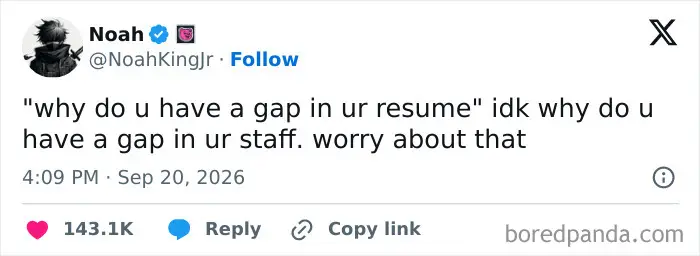
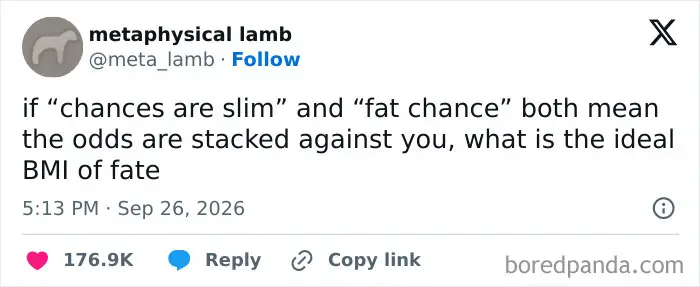

Recent academic research breaks down exactly how people use comedy on X. A 2023 study analyzed the specific types and functions of humor posted across popular accounts on the platform.
The researchers used established linguistic theories to break down dozens of viral posts into clear categories. Out of all the verbal humor styles out there — including riddles, puns, satires, and classic punchlines — one style easily topped the list: irony.
People on X naturally default to ironic commentary. They post subtle, dry observations that contrast what we expect with what actually happens in real life.