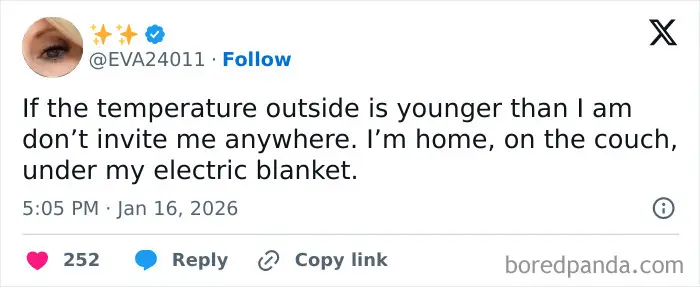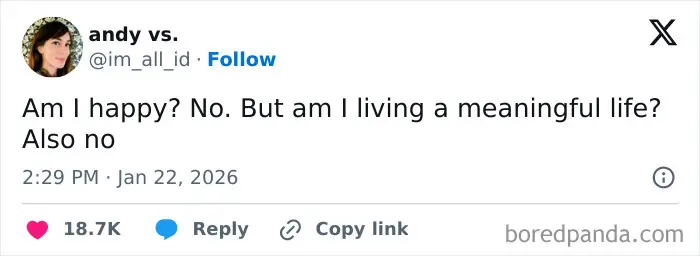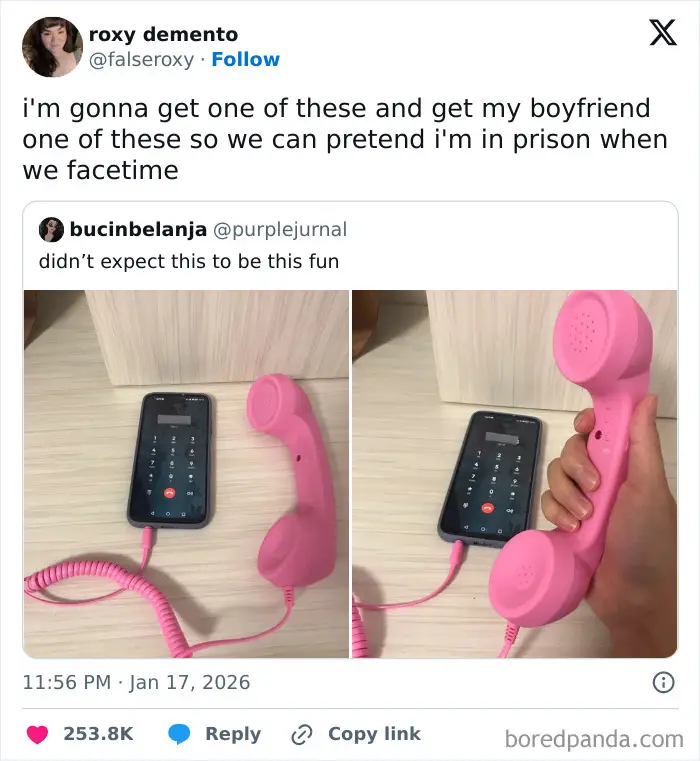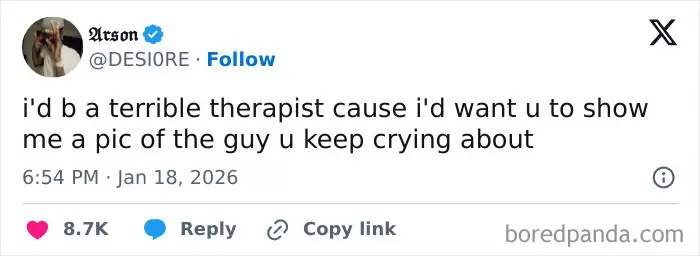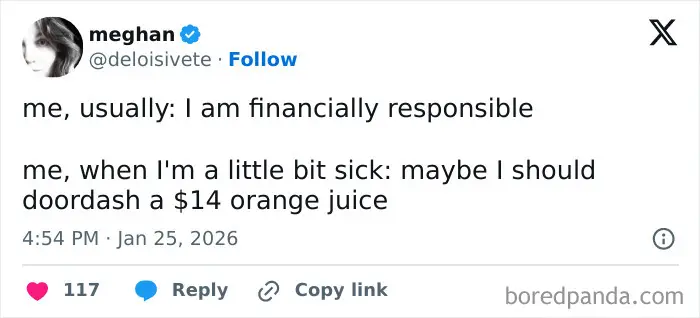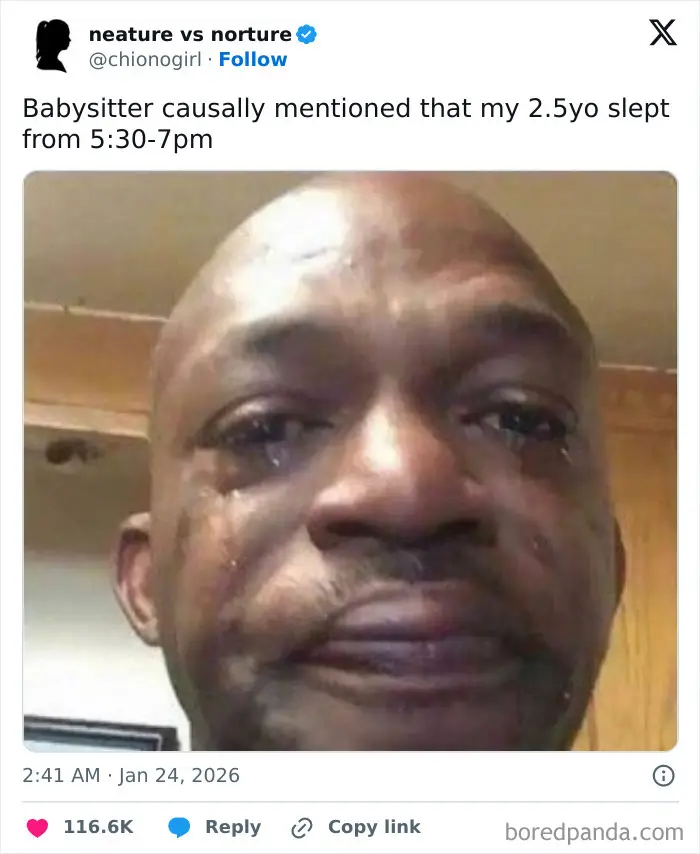


This is why some of the most iconic "Twitter jokes", like the "Me/Also Me" format or the "Expectation vs. Reality" posts, thrive on brevity. They use the layout and the limit to tell a story in a single glance, turning the platform into a gallery of digital haikus that happen to be about memes and existential dread.
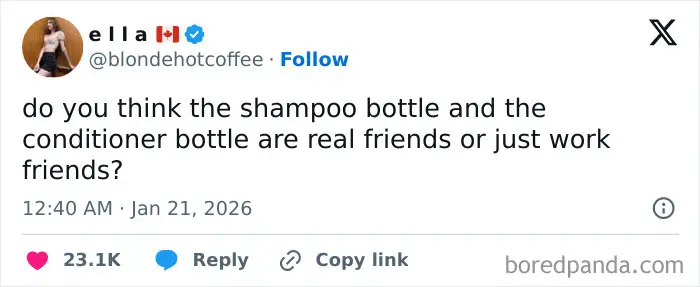

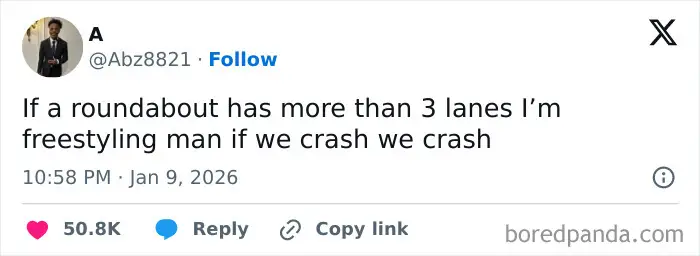
Even when the platform doubled the limit from 140 to 280 characters, the culture of brevity remained. It turns out that once you’ve learned how to dance in a small room, you don’t necessarily want a ballroom, you just want enough space to move your arms without hitting a lamp. This "sweet spot" of constraint ensures that the platform doesn't just become a collection of unedited diary entries.

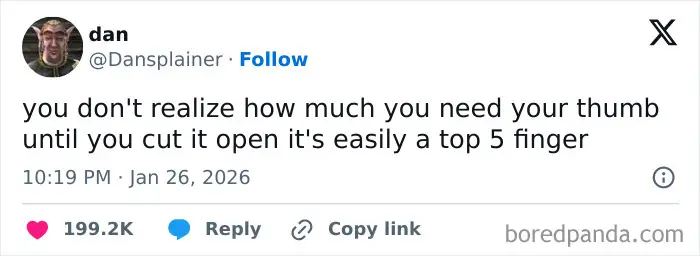

By keeping the walls close, the platform preserves its identity as a place for "snappy and pithy" communication. We’ve all seen what happens when people are given too much room, they start "threading," which is essentially just writing a book one page at a time while everyone else in the library is trying to watch a ten-second clip of a dog wearing sunglasses. The character limit is the invisible referee that keeps the game moving fast, ensuring that the wit stays sharp and the readers stay awake.



It reminds us that sometimes, the best way to be heard isn’t to talk louder or longer, but to say exactly what needs to be said and then get out of the way. It’s a beautiful, chaotic lesson in the power of "less is more," proving that the human mind is at its most brilliant when it is being told exactly what it can't do.