

Alyssa Acosta, APCC, head of the Adolescent Partial Hospital Program at Loma Linda University Behavioral Health, explains that, upon seeing perfection on social media, young people might feel inadequate and start struggling with low self-esteem and body dysmorphia.
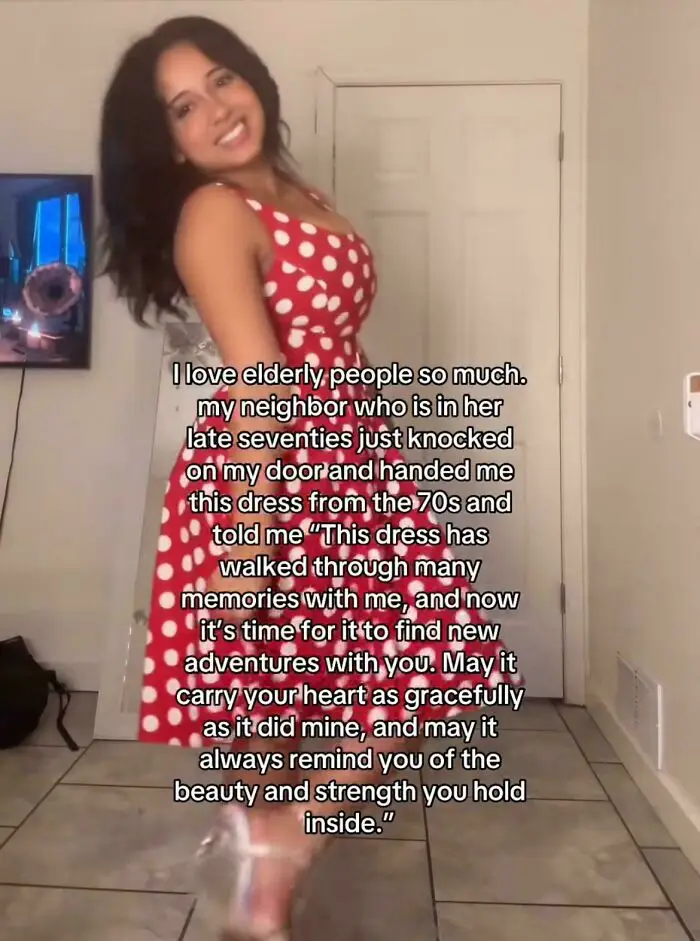
To battle our feelings of low self-esteem, we try to look for validation and approval online. Some folks even go so far as to post about how sad they are to gain sympathy. Researchers have actually given a name for this: "sadfishing." You, too, probably have that friend who feigns depression or sadness online from time-to-time to get some attention.
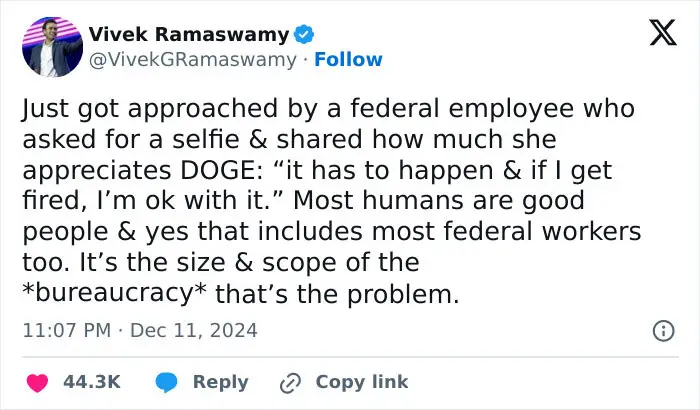
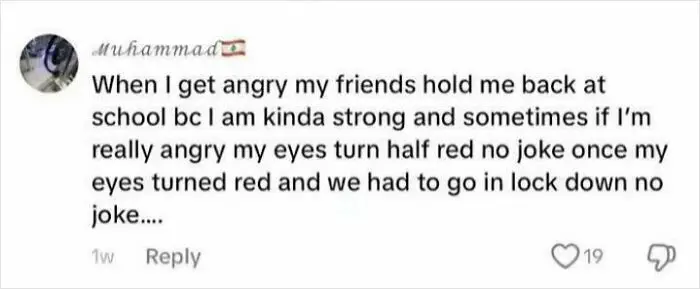
#26 Watch Out Guys, You Don’t Wanna Be Near The Reaper When His Eyes Turn Blue 😈🥶
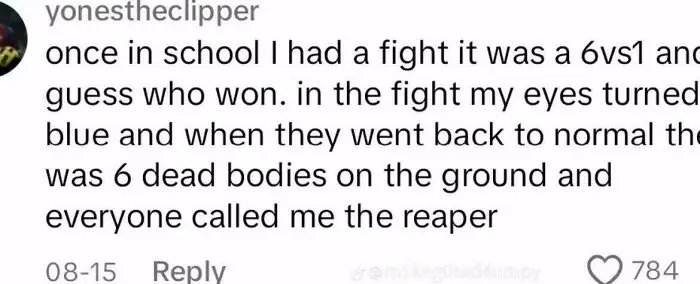
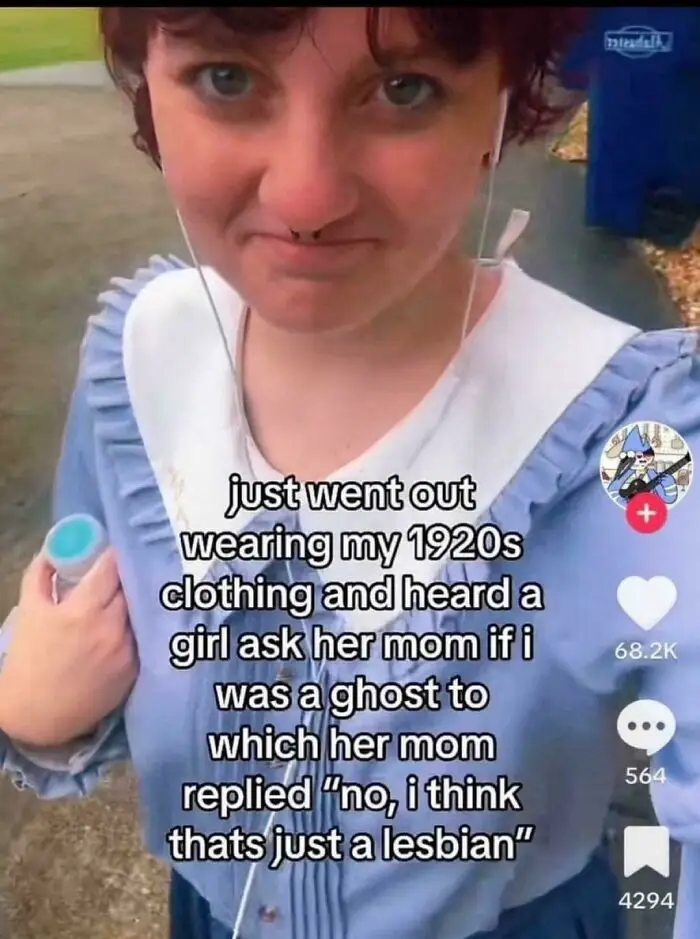
Professor of Media Psychology at Fielding Graduate University Pamela Rutledge, Ph.D., M.B.A. suggests that the internet itself doesn't make us more dishonest. "Honesty is about people. We lose sight of the fact that for every opportunity to be dishonest online, there are as many offline." Perhaps those who lie online would do so just as enthusiastically in real life, too.
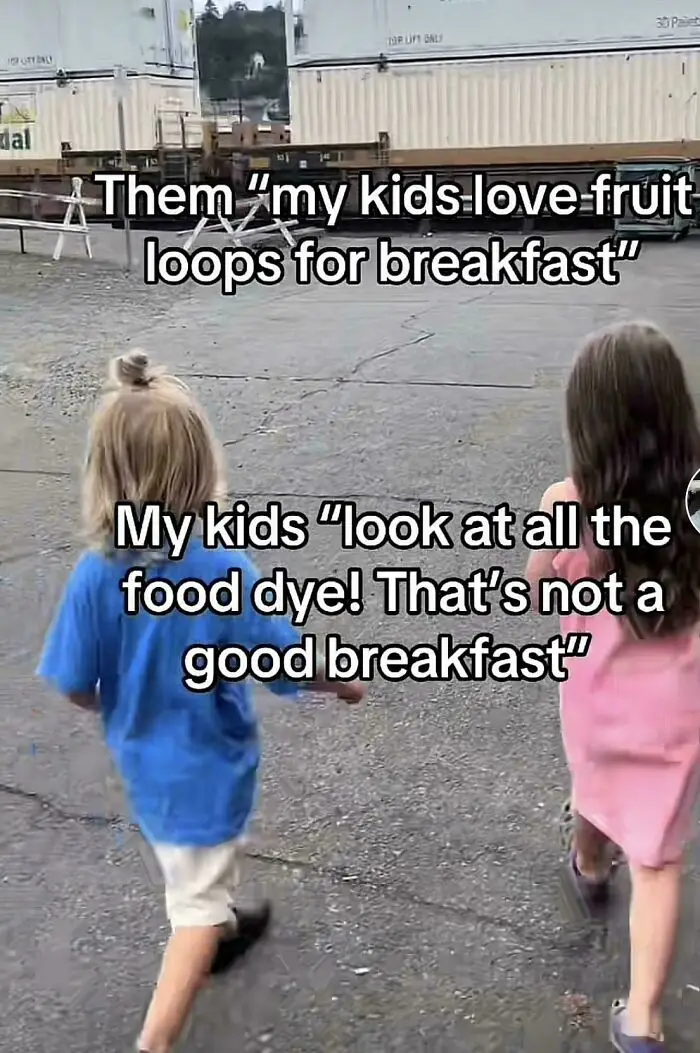
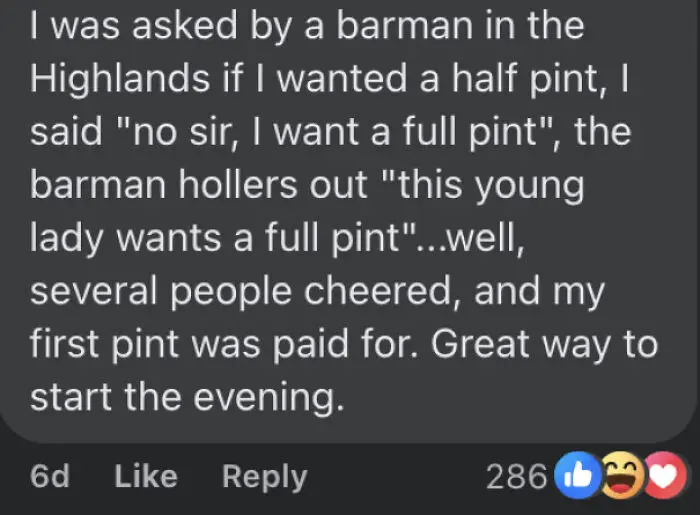
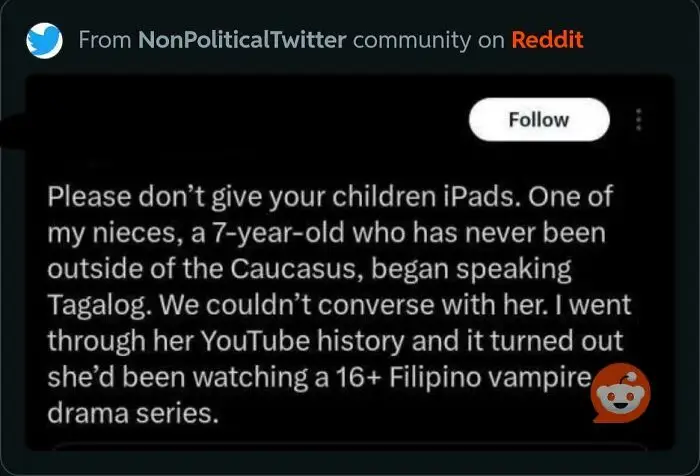
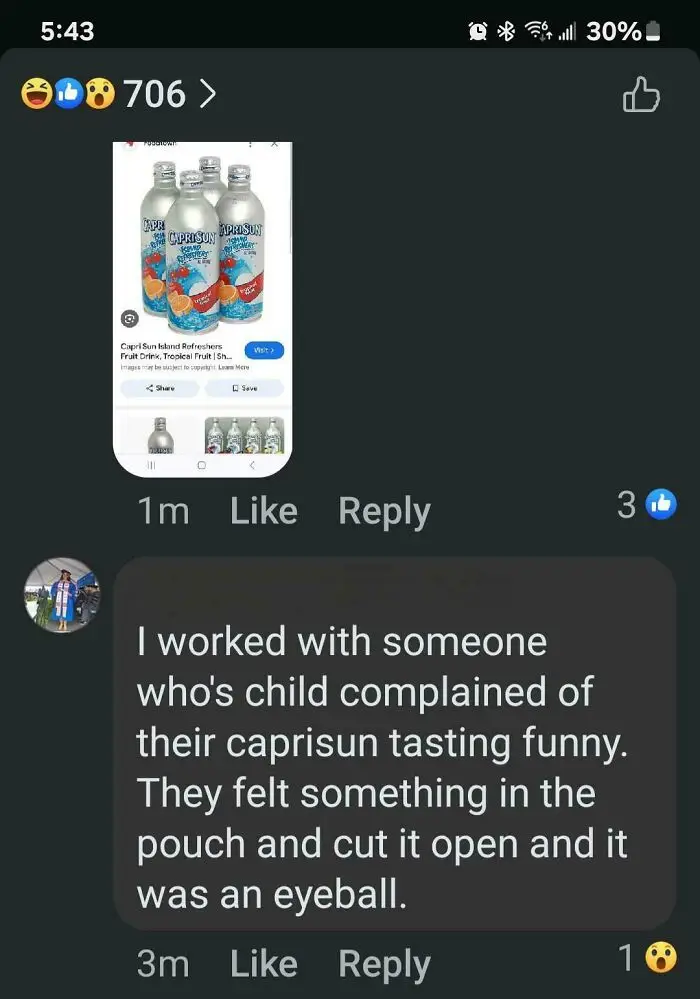
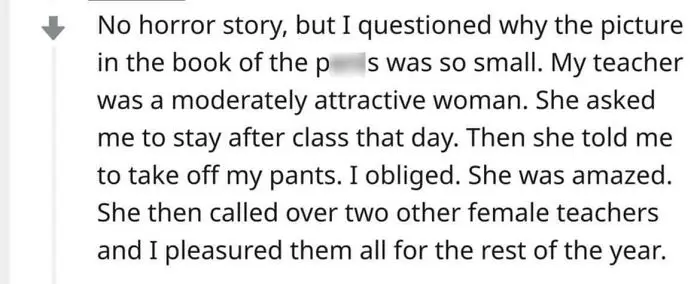
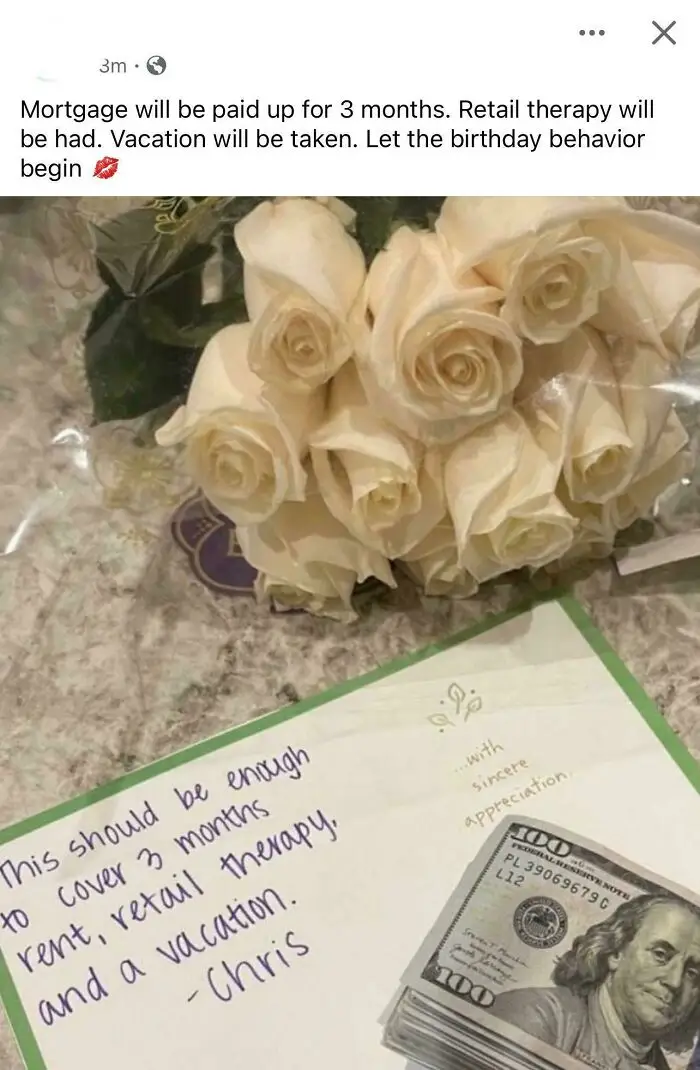
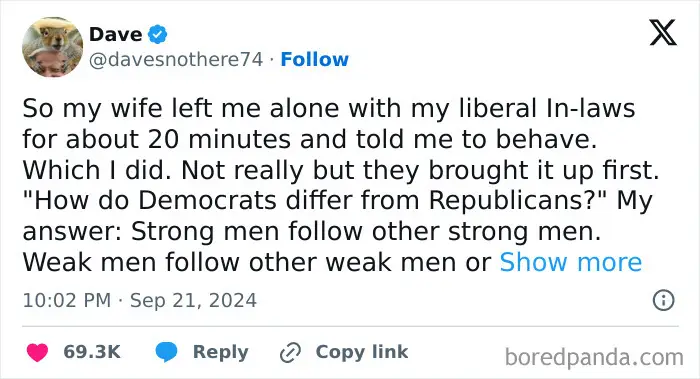
But what about these ridiculous stories, Pandas? Do you think people would have the stones to recount these in real life? Let us know which ones you found the most absurd and funny in the comments! And while you're here, don't forget to check out our previous posts about the r/thatHappened subreddit here and here!
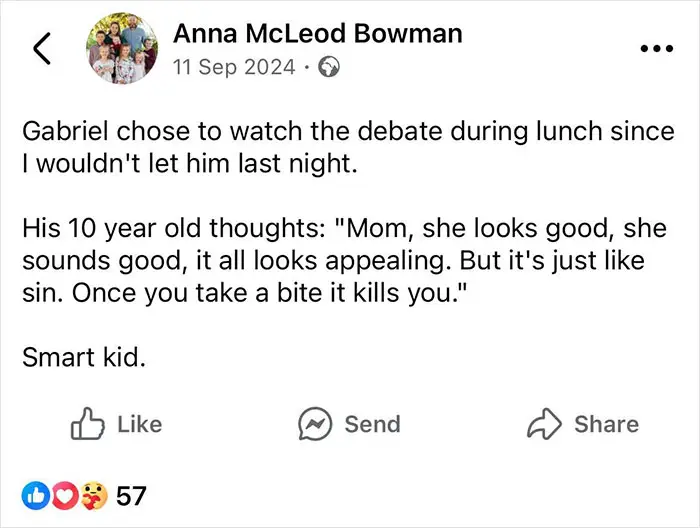
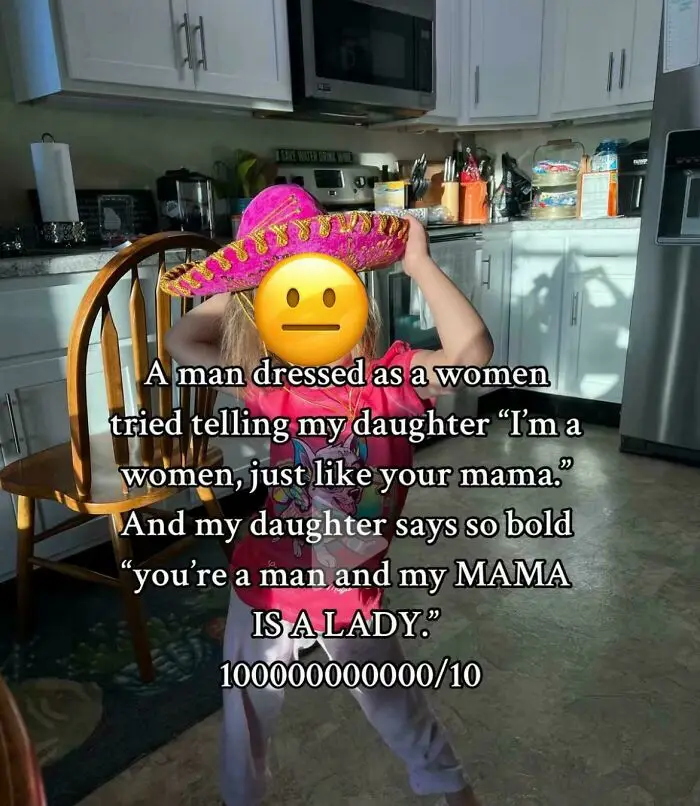
#31 It’s So Weird When People Voice Their Personal Opinions Through Fake Narratives Involving Their Kid
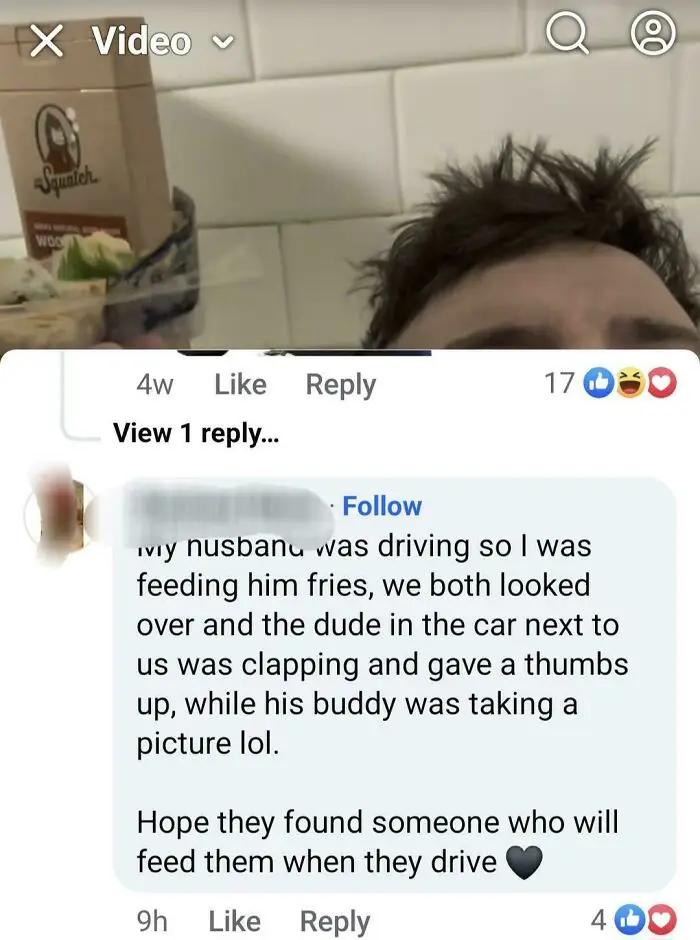
#36 The Guy In The Car Next To Them Then Unfortunately Wrecked Because He Was Clapping Instead Of Driving
#37 I Don't Know Why But I Get Second Hand Embarrassment To Music Related Things Like This