





The natural world is wildly diverse, filled with thousands of animal species, each flaunting its own bizarre quirks. And, as a playful twist on that famous Animal Farm quote goes: all animals are weird, but some are way weirder than others.
In this list, we’re spotlighting 27 of the strangest behaviors out there. From poop-slingers and slime-blasters to moonwalkers and stink-fighters, these interesting animal facts promise a wild ride.
#21 Hagfish Instant Slime Grenade
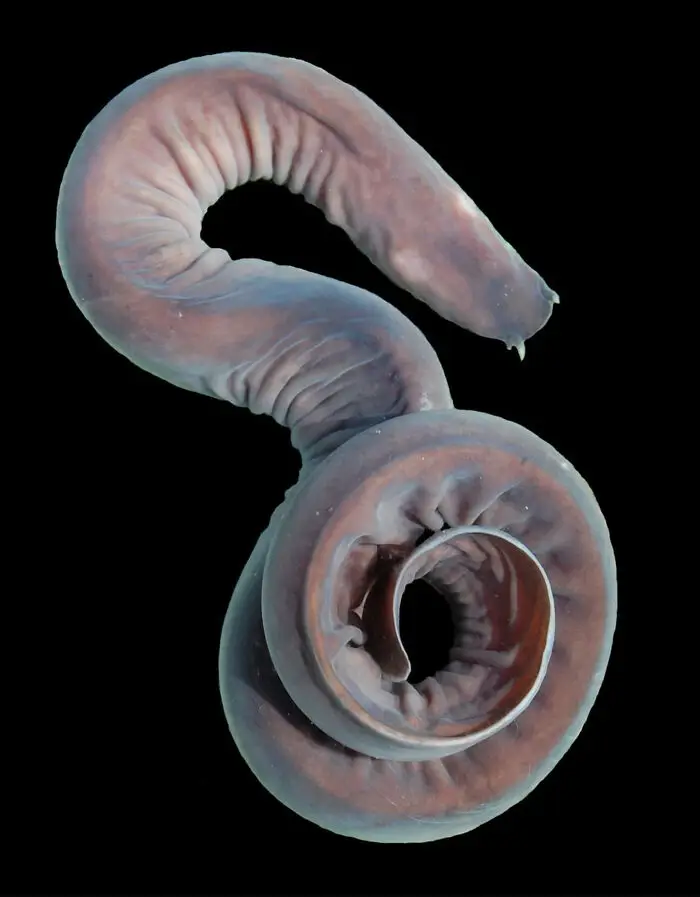
Of all the bizarre creatures on this list, few are more unnerving than the Hagfish. Also called "slime eels," these deep-sea dwellers have been around for over 330 million years.
More than just creepy to look at, hagfish produce "slime grenades" to defend themselves, a defense mechanism documented in a 2011 study in Scientific Reports.
The slime can even kill predators like sharks by choking their gills. To clean themselves off, hagfish tie into knots and push the slime off their bodies, like wringing out a wet rag.
Report
6points
#22 Red‑capped Manakin Branch Moonwalk
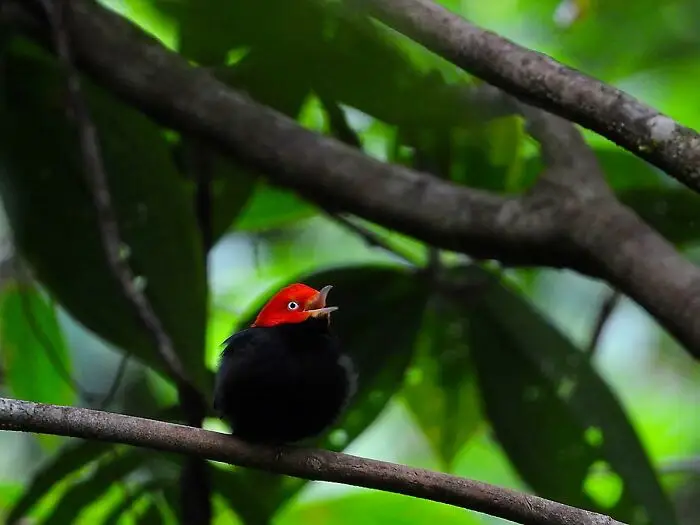
Among birds, male Red-Capped Manakins stand out with their jet-black bodies and vivid red heads. But it’s their dance moves that really steal the show.
These flashy birds are known for their moonwalk-like mating dance, a behavior explored in a 2020 study from Royal Society Open Science.
To court a female, the male shuffles backward across a thin branch, gliding in a move that rivals Michael Jackson. He also performs additional acrobatics, hanging upside down, darting side to side, and leaping between branches in a dazzling display.
Report
6points
#23 Bombardier Beetle Hot Chemical Pop
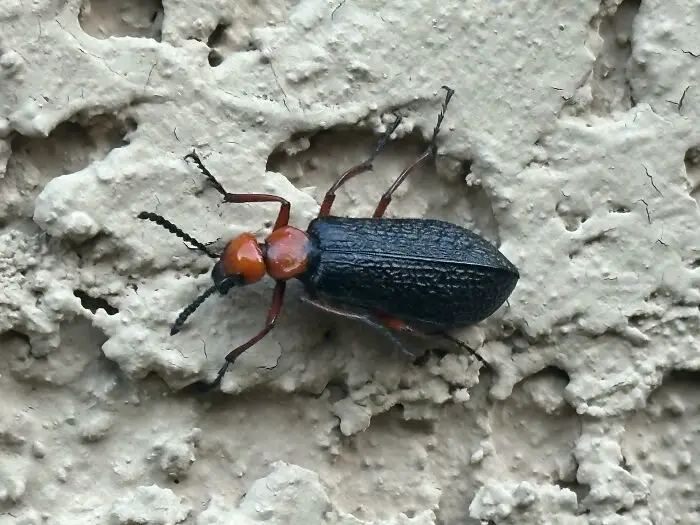
Bombardier Beetles may look ordinary at just half an inch (13 mm) long, with reddish bodies and orange legs, but they’re armed with one of the wildest defense tactics in the insect world.
Their unique physiology includes two internal sacs filled with separate chemicals, as outlined in a 1990 paper published in Science.
When threatened, the beetle mixes those chemicals inside its body, heating them to 100 degrees Fahrenheit before firing the reaction in a powerful, well-aimed spray.
They can repeat this up to 20 times per encounter and rotate up to 270 degrees, hitting attackers from nearly any angle.
Report
5points
#24 Fieldfare Poop‑catapult Defense
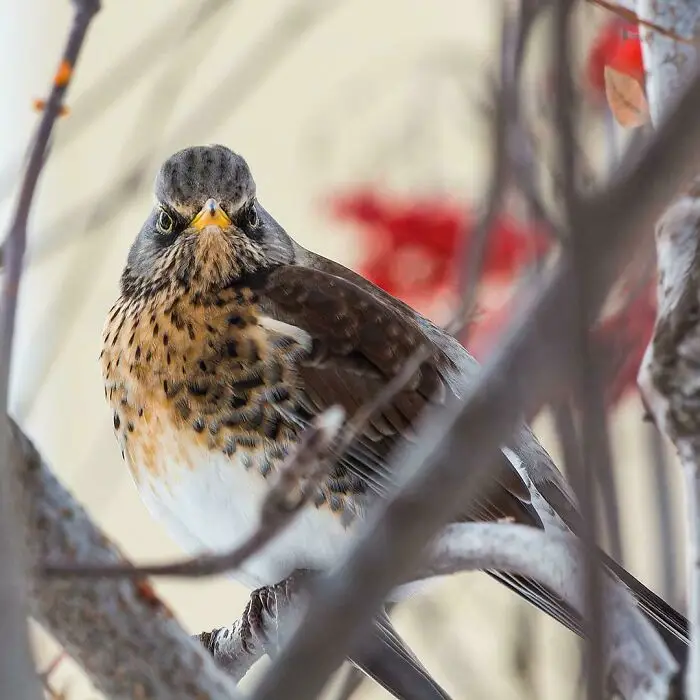
Male and female Fieldfares look almost identical, with matching plumage that sets them apart from most birds on this list. Native to Scandinavia and Russia, they migrate to the UK and parts of Africa depending on the season.
According to The Wildlife Trusts, fieldfares are fiercely territorial. If crows or other predators encroach on their space, they retaliate by launching high-speed feces volleys.
The poop can glue a crow’s wings together, grounding the intruder and forcing a retreat.
According to The Wildlife Trusts, fieldfares are fiercely territorial. If crows or other predators encroach on their space, they retaliate by launching high-speed feces volleys.
The poop can glue a crow’s wings together, grounding the intruder and forcing a retreat.
Report
5points
#25 Pacific Herring Fart Morse Code

Found throughout the Pacific Ocean from Alaska to Japan, the Pacific Herring is a schooling fish that can grow up to 45 cm long and live for as long as 20 years.
They travel in large schools, only breaking off temporarily to mate. Even then, these fish have a surprisingly odd way of reuniting.
Pacific herrings use a unique form of communication called Fast Repetitive Ticks (FRTs), described in a 2004 paper from the National Library of Medicine. These are, quite literally, quick bursts of underwater flatulence that grow louder and more frequent the closer the fish are to each other.
They’re usually performed at night or when visibility is low. Still, if you ever get lost in the dark, you’re probably better off just yelling.
Report
4points
#26 Basilisk Lizard Jesus Water Sprint
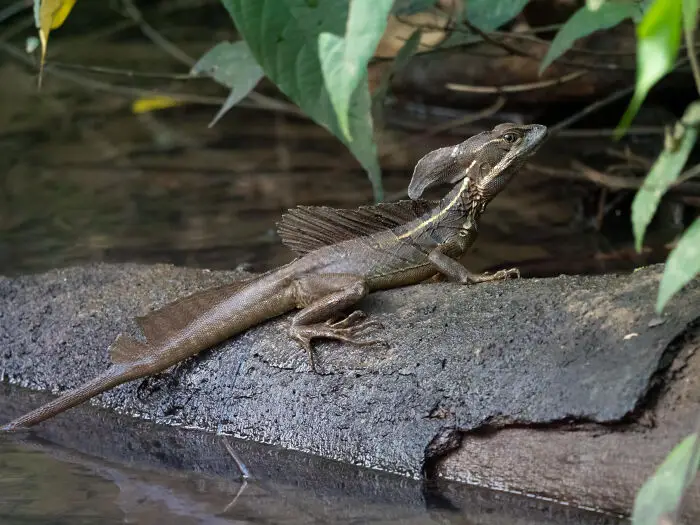
Found near the waterfronts of Central America, the Basilisk Lizard feeds on fish, birds, fruits, and flowers. Locals often call it the "Jesus Christ Lizard."
These reptiles can run across the surface of water, a feat explained in a 2004 study in the Proceedings of the National Academy of Sciences.
The trick lies in their large hind feet. With long, scaled toes, they create quick air pockets under each step, giving them enough lift to sprint across the water before sinking.
Report
4points
#27 Skipper Caterpillar Fecal Launcher
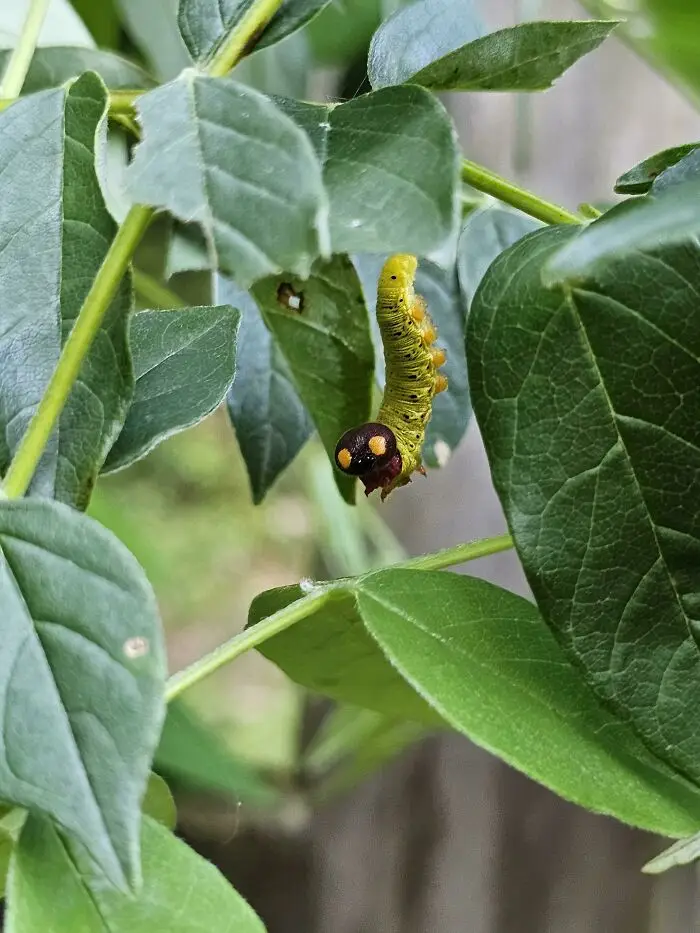
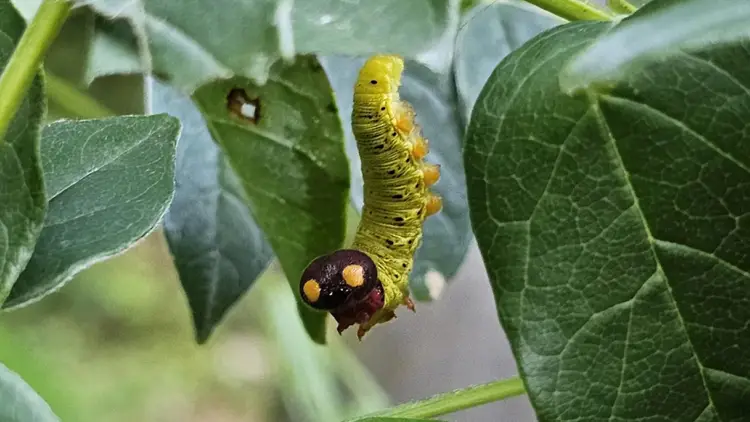
Skipper caterpillars are often overlooked as the larval stage of what will one day become a butterfly, but their behaviors are remarkable.
In addition to folding leaves and sealing them with silk to build shelters, they can fling their feces up to 40 feet, a defense tactic that masks their scent and helps ward off predators, as described in a 1998 study in the Journal of Experimental Biology.
In addition to folding leaves and sealing them with silk to build shelters, they can fling their feces up to 40 feet, a defense tactic that masks their scent and helps ward off predators, as described in a 1998 study in the Journal of Experimental Biology.
Report
3points

