

Friends are a big part of our lives. We share our problems with them, ask for advice, and invite them into our personal spaces. And when we’re close to someone, it’s only natural for them to have opinions about the things we do. But that doesn’t mean they always get a say in our decisions.
One Redditor found herself in an uncomfortable situation when her friend suddenly started making strange comments about her home, almost as if she lived there herself. She wasn’t sure what to make of it, but as it turned out, those comments were only the beginning.
The woman was taken aback by her friend’s strange comments about her home

She was tempted to tell her to mind her own business but wondered if such a harsh response would be going too far









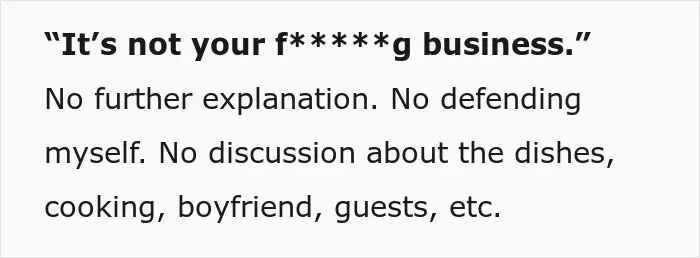
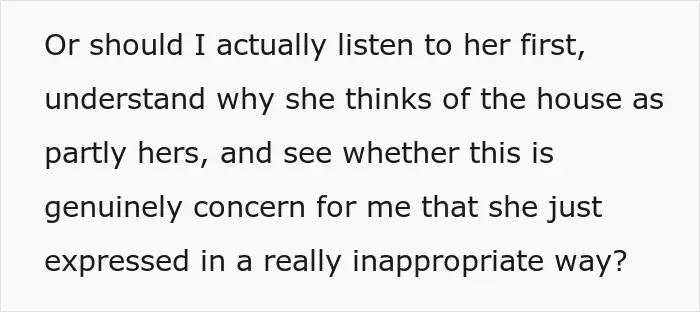


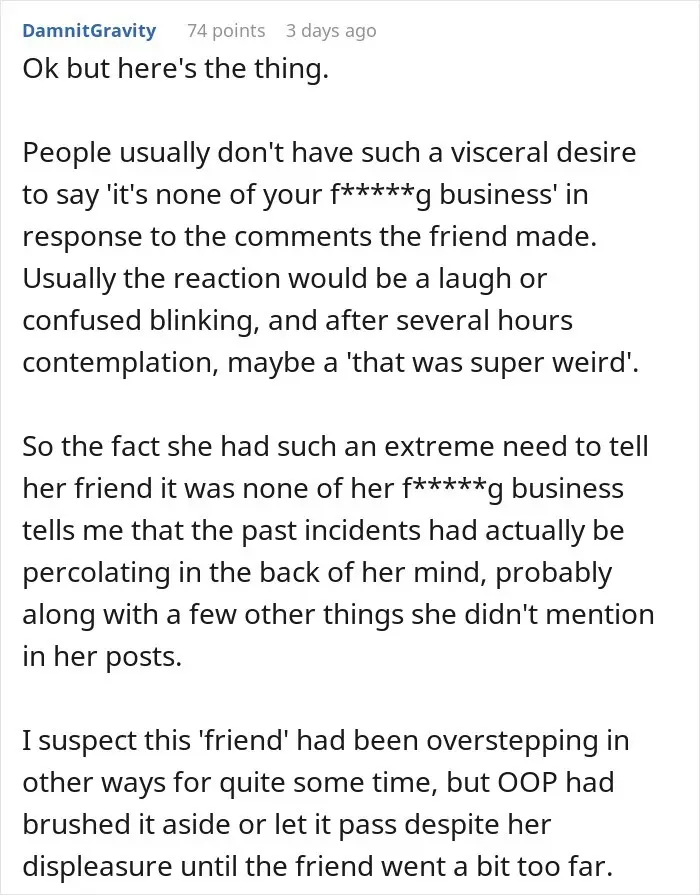
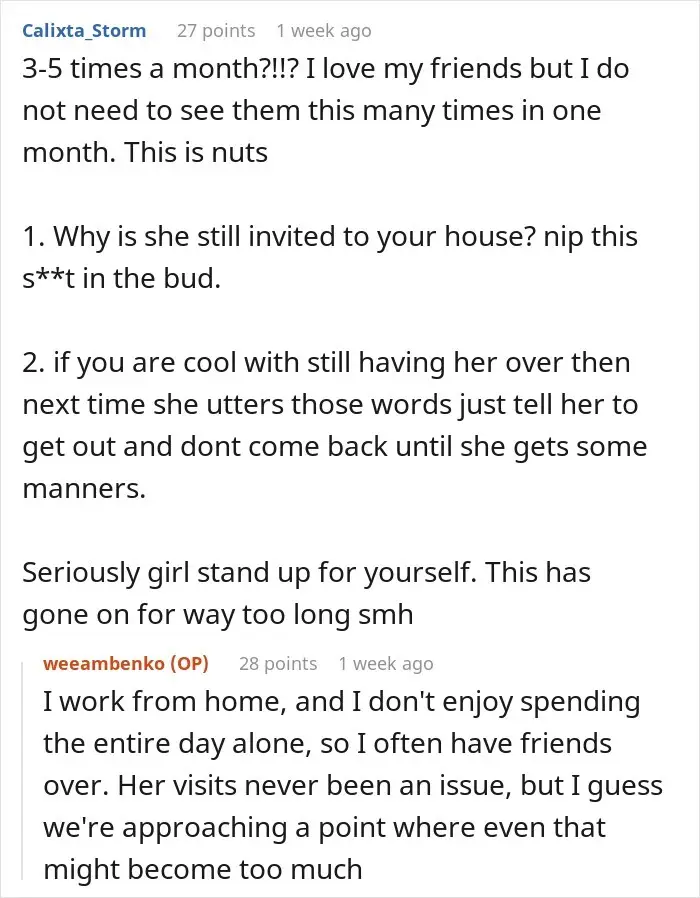
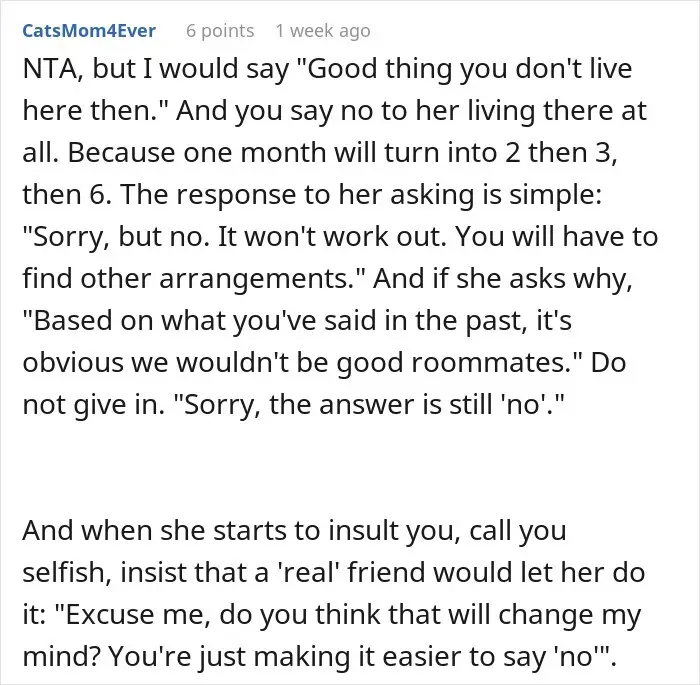
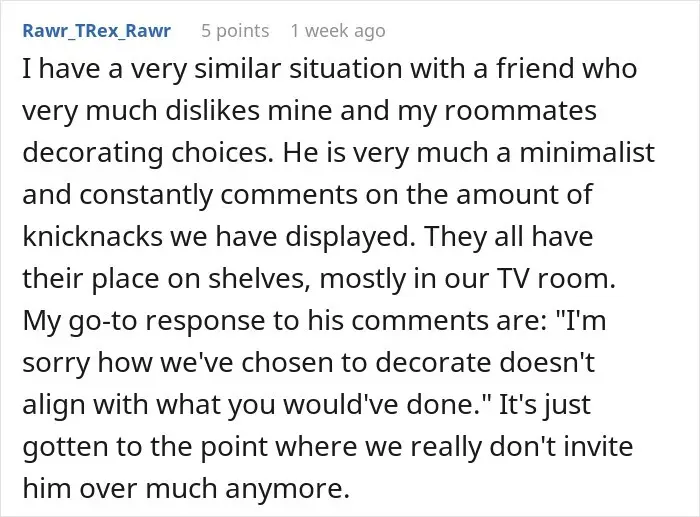
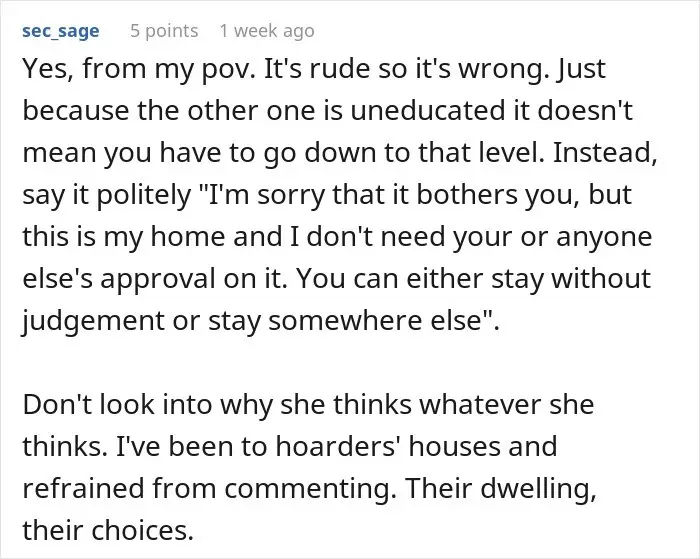
Many readers thought she should speak her mind, while others felt she should do it in a more polite way
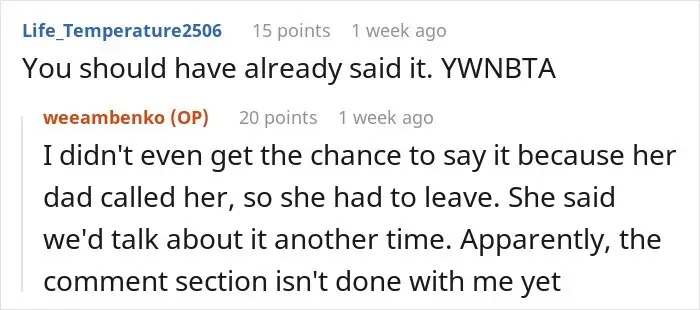
















Later, the woman returned with an update after learning the surprising reason behind her friend’s comments



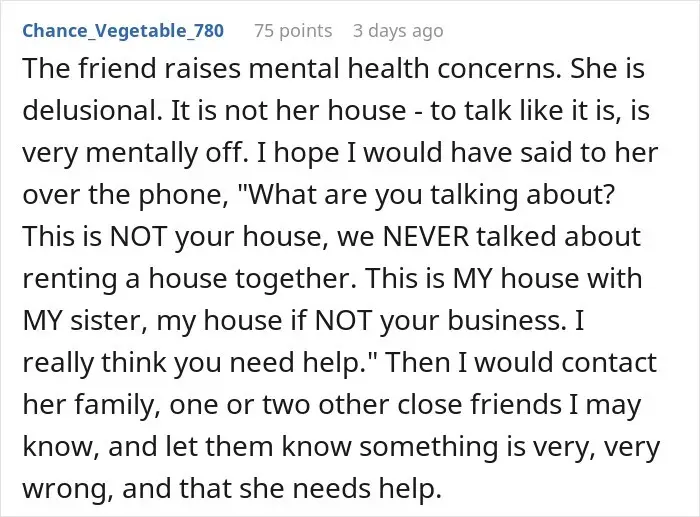
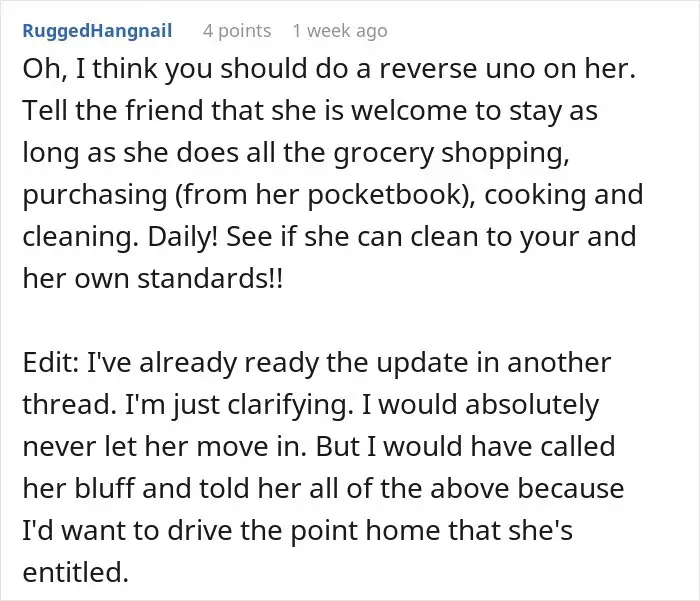
Readers advised her not to let her friend move in




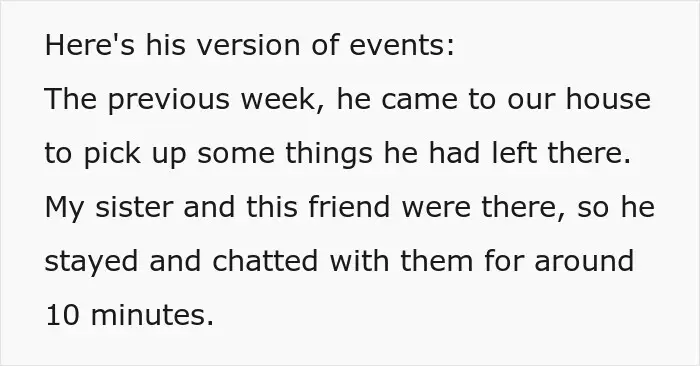
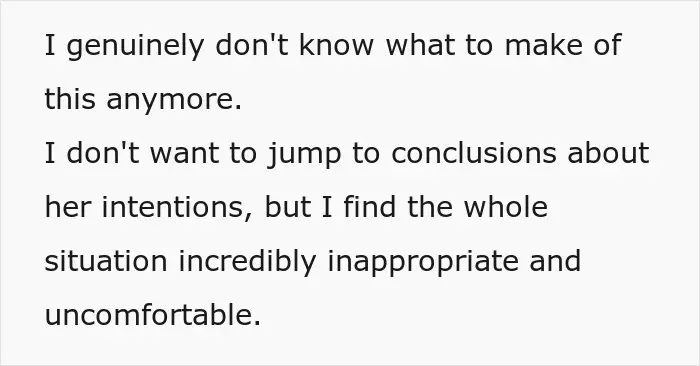
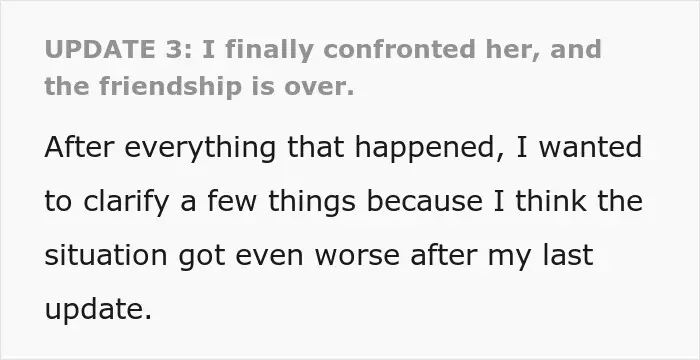
The woman eventually confronted her friend about her behavior, but the situation took an unexpected turn
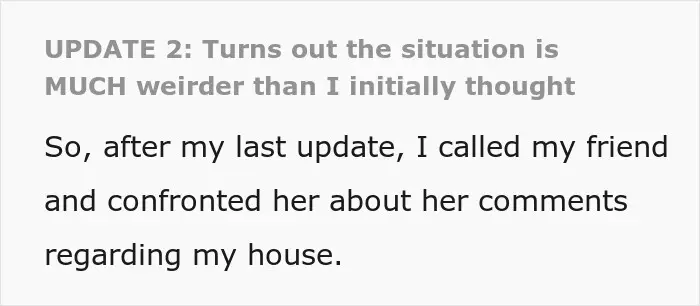
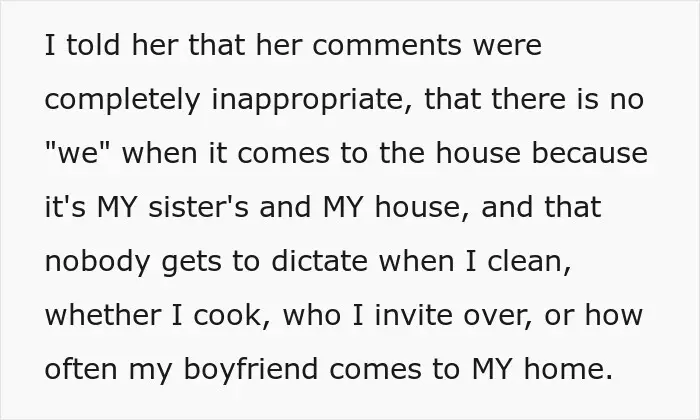

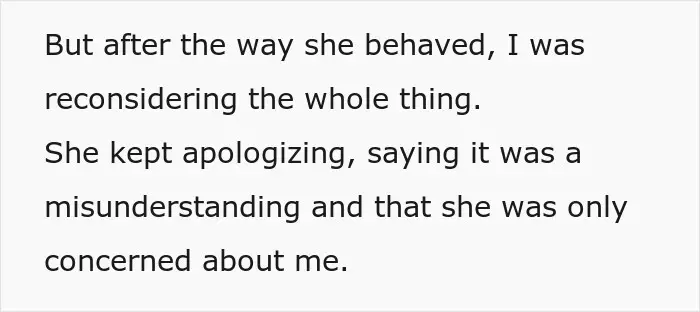
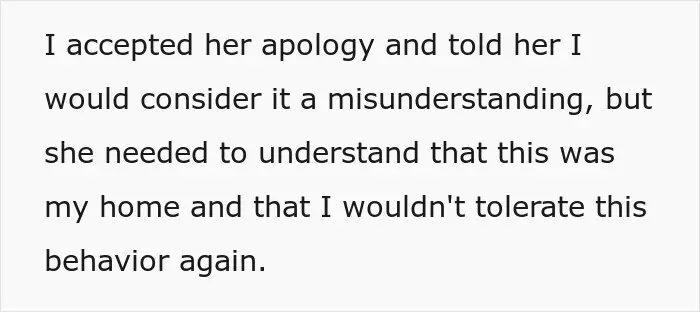
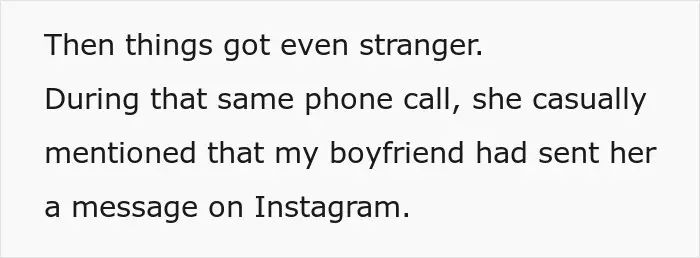
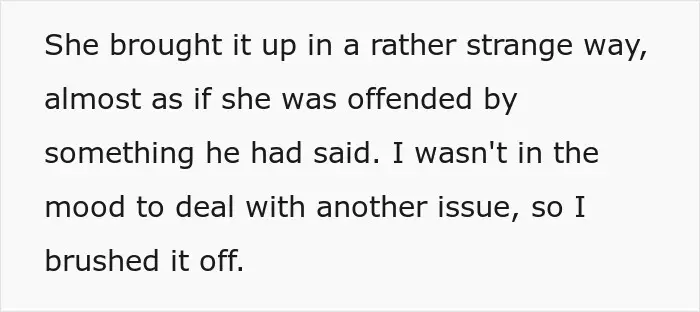
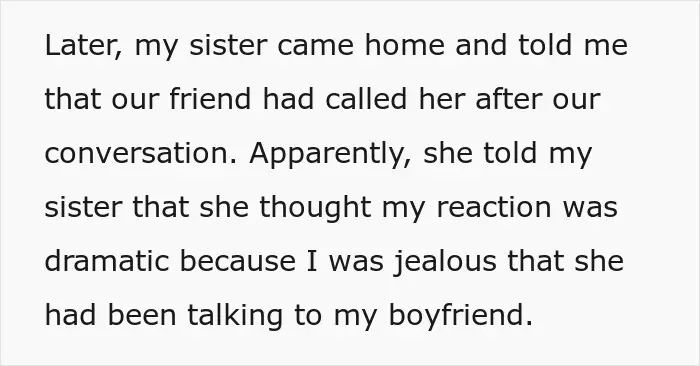


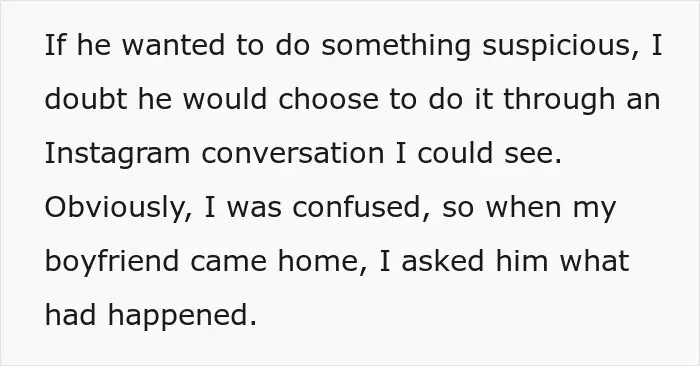







We’re wired for connection, so some people worry that confronting a friend might damage their relationship
Friendships can be some of the most rewarding relationships in our lives. After all, finding people we truly connect with is a pretty special thing. But even the closest friends can disagree with each other and occasionally get on each other’s nerves. When that happens, there are often two very different ways to deal with it.
Some would rather bite their tongue and sweep things under the rug than risk upsetting a friend, hoping the problem will resolve itself. Others prefer to confront the issue head-on and say exactly what they think. Both approaches are understandable, but which one is actually better for maintaining a healthy friendship?
Well, our fear of confrontation isn’t entirely unfounded. Humans have always depended on one another for survival. Throughout history, living in groups helped our ancestors meet their basic needs and stay safe. They could hunt together, protect themselves from predators, and help each other through difficult times.
Doing all of that on your own would have made it much harder to stay alive, so maintaining good relationships was essential. While our survival may no longer depend on belonging to a group in quite the same way—there aren’t any wild predators lurking in supermarkets—our need for connection and acceptance hasn’t gone anywhere.
“Close friends provide safety, comfort, and a deep sense of alignment and intimacy,” Shani Gardner, LCSW, a licensed clinical social worker and the owner of Soulful Grace Therapy, told mindbodygreen.
“Close friendships are important because we are social beings, and we are wired for connection with others. We have a natural desire to be seen and understood; close friendships allow that desire to be satisfied.”

But staying silent can lead to resentment and make things worse over time
It’s no wonder, then, that the thought of losing someone we care about can be frightening. It hurts a lot, and that’s no exaggeration. Research has found that our brains can react to rejection in the same way they react to physical pain.
However, staying silent whenever something bothers us isn’t necessarily the best solution either. When we don’t speak up, we might keep thinking about what happened and getting more upset over it.
Meanwhile, the person who hurt us might have no idea there’s even a problem. Over time, that frustration can turn into resentment, and something that could have been resolved with a simple conversation might end up causing a much bigger argument.
One study confirmed that people who actively tried to resolve disagreements with their friends tended to have closer friendships and fewer negative feelings toward each other. Those who avoided confrontation, on the other hand, tended to report more negativity in their relationships.

That’s why it’s better to talk things through calmly rather than attack the other person
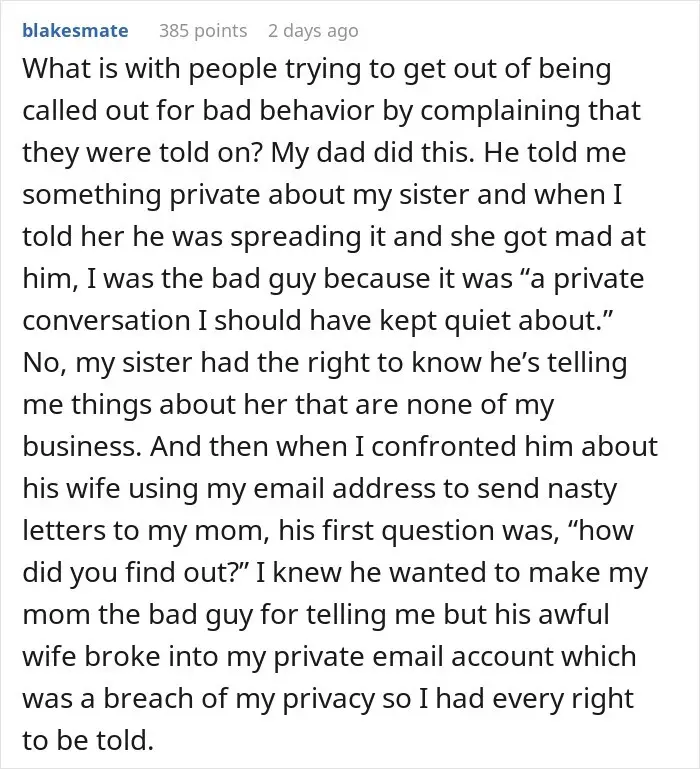
With that in mind, the woman in this story made the right choice by deciding to set boundaries with her friend. However, her initial idea of responding so harshly might not have been the most productive way to start the conversation.
According to experts at Northwestern University’s Family Institute, it’s generally better to explain how someone’s actions make us feel without attacking or blaming them.
They recommend using statements that begin with “I,” such as “I feel uncomfortable when you do this” or “I feel hurt when you say that,” and keeping the conversation calm. This gives the other person a better chance to understand our concerns without immediately becoming defensive.
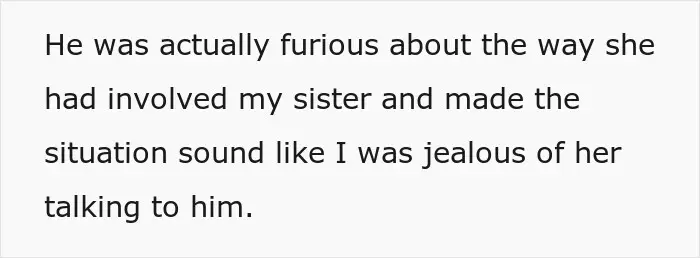
Of course, that advice assumes both people are willing to listen and respect each other’s feelings. In this case, the woman did eventually confront her friend and initially accepted her apology. Unfortunately, the situation became much more complicated when she learned about her friend’s interactions with her sister and boyfriend.
After several more uncomfortable revelations, she decided the friendship was no longer worth continuing. And while disagreements between friends can often be resolved, that doesn’t mean every friendship has to be saved.
Ultimately, being a good friend sometimes means having conversations that neither person particularly enjoys. We can be understanding of someone’s mistakes while still being clear about what we’re willing to accept.
And when someone repeatedly crosses those boundaries, it’s perfectly reasonable to reconsider whether we want them in our lives.

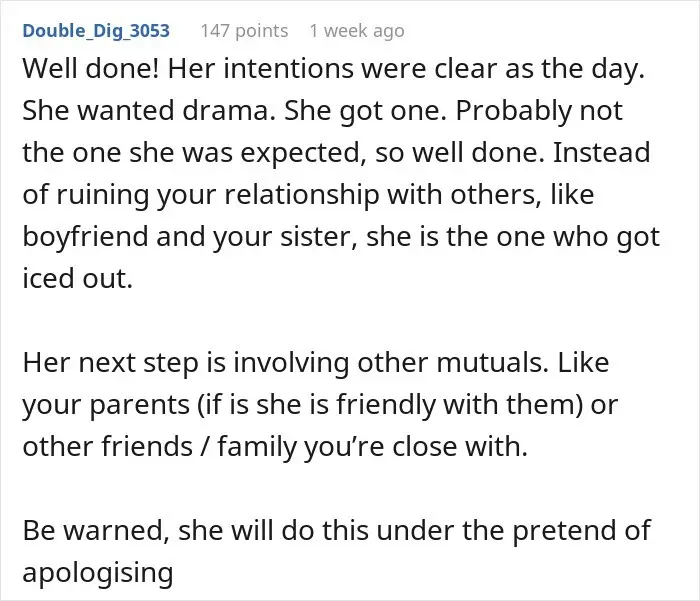
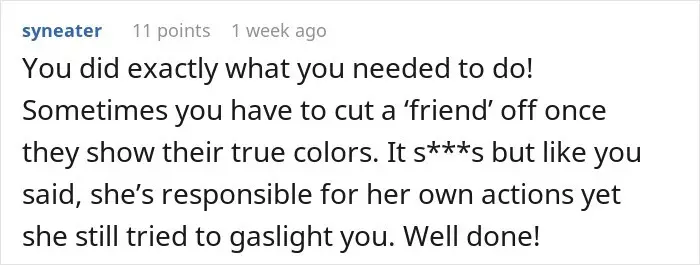
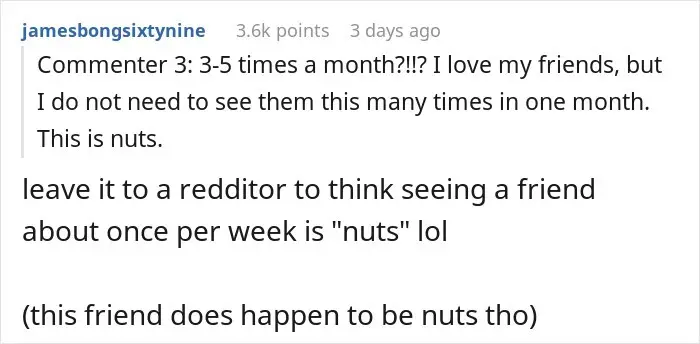
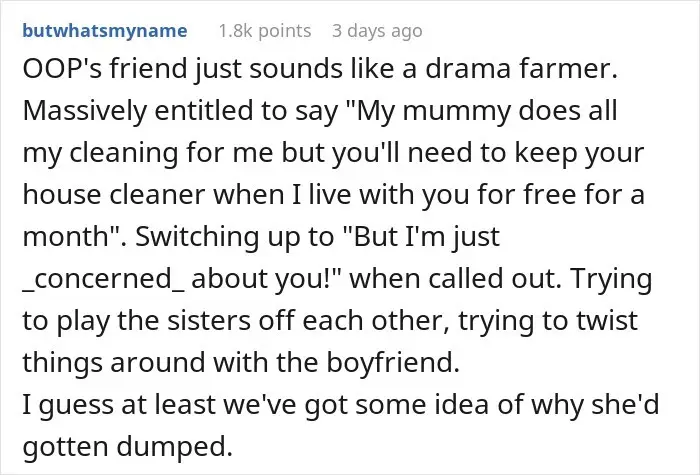
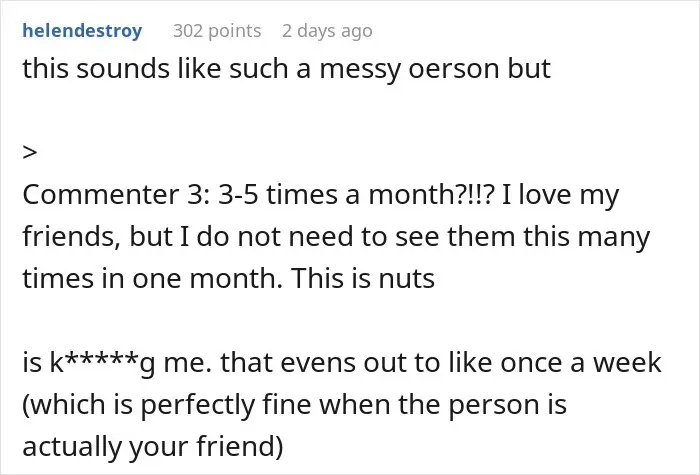
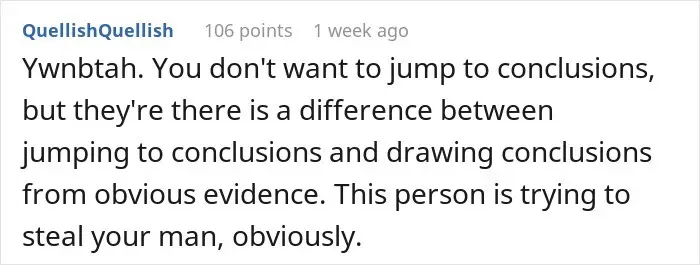
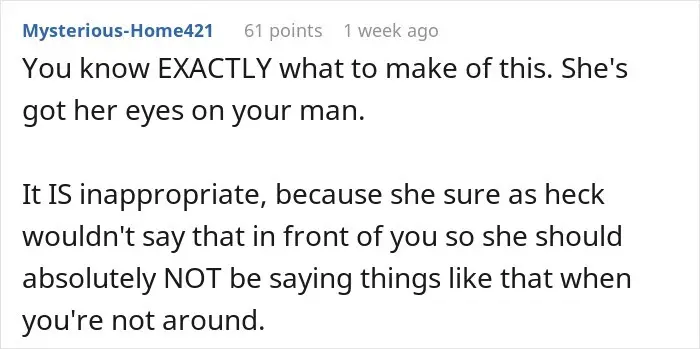
Readers felt that someone who behaved this way wasn’t a true friend
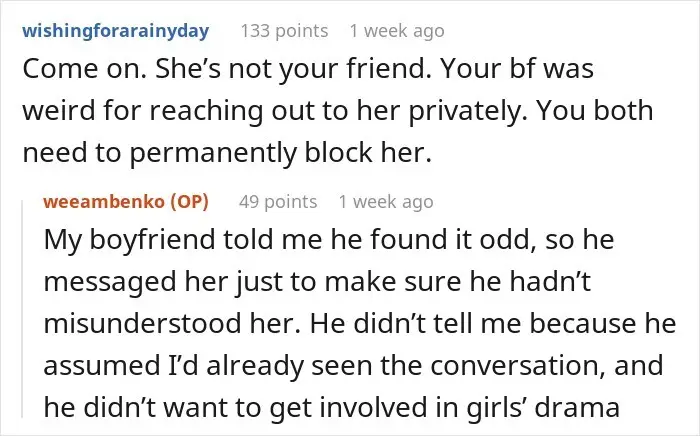


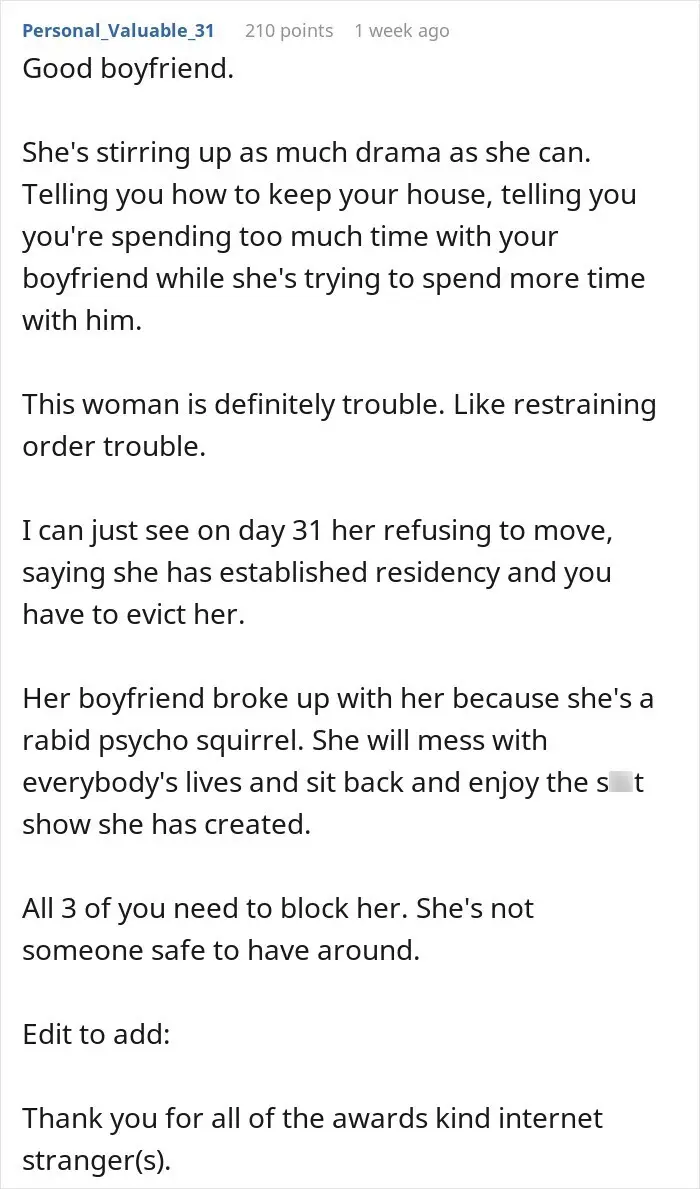










Ultimately, the woman decided to end the friendship for good










Readers agreed that cutting ties was the right decision