







#21
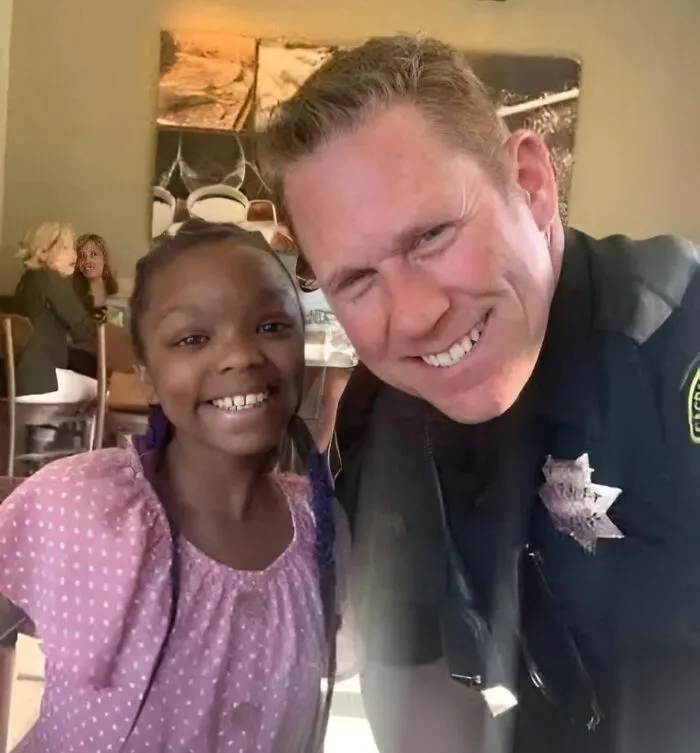
It caught me off guard because I walk through that door all of the time. I give her my best athletic high 5 and she belts out, “Thanks for saving our lives.”
The lobby patrons burst into laughter, recognizing the overflowing cuteness and full smile. To say she made my year is an understatement.
I asked her name and she said, Jasmine. She said, “Can I get a selfie with you”? Soooooo cute.
I had to take a selfie with my phone too. What a sweetie.
Going back to the GonzoToday, on its website, readers can find all sorts of interesting articles on topics like poetry, music, news, and travel. The most recent news story they covered was about American actor Val Kilmer’s death. The writer, Kidman J. Williams, who covered the piece, recalled what an inspiration the actor was in his life.
#22
#23
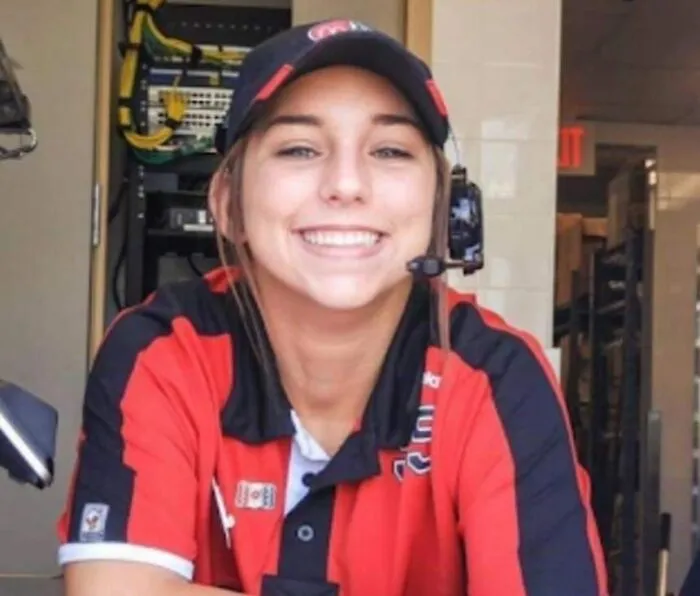
Lori: "Welcome to McDonald's, may I take your order?"
Me: "Yes, I'm sorry, but may I order gift cards here"?
Lori: "Yes! Would you like $5., $10, or $25"?
Me: ""I'd like one $25. and one $10. please".
Lori: "Yes ma'am. That's one $25 and one $10. Would you like a song with that"?
Me: "A song, really"? (Because it seemed a very cruel thing to be offering me a song if she didn't really mean it 😁)
Lori: "Yes. Would you like one"?
Me: "Yes! I'd love a song!".
Lori: "Really?! Nobody ever says yes"!
Me: "I'm saying yes. Please sing for me girl in the speaker. The gift cards are an anniversary gift if that helps".
Lori: "Oh my goodness, the pressure - the pressure - it has to be good. What do I sing? What do I sing"?
She then starts singing Justin Beiber's Baby, Baby. I have never smiled so much! This girl made my day. So funny, so sweet. Infectious smile. The world needs more Lori's!!
#24
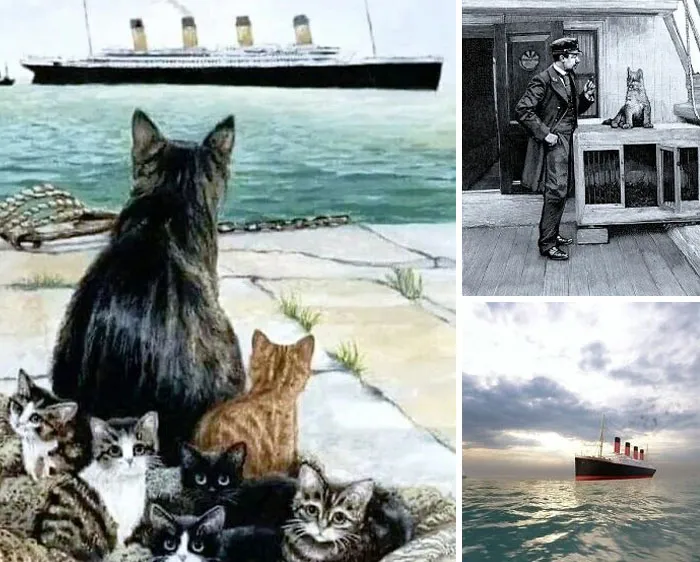
Jenny wasn’t just any cat. She was the Titanic’s official mouser, brought aboard to keep the rodent population in check. During the ship’s sea trials, she gave birth to a litter of kittens, and was lovingly cared for by a shipworker named Jim Mulholland.
Jim made a cozy nest for her and her babies near the ship's galley, close to the warmth of the boilers. He even shared kitchen scraps with her during breaks, and their quiet little routine brought him a sense of peace amidst the chaos of preparing the most luxurious ship in history for its maiden voyage.
But something strange happened.
Just days before the Titanic was set to depart from Southampton to New York, Jenny’s behavior changed. She began acting restless. And then — without warning — she started picking up her kittens one by one, gripping them gently by the scruff of the neck... and carrying them off the ship.
Down the gangway she went. Again and again. Until all of her babies were safely ashore.
Jim stood and watched her. And in that moment, something clicked.
"This cat knows something… something we don’t."
Trusting his gut — or maybe trusting hers — Jim packed up his belongings and quietly left the ship. He never boarded again.
The Titanic set sail without him.
We all know what happened next.
Years later, Jim, now an old man, shared the story with a journalist. He credited Jenny with saving his life. Her instincts — ancient, silent, and unshakable — may have been the only real warning that ever came.
Sometimes, heroes don’t wear uniforms.
Sometimes, they have fur, whiskers, and a heart that just knows
If we’ve piqued your interest in Ganzo journalism, make sure to visit the GanzoToday website. I would recommend you check out the art section, which offers something more unusual and captivating. You can do so by clicking here.
#25
#26
#27
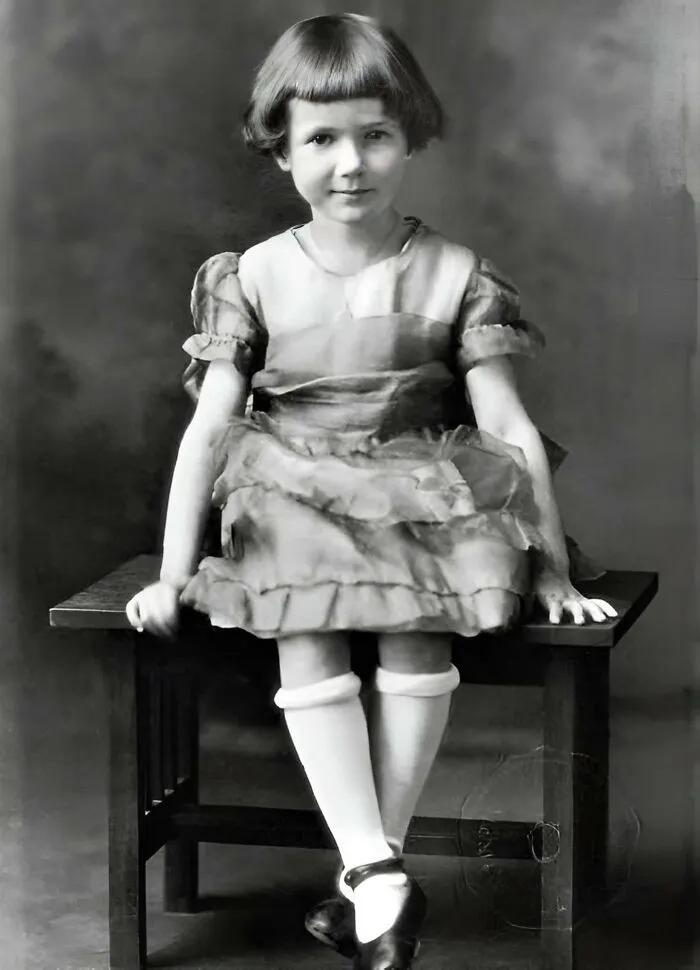
After college, Beverly began working as a children’s librarian. She still found children's books boring. D**k and Jane weren't at all like lively, curious, funny, angry, unruly real kids.
So Beverly Cleary became an author herself. She wrote Ramona the Pest, Henry Huggins, Ribsy, The Mouse and the Motorcycle --more than 40 books in all. Her books won dozens of awards, sold more than 90 million copies, and are still beloved today.
Not bad for the little girl who didn't like to rea
#28
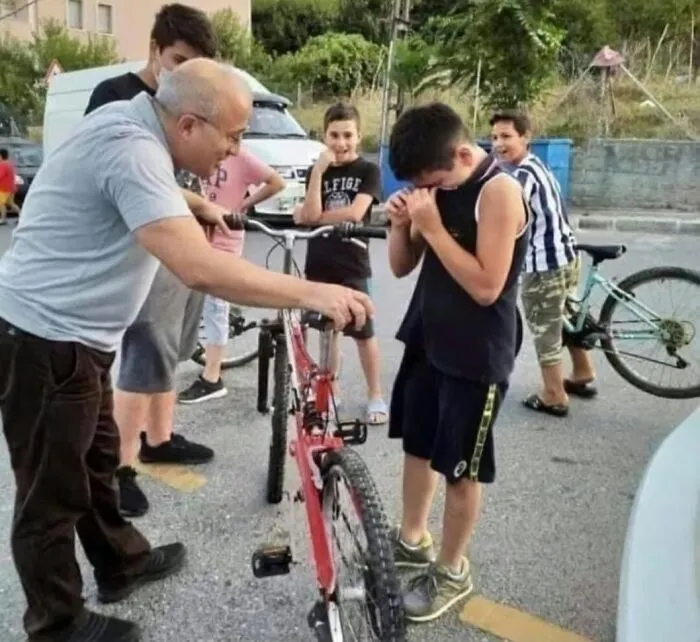
He took the boy to a bike shop and bought him a new, safe bike.
He took his time, helped the boy adjust his helmet properly, and took him for a test ride.
He didn't just want to replace the bike. He wanted to demonstrate how to respond with kindness when things could be done differently.
That mistakes can be forgiven.
That help doesn't have to be earned.
And that true greatness often works quietly.
#29
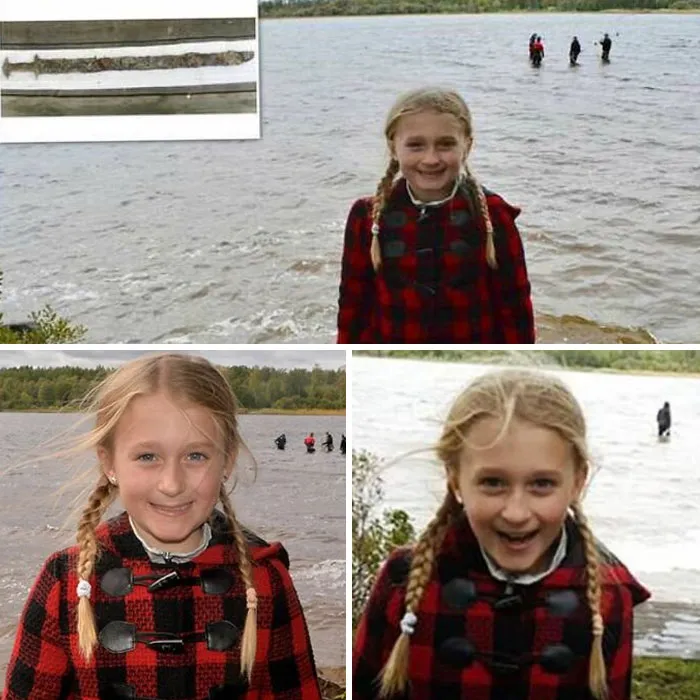
"I didn’t want to be a queen. I just wanted to be a scientist or an archaeologist."
#30
#31
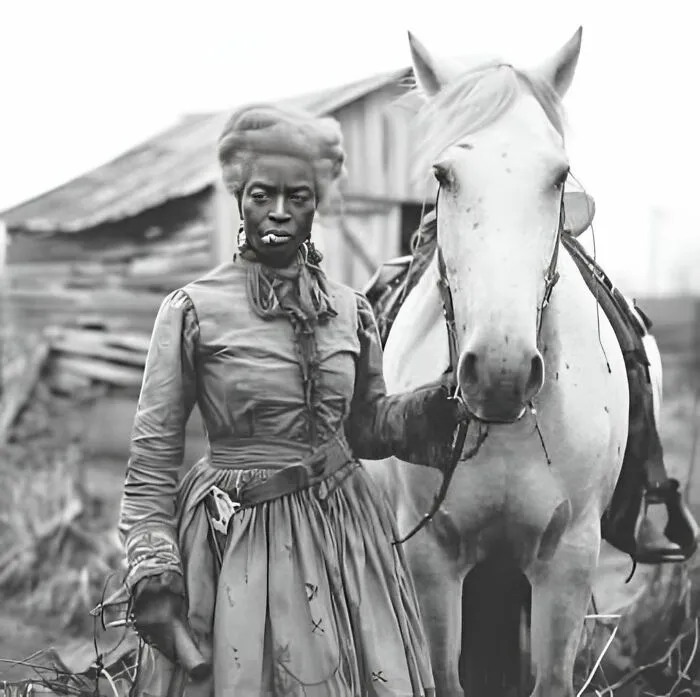
These women were often involved in the daily operations of cattle drives, managing livestock, and maintaining ranches. They participated in the same demanding physical labor as their male counterparts, including branding cattle, roping, and participating in rodeos. Black cowgirls like Mary Fields, known as "Stagecoach Mary," became famous for their strength, independence, and skill. Mary Fields worked as a stagecoach driver, breaking barriers by proving herself as a capable and fearless woman in a profession dominated by men. Her story is one of many that highlights the diverse contributions of Black women in shaping the history of the American West.
The legacy of Black cowgirls continues to be celebrated today, as they are recognized for their contributions to both African American and Western history. Their stories are an essential part of the broader narrative of the American frontier, illustrating the strength, perseverance, and pioneering spirit of these remarkable women. While they faced numerous challenges, Black cowgirls left a lasting impact on ranching, rodeo culture, and the West itself, helping to shape the future for generations to come.
#32
#33

#34
#35
#36
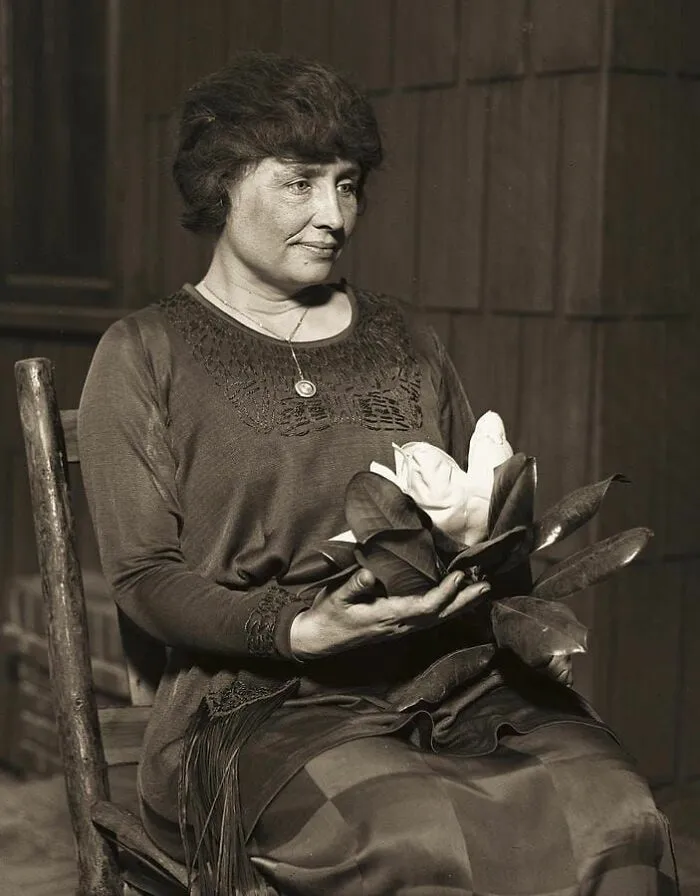
Deaf and blind since infancy, Keller had spent her life redefining what was possible. But one evening, gathered around a radio with her family, she was about to experience something utterly unexpected. The New York Symphony was performing Beethoven’s Ninth Symphony live. Someone in the room suggested she place her hand on the radio receiver to feel the vibrations.
What happened next defied reason—and redefined beauty.
With her fingers resting lightly on the diaphragm of the receiver, Keller felt more than vibration. She described the experience as “a sea of sound breaking against the silent shores of my soul.” Through the patterns of trembling and rhythm, she felt the pulse of cornets, the roar of drums, and the silken flow of violins. When the chorus soared into Beethoven’s triumphant “Ode to Joy,” she said it was like hearing “angelic voices rushing in a harmonious flood.”
It wasn’t hearing—not in the way we understand it. But it was something deeper. She felt music not just on her fingertips, but in her heart. She recognized joy, sadness, stillness, and power—all without a single note reaching her ears.
And in one of the most poignant passages of her letter, Helen remembered that Beethoven, too, was deaf. She said, “I marveled at the power of his quenchless spirit by which out of his pain he wrought such joy for others.”
A century later, that same joy lives on—because she proved that art has no boundary, and the human spirit can sense beauty in ways words can never fully explain
#37
#38
#39
#40

The second article profoundly explores the power of kindness, compassion, and impactful personal stories, much like how the first article emphasizes the importance of teaching meaningful life lessons, such as appropriate tipping etiquette.
For readers interested in how life lessons shape behavior and character, they might appreciate the perspective shared in the lesson about giving thoughtfully.
