



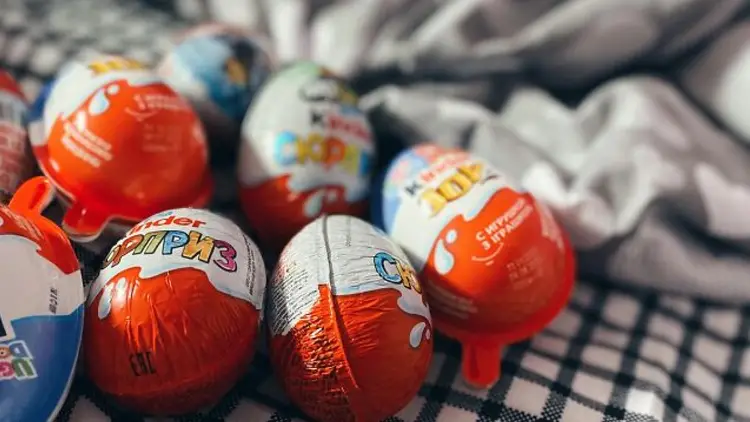


Our food laws are strict and often puzzling, covering everything from exotic delicacies to common ingredients. But have you ever wondered which foods are completely off-limits in the USA?
Look no further! We’ve compiled a list of 26 foods banned or heavily restricted in the country, ranging from unusual delicacies to everyday staples. These foods are not allowed on American plates, whether due to health concerns, conservation efforts, or cultural differences.
Let’s look at the surprising items you won't find on a menu in the USA anytime soon.
#21 Lazy Cakes
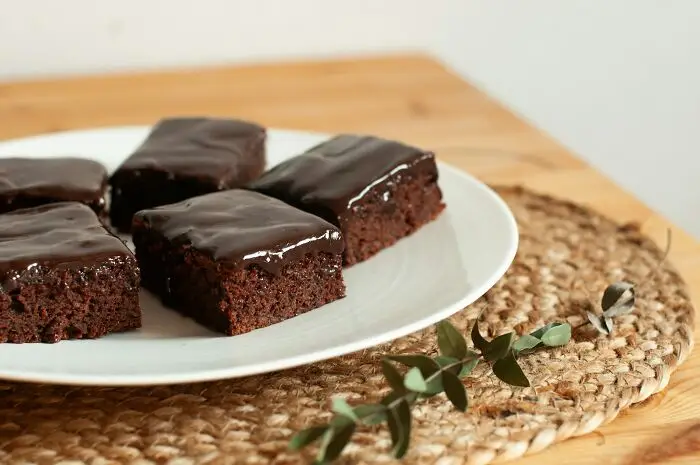
In 2011, Lazy Cakes, a brownie containing melatonin, drew FDA concern after some children experienced adverse reactions. The state of Arkansas considered a ban on the snack following these incidents. The FDA later stated that melatonin wasn't an approved food additive. Lazy Cakes responded by reclassifying the product as a dietary supplement and rebranding to Lazy Larry.
Report
7points
#22 Horse Meat
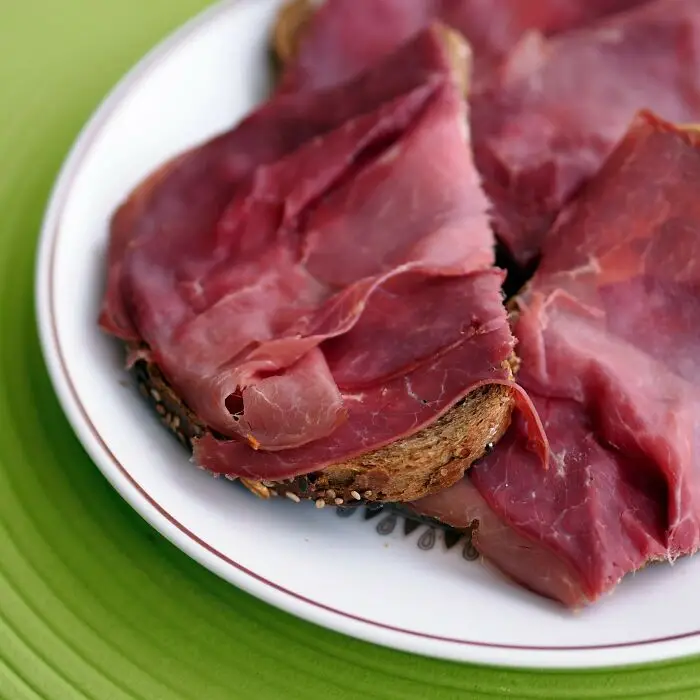
While not strictly illegal, consuming horse meat is uncommon in the United States. The US does export horse meat, reflecting cultural practices in other nations. However, a Congressional ban on funding Department of Agriculture inspections has created significant obstacles. Without inspection, horse meat cannot be legally sold or served, effectively limiting its availability in the US.
Report
7points
#23 Mirabelle Plums
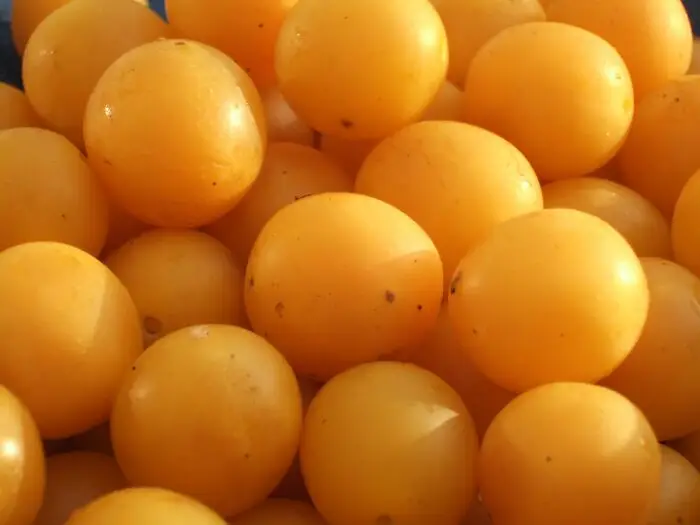
Mirabelle plums are not banned due to health concerns, but are restricted from import to the United States. These plums are grown exclusively in Lorraine, France, and protected by a trade agreement designed to safeguard the French market.
Report
7points
#24 Ackee
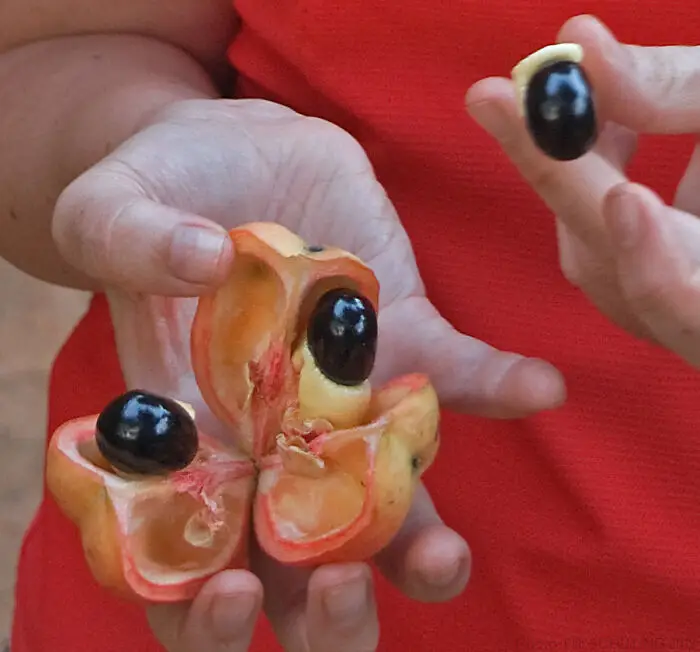
Ackee fruit, native to West Africa and popular in Caribbean countries, is restricted in the US due to its toxic compound, hypoglycin A. While fresh ackee is not available in US supermarkets, it can be found in canned or processed forms from FDA-approved, trusted growers.
7points
#25 Tonka Beans
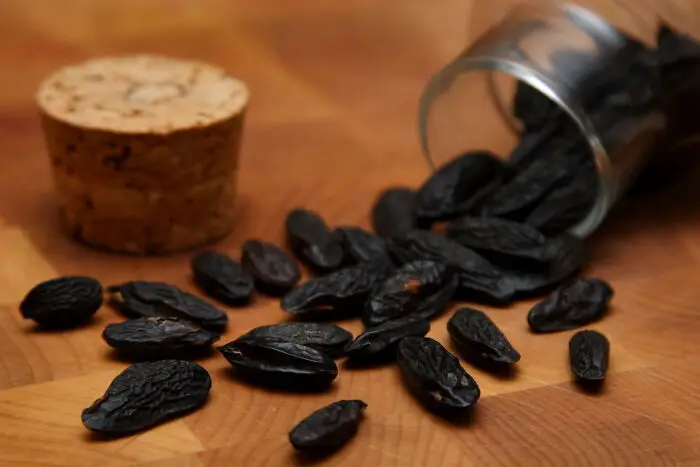
Tonka beans, known for their sweet and pleasant aroma, have been banned from US importation since 1954 due to their high coumarin content. Although coumarin can cause liver issues at high levels, the amount in tonka beans is generally considered safe, making the ban more precautionary than strictly necessary.
Report
7points
#26 Silver Dragees

The FDA classifies silver dragees – silver-coated almonds – as inedible due to the presence of silver, which is prohibited as a food additive or color. Found for sale in all states except California, they are legally designated for decorative use only.
Report
6points