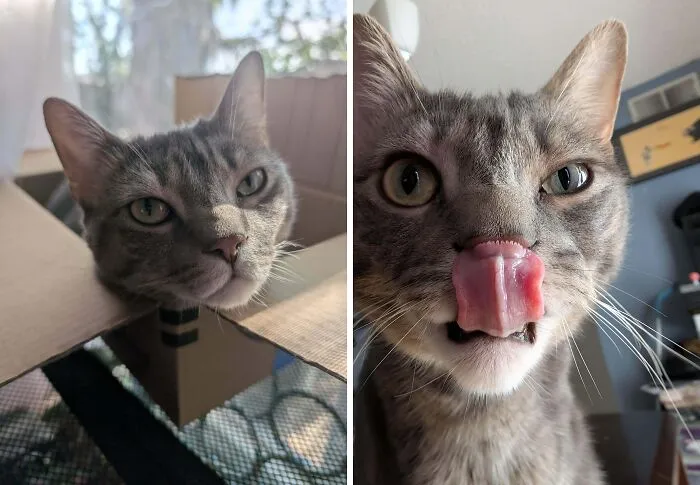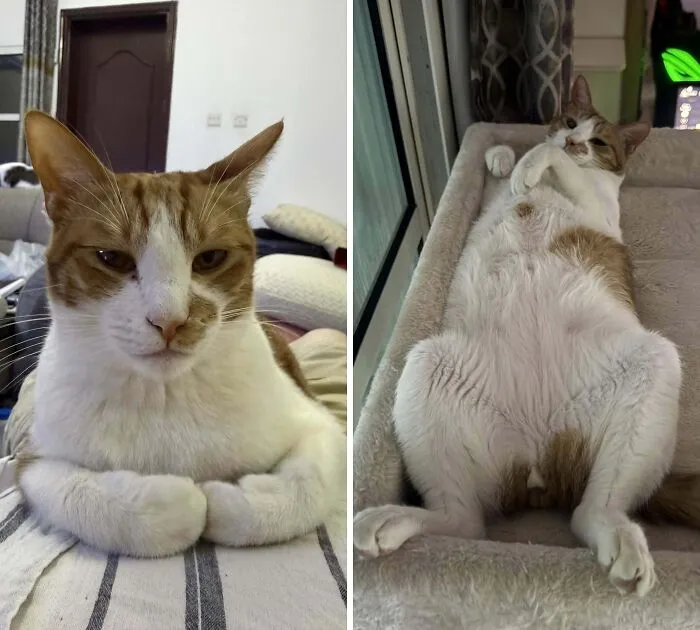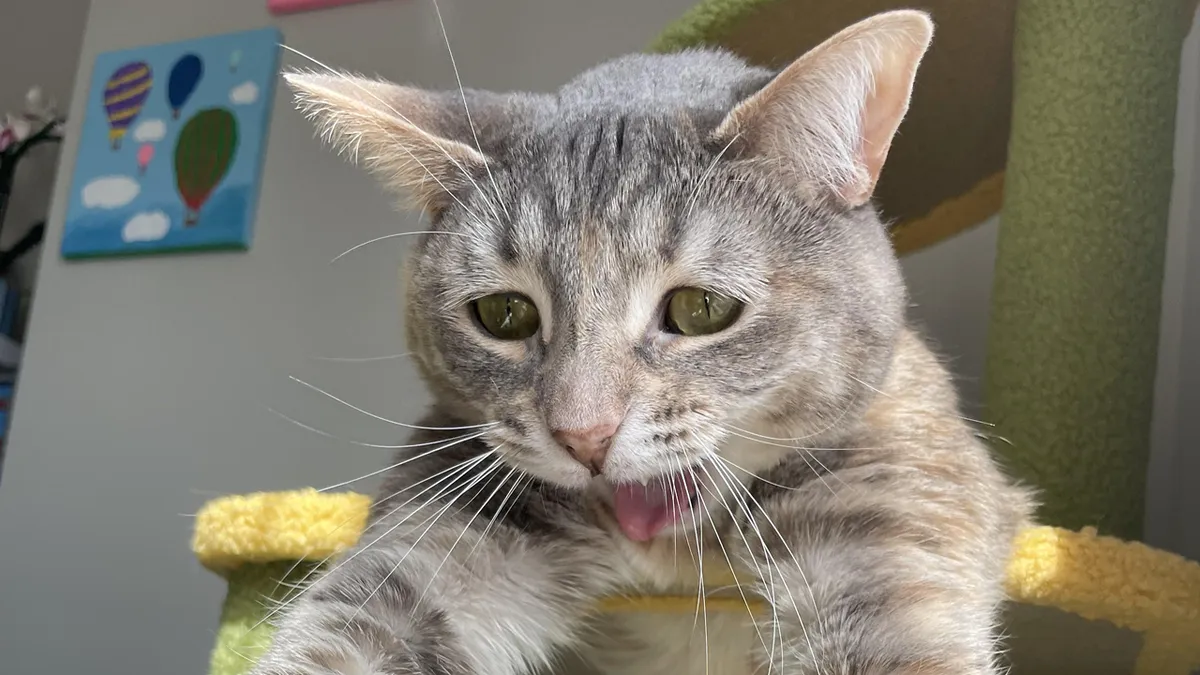



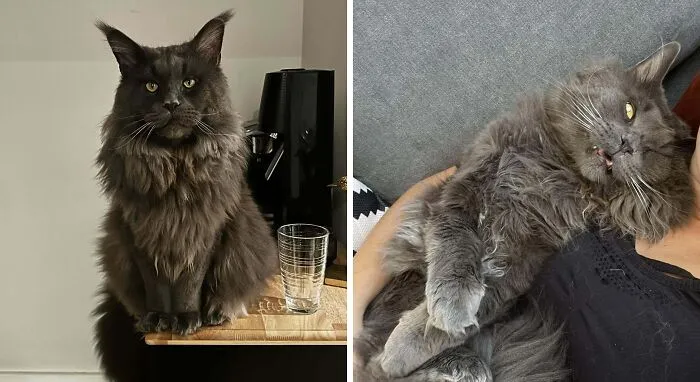
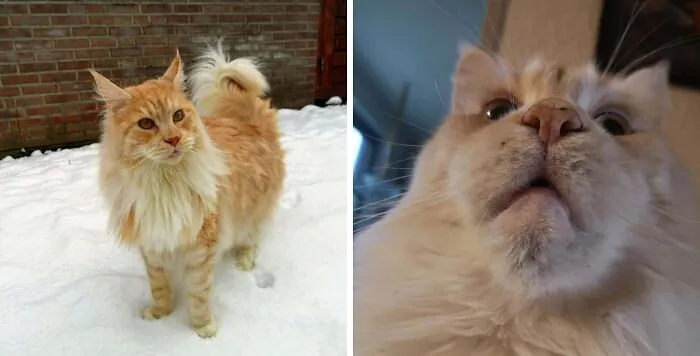
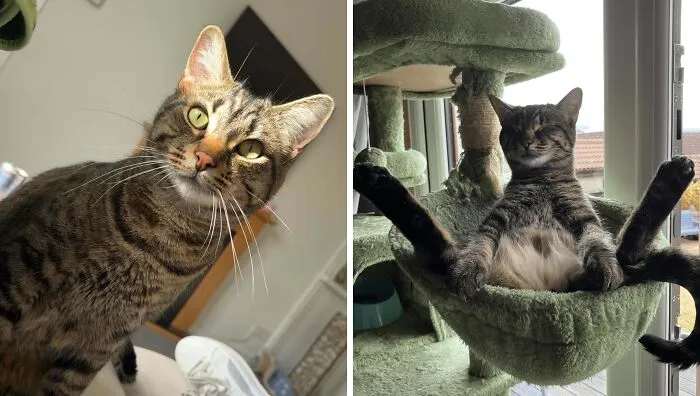
Cats have a way of making people stop scrolling, whether they are posing like professional models or looking as though they have just woken up from the strangest nap of their lives. According to Oxford Sparks, part of their appeal comes from a psychological phenomenon known as baby schema, which describes the infant-like features that trigger feelings of affection and protectiveness in humans.
Large eyes, rounded faces, small noses, and soft bodies are all characteristics that can make an animal appear especially endearing. Cats, particularly kittens, possess many of these features, which can prompt an affectionate response almost immediately. This helps explain why even a slightly awkward photograph can still make a cat look adorable, regardless of what it is doing with its face.
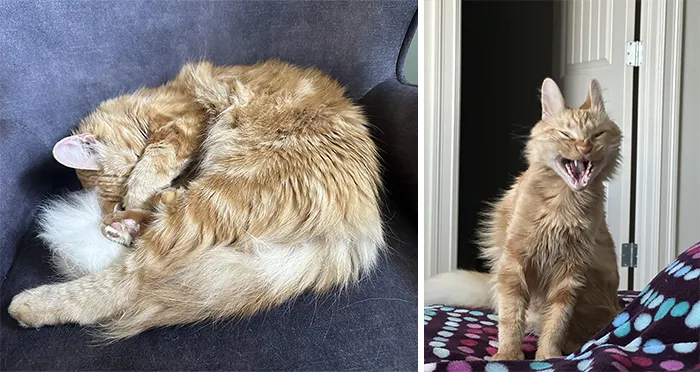
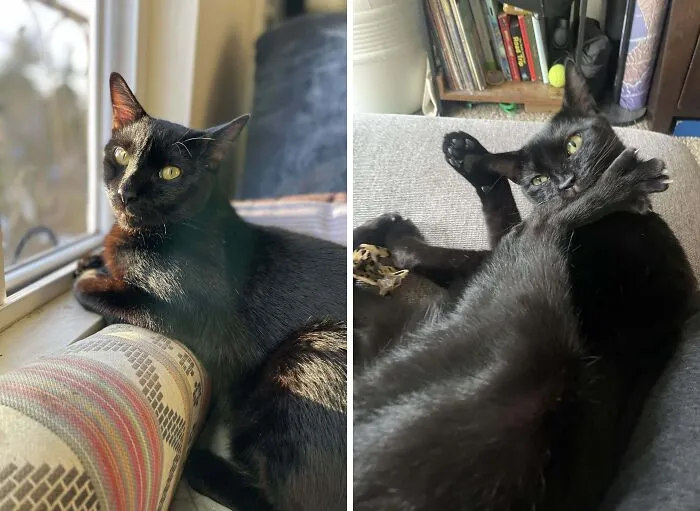
Their playful movements and curious behavior can strengthen that response even further. A kitten stumbling over its own paws, tilting its head at an unfamiliar sound, or pouncing on a toy can remind us of the clumsy, exploratory behavior associated with young children. These features and actions encourage people to view cats as approachable and worth caring for, often without consciously thinking about why they find them appealing.
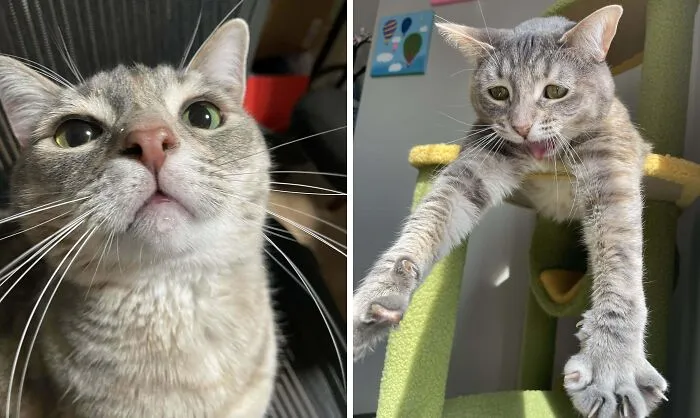
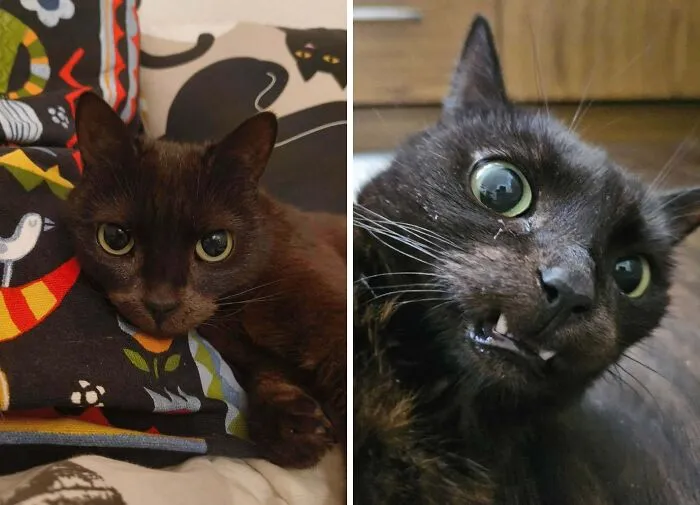
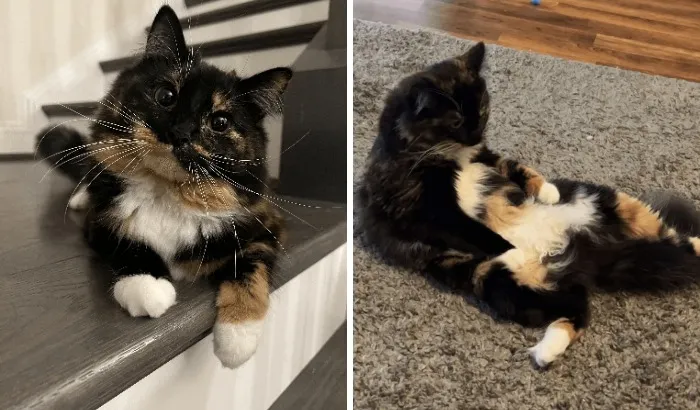
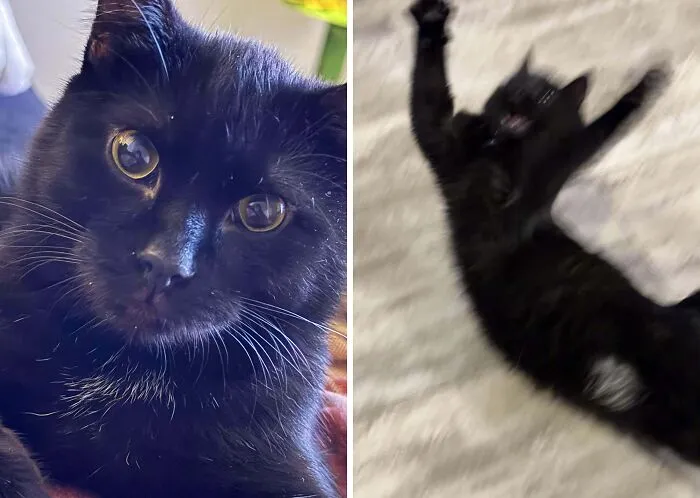
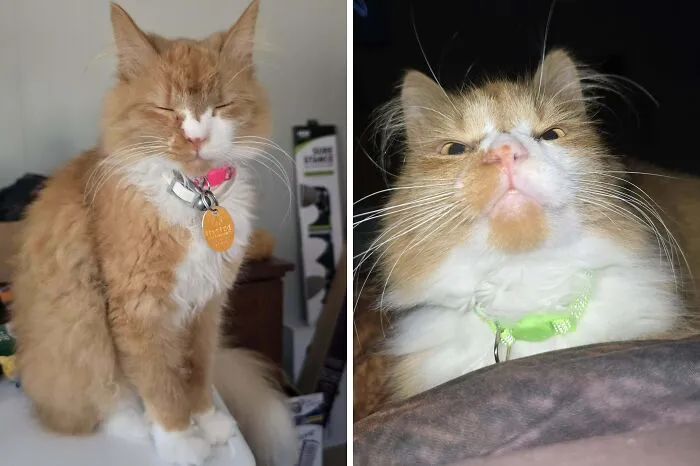
Even adult cats can retain this charm, whether they are sitting neatly with their paws tucked underneath them or stretching into a position that makes their bodies look several times longer than expected. When owners compare their pets' most flattering pictures with their least flattering ones, the contrast can be especially entertaining because the same features that make a cat look sweet can also look downright ridiculous when captured at the wrong moment.
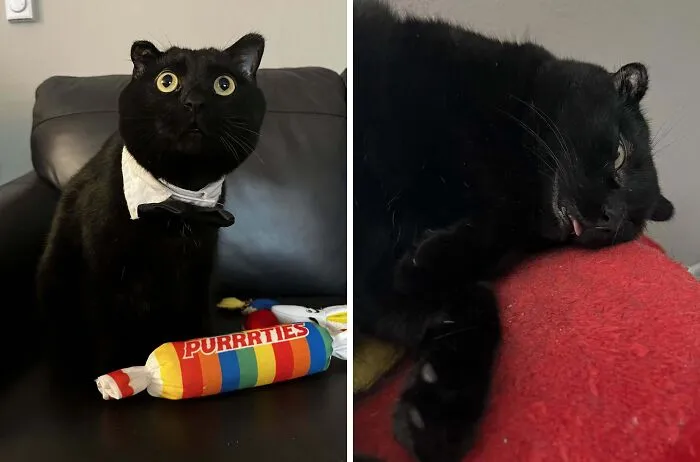
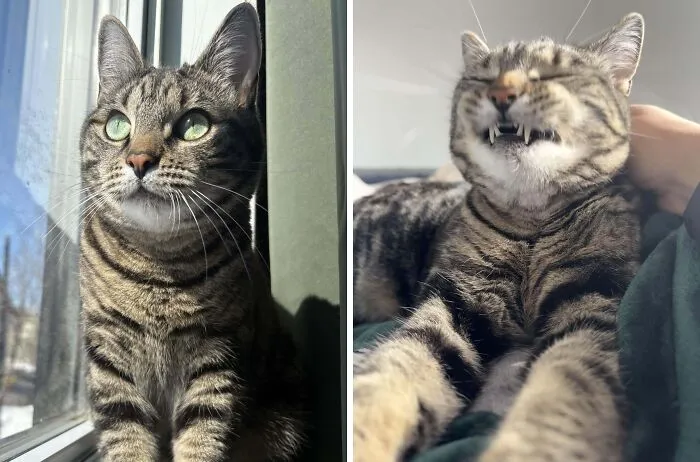
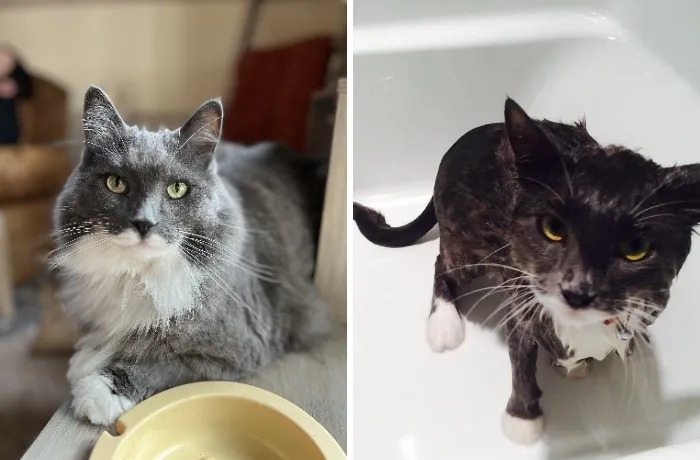
The way a photograph is taken can make an enormous difference in how people perceive an animal. The BBC has explored how animal photography can encourage empathy by allowing viewers to notice details and expressions they might otherwise overlook. A picture taken at eye level, for instance, can make a cat seem more approachable, while a close-up can draw attention to its whiskers, pupils, ears, and paws.
These details make a familiar animal appear more individual and expressive. A photograph can also change the impression a cat gives simply by capturing it in a different setting or at an unexpected moment. An elegant portrait might make the animal look dignified, while a poorly timed snapshot of the same cat could leave it looking startled, grumpy, or thoroughly unimpressed with its photographer.
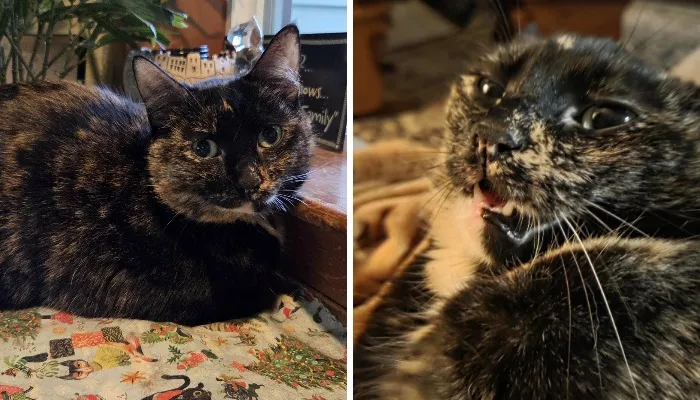
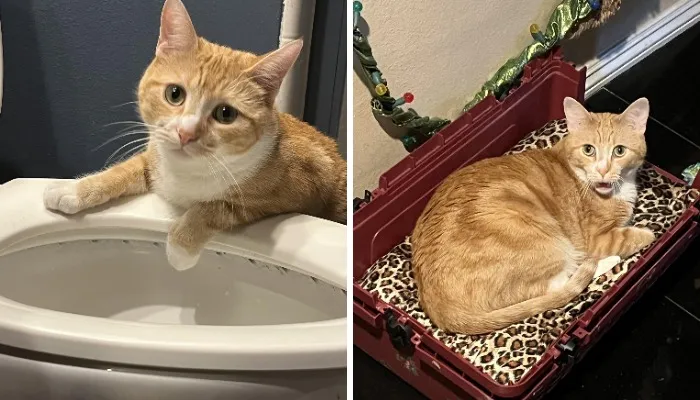
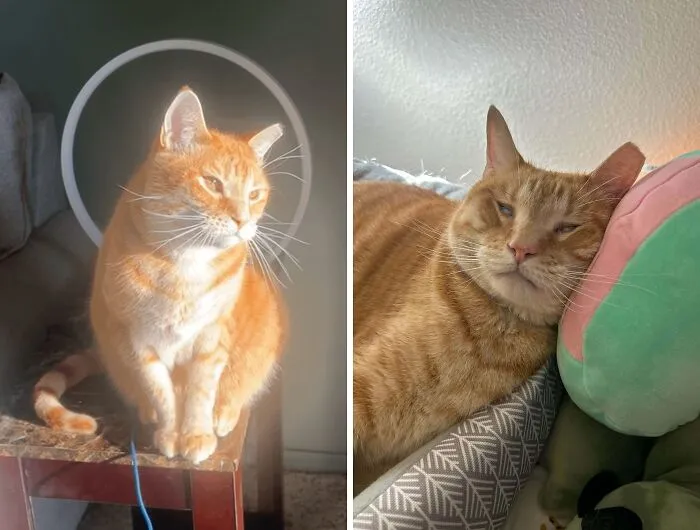
This is partly because photographs encourage people to interpret what they see rather than simply record it. A cat caught with its mouth open might appear to be shouting at someone, while one photographed with narrowed eyes could look suspicious or offended. Neither image necessarily tells us what the animal is actually feeling, but the human brain is quick to attach familiar emotions to recognizable expressions.
Camera angles, lighting, and timing can exaggerate these impressions, making ordinary movements appear unusually dramatic. The result is a collection of images in which a cat can look majestic one moment and completely unrecognizable the next. Although these interpretations are often harmless fun, they also remind us that the expressions we find amusing do not always reveal what is happening inside an animal's mind.
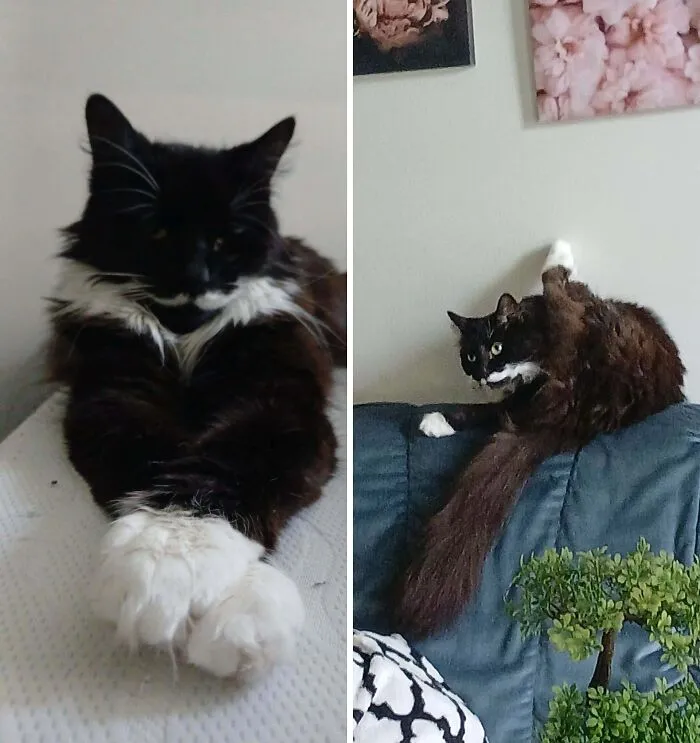
Beyond their appearance, cats can also provide a welcome emotional lift. Greater Good explores how looking at cats and other appealing animals can encourage positive feelings, offering a brief distraction from anxiety, sadness, and everyday frustration. Their cute faces and amusing behavior can interrupt a cycle of worrying thoughts, giving people something lighthearted to focus on instead.
Watching a cat stretch lazily, attempt an ambitious jump, or squeeze itself into a box that seems far too small can provide a moment of amusement when someone needs a break. The experience does not have to involve owning a pet, either. A photograph or short video can capture enough of a cat's expression or behavior to spark curiosity, tenderness, or laughter, making animal content an accessible source of entertainment during an otherwise stressful day.
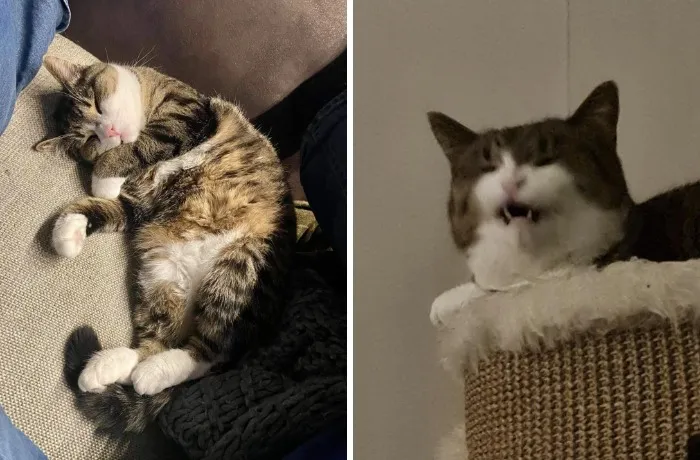
Cats can also offer companionship and comfort through their calm presence. For people who live with them, their familiar routines and quiet company may make a home feel less lonely, while their playful antics provide regular opportunities for enjoyment. Even when people encounter cats only through photographs, the images can create a small sense of connection by presenting an animal with recognizable habits and an apparent personality.
This emotional appeal helps explain why pictures of cats are not limited to polished portraits or conventionally cute poses. Sometimes, a photograph becomes memorable precisely because the animal looks ridiculous, as though it has been caught doing something it would rather keep private. The humor offers its own kind of relief, allowing people to laugh at a harmless, everyday moment and share that feeling with others.