







As we're nearing the end of the year's first month, how is keeping up with your New Year's resolutions going? How is it going with establishing new healthy habits? Hopefully, you haven't canceled your gym membership just yet! If skipping a workout has already crossed your mind this month, you might need that extra motivation to keep grinding. And as professionals in the field (we are indeed not), we've prepared some fitness facts that will hopefully serve as a reminder of why you started in the first place.
In essence, fitness is about staying active. Hence, whether you want to become a gym rat (or bunny!) or simply take more steps throughout the day, facts about fitness will likely reassure you to stay on track. Essentially, facts about exercise are fitness tips backed up by evidence. Hence, if you don't believe everything you read on the internet (as you should), fun facts about fitness supported by research might be more motivating than the many gym quotes and fitness quotes you see online.
Below, we've compiled facts about working out and many interesting facts about the fitness industry you might not have known about. Did any of these interesting facts about fitness surprise you? Let us know by giving them an upvote! Noticed a fact that might be outdated or one you disagree with? Share your thoughts in the comments below!
#41 Regular Physical Activity Can Lower High Blood Pressure

Research shows that breaking a sweat can result in lower blood pressure hours following acute exercise. There is also strong evidence that suggests resistance training, such as lifting weights, helps lower blood pressure, as do other types of exercise. According to one study, this type of exercise reduced blood pressure by about 4 mmHg. However, post-exercise blood pressure reductions are typically only temporary unless you exercise regularly.
10points
#42 Muscle Mass Declines By About 3–8% Every Decade After Turning 30
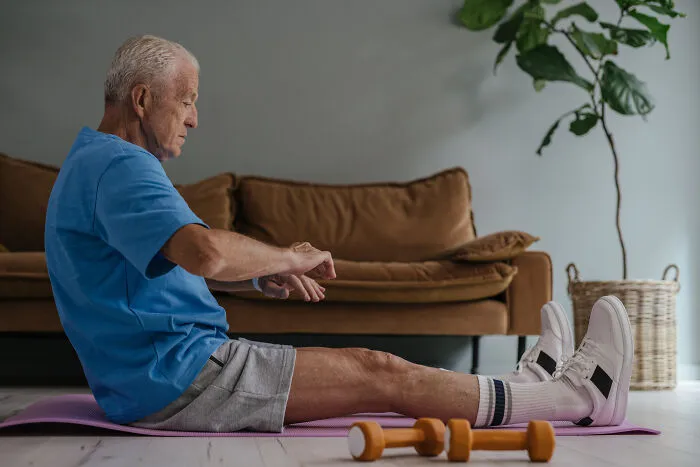
Sarcopenia, the involuntary loss of muscle mass, strength, and function, is one of the most noticeable symptoms of aging. After the age of 30, muscle mass declines by about 3-8% every decade. After the age of 60, the rate of decline is even higher.
9points
#43 Exercise Is Important From A Young Age

According to research, sedentary kids are more likely to become inactive adults, which increases the chance of young people developing severe illnesses like cancer and heart disease. This is why promoting fitness and activity from a young age is essential.
Report
9points
#44 Weightlifting Does Not Generally Lead To Bulking Up In Women

The idea that lifting big weights will result in a bulky physique is a widespread myth, particularly among women. Hard lifting indeed encourages muscular hypertrophy, which results in an increase in size. It is false, however, that it results in a "bulky" look. Women's hormone profiles differ from men's; thus, they won't be able to bulk up like men. In men, testosterone levels are higher, which helps muscles grow. Fortunately and regrettably, women's hormone profiles prevent them from losing all the fat they may want as quickly as males, even though they can tone without becoming bulky.
Report
9points
#45 Sitting Is Not The New Smoking

This famous saying was based on a single study from 2010 that found those who sit for longer than six hours a day have a higher mortality rate. But the truth is more nuanced. Chronic disease risk can be increased by leading an extremely sedentary lifestyle, but not as much as smoking. It matters what you're doing while you're seated as well. Working at a computer, as opposed to just watching TV, increases calorie burn and maintains a healthy metabolism.
9points
#46 Working Out Regularly Can Help Reduce The Size Of Fat Cells

Since the components of one cell type and the other are different, fat cells cannot transform into muscle cells. However, your muscles get bigger when you exercise, and the energy you expend while exercising causes the fat cells to get smaller. Hence, regular exercise can result in an overall decrease in fatty tissue mass.
8points
#47 Only 11% Of People Who Lose Weight Manage To Maintain It Through Diet Alone
According to the National Weight Control Registry, 89% of people who employ a combination of diet and exercise can maintain their weight loss for more than a year.
8points
#48 There's Around A 40% Differential In Calories Burned Running vs. Walking The Same Distance
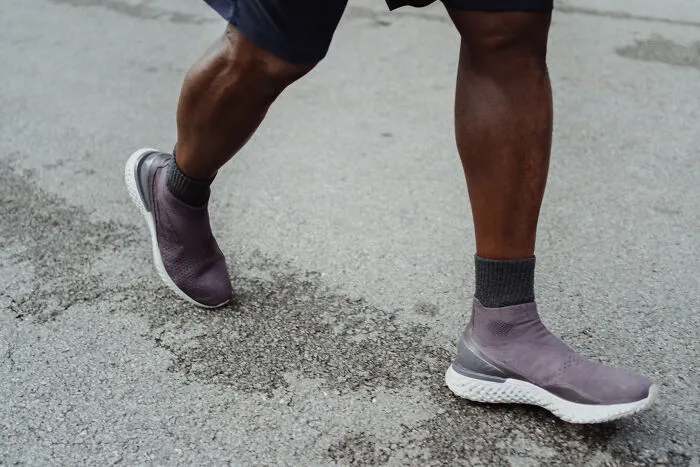
Walking and running burn about the same number of calories at a similar pace. However, most people can run at a speed that is at least twice as fast as walking. According to the Harvard study, a 155-pound person running at 9 minutes per mile (a very common training pace) burns roughly 122 calories each mile. 85 calories are burned each mile by the same person jogging briskly at 17 minutes per mile. According to that information, running burns about 40% more calories than walking.
Report
8points
#49 People Who Work Out With A Partner Are More Likely To Stick With Their Fitness Regimes

Need some extra motivation to get going? Think about bringing in a partner. There are many ways to exercise alongside friends and other workout aficionados in person or digitally. And studies indicate that social support might actually increase the results of your workouts. Just being among friends who exercise can inspire you to stay active.
Report
8points
#50 It Takes 8–12 Weeks Of A Training Regime Before You Start To See Measurable Changes To Your Body
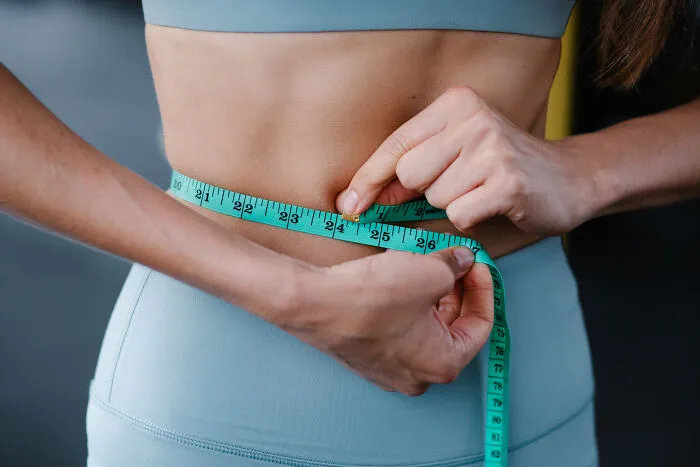
While genetics and an individual’s level of fitness strongly influence how quickly one sees effects from exercising, most people see the first improvements within four to six weeks and the actual results after eight to twelve. Additionally, no two people approach exercise with the same intentions, so the typical time frame to see effects of any type (eight to twelve weeks) is quite malleable.
Report
8points
#51 Setting A Goal Is Proven To Help You Adhere To A Training Program

It is shown to be incredibly effective to have a process goal instead of an outcome goal. Therefore, instead of framing it as "I want to lose 10 pounds," it would be much more beneficial to set a goal like, "I want to exercise four times per week."
8points
#52 Only One-Third Of Adults Meet The Weekly Minimum Recommendations For Physical Activity
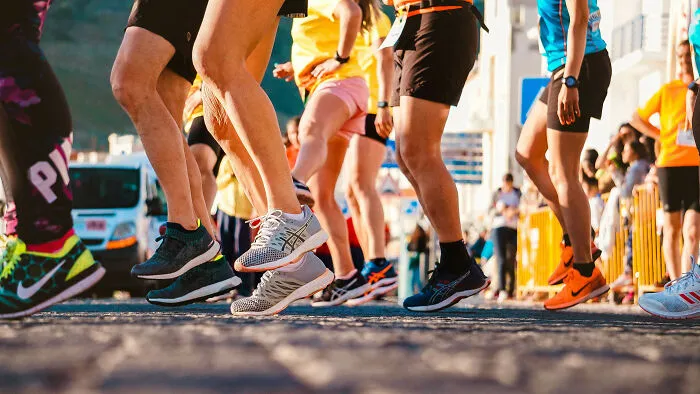
Even worse, less than 5% of adults in the US engage in at least 30 minutes of physical activity every day, and around 1 in 4 are entirely inactive. All things considered, more than 80% of individuals don't follow the guidelines for aerobic and strength-training exercises.
Report
8points
#53 Regular Exercise Strengthens The Muscles Required For The Proper Function Of Your Heart And Cardiovascular System
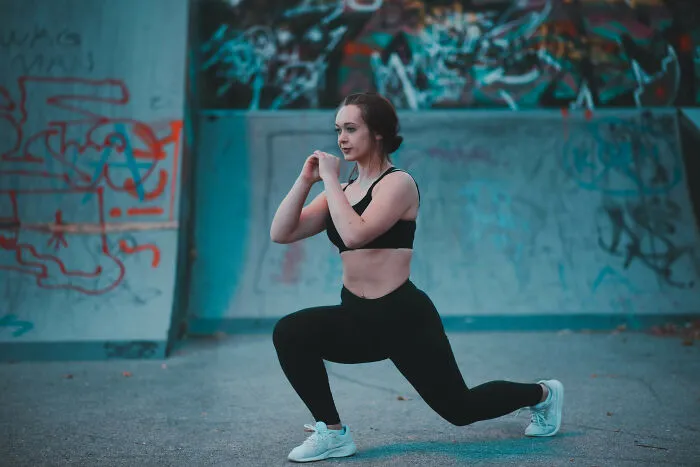
Being physically active is a major aspect of having a healthy heart. Other than strengthening your heart muscle and managing your weight, it's one of your best weapons for protecting your arteries from damage caused by excessive cholesterol, high blood sugar, and high blood pressure that can cause a heart attack or stroke.
7points
#54 Optimal Fitness Requires A Balanced Exercise Routine That Incorporates Cardio, Strength Training, And Flexibility Exercises

These three forms of exercise have various positive effects on health and longevity. Aerobic exercise raises your heart rate and oxygenates your body, which will benefit your heart and brain. Strength training increases muscle mass, which helps with fat burning. It has also been demonstrated to support cognitive function. Flexibility is necessary to carry out daily tasks with ease.
Report
7points
#55 People Aged 18–44 Are The Most Likely To Exercise

According to a study, people between the ages of 18 and 44 are the most likely to exercise. 59.7% of those between 18 and 44 reported working out at least three times a week for at least 30 minutes.
Report
7points
#56 The Average American Gets About 33% Of Their Calories From Fat

The fact that 11% of the calories were saturated fat was even worse. This fat is primarily derived from meat. It's simple to cut out meat a few nights a week, which can help you consume less fat overall and improve both your weight and general health.
Report
7points
#57 Fitness Influencers Have Been Shown Through Research To Impact The Health Behaviors Of Young Women

Due to its popularity and huge user base, social media was quickly accepted as one of the most crucial channels for health communication. Numerous studies have examined the use of social media for interventions aimed at altering the health habits of different user groups. The research, which focused on women in Poland aged between 18 and 35, found that fitness influencer sites play a potentially important role in promoting a healthy lifestyle.
Report
6points
#58 Only Half Of Americans Aged 12–21 Years Exercise Vigorously On A Regular Basis

There is a higher chance of becoming a sedentary adult if one's childhood isn't active. Inactivity poses quite a lot of threats to the kid's future. Adults who are less physically active are more likely to develop diabetes, colon cancer, high blood pressure, and perish from heart disease.
Report
6points
#59 Aerobic Exercise Is Associated With Improved Memory

The hippocampal volume in your brain increases as a result of aerobic exercise. According to a controlled trial published in the British Journal of Sports Medicine, this can lessen cognitive impairment in older people at risk for dementia and Alzheimer's.
Report
5points


