





Buying a home is a huge accomplishment. Finally, you can put as many nails in the walls as you want without upsetting your landlord, and you can replace that ugly wallpaper with the paint color of your dreams! But owning a home also comes with many responsibilities, and it’s important to do everything you can to choose a house that won’t cause endless headaches.
Quora users have been detailing the most important things for first-time home buyers to be aware of, so we’ve gathered their best advice down below. Enjoy reading through, whether you’re planning to purchase your first home soon or you’re currently on your fifth, and be sure to upvote the knowledge that could save someone from buying a nightmare home!
This post may include affiliate links.
#21
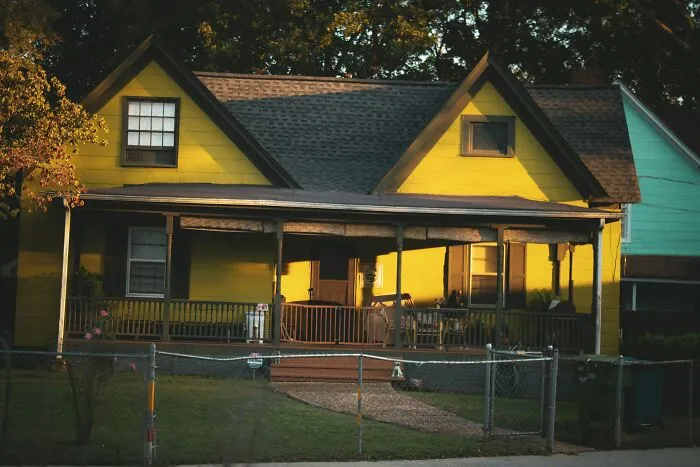
Do your due diligence. See a lot of properties before making a decision. Monitor what houses are listing for and what they are closing for. Don't bid the asking price unless the seller has set an unusually aggressive price. The only way you'll know if this is the case is if you track the market for at least few weeks/couple months.
Report
8points
#22

Ask the current owner for any info on the house which you may need. Who cuts their lawn? If there is a well, does anyone maintain it? Who services the pool? Who services the septic? When did they replace the roof? a/c? pool pump?
Report
7points
#23
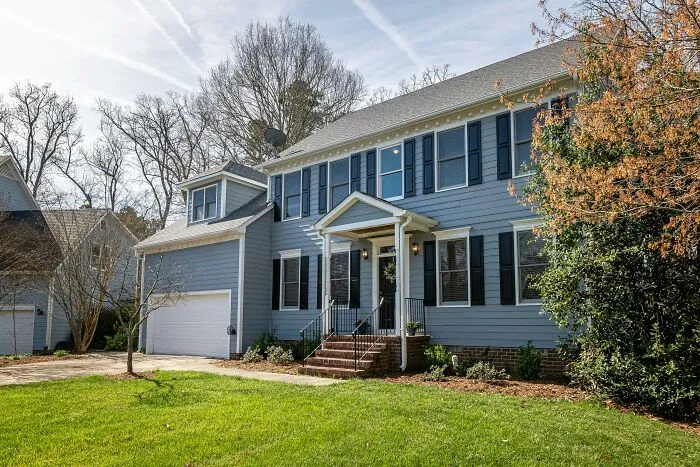
prior events
Things such as floods (in the last 10-15 years), infestations, any plants/farms or other industrial activity which happened in the area (including any demolished refineries); not sure if the proximity to the cemeteries is essential to you but you can look into this as well.
One of the things that I personally came across - which is kinda funny - is that one house we looked at (many years ago) was perfect: location, scenery, neighborhood. Just an eye candy.
Then we learned that there were serious problems with the ownership: previous owner "forgot" to sell the land which the house was built on.
Yeah.
So, there was a huge prolonged litigation happening at the time and the current owner "forgot" to tell us about it until we fell in love with the house and were about to enter into a contract, and that's when it came to light.
I am sure it's a one-off weird case, but just want to tell you about it, so ask as many questions that come into your mind as you possibly can, and make sure that you retain a lawyer that protects yours (and only yours) interests.
Report
7points
#24
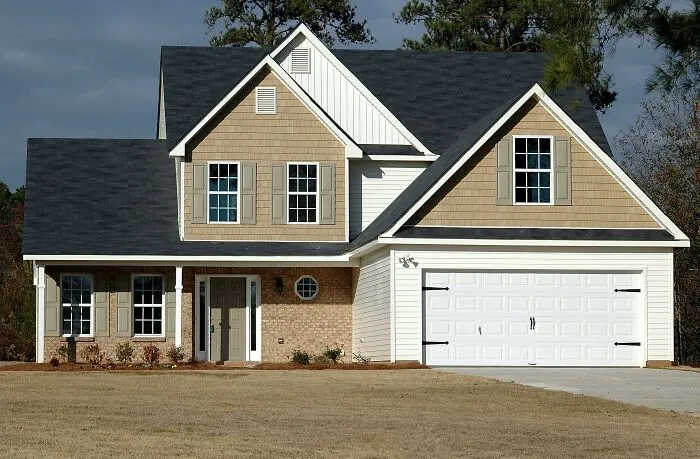
NEVER buy a house with someone you are NOT married to. This creates a very dangerous legal relationship (general partnership) that’s very difficult to undo w/o going to court and suing one another if one (ex) partner can’t buy out the other and the home can’t be sold to settle the obligation.
Report
7points
#25
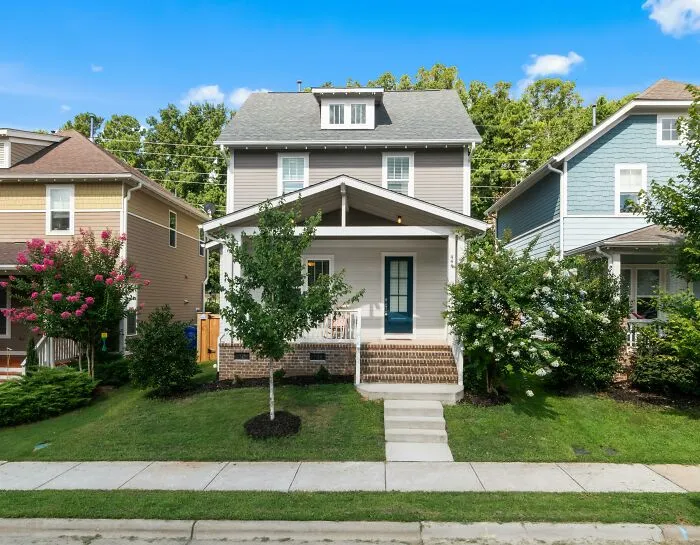
Open floor plan is still THE feature buyers want. Beyond that, an office space seems to be in high demand. At least one bathroom with a tub is important to people with children, but tubs in master bedrooms seem to have lost popularity. (Especially those huge “garden tubs" that used to be all the rage. Hardwood floors in the public spaces continue to be in demand.
Walk in closets are in high demand here as many homes are older and don't have them. A bit of fenced yard is also a big asset as many have pets. A deck in back is always a plus.
Walk in closets are in high demand here as many homes are older and don't have them. A bit of fenced yard is also a big asset as many have pets. A deck in back is always a plus.
Report
6points
#26
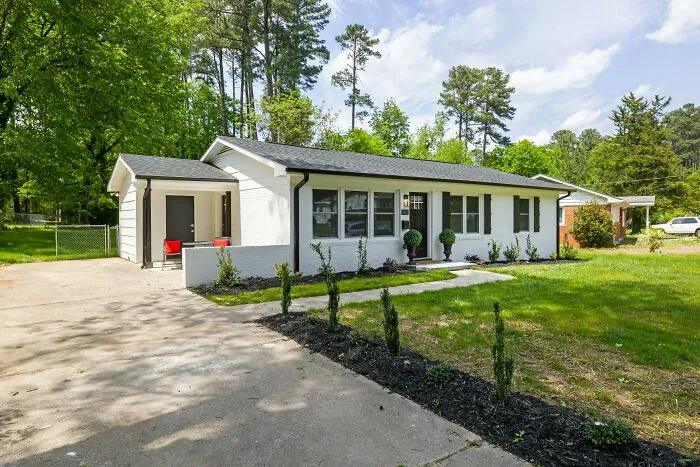
Value: Are you getting your money's worth?
Condition: Is the house well maintained? (An inspector will help you)
Market: You can't fight the market. Is the home in a market that is and will continue to be in demand or in a declining market?
Affordability: Do you have enough money for the down payment? Can you afford the mortgage, taxes, insurance, utilities and maintenance costs
Suitability? Can you see yourself living here for at least 5 years? (very hard to recoup upfront costs in less time)
Team: Do you have the right people helping / advising you? (Realtor / Mortgage Professional / Financial Advisor / Lawyer
Report
6points
#27
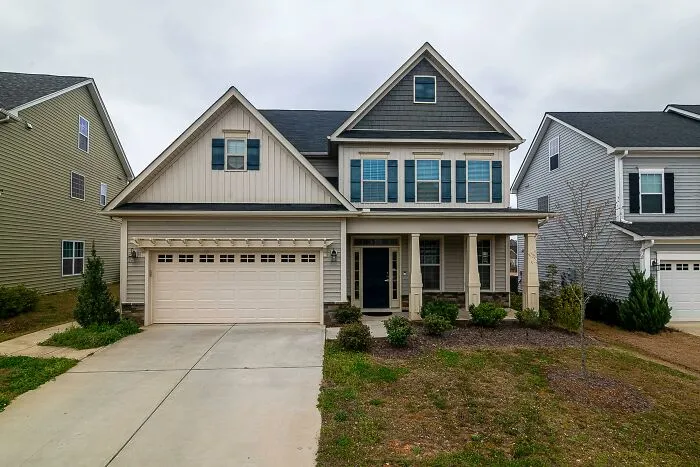
I agree with everything Anthony wrote, but I do have an additional concern: what are you buying?
Is this your “starter” home? If so, it’s important to find one that can relatively easily be improved upon, in an area with a solid school system (even if you don’t have kids yet). You want to make sure you can sell for more than you bought it for, to have money for the “step-up” home, and make it attractive to a young family.
Is this the home you will live in “forever”? If so, it’s important that it be convenient to your work. Also, consider how much acreage and interior space you have time and money to maintain. For instance, I love to garden. My “forever” home would have to have lots of space for me to devote to having a bigger area to plant. But some people would rather travel; in that case, their ideal home may have little or no land. How much interior space would depend upon how much you entertain guests, and how many children you have. Will you be hosting big family gatherings? Need 4 bedrooms or more?
Are you older, and/or have health concerns, like arthritis? You will need to think about accessibility. A one-level home or condo with easy parking will be essential. Think about room for ramps and grab bars. At least one large bathroom with an easy-access tub (or room for one) would be important. You’d be wise to have no door thresholds and have carpet as opposed to a hard floor surface. Another thought as to parking: even if you don’t drive, it is vital to have access to an area where a car/van/ambulance can easily reach you. Minutes count in an emergency; you don’t want EMT’s facing difficulty getting to you. The better accident-proof your home, the longer you can stay in it, and avoid expensive assisted living facilities.
If you are considering “flipping,” and are about to buy a property to fix up, think about all these considerations with your potential buyer in mind. Who will most be drawn to that house? A young family, retirees, executives? Do some research on schools, parks, commute times, gyms, elder services, area health care, etc.
Just a few ideas to get you thinking! Cheers!
Report
5points
#28
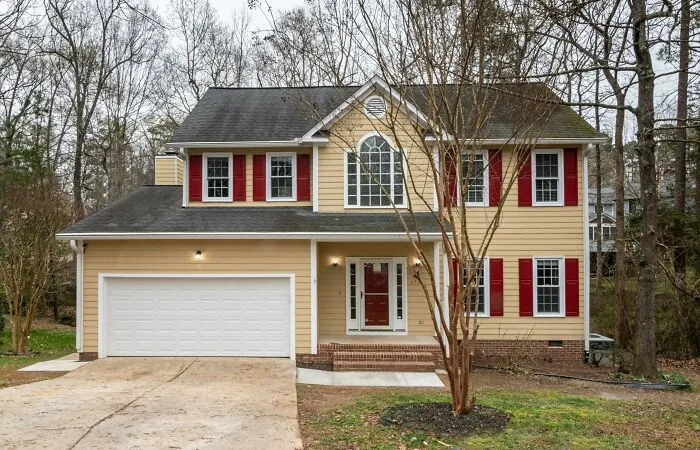
If everything is brand new make sure it’s not a flip house ( bought and reselling in a short time) you’ll have a second appraisal requirement which is potentially an issue depending on listing price, amount of time between transactions and actual value of improvements made.
Report
5points
#29

Anticipate the future. Research local development plans, zoning regulations, and potential neighborhood changes to ensure your investment stands the test of time.
Report
5points
#30
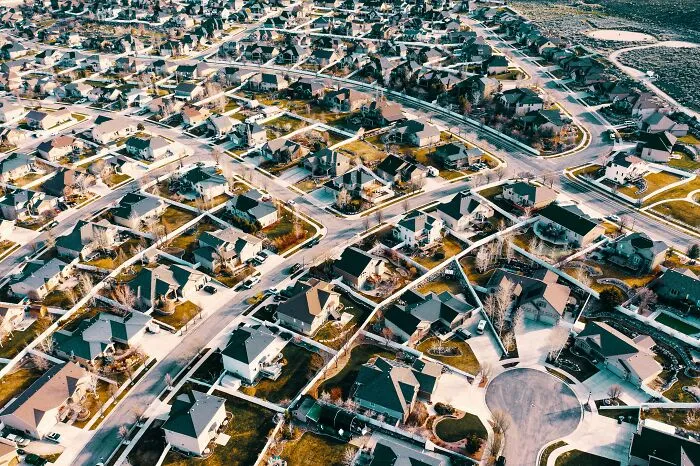
Price and market history. Save your money. Or look just to purchase a rental home. If there is a positive cash flow then that makes sense.
Primary residence is a money down the drain.
Primary residence is a money down the drain.
Report
2points


