

Having a good boss can make your work life so much easier. But what if you're stuck with someone who constantly creates problems? From office politics to unnecessary arguments, dealing with a difficult manager can be exhausting. And sometimes, the drama continues even after they're gone.
This post may include affiliate links.
One employee took to Reddit to share their ordeal after their boss was fired following several investigations. The dismissal came as a surprise, but the manager's reaction was even more unexpected. He began blaming the employee and sending angry messages. Keep reading to find out what happened next!
Office drama can be stressful, especially when a difficult boss is involved

And one employee experienced just that when their boss aggressively blamed them for getting fired
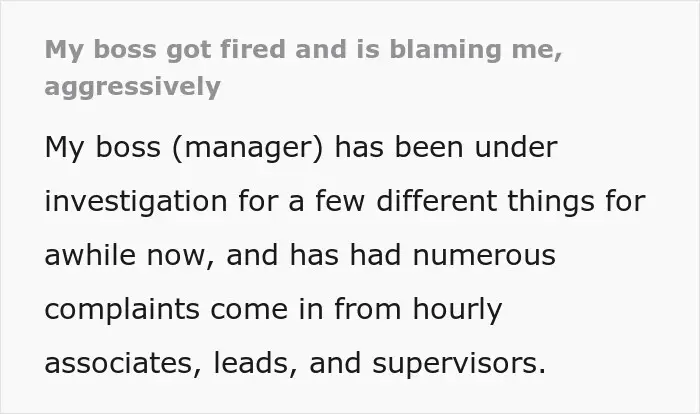
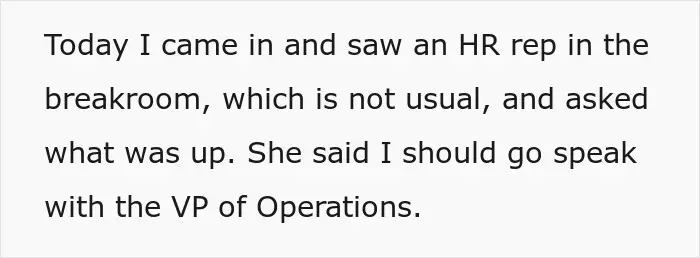

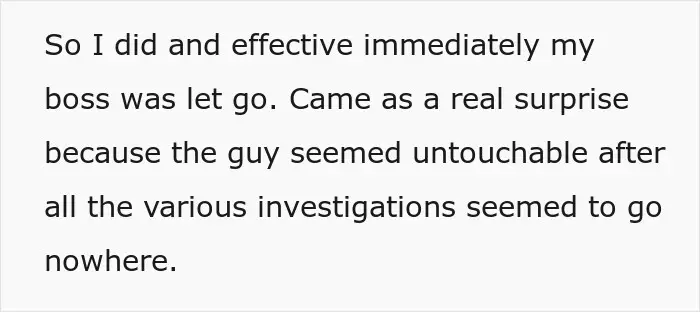
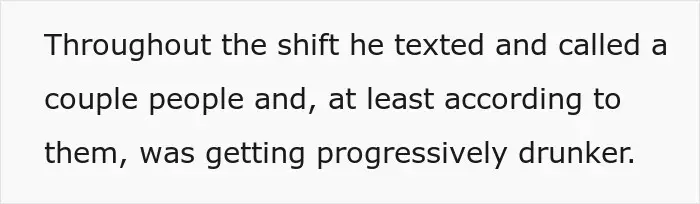


Having a toxic boss can make even a good job difficult to enjoy
A good manager can make your work life much easier. Unfortunately, the opposite is also true. Some bosses constantly question their employees' decisions, take credit for their achievements, or blame others when something goes wrong. Dealing with this kind of behavior every day can be exhausting, especially when employees feel they have little choice but to put up with it.
And it seems quite a few people have experienced something similar. A 2026 survey by The Harris Poll found that 60% of employed Americans said they currently had a toxic boss. Meanwhile, 70% reported working under one at some point in their careers.
The consequences can extend well beyond the office. The same research found that 47% of respondents reported stress, burnout, or declining mental health because of their boss's behavior. Furthermore, 53% said they'd sought therapy because of a toxic boss, while 66% had changed jobs because of one.
An American Psychological Association survey from 2024 also found that 15% of employees described their workplace as somewhat or very toxic. Among them, 89% reported lower psychological safety, which can make it difficult for workers to raise concerns or speak openly.
Stanford professor Robert I. Sutton has explored the impact of disrespectful managers in his popular book The No (Jerk) Rule: Building a Civilized Workplace and Surviving One That Isn't. One of the book's important lessons is that companies shouldn't tolerate repeated mistreatment simply because someone is talented or holds a senior position. After all, achieving good results doesn't excuse treating colleagues poorly.
To understand what separates a demanding manager from a toxic one, we spoke with Naresh Sharma, founder of OnePoint, who has over 30 years of experience in logistics, connecting cities across India.
"A manager's job is to guide people and help them do their best work. There will be times when you need to be strict or give difficult feedback, but that should never involve insulting or humiliating someone. You can hold employees accountable while still treating them with respect. If people are afraid to approach their manager, there's already a problem."
Companies need to take workplace complaints seriously
Of course, disagreements are bound to happen at work. Managers sometimes have to make unpopular decisions, and employees won't always agree with them. However, when someone repeatedly mistreats their colleagues, it's important that the company steps in. Ignoring complaints can only make things worse.
A 2025 study by the Society for Human Resource Management (SHRM) found that 66% of workers who experienced uncivil behavior believed their managers could have done more to prevent it. Meanwhile, 70% felt that managers cared more about business goals than how employees were treated.
And poor workplace behavior can be costly, too. The same research found that employees lost an average of 36 minutes of productivity per incident of incivility. SHRM estimated that such behavior costs American businesses around $2.07 billion every day. Clearly, ignoring these problems isn't doing anyone any favors.
So, what should companies do when employees repeatedly complain about a manager? We asked Sharma how senior management should handle such concerns.
"When multiple employees complain about the same person, management needs to take it seriously. You can't simply dismiss the complaints because someone has been with the company for years or brings in good results. It's important to listen to everyone involved, look at the facts, and take appropriate action. Employees need to know they can raise concerns without worrying about losing their jobs."
Ultimately, a healthy workplace isn't one where disagreements never happen. It's one where people can speak up, problems are handled fairly, and everyone is held to the same standards, regardless of their position.
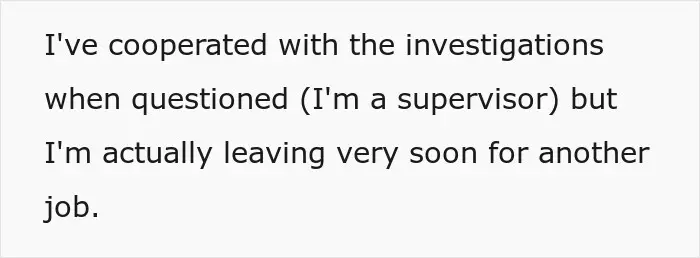
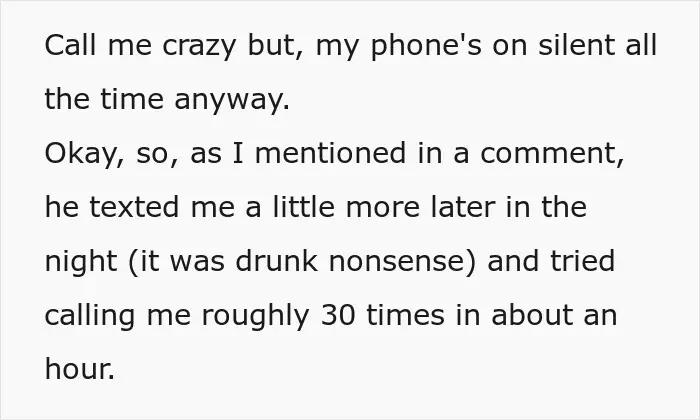
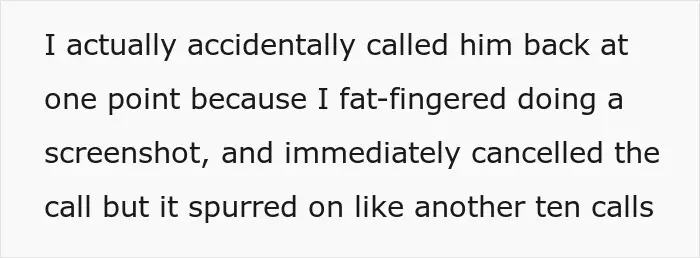
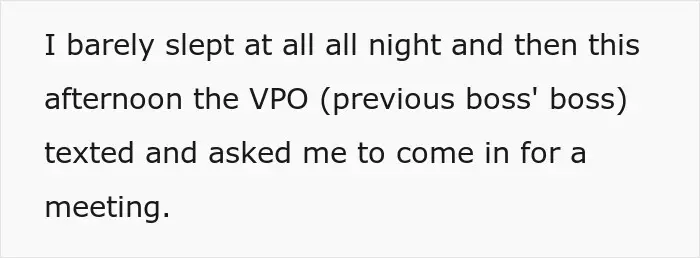
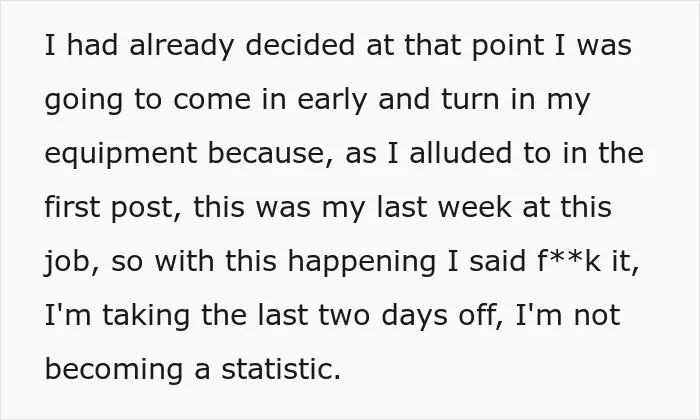
Coming back to today's story, the employee had cooperated with investigations into their manager's conduct. However, even after being fired, the former boss continued blaming employees and sending threatening messages. What do you think, pandas? Have you ever dealt with a boss who refused to take responsibility for their actions? How did your workplace handle it? Share your experiences below!
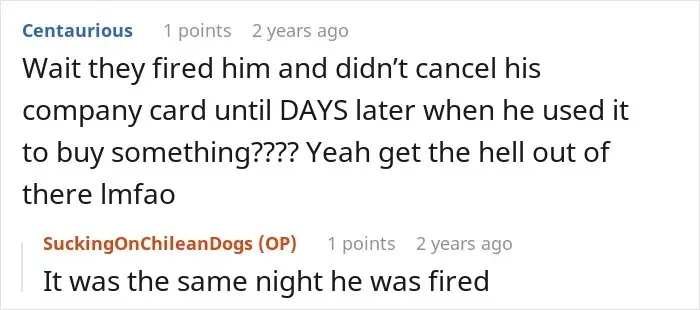
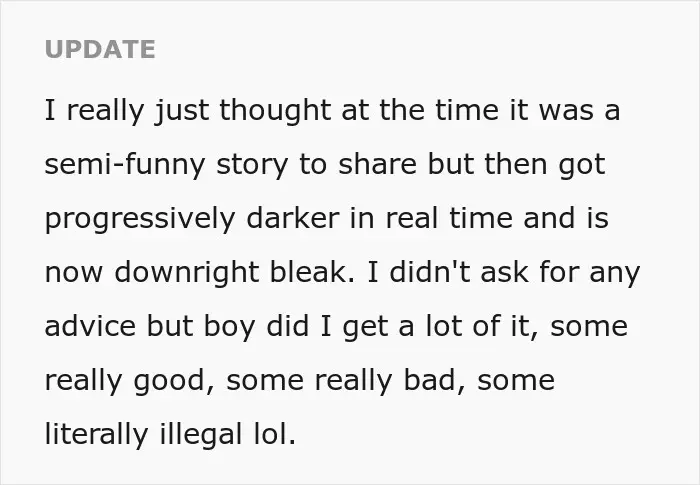
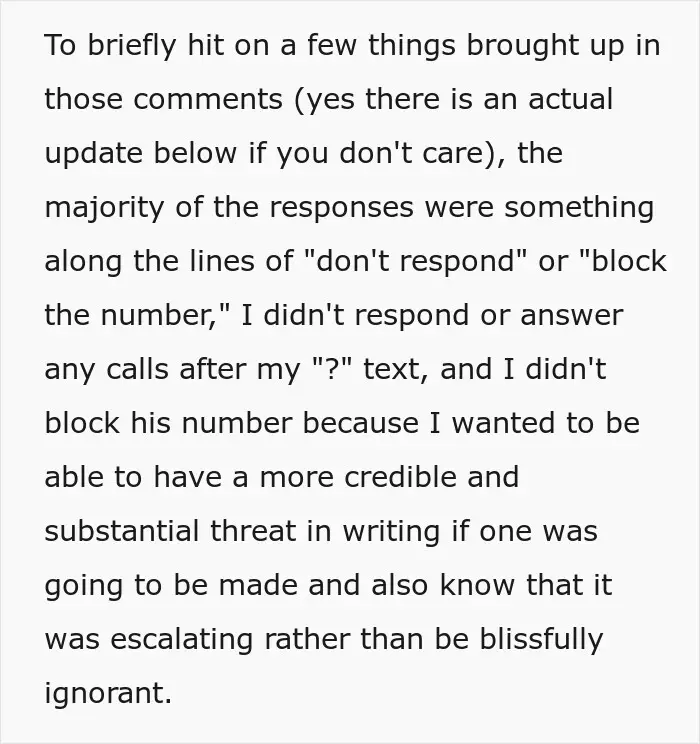
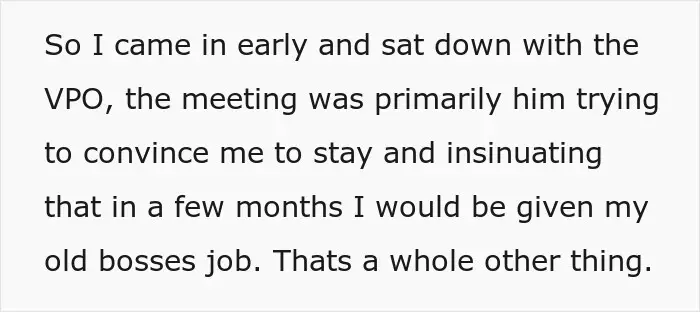
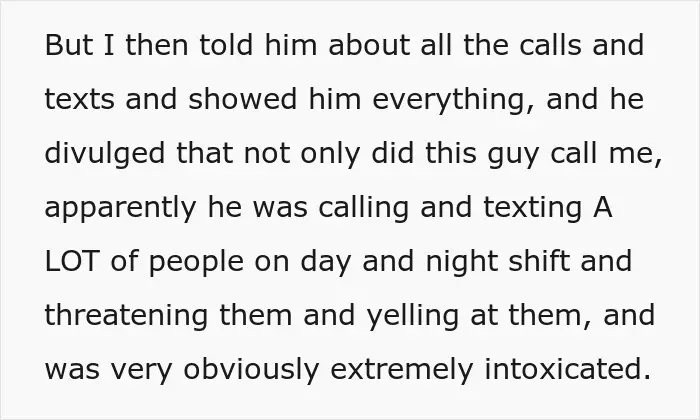
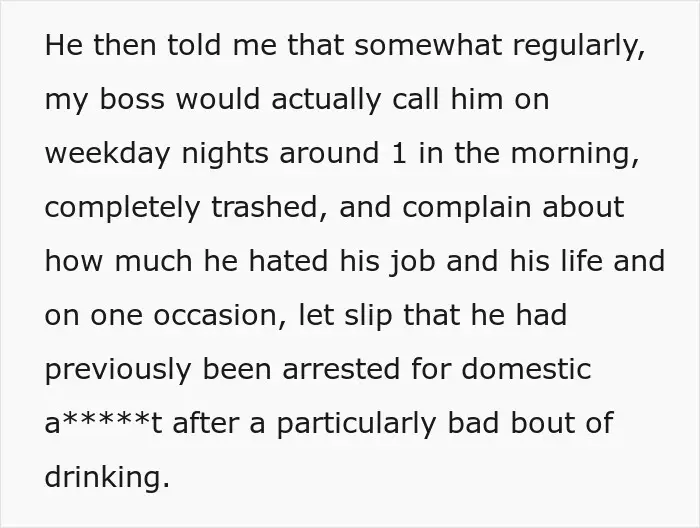
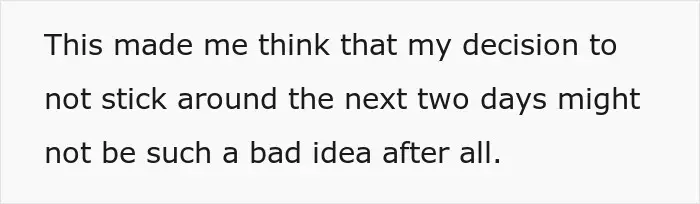
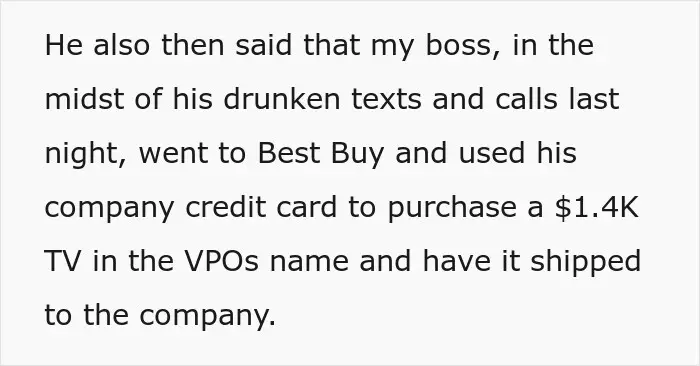
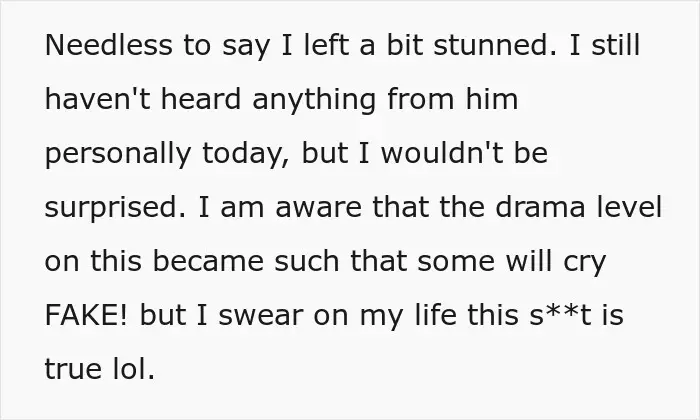
The employee later shared more details about what happened
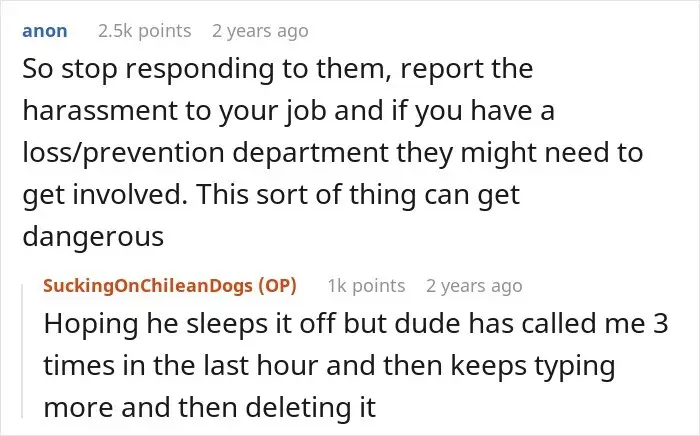



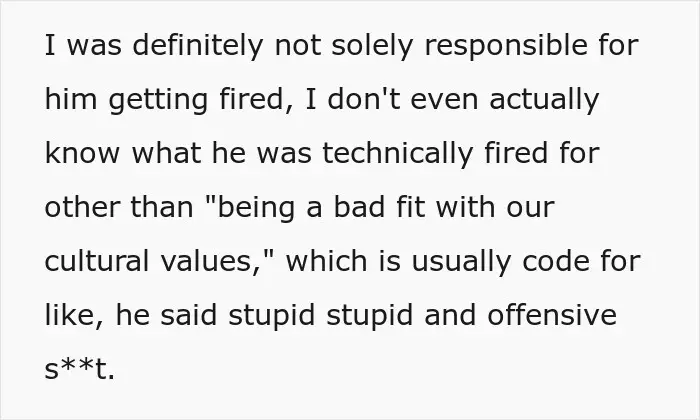
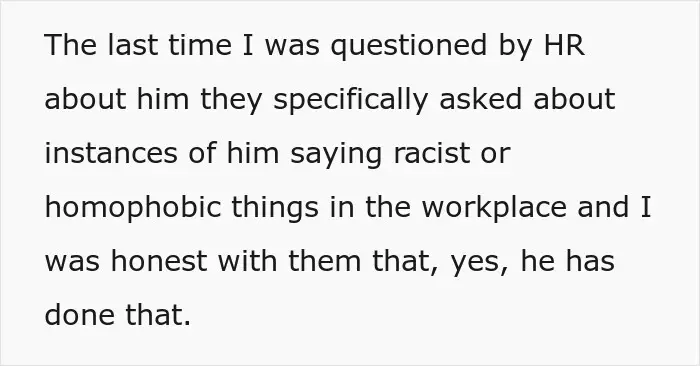
The employee even explained what led to their boss's dismissal


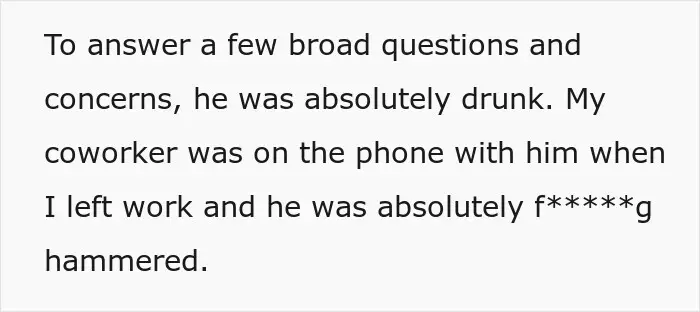




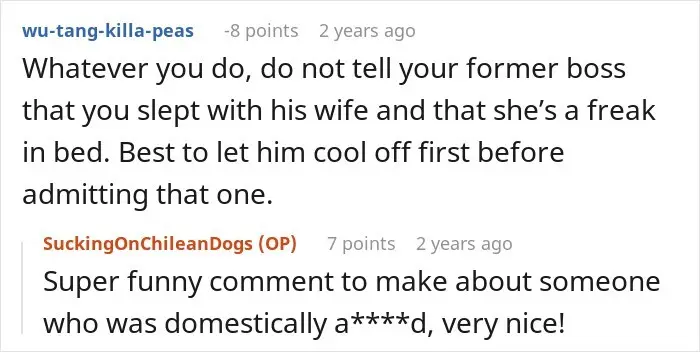
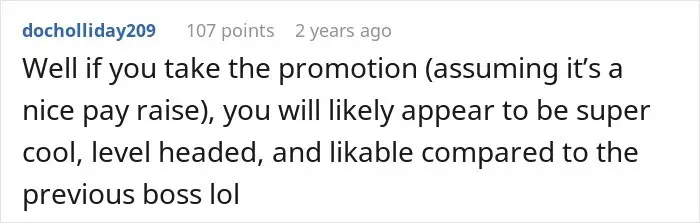
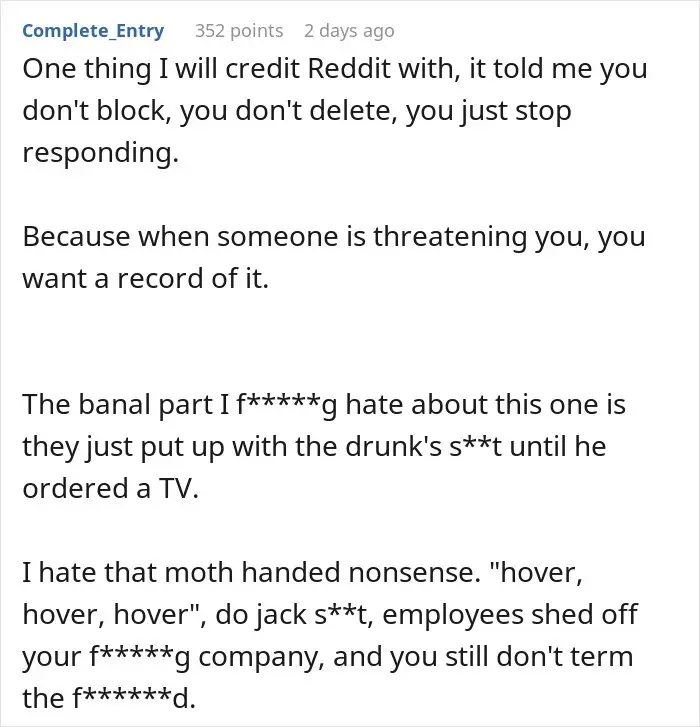
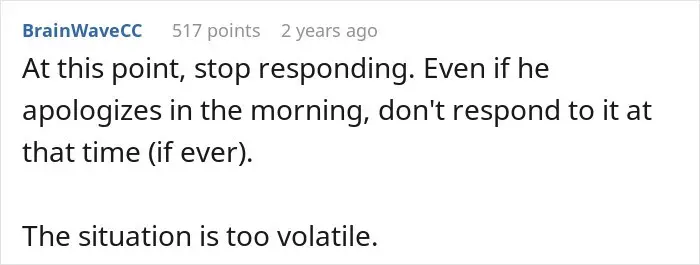
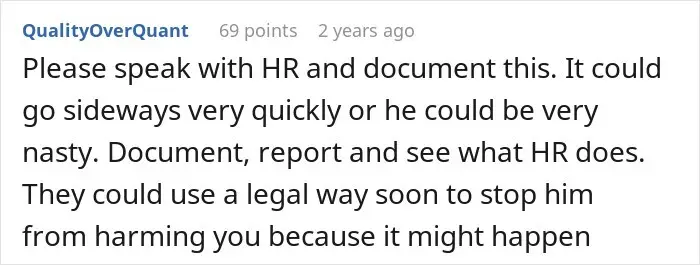
People advised the employee to cut off all contact with their former boss







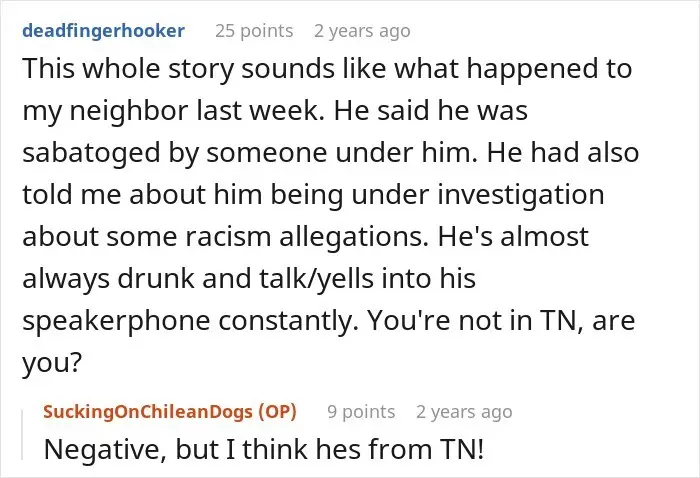
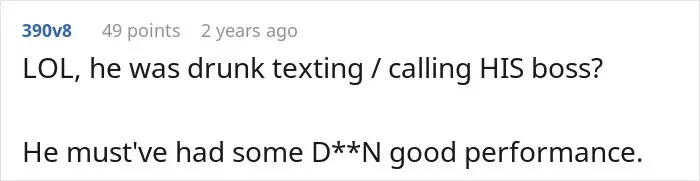
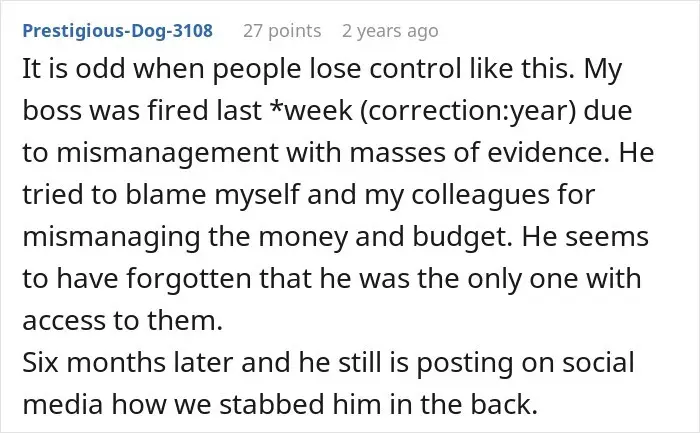
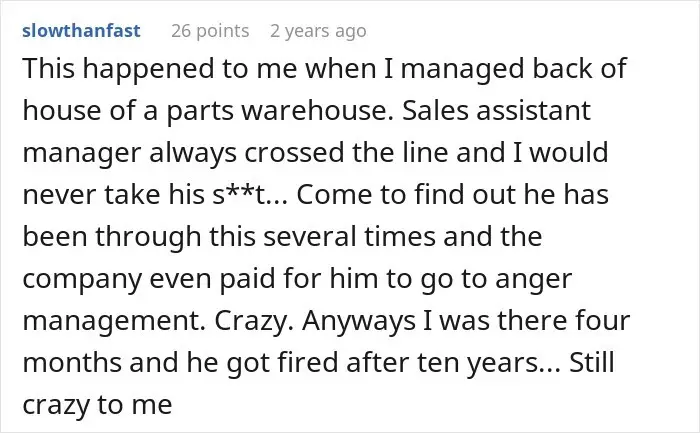
A few people shared similar experiences with their former bosses

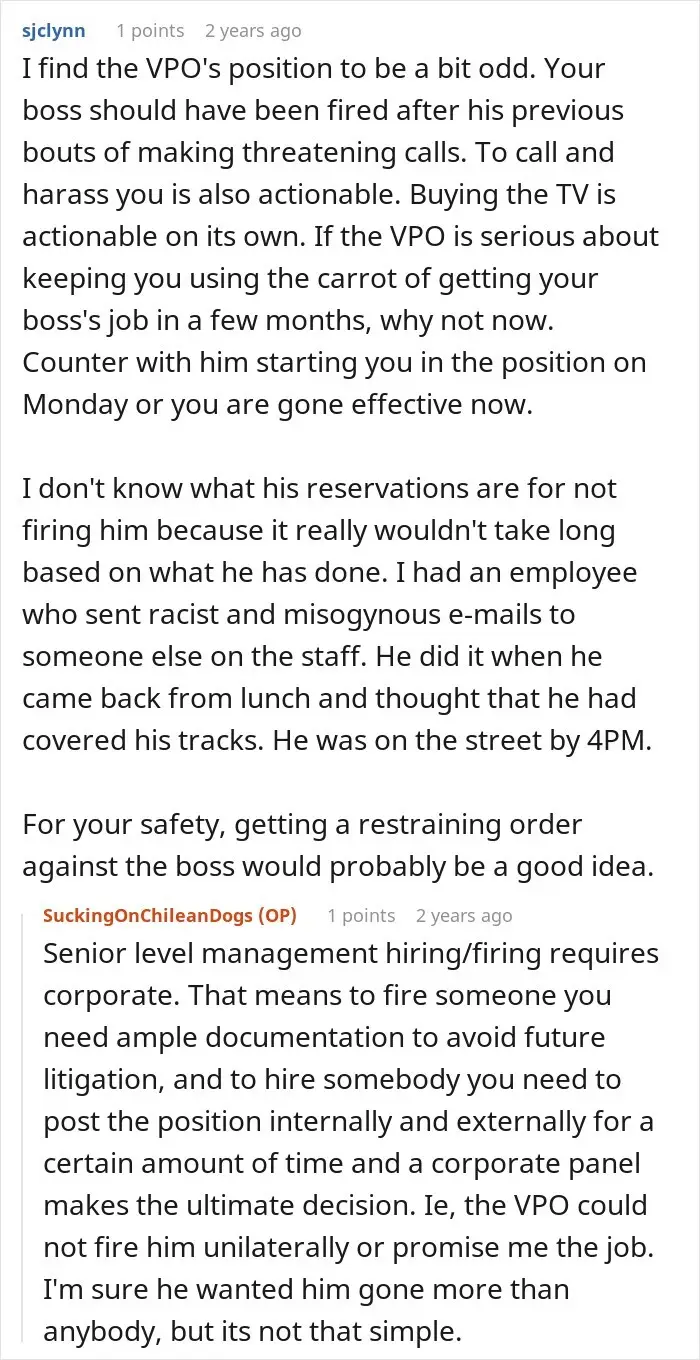
The employee reported their former boss's behavior to senior management


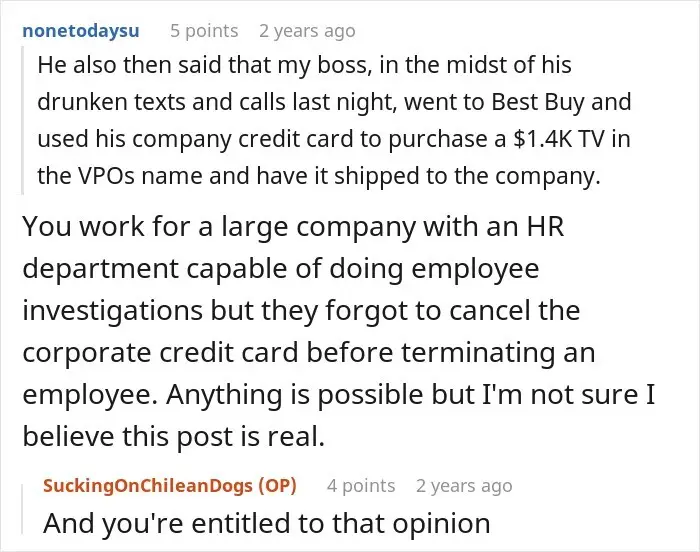
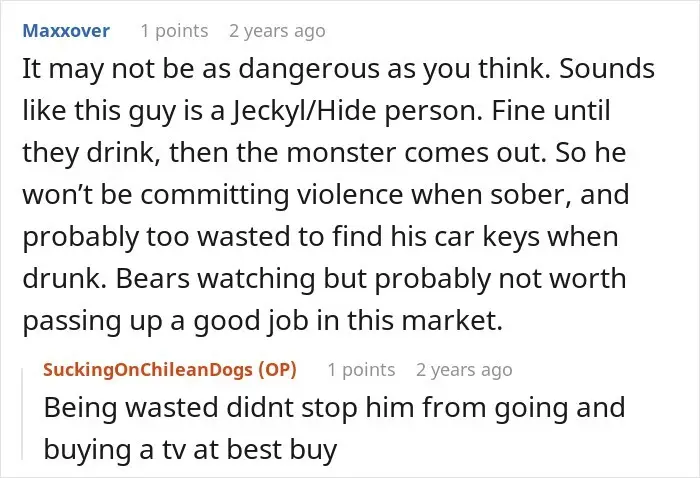
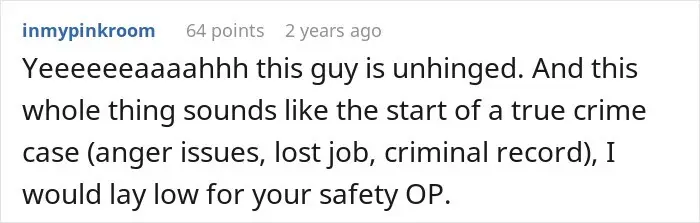
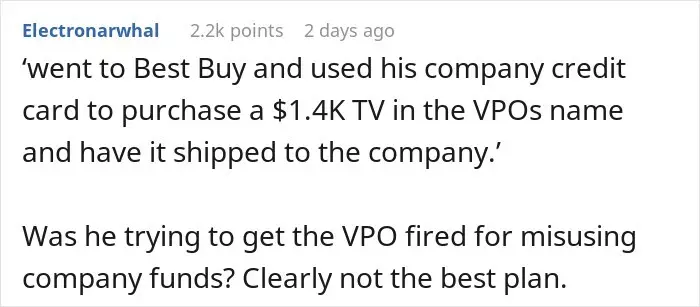
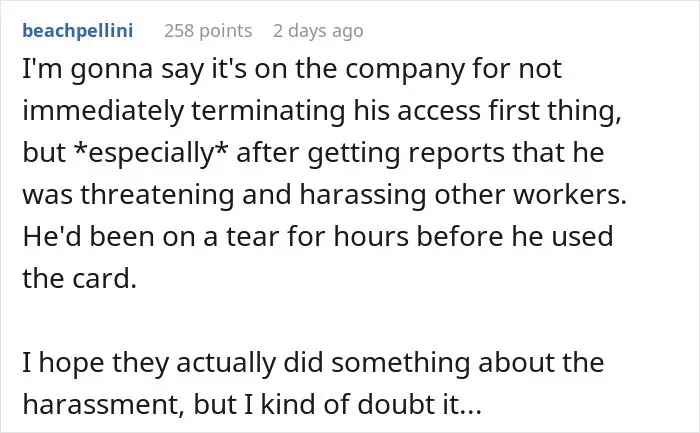
Many commenters were quick to point out how unreasonable the boss's behavior was