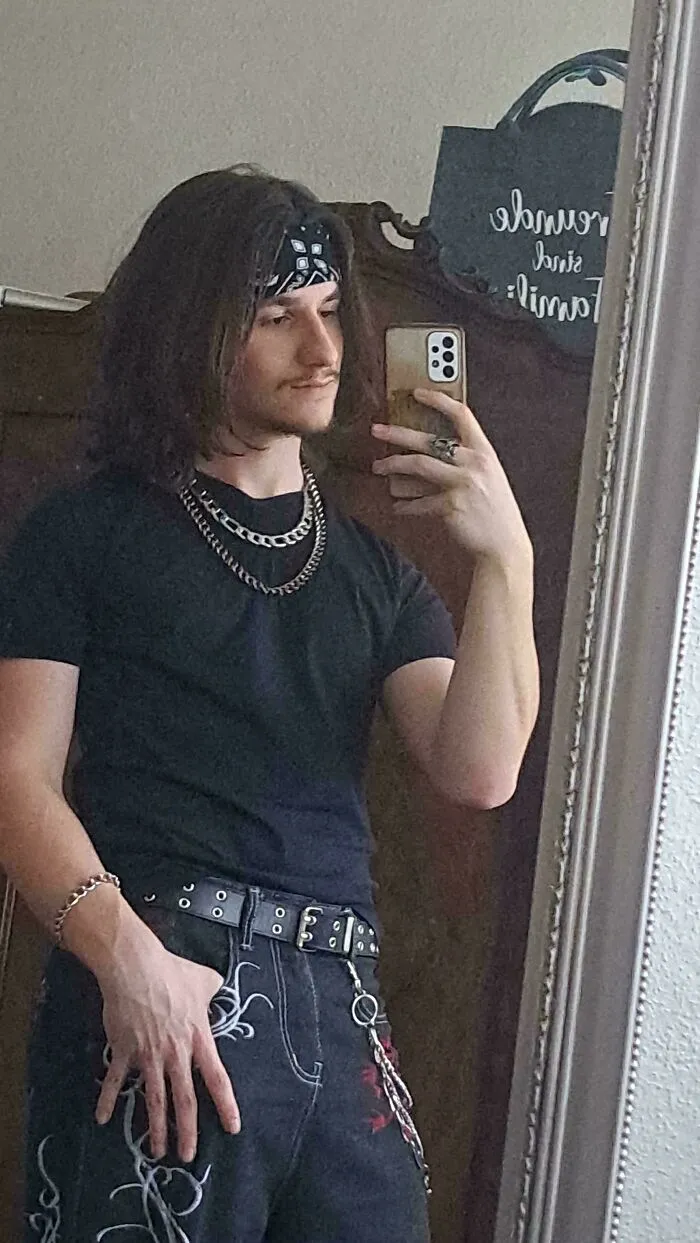

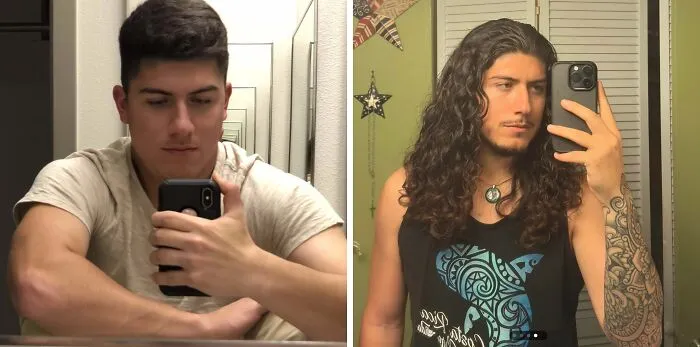
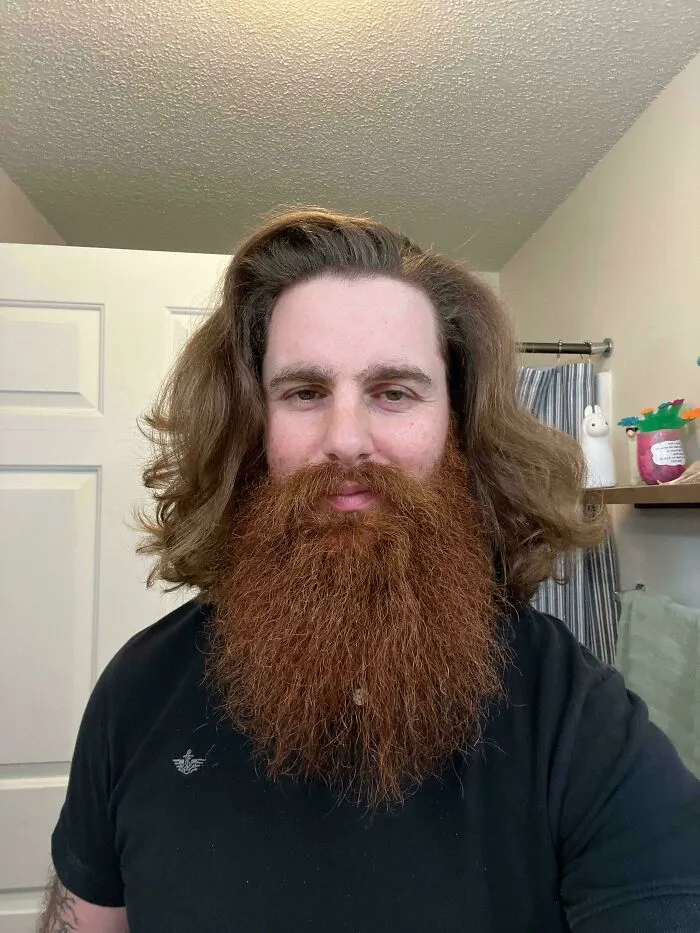
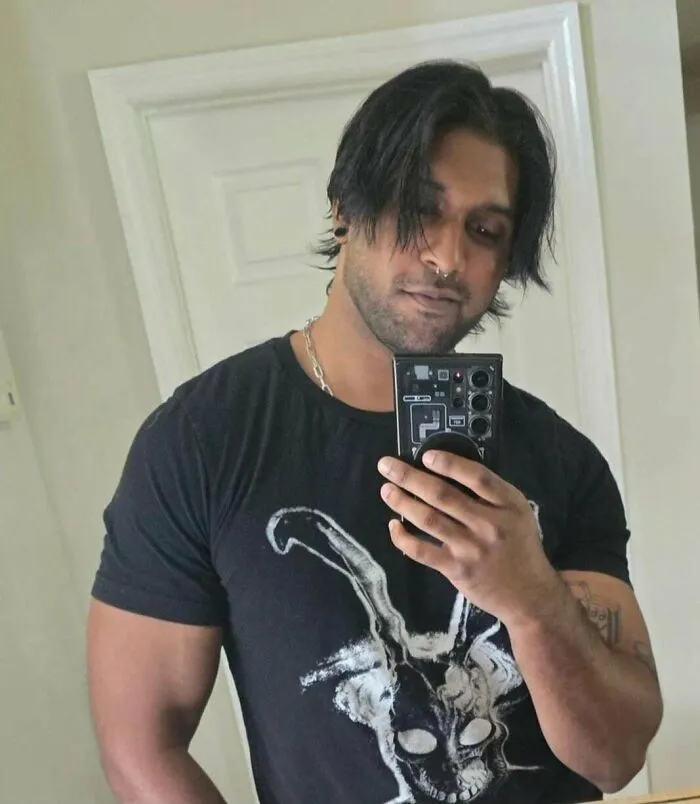
#23 My Ex Really Didn’t Want Me To Grow My Hair Out, I’m So Glad I Trusted My Intuition
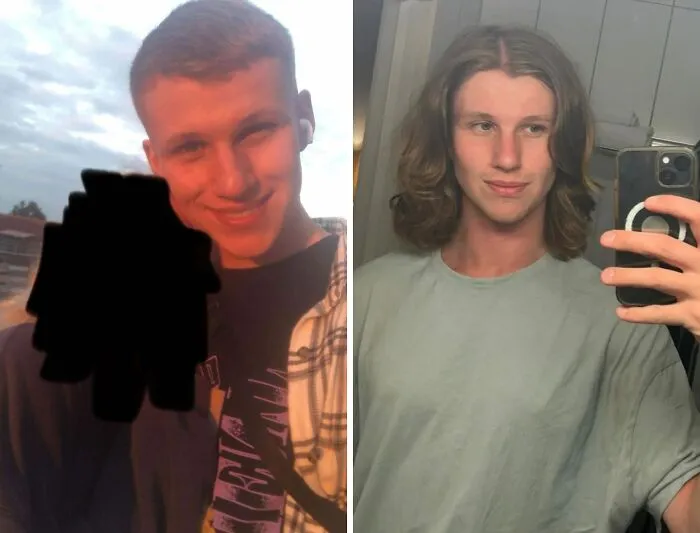
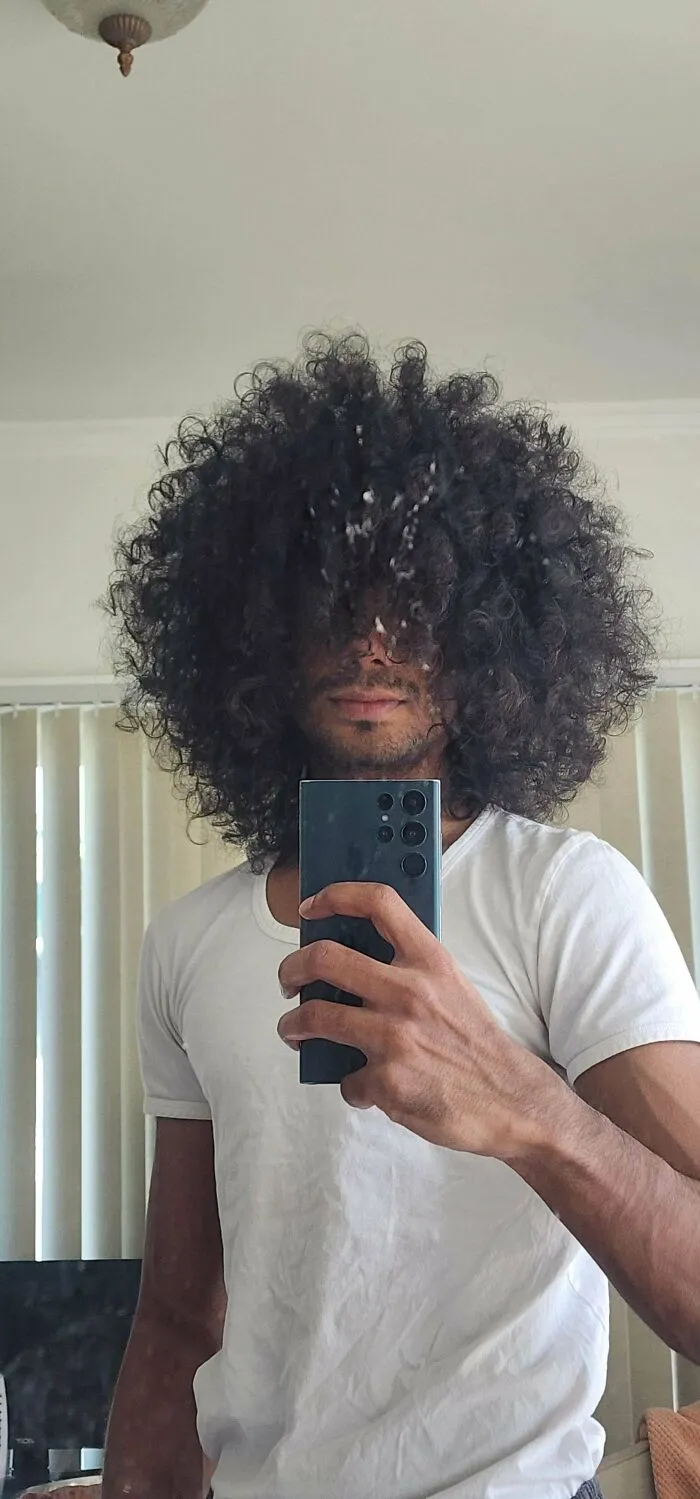
The civil rights movement brought a major change for Black men. Natural textures became a source of pride and identity, with afros and curls symbolizing self-acceptance and resistance to Eurocentric beauty standards.
Meanwhile, many white men leaned into counterculture looks in the 60s and 70s. The Beatles popularized the mop top, rock bands brought in long, shaggy cuts, and the hippie movement embraced hair as a symbol of freedom and resistance to strict grooming expectations.
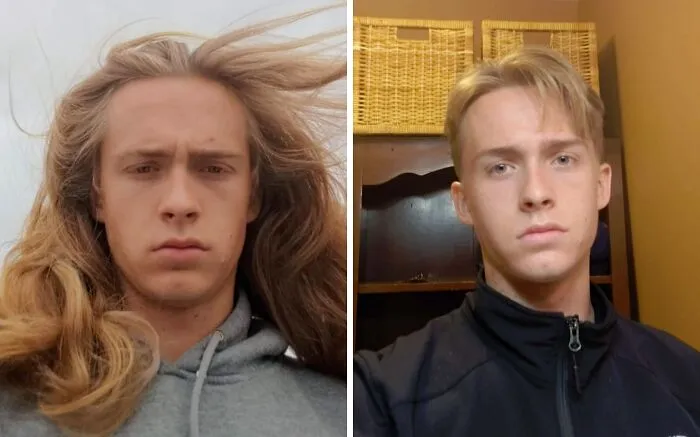
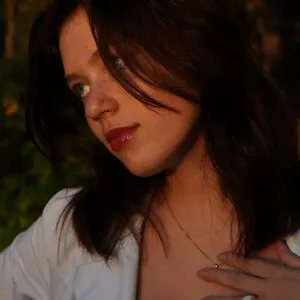
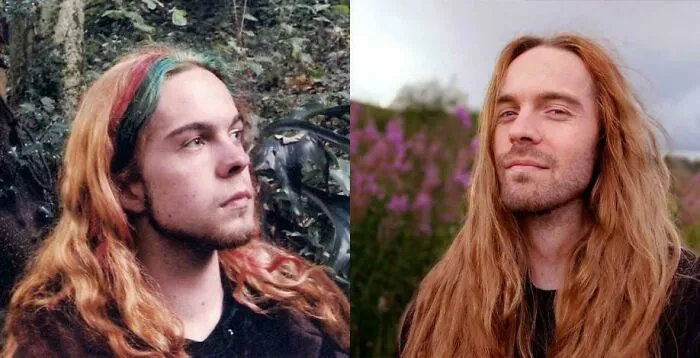
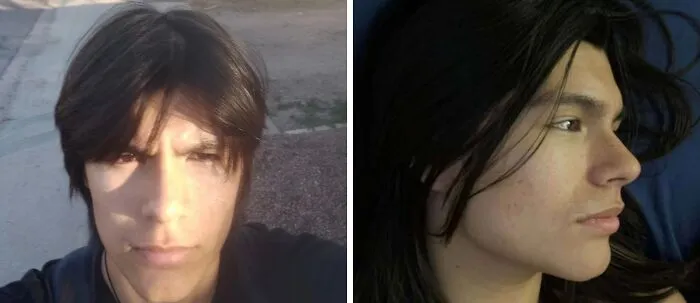
#25 24 Years Between These Photos And I Managed To Circle Around To Almost The Same Hair
By the 1980s, men’s hair became bigger, bolder, and far more experimental. Mullets, volume, curls, sprayed textures, and dramatic silhouettes took over pop culture.
Later decades saw men rotate between simple buzz cuts, spiky gel looks, textured shags, and clean fades. Facial hair rose and fell in cycles, from the clean-shaven 90s to the beard boom of the 2010s to today’s moustache revival.
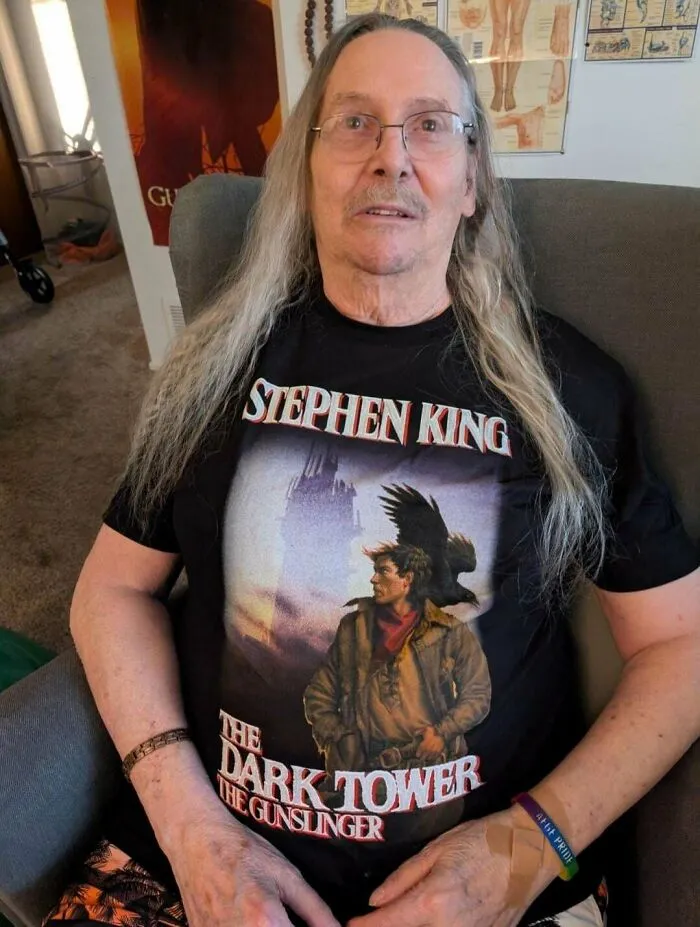
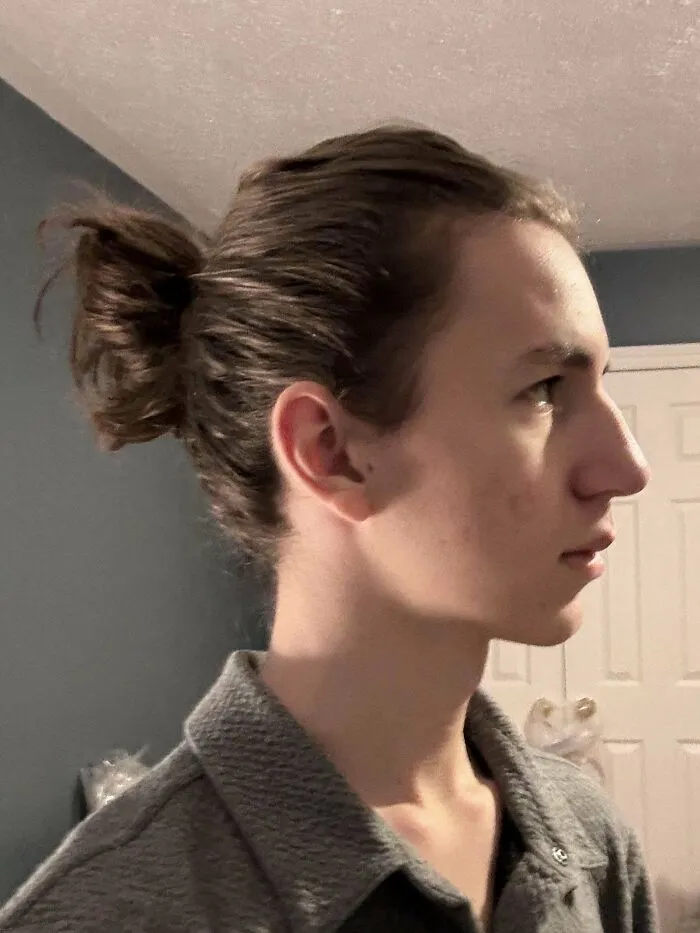
Today, men’s hairstyles are more diverse than ever. Some looks are inspired by older styles, while others are completely new. Men keep their hair long or short, add texture, or dye it in bold colors. With grooming products everywhere and social media encouraging experimentation, people feel more comfortable trying different styles instead of sticking to one trend.
So while hair styling has always been around and has always acted as a cultural marker, it’s interesting to see how modern looks still carry traces of everything that came before. And with so many options now, there’s no reason not to try something that feels right and makes you feel good.
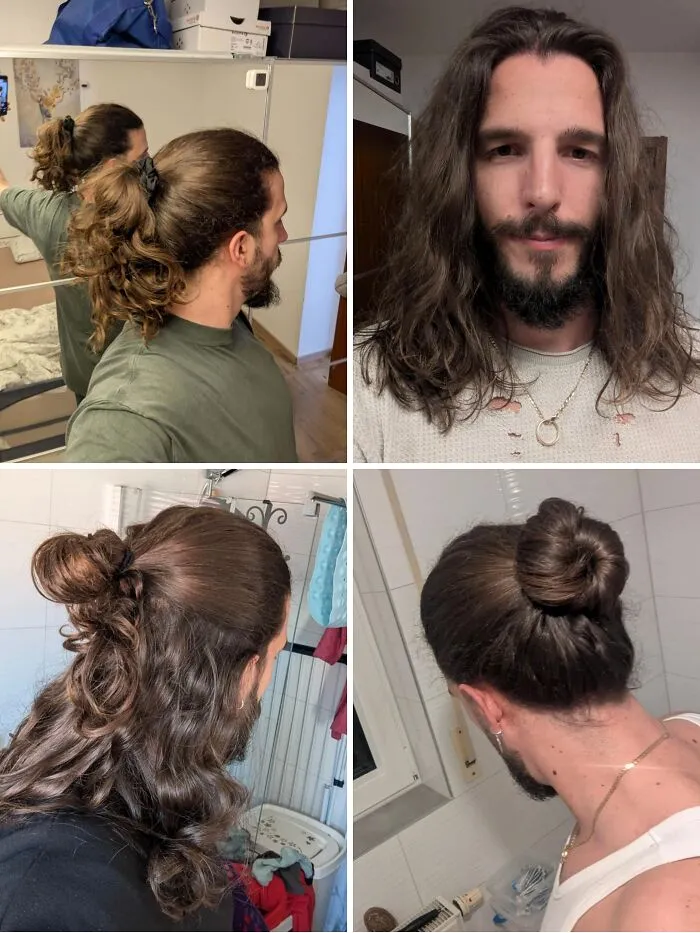
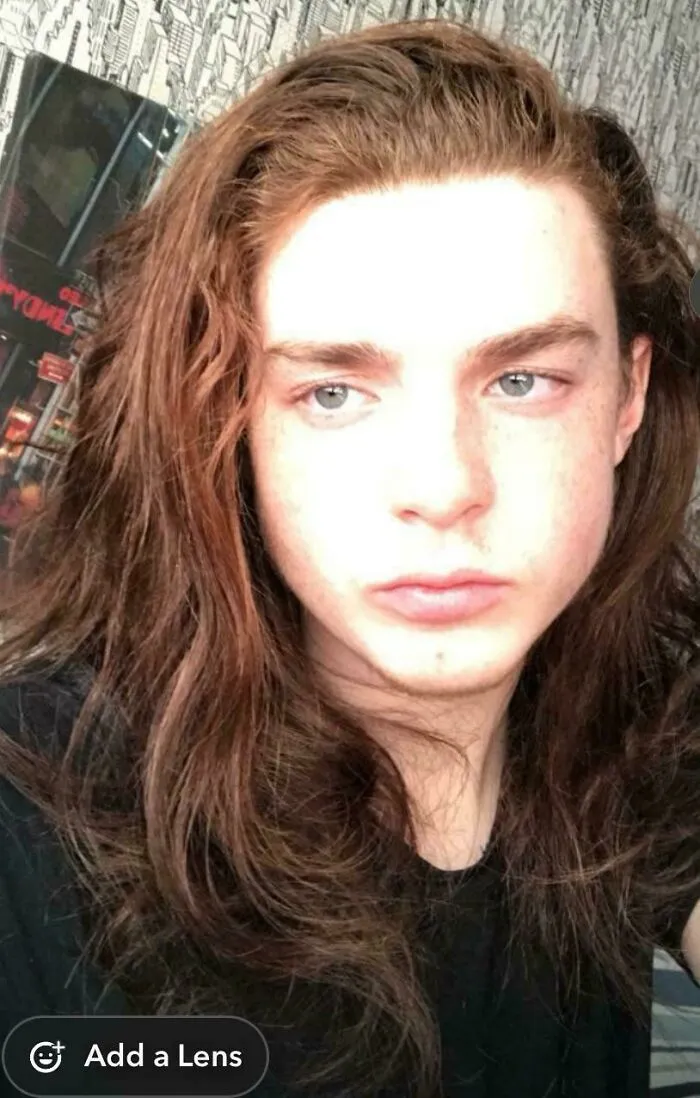
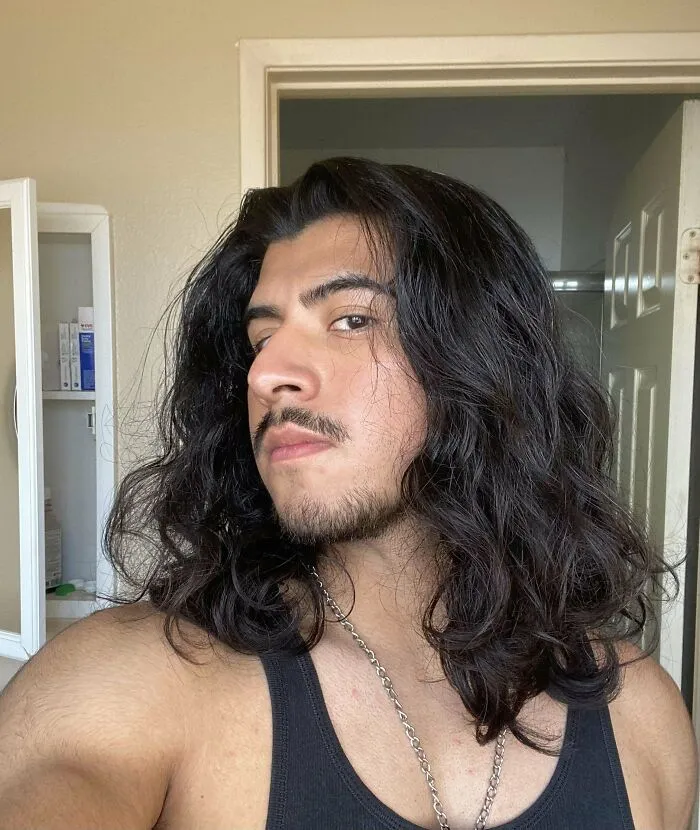
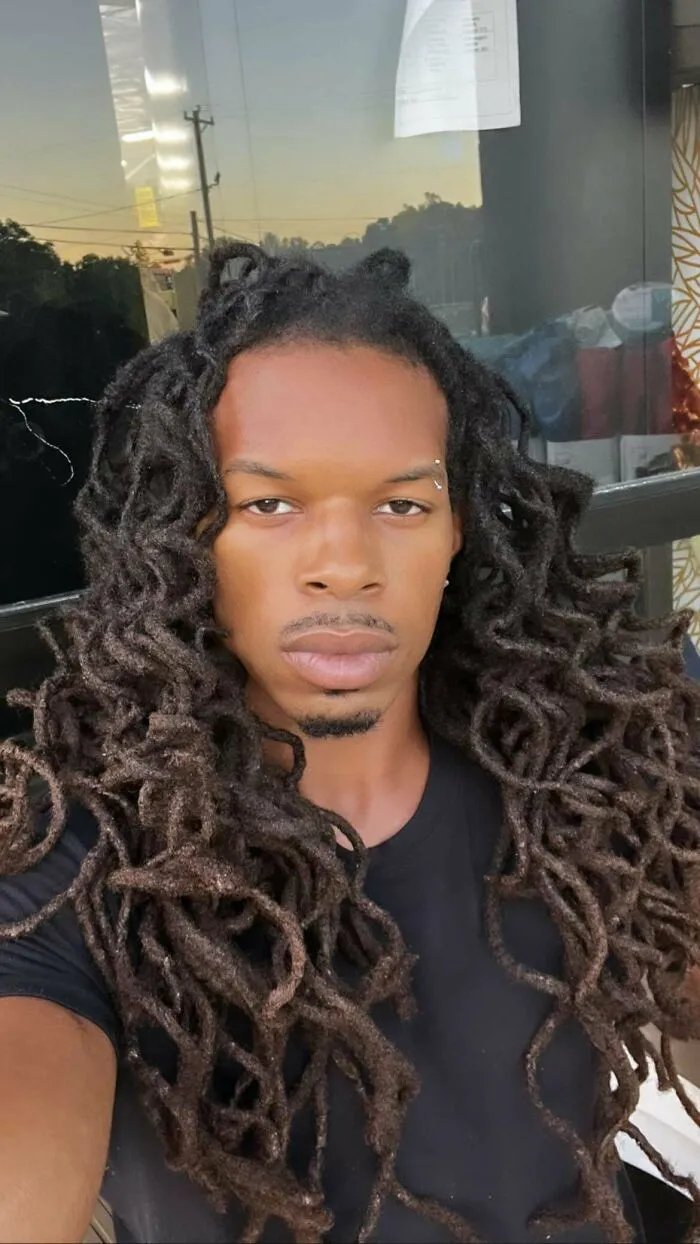
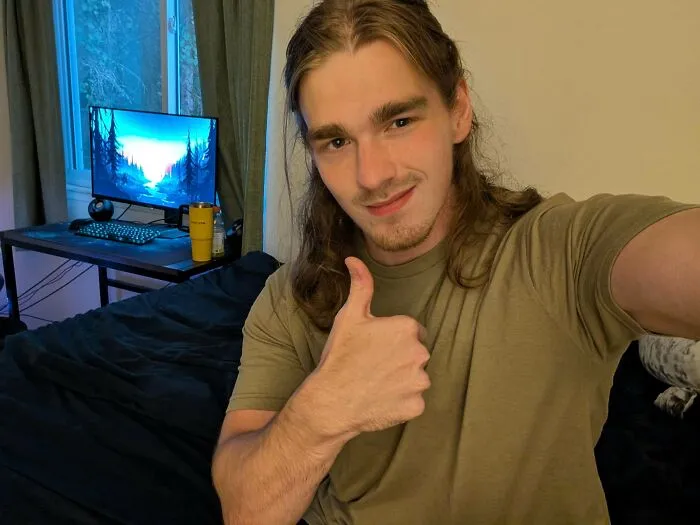
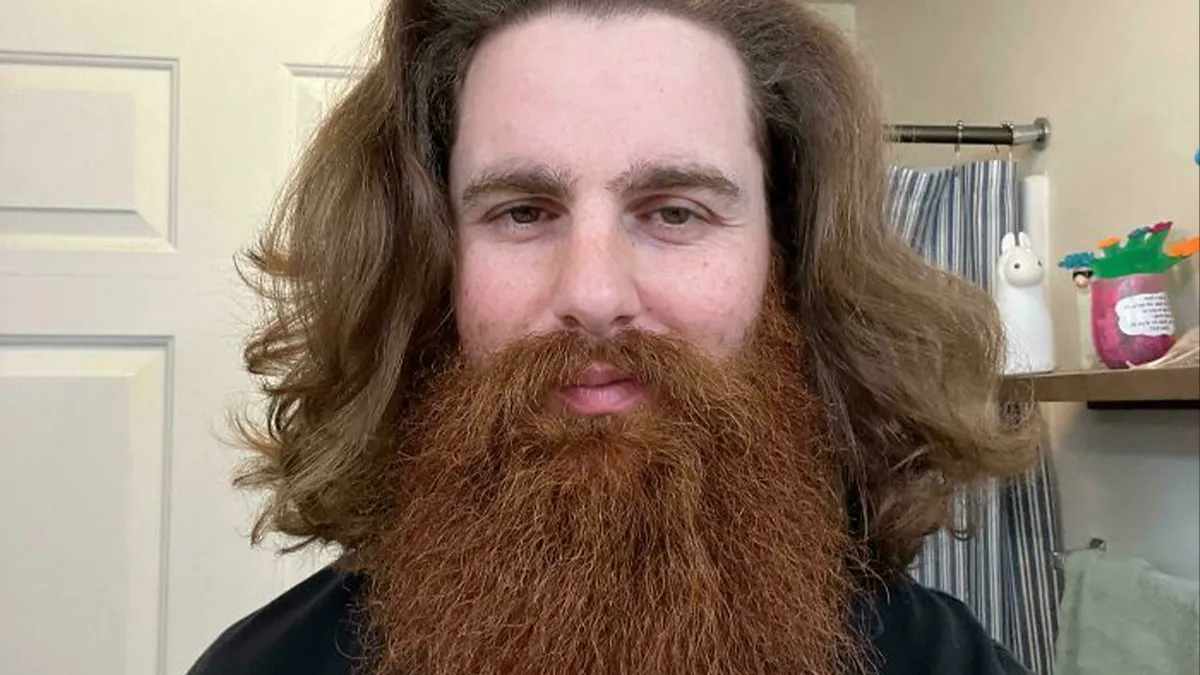
#36 Update - Got Rejected From A Dream Job Because I Have Non Conventional Male Look
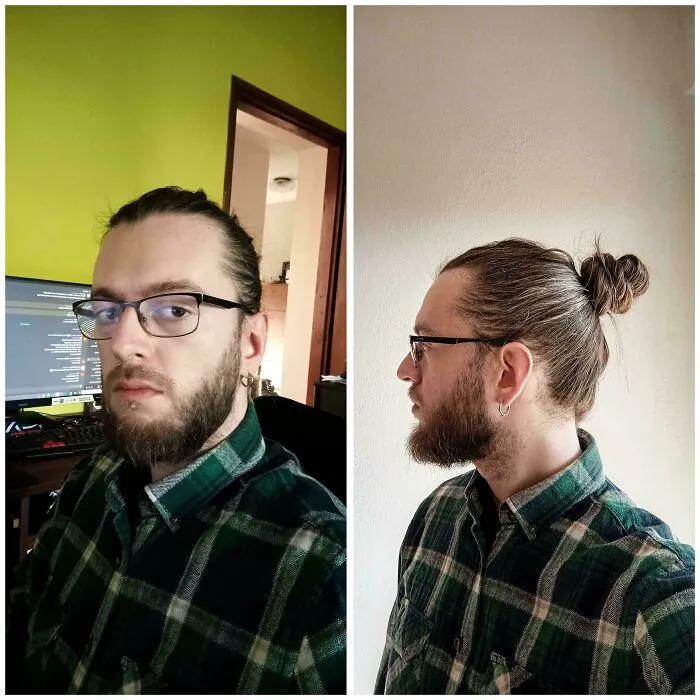
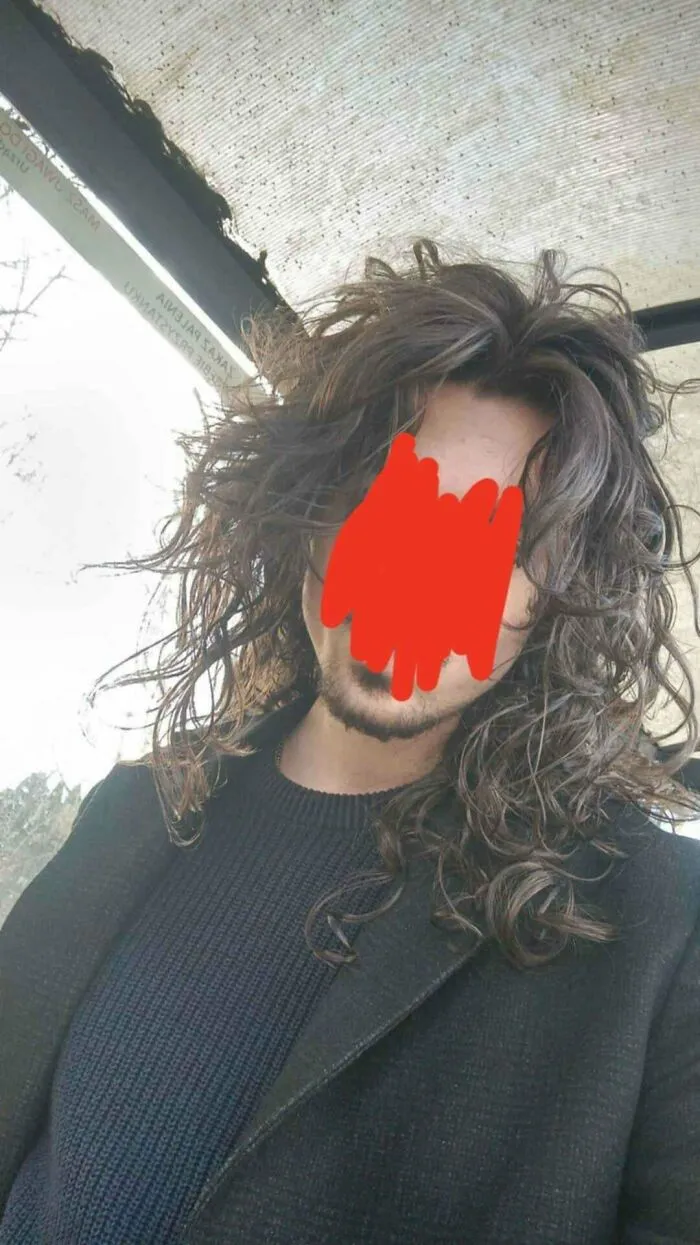
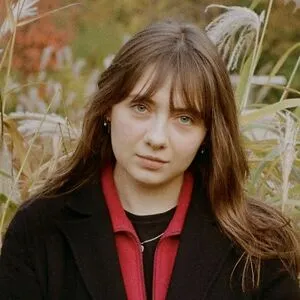
#38 Shaved & Now Look Like A Girl, But At Least I Mog Those Who’d Make Fun Of Me With My Hair
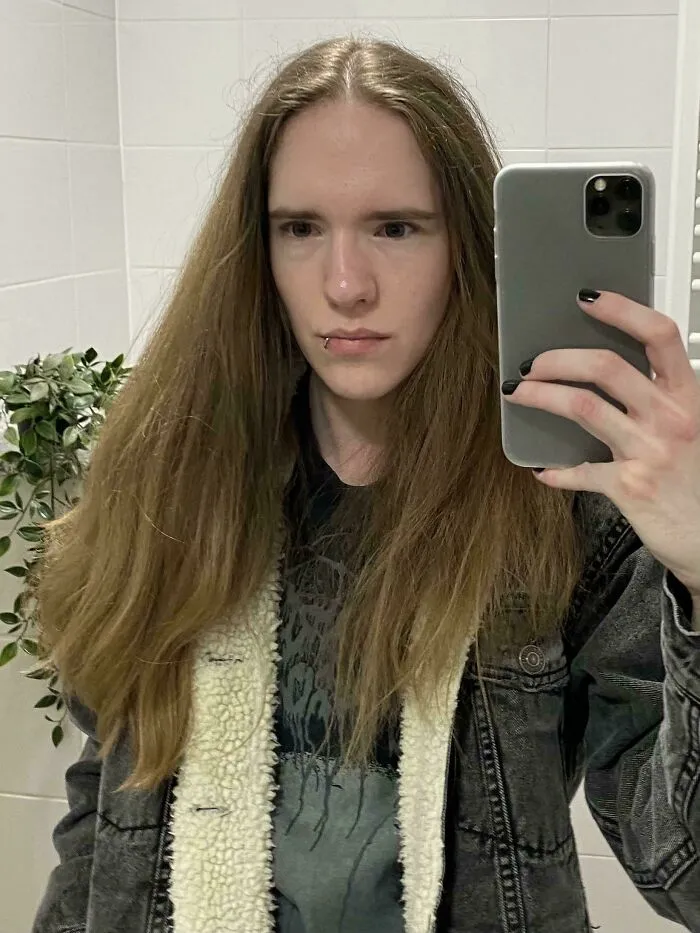
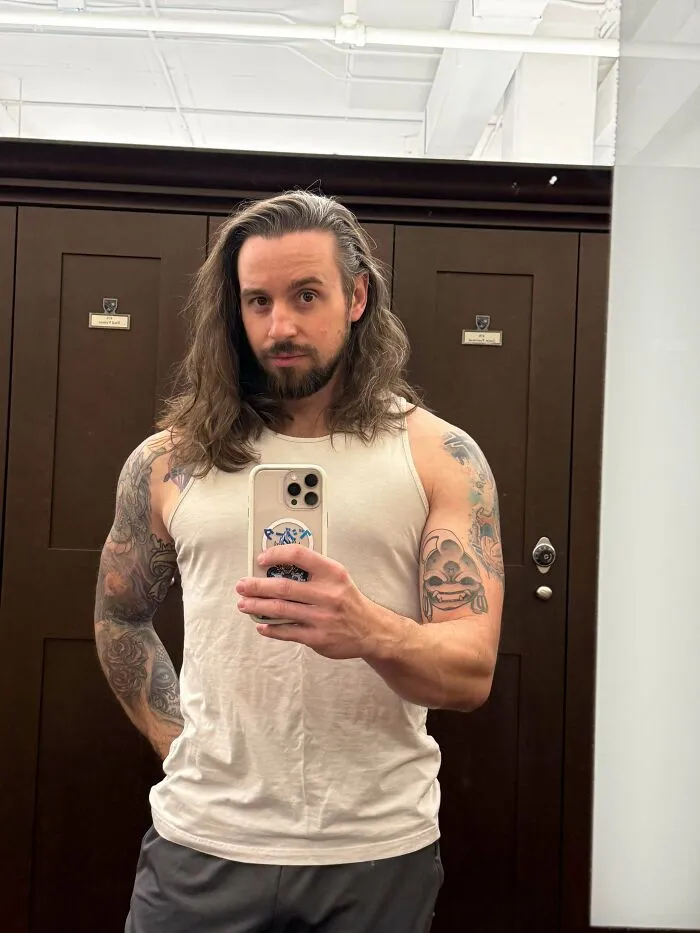
#40 Tried A Headband Just Now Jokingly But It Lowkey Fits With The Hair, Guys