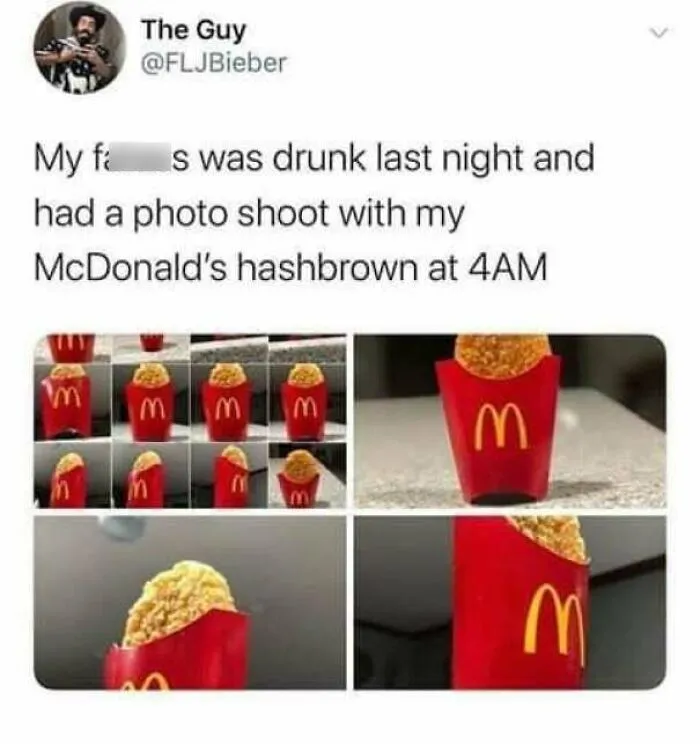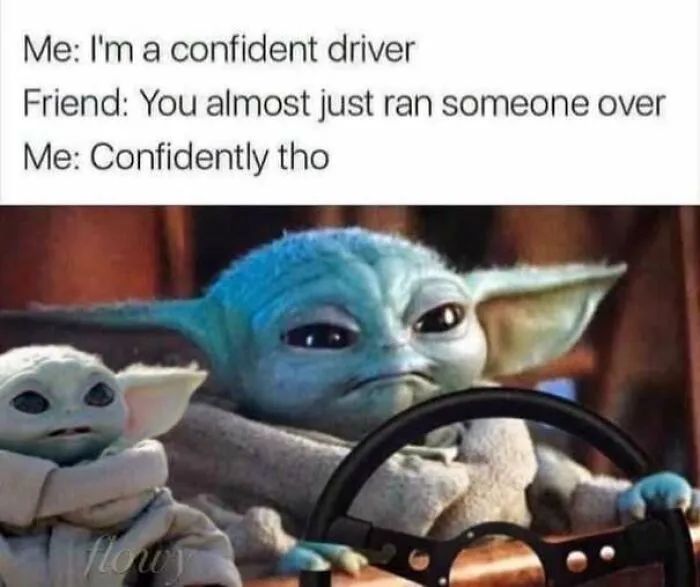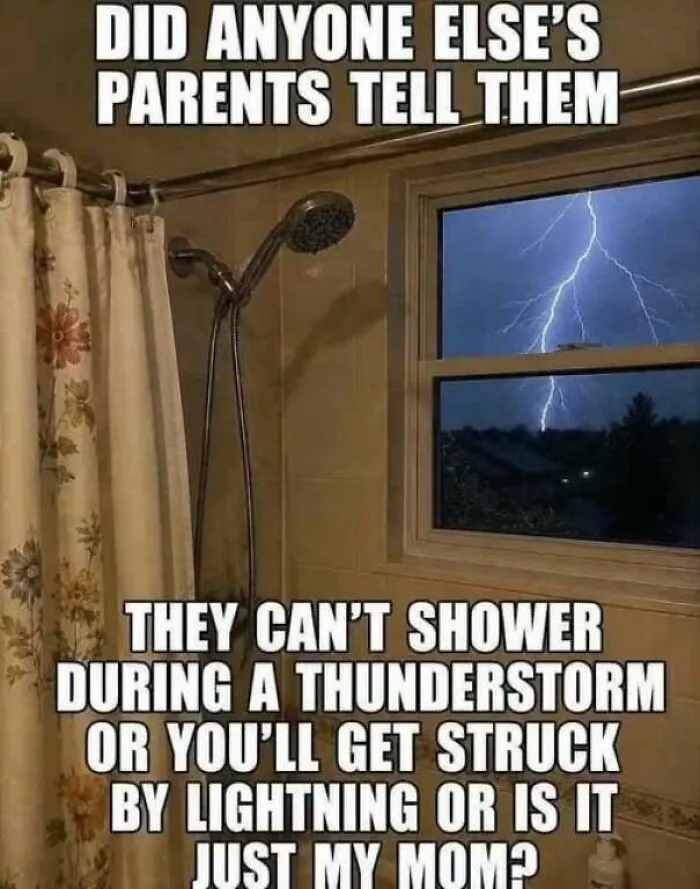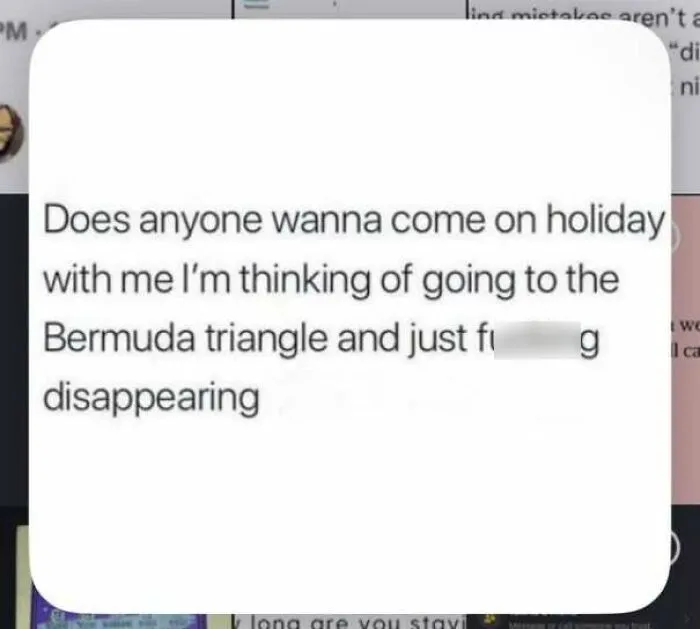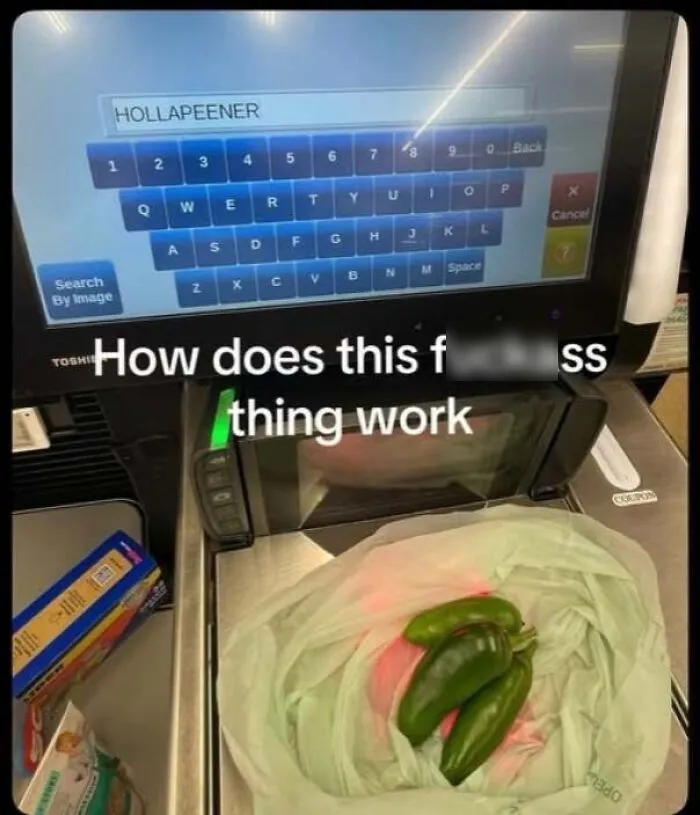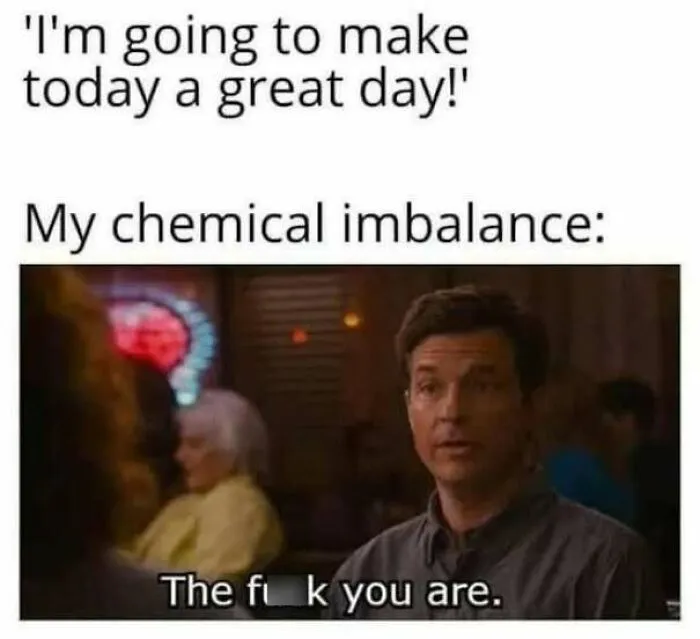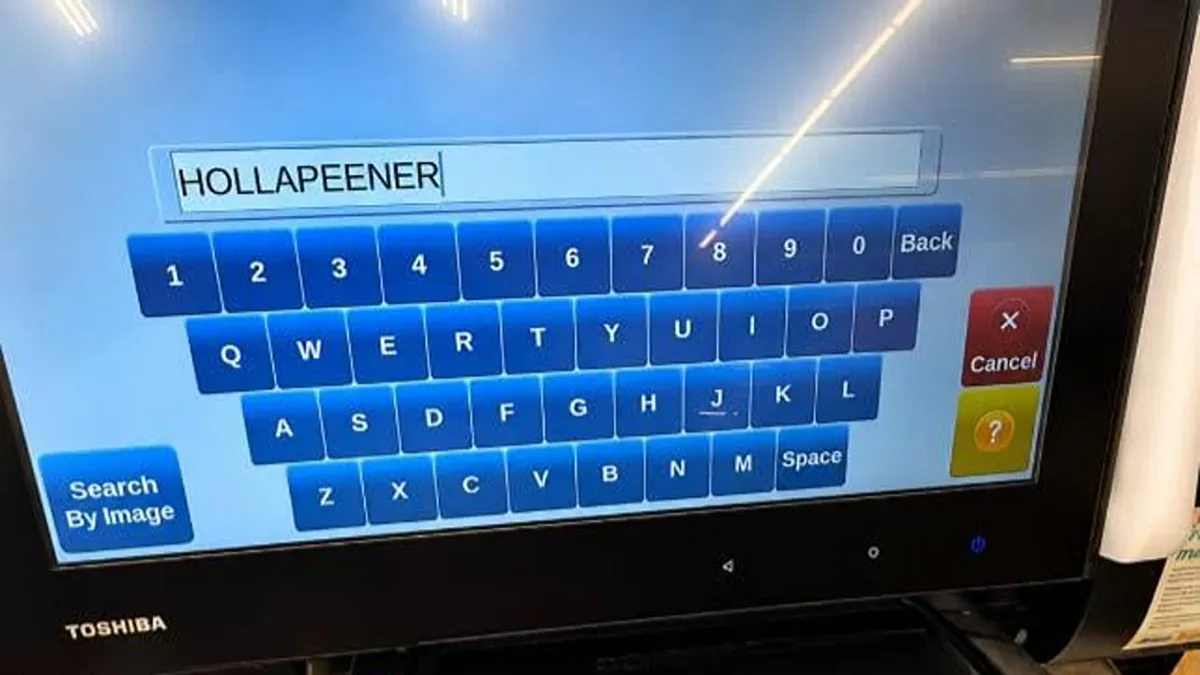


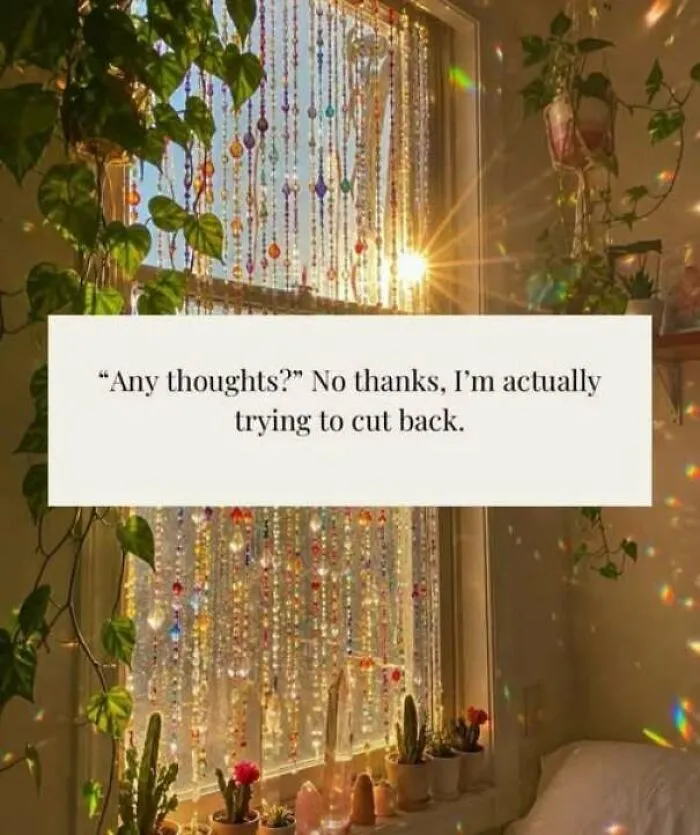
Politically, the meme has become one of the more surprisingly effective tools available to anyone trying to communicate something quickly to a large audience. During the 2017 UK General Election, 30 video and GIF political memes amassed more than 45 million views. The Ukrainian government was publishing memes on its official Twitter account before the war with Russia began, using humor to publicly undermine Russia's denial of its plans.
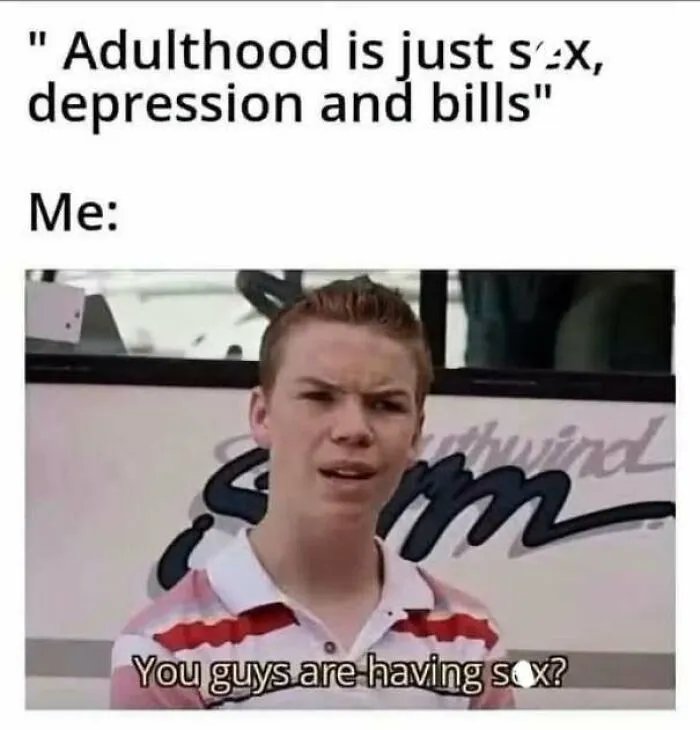
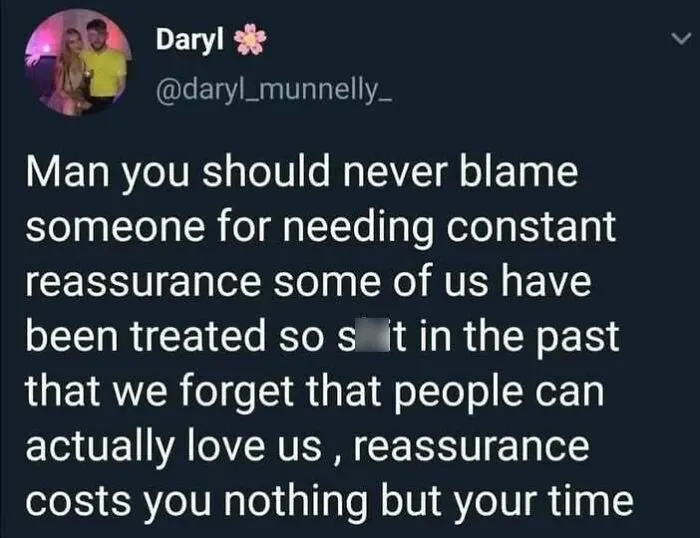
And in 2015, female scientists responded to Nobel Prize winner Tim Hunt's comments about "girls" in laboratories by posting thousands of images of themselves in full protective gear with the hashtag #distractinglysexy. This generated more than 10,000 posts within hours and a mainstream media conversation about sexism in science that the original comment had not anticipated producing.
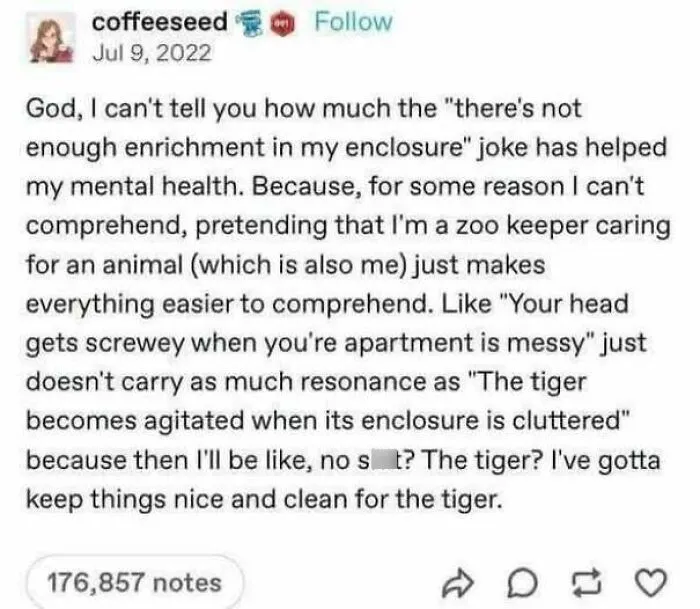

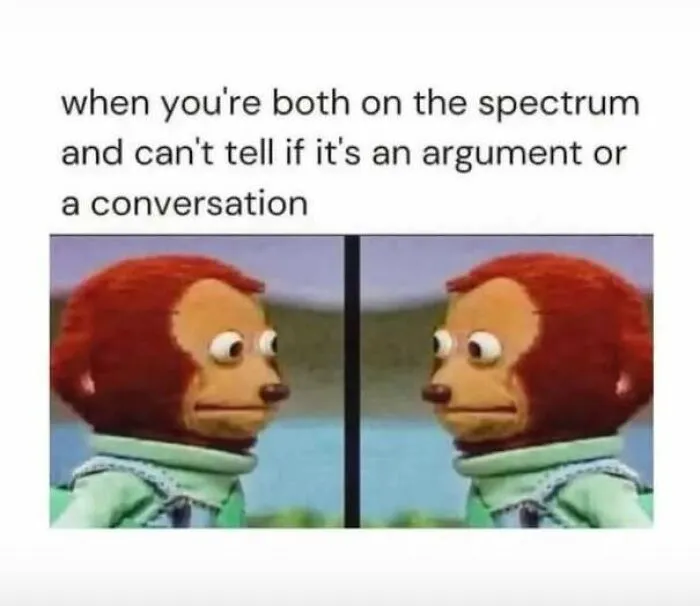
It is pretty clear that the meme is not going anywhere, and researchers largely agree on this even if they disagree on what it means. "This format of communication is here to stay because it's a very stable way of expressing your individuality and your communality," says Shifman. Gerbaudo points out that TikTok videos are already memetic in structure, built around challenges and pre-established formats that people remix and respond to. The format evolves, but the function stays the same: take something real, make it shareable, and send it to someone who will immediately understand why you sent it without needing a single word of explanation.