


Third-wave feminism began in the early 1990s, responding to what some saw as the failures and limitations of second-wave feminism. This wave embraced individualism and diversity, challenging the idea that there was a single way to be a feminist.
It focused heavily on intersectionality, a term coined by scholar Kimberlé Crenshaw, recognizing that women’s experiences differ based on factors like race and class. Third-wave feminists also reclaimed terms and symbols that had previously been used to demean women, turning them into sources of power.
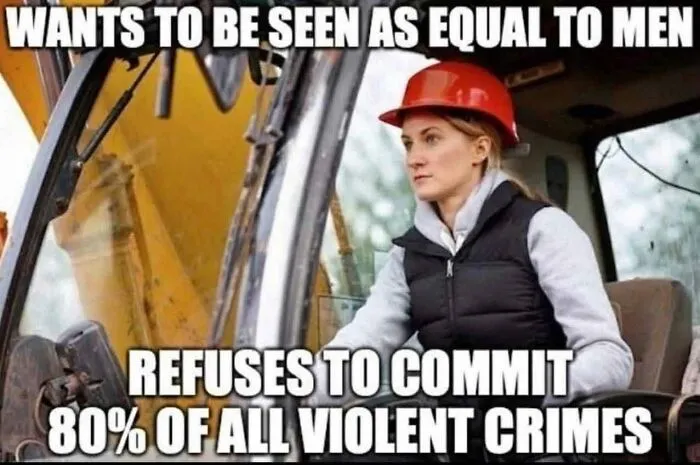


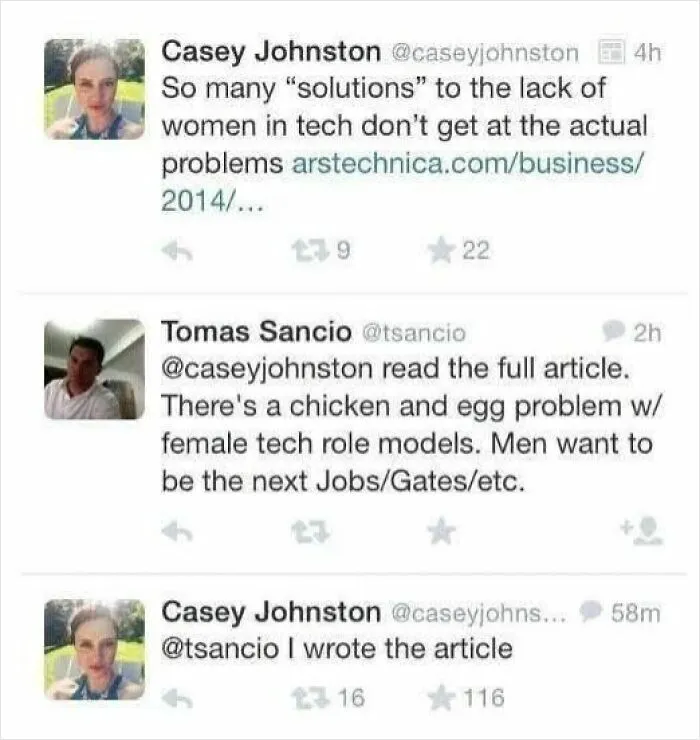
Fourth-wave feminism, emerging around 2012, is largely defined by technology and social media activism. The #MeToo movement showed how quickly women could organize online to expose systemic problems in workplaces and institutions. This wave continues to emphasize intersectionality while using digital platforms to call out inequality in real time.
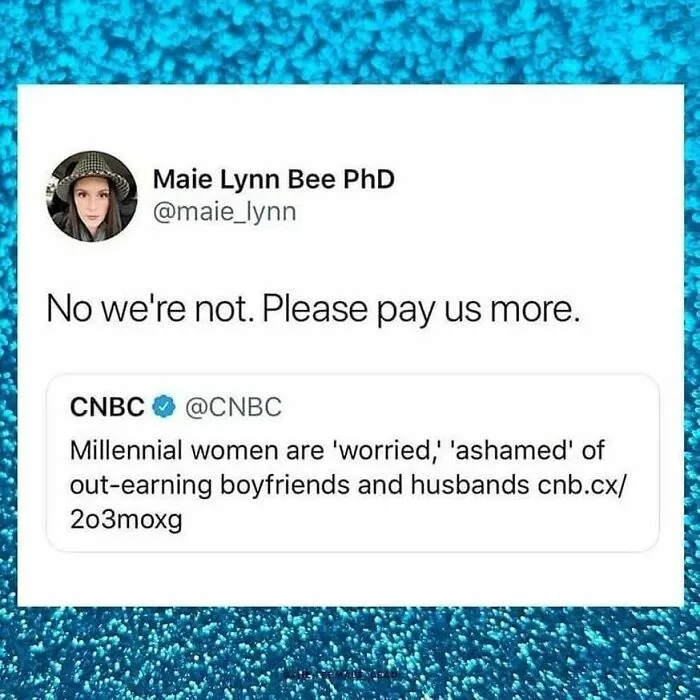
Yet progress remains frustratingly uneven. Women still earn less than men for the same work and face ongoing battles over reproductive rights. The fight continues, just with different tools than previous generations had.