

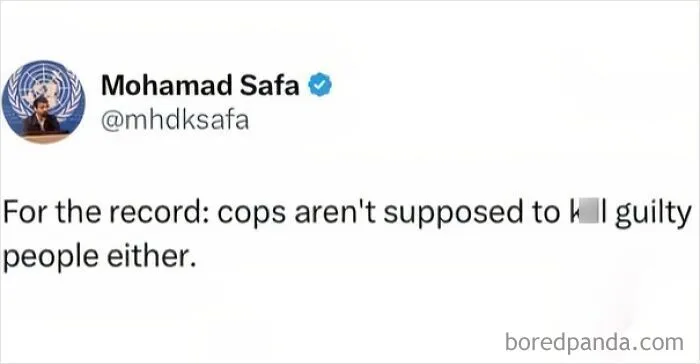

At its heart, feminism is about women having the same rights, opportunities, and freedom to make choices as men. It doesn't mean women should have more rights or that men should have fewer. It means a person's gender shouldn't determine what they can achieve or how they're treated.
The United Nations Population Fund explains that gender equality is about giving everyone equal access to opportunities and resources, without limiting their choices because of their gender.
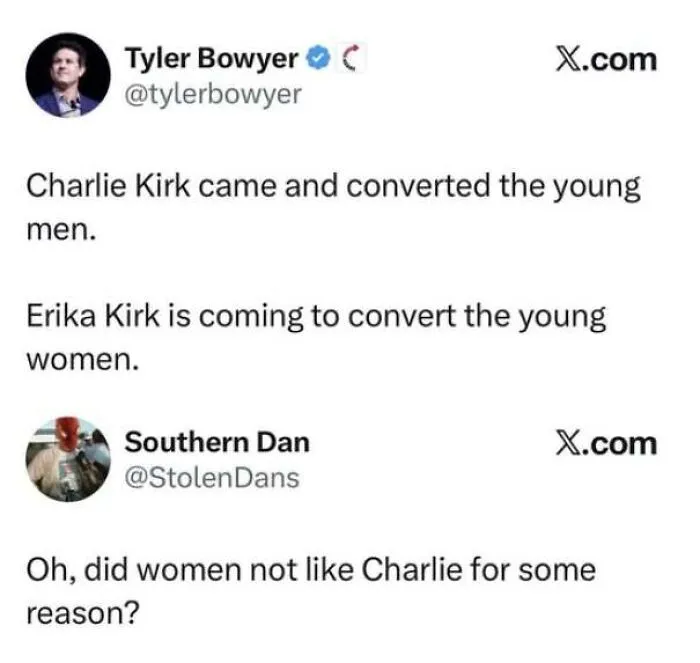
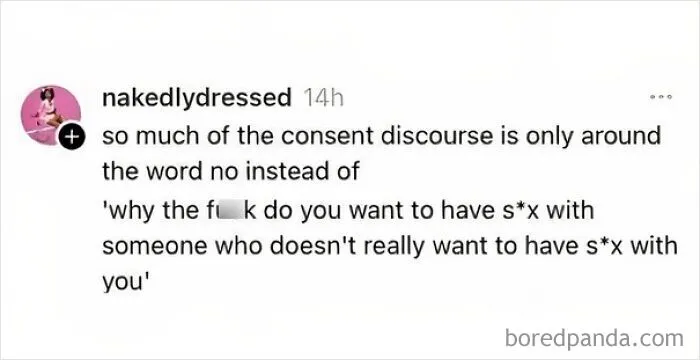
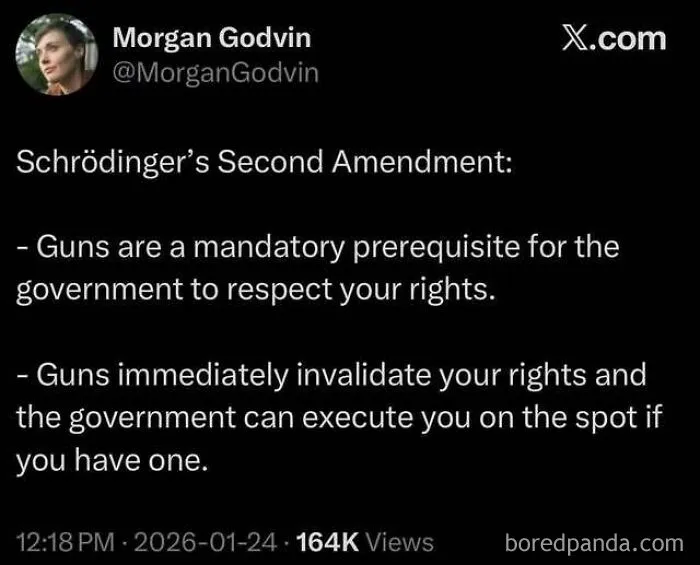
Women's rights have advanced considerably over the years, but there's still a long way to go. Women are taking up more leadership positions and gaining opportunities that previous generations had to fight much harder for.
Yet, according to the United Nations' 2025 Gender Snapshot, women hold only 30% of managerial positions worldwide. This shows that having more women in the workforce doesn't automatically mean they have the same chances of reaching the top as their male counterparts.

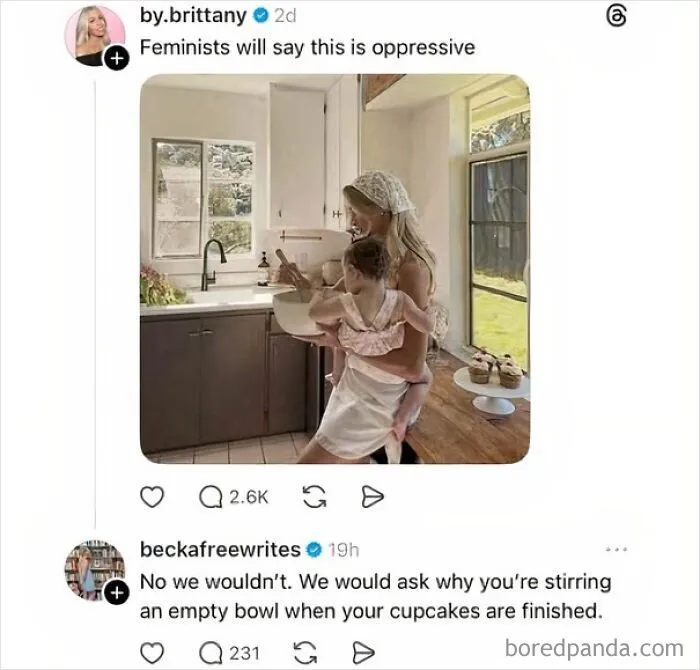
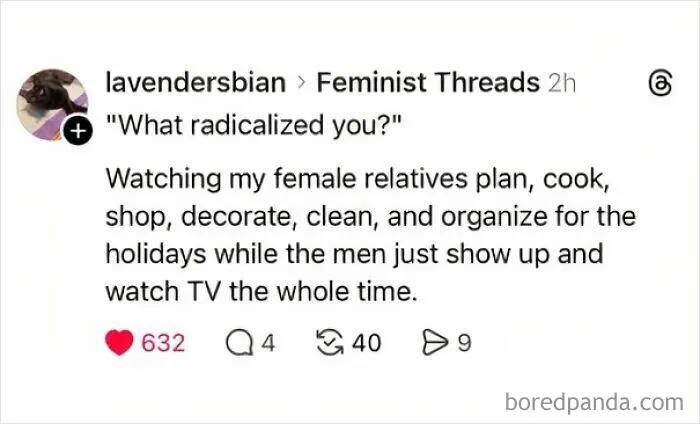
Another issue is the amount of unpaid work women are expected to do. Cooking, cleaning, looking after children, and caring for elderly relatives can take up a huge part of someone's day. These responsibilities often fall disproportionately on women, even when they have full-time jobs.
The United Nations reports that women spend about two and a half times as many hours as men on unpaid domestic and care work. This leaves many women with less time to focus on their careers, pursue personal goals, or even get enough rest.
For those trying to climb the corporate ladder, juggling these responsibilities can make it harder to find the time and energy to take on additional opportunities.
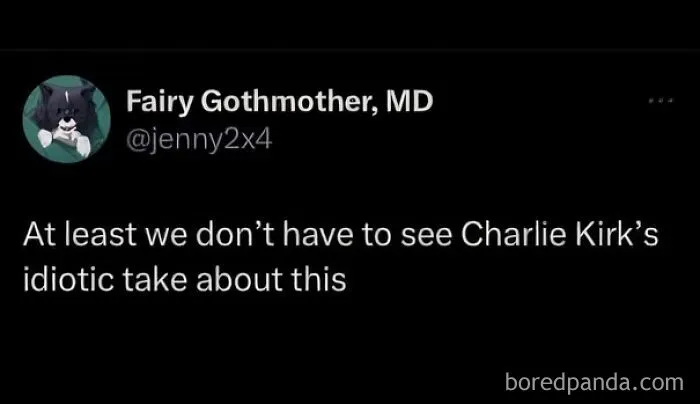
Even in 2026, women still earn less than men in many parts of the world, and the gap is difficult to ignore. The International Labor Organization reports that women earn around 18% less than men on average globally.
This reflects how women's work is often undervalued and how they’re more likely to be concentrated in lower-paying occupations. The ILO says addressing this inequality requires fairer pay structures and greater transparency about how salaries are determined.
After all, a person's contribution shouldn't be worth less just because she's a woman.
Even in a world that has made considerable progress, many women still struggle to feel safe and have the freedom to make decisions about their own lives. Violence against women remains a serious problem worldwide, with consequences that can affect their physical and mental health for years.
The World Health Organization estimates that nearly one in three women worldwide has experienced violence during their lifetime. This is why conversations about feminism go beyond equal pay and workplace opportunities.
Women deserve to feel safe in their homes, relationships, and communities without constantly worrying about their well-being.
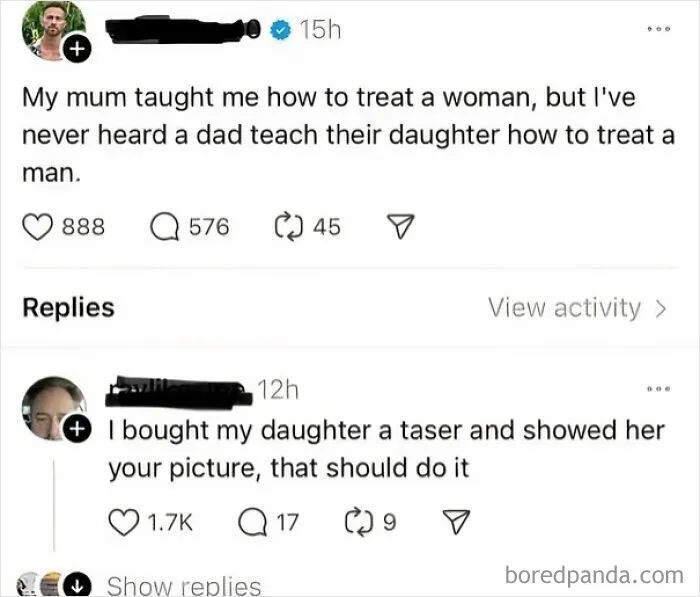
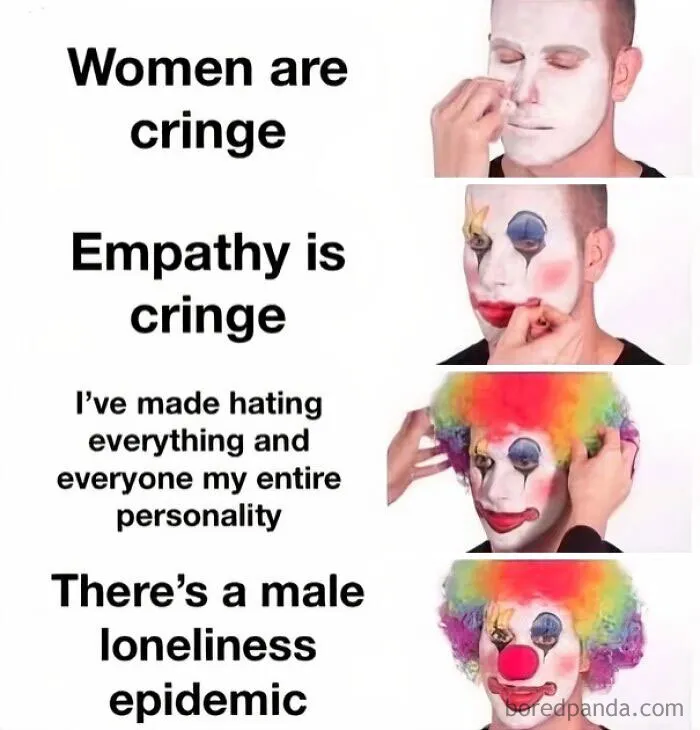
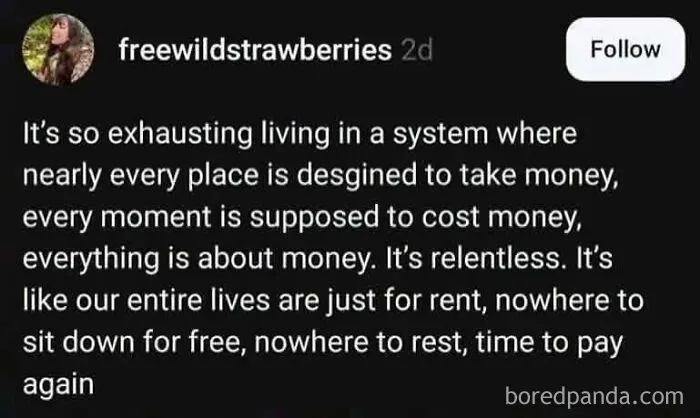
Making the world a better, safer place for women takes more than a few social media posts, but conversations like these matter. They help bring attention to experiences that are often overlooked and remind us to question attitudes and behaviors that contribute to inequality. Recognizing these issues is an important step towards treating women with greater fairness and respect.
Now, Pandas, which of these memes resonated most with you? Have you encountered any of the situations they highlight? Join the conversation in the comments. We'd love to hear your thoughts on what needs to change to make the world a fairer place for us all!