

An important part of parenting is not playing favorites. This is even more vital in blended families. Keeping things fair is easier said than done, since every favor for one child or relative might make others feel they need the same thing.
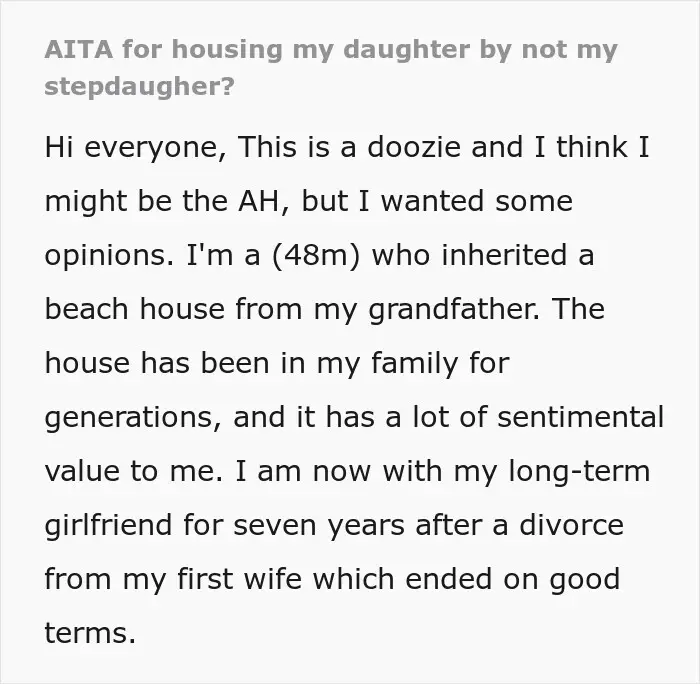
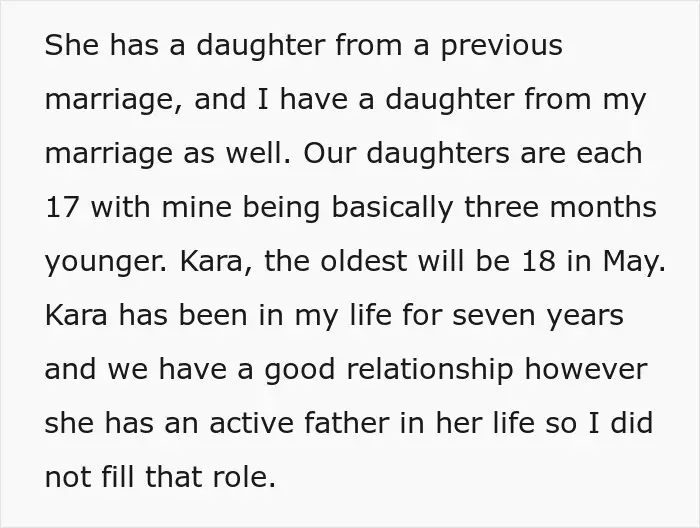
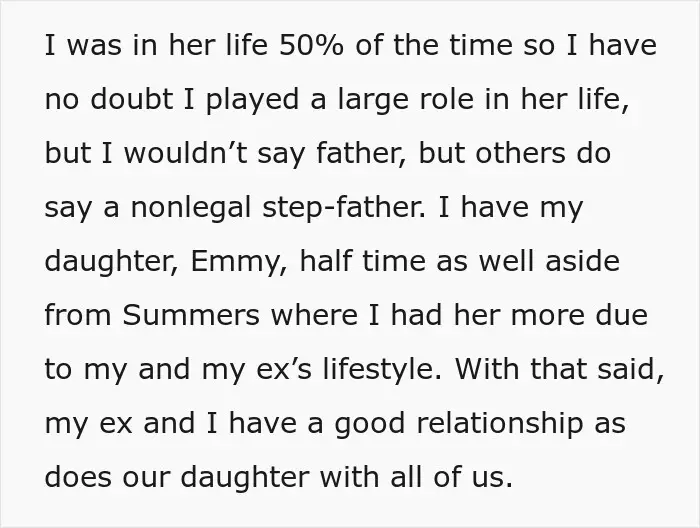
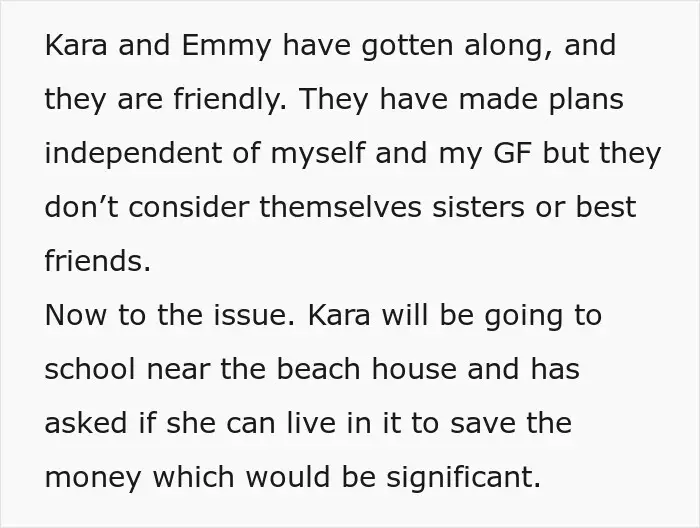
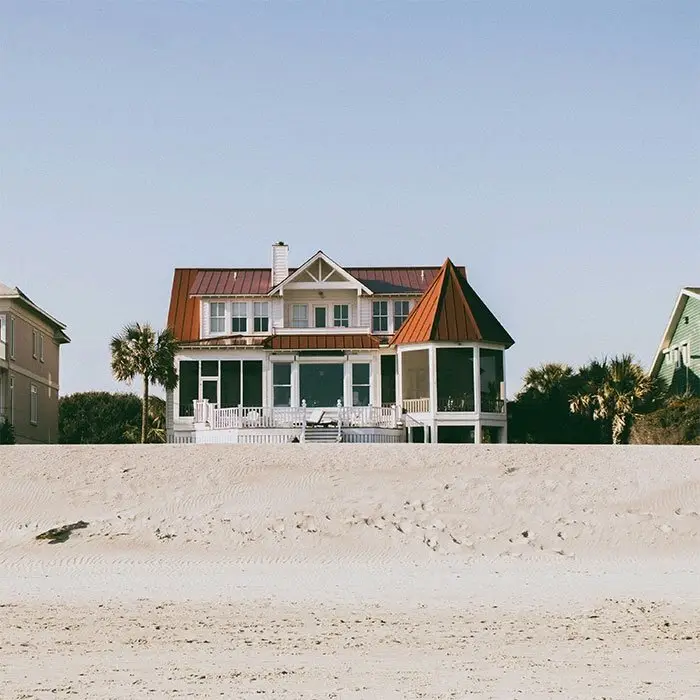
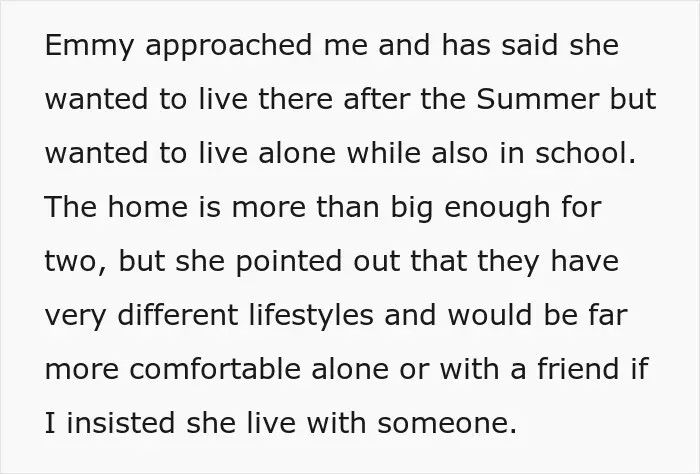
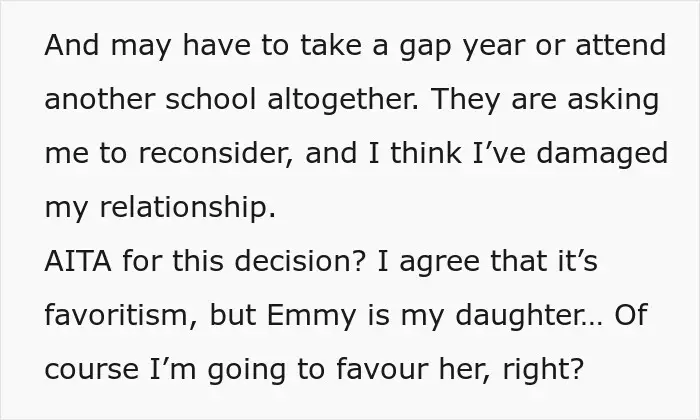
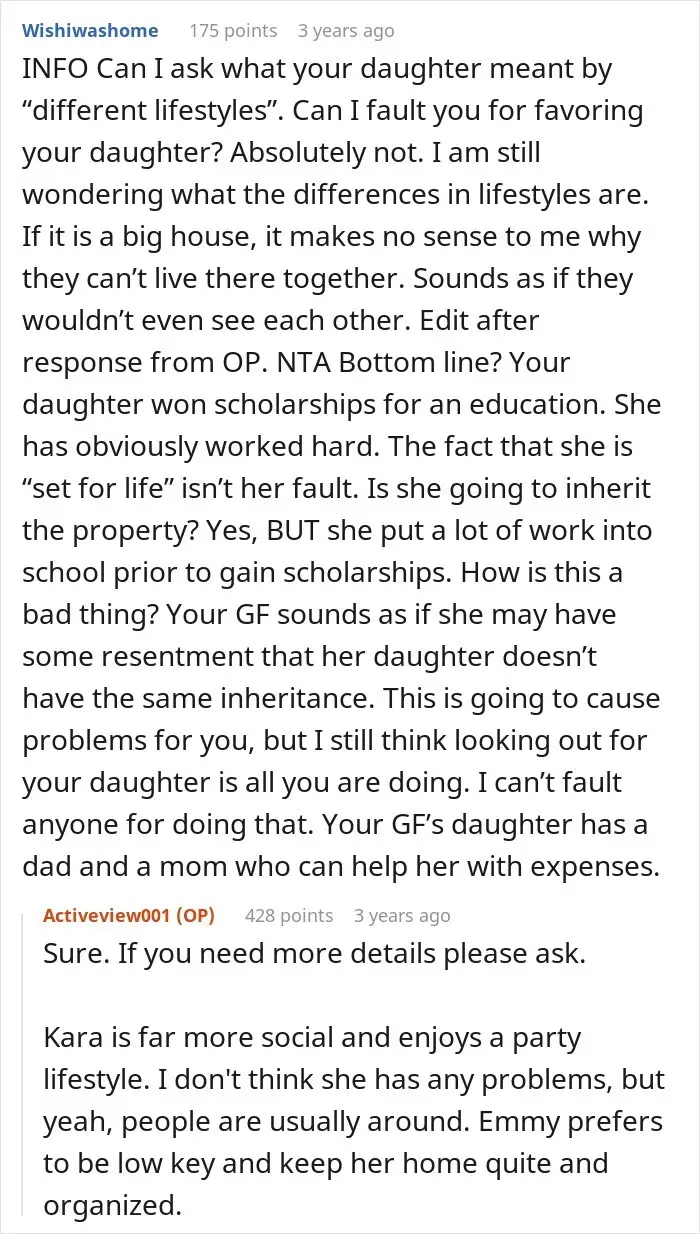
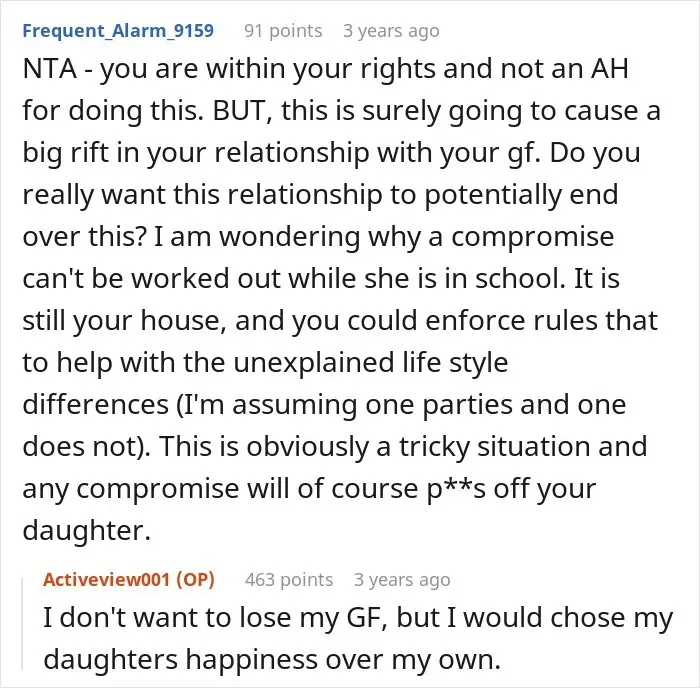
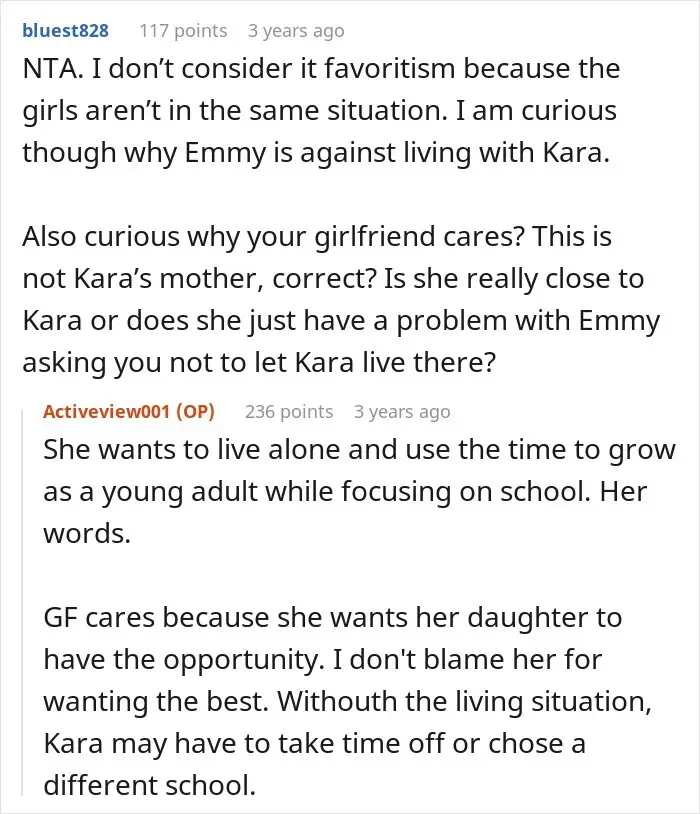
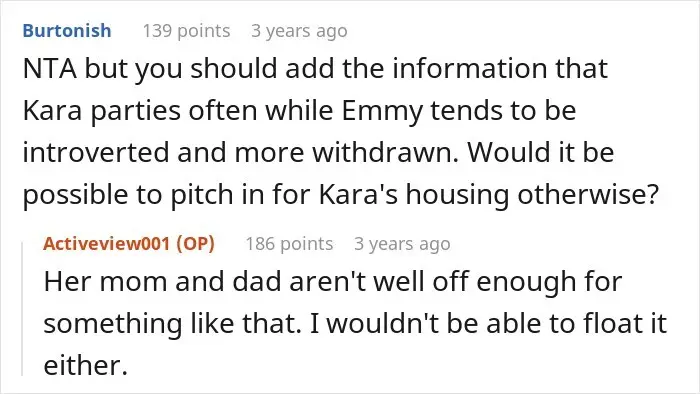
A man turned to the internet for advice after he was put in a dilemma. He’d recently inherited a beach house which he didn’t need. His daughter wanted to use it, but he then learned his stepdaughter’s new school was close to it as well. He decided to let the former stay there, but then went online to get a second opinion.
Favoritism is toxic in families

But one dad had a difficult choice in front of him after being forced to pick which kid can use his beach house
Keeping things fair is an important part of parenting
Few things sting like the feeling that someone else in the family is getting a better deal. Researchers have studied that sting for years, and the findings are more interesting than the old idea that parents simply love one child best. Sociologist Jill Suitor of Purdue University has led a study of favoritism in families for more than twenty years, and one of her striking conclusions is that people often read the situation wrong. According to a Purdue news release, adult children misjudge which sibling is favored more than half the time. In this story, though, nobody has to guess. The father said it out loud, so the usual defense of "you're imagining it" is off the table.
That honesty is worth chewing on, because it cuts both ways. Plenty of readers will say he is simply being human. The house came from his own grandfather, it has stayed in the family for generations, and it is headed to his daughter by law. For many people, a property like that is less a bank account and more a family heirloom, and the owner gets to decide who lives there. Stepfamily research suggests his instincts are not unusual either. One study of blended households found that parents, on average, put more money toward private schooling for shared biological children than for stepchildren as a group. That does not make the pattern fair, but it does show how common it is.
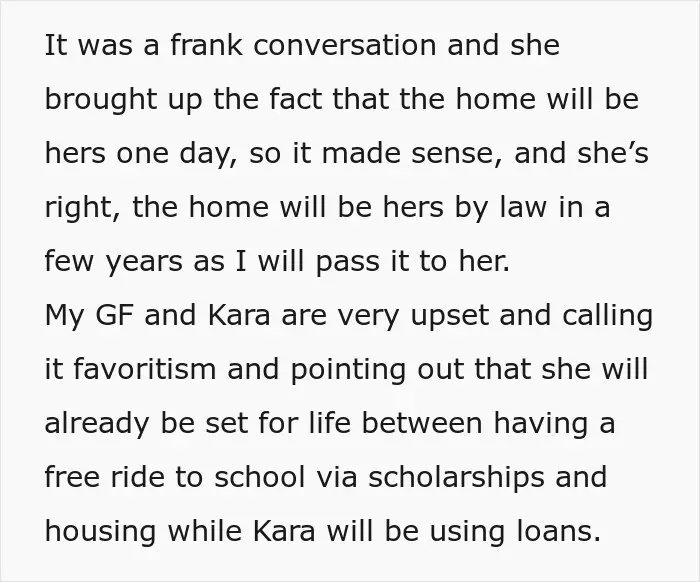
Now the other side, which deserves just as much attention. Kara has spent seven years in this household, half of each week, and plenty of people would call her a stepdaughter in everything but the paperwork. She is not asking to own the beach house. She is asking for a room in a home big enough for two, while Emmy already has scholarships and housing lined up and Kara faces loans and possibly a gap year. To Kara and her mother, a small gesture could change her whole path, and the refusal feels like a message about who counts. Readers on this side also point out that Emmy's future ownership explains her sense of comfort but does not settle what the house is for today, since it still belongs to her father.
Tension can lead to resentment
It helps to separate fair from equal. Every family makes that call constantly, whether it means paying for braces for one kid or tutoring for another. Equal treatment does not always mean identical treatment, and many households accept that needs differ. In this case, though, the greater financial need seems to sit with Kara, which is exactly the point she and her mother are making.
There is also the question of what this does to the kids themselves. A 2015 Purdue study found that being the favorite is no guarantee of good psychological health, and the effects seemed to run through social comparison, meaning how people feel depends on how they think they stack up against siblings. Emmy could carry some pressure while Kara carries some hurt. A separate Purdue study on fathers linked perceived favoritism from dads to more sibling tension in adulthood than favoritism from moms. That research looked at older adults and biological siblings, so it only loosely fits two teenagers in a blended family, but the logic might carry over.
Not every blended family follows a fairy tale script, either. A 2021 study of historical Utah records challenged the popular notion that stepparents routinely hoard resources for their own children, which suggests that conflict is common but not inevitable. Families in this position often look for a middle path, such as reduced rent, a time limited stay, a written agreement about house rules, or help with other costs that evens out the money gap without handing over the keys.
So where do you draw the line between a family home and a family obligation? Is a beach house a legacy to protect, or a resource to share with the people who helped raise the next generation? Both answers come from a real place, and that is probably why this story has people so divided. You can find the reader’s suggestions below, as well as the father’s later update.
He answered some questions in the comments
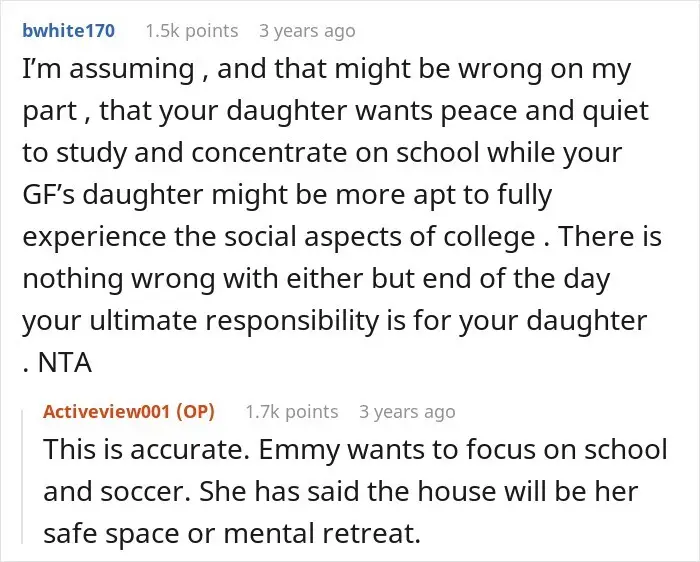
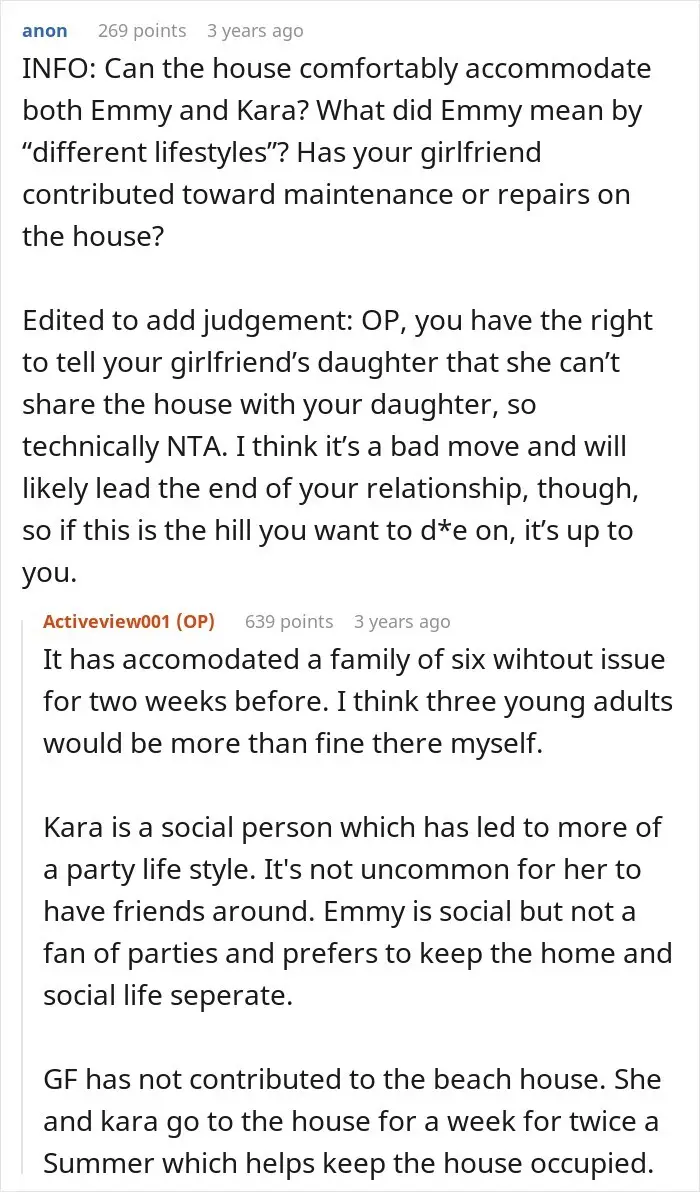
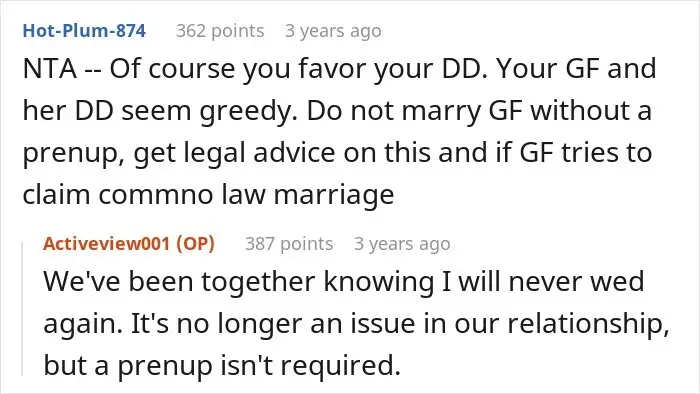
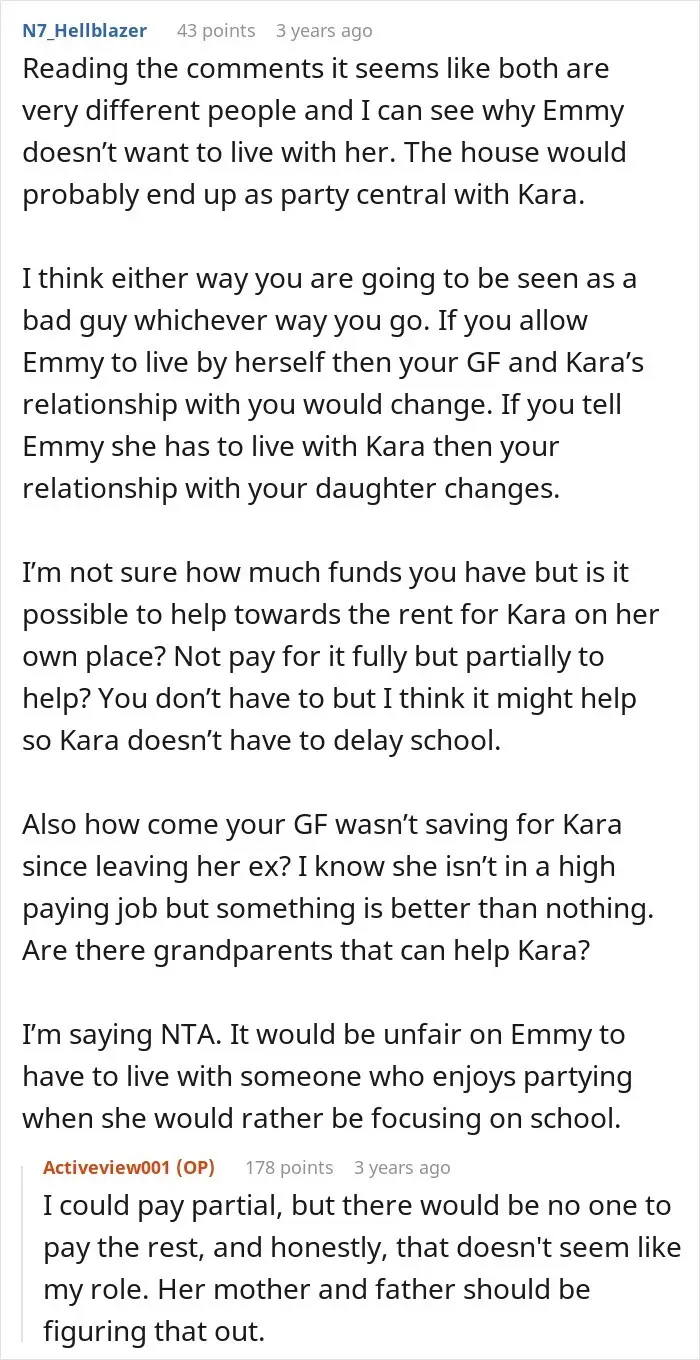
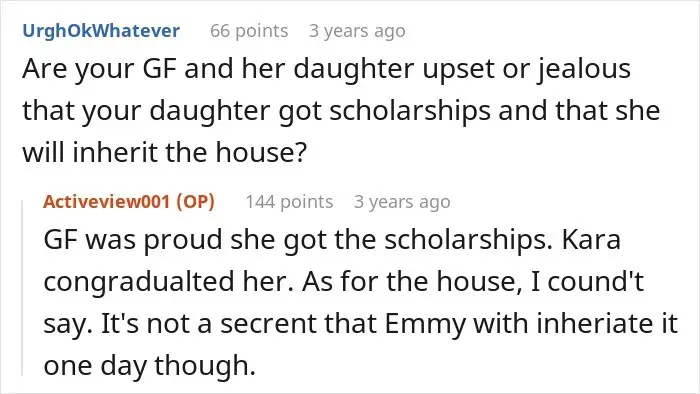
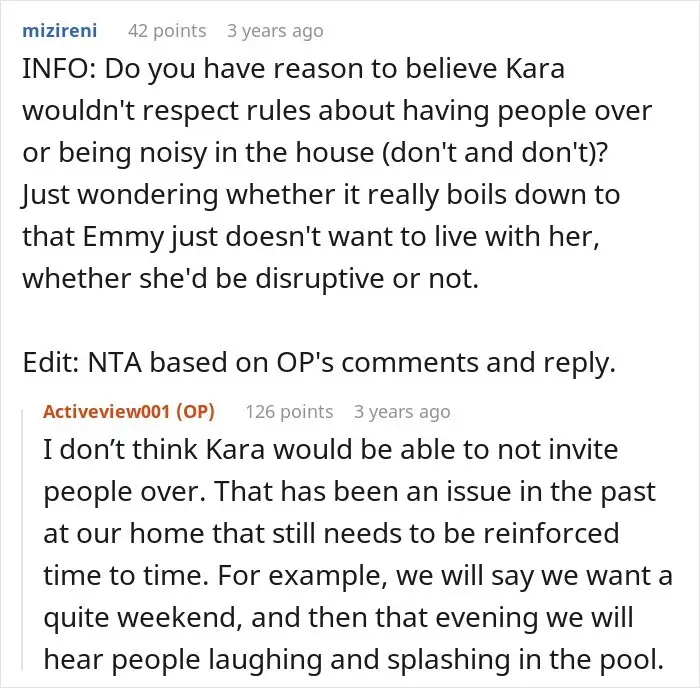
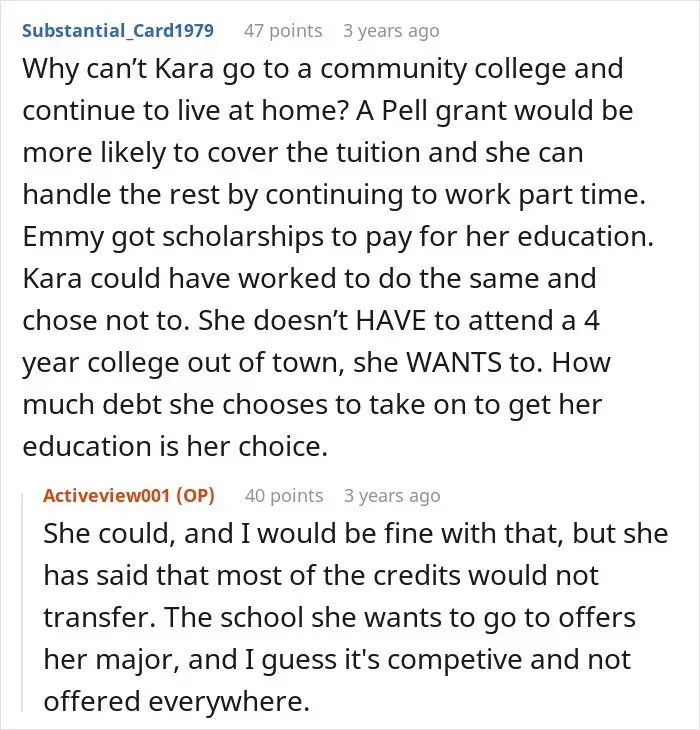
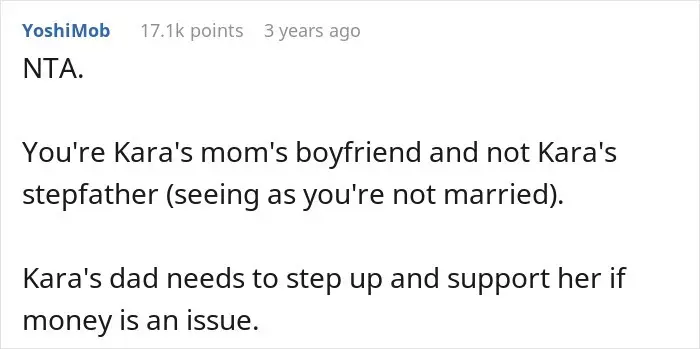
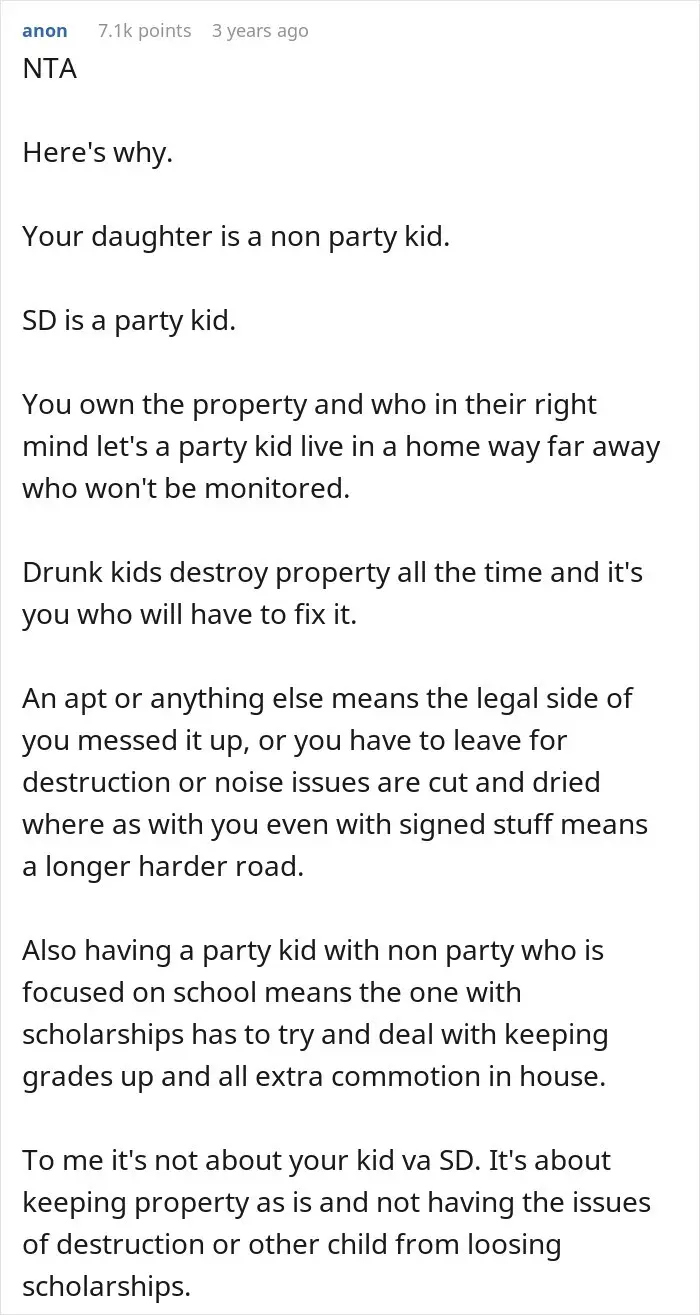
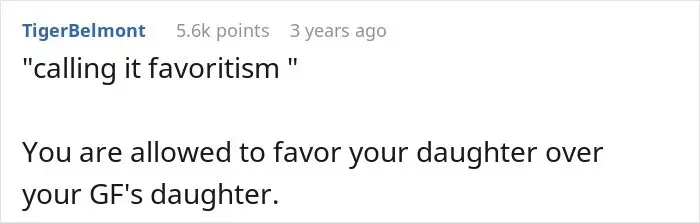
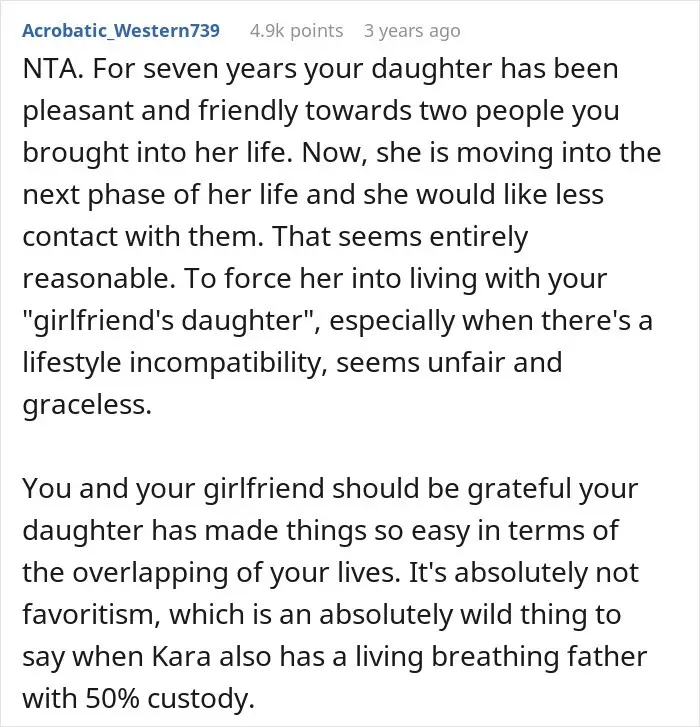
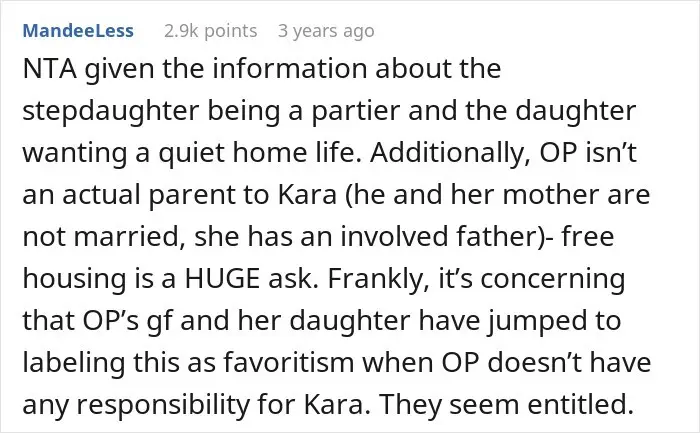
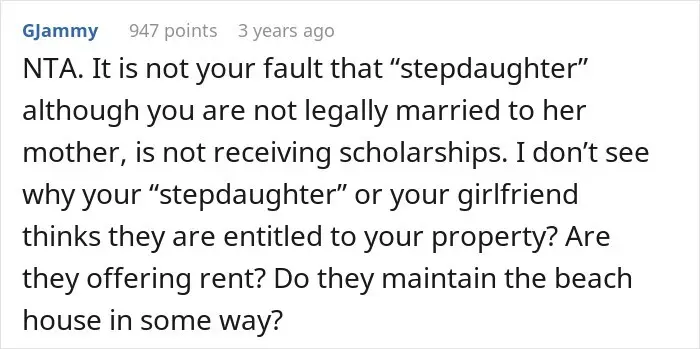
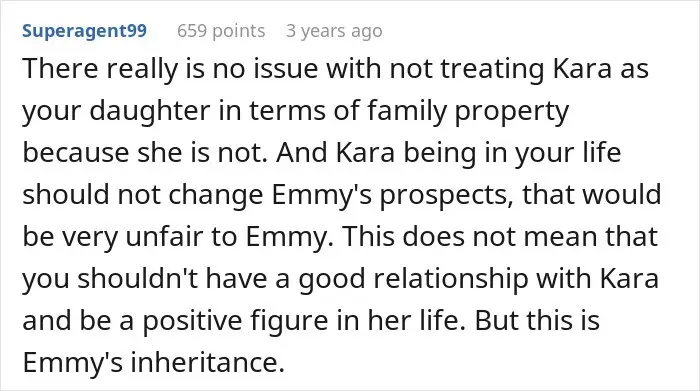
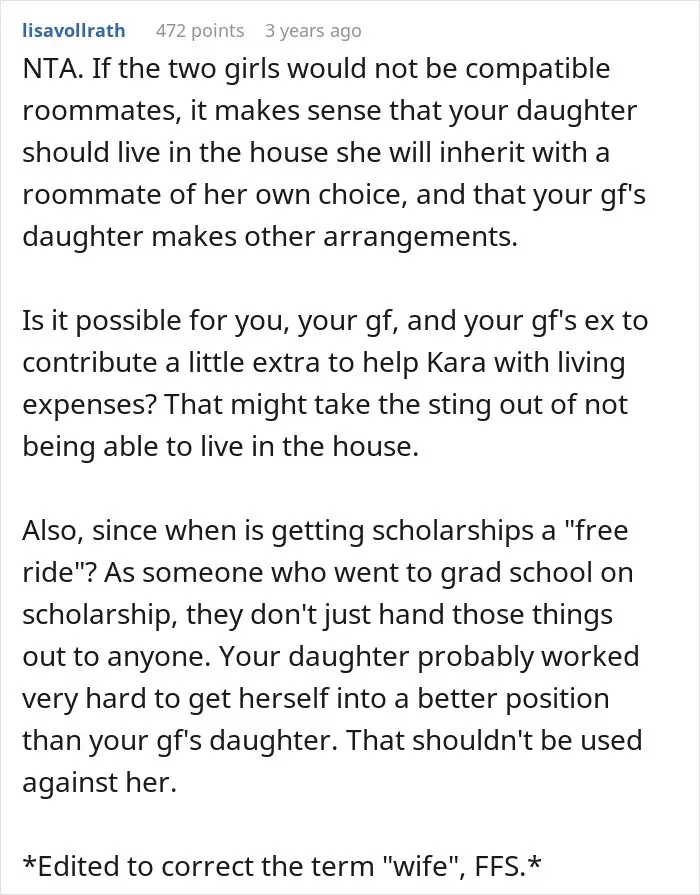
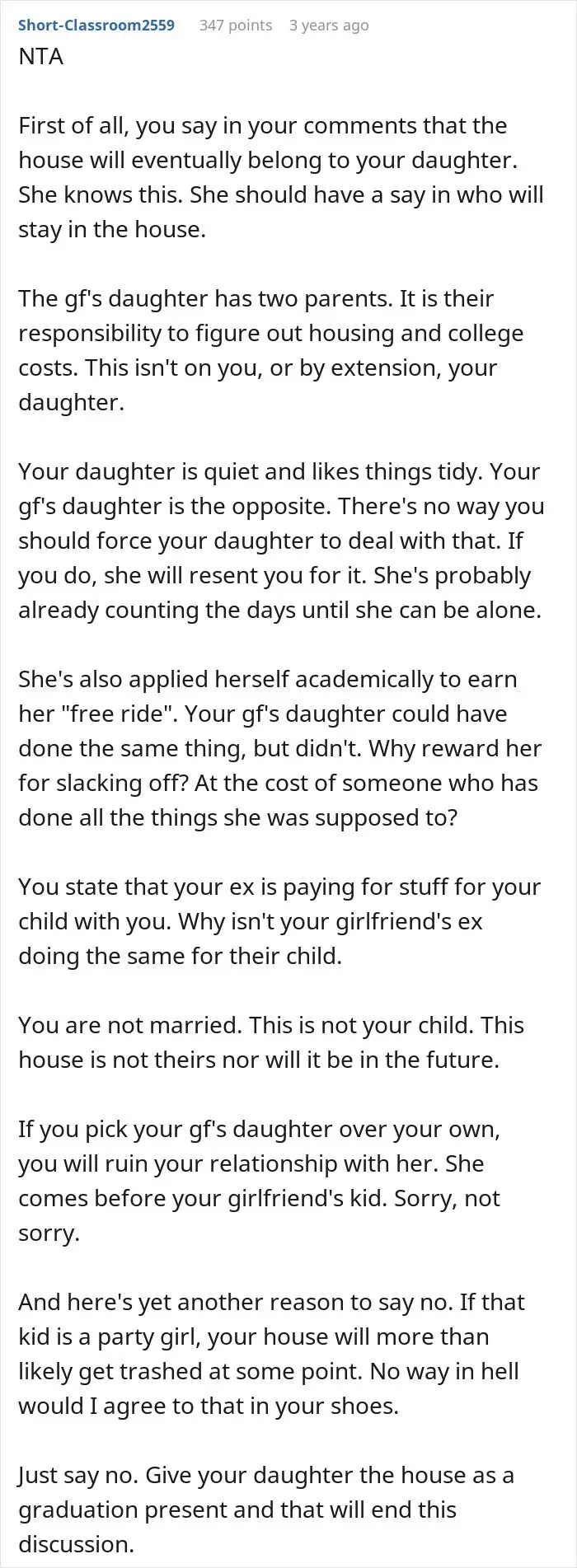
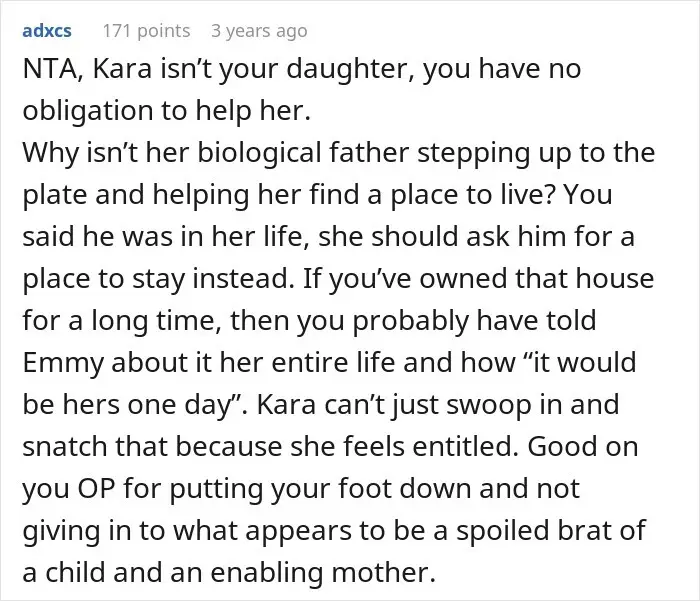
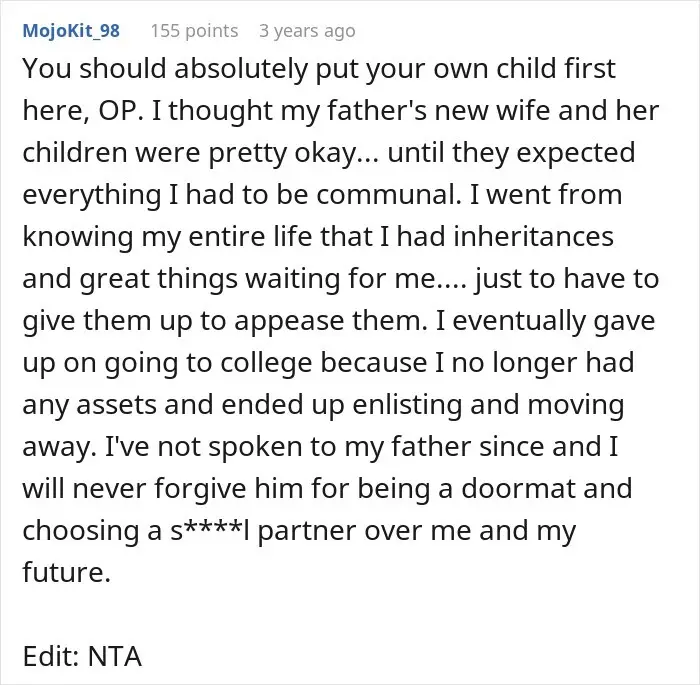
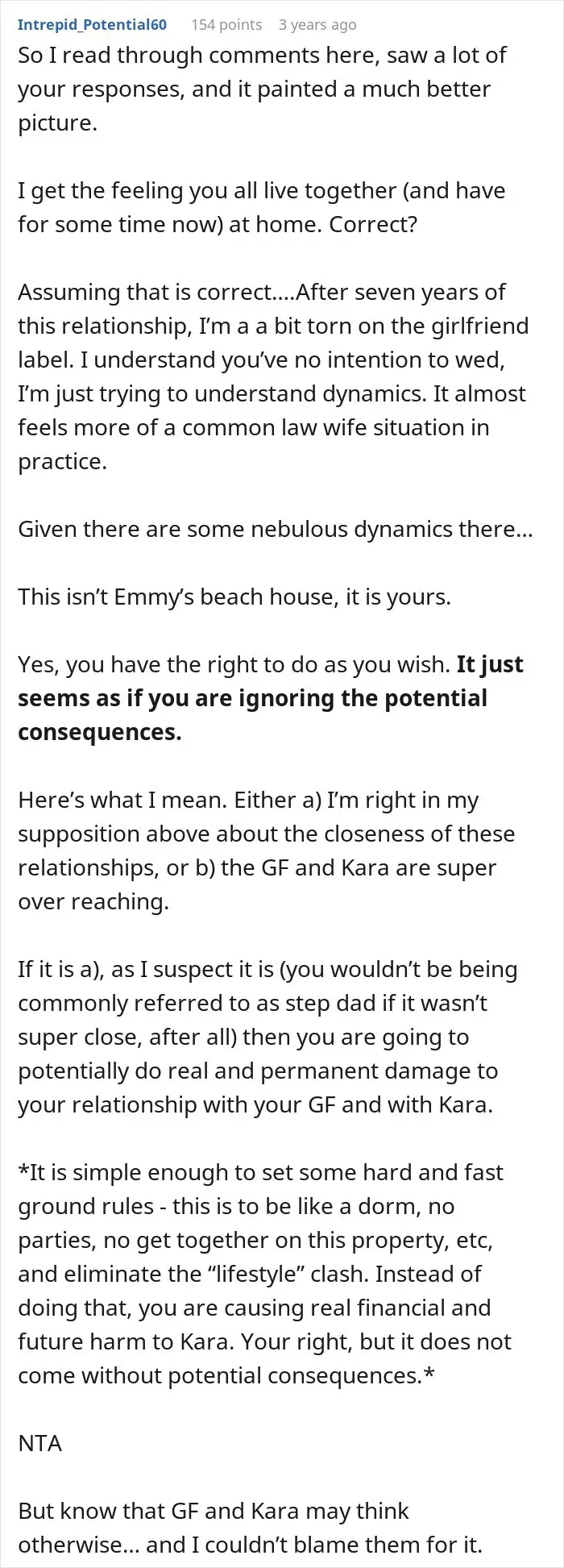
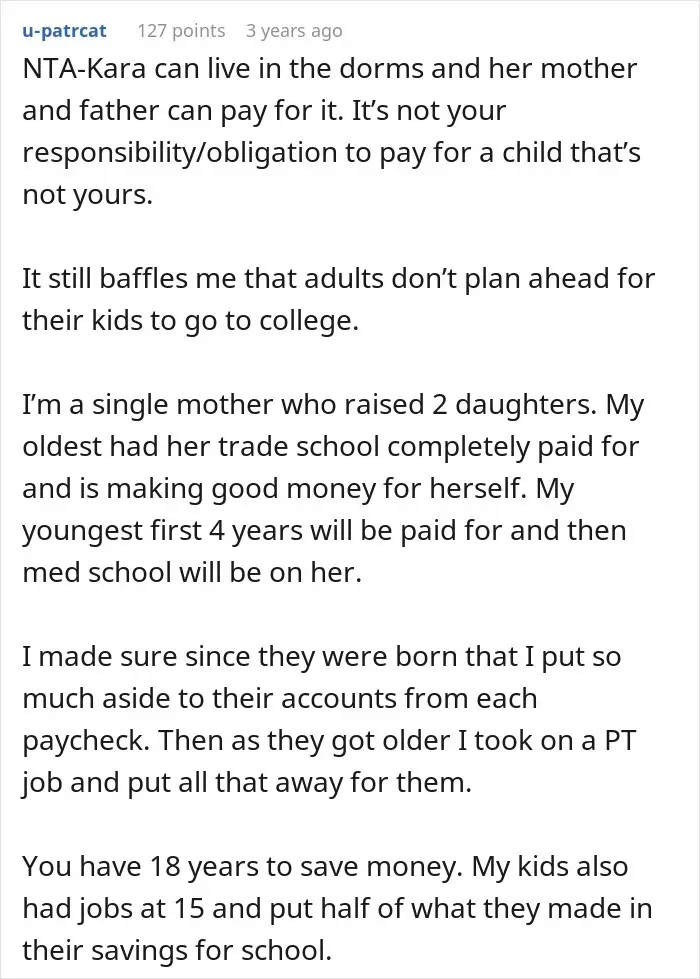
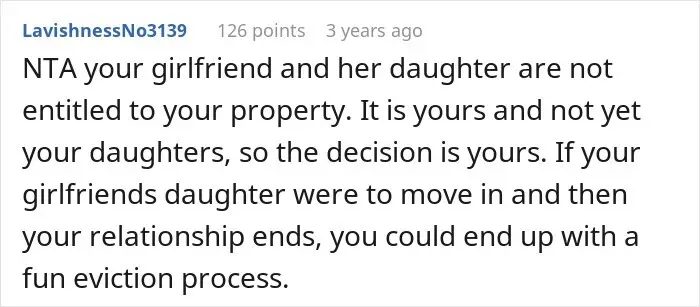
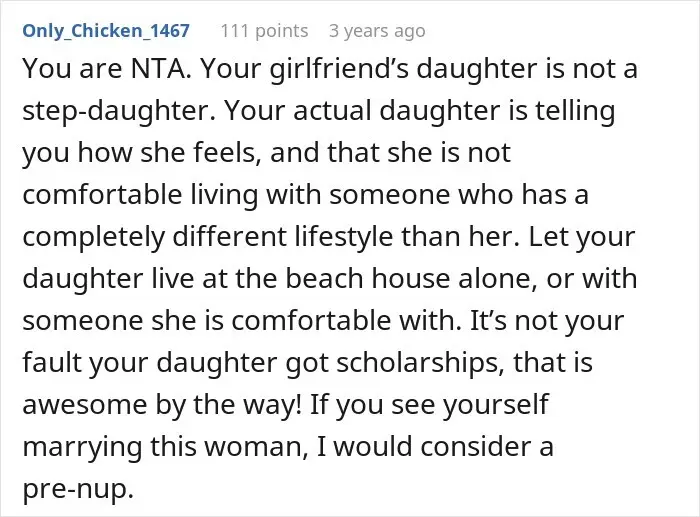
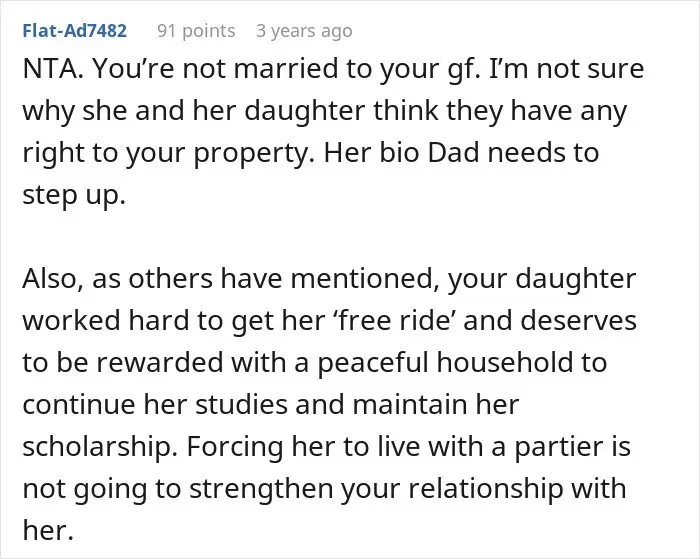
Many thought his call made sense
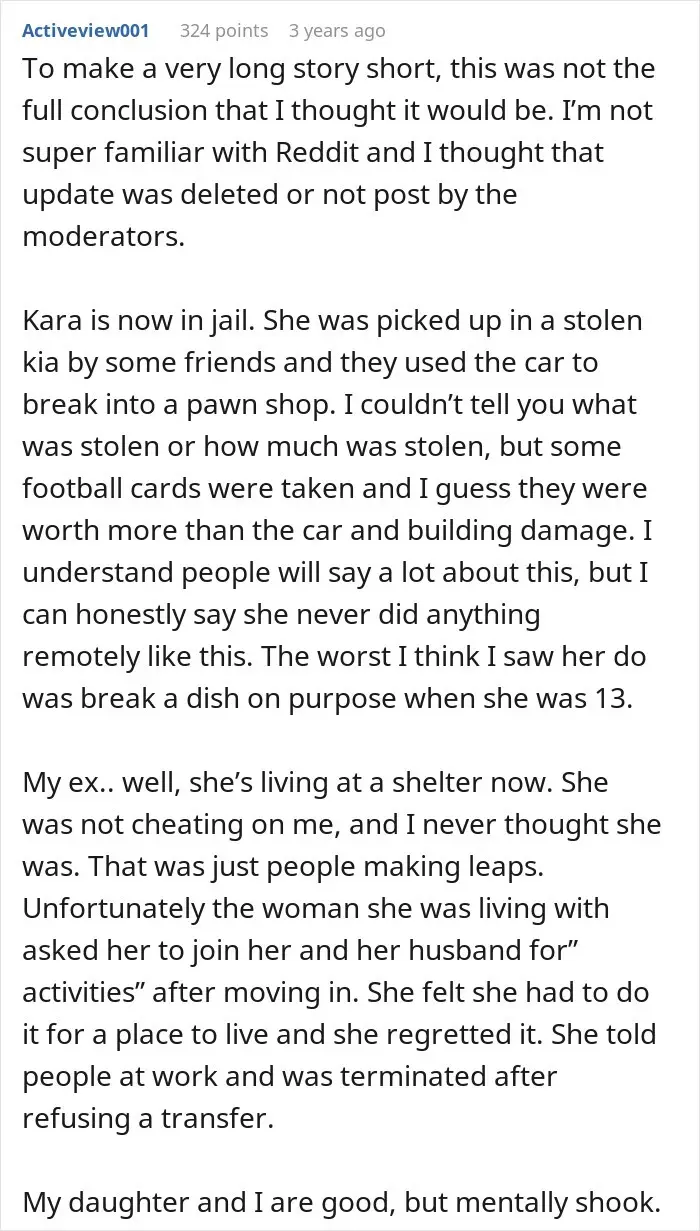
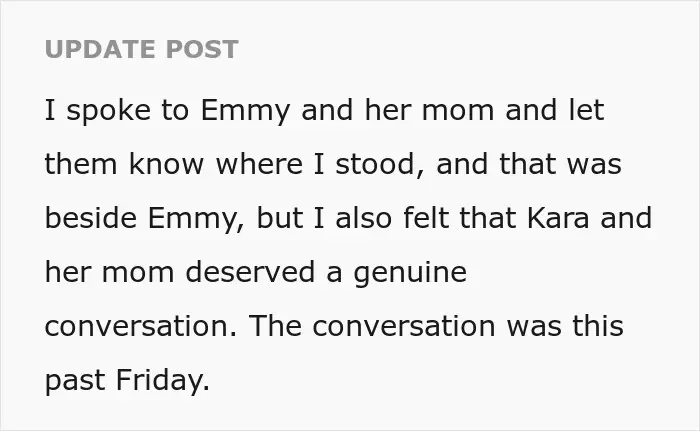
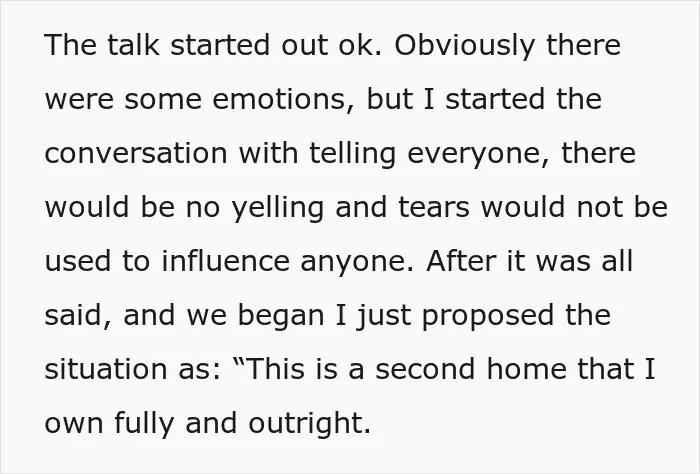
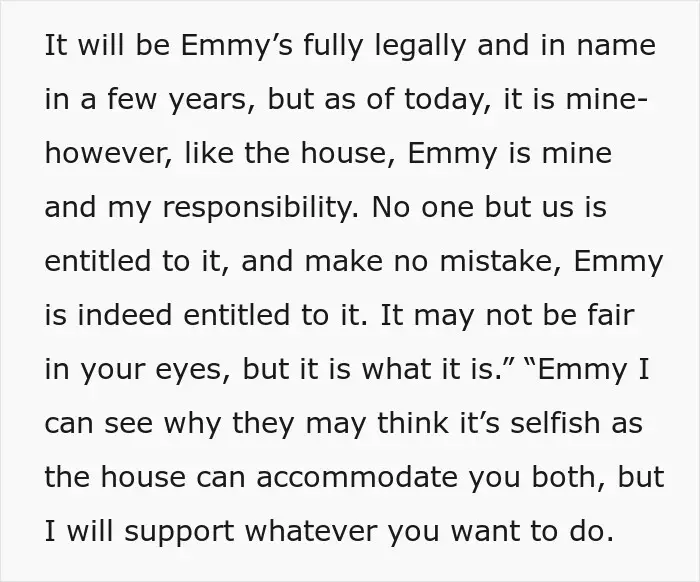
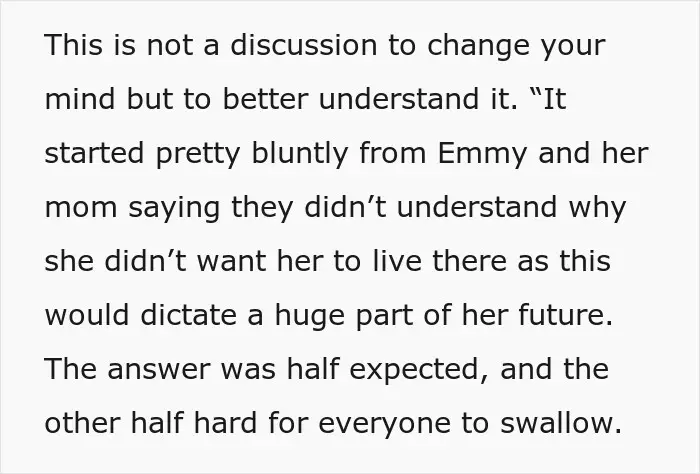
Later, he shared an update


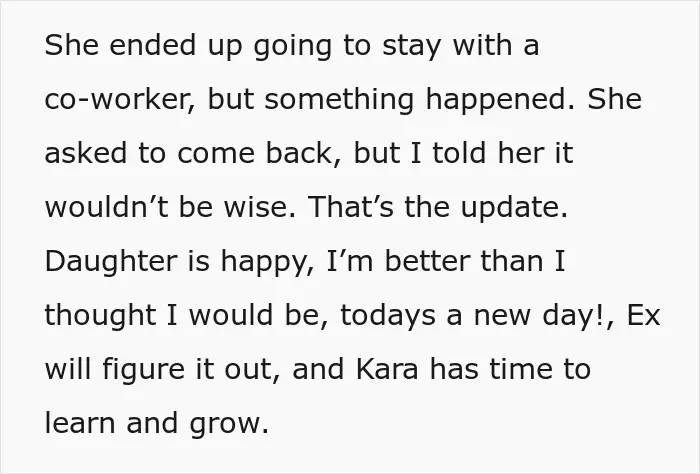
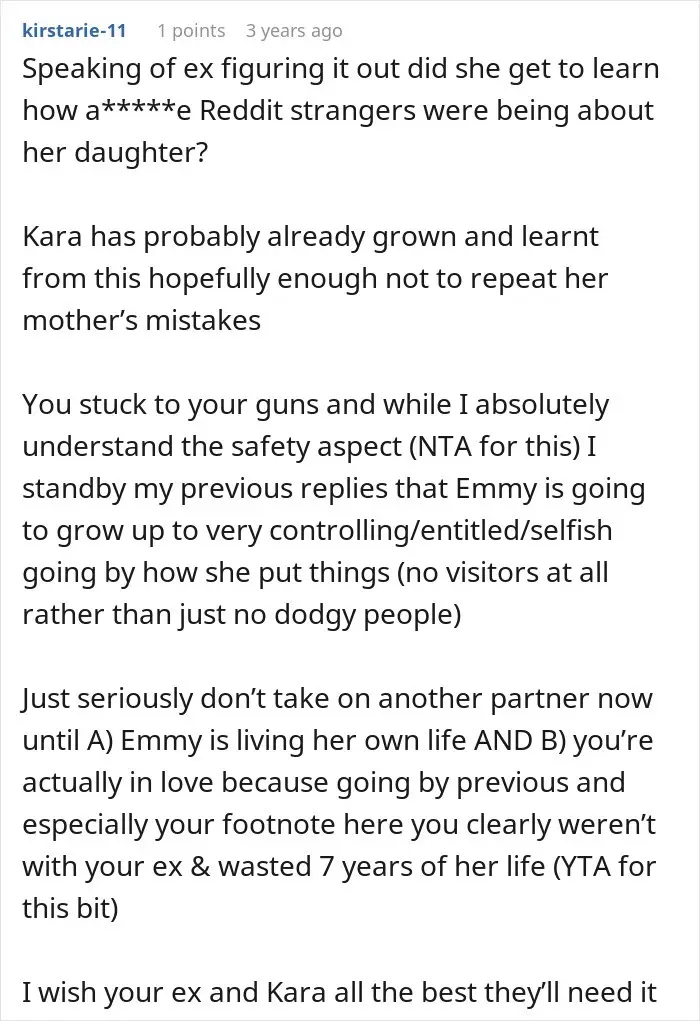
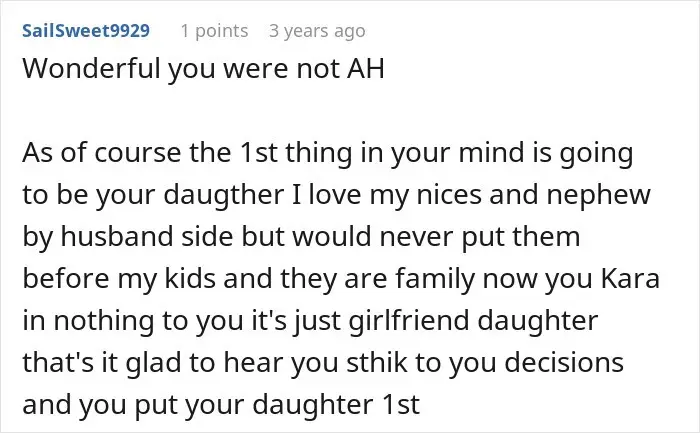
Readers shared their thoughts on how the story turned out




The man made one last post