

This post may include affiliate links.
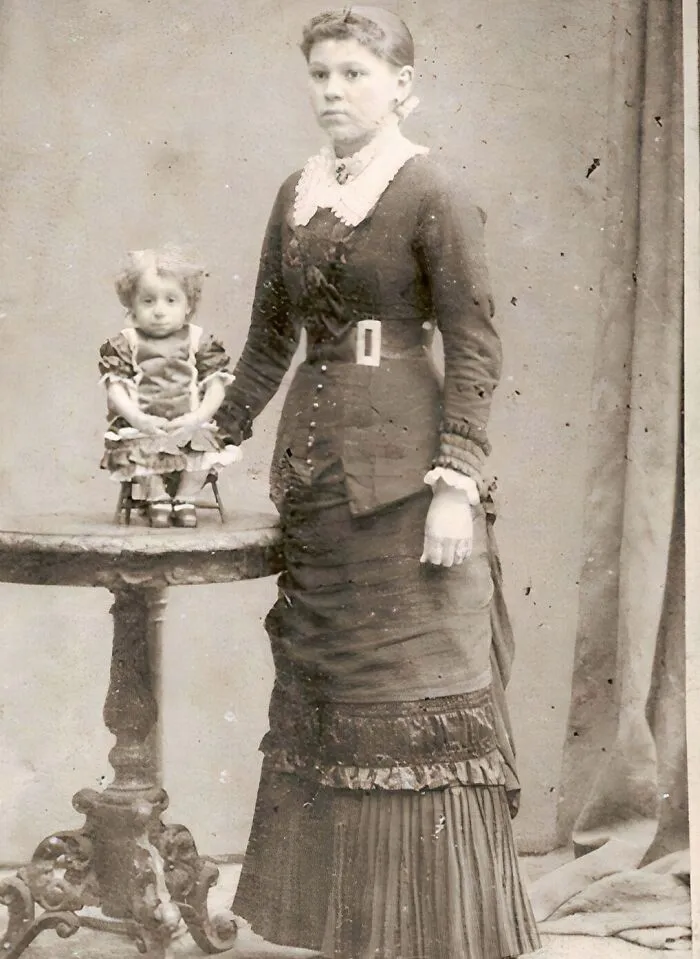
#2 Pauline Musters (1876 Or 1878-1895) Was A Famous Dutch Sideshow Performer Who Was Born With A Form Of Dwarfism
We've all heard of Queen Victoria and her incredibly long reign, but the period between 1837 and 1901 was about far more than one monarch. The Victorian era was a time when Great Britain underwent enormous change and helped shape many aspects of the modern world. Railways connected towns like never before, factories transformed the way goods were made, and scientific discoveries challenged long-held beliefs about life and the universe.
At the same time, it was also an era of stark contrasts: immense wealth existed alongside extreme poverty, while rapid industrial growth brought both opportunity and harsh working conditions. In many ways, the Victorian period was messy, ambitious, innovative, and deeply complicated—but its influence can still be felt today. So, before we return to today's fascinating posts, let's look at a few developments from the era that changed everyday life forever.
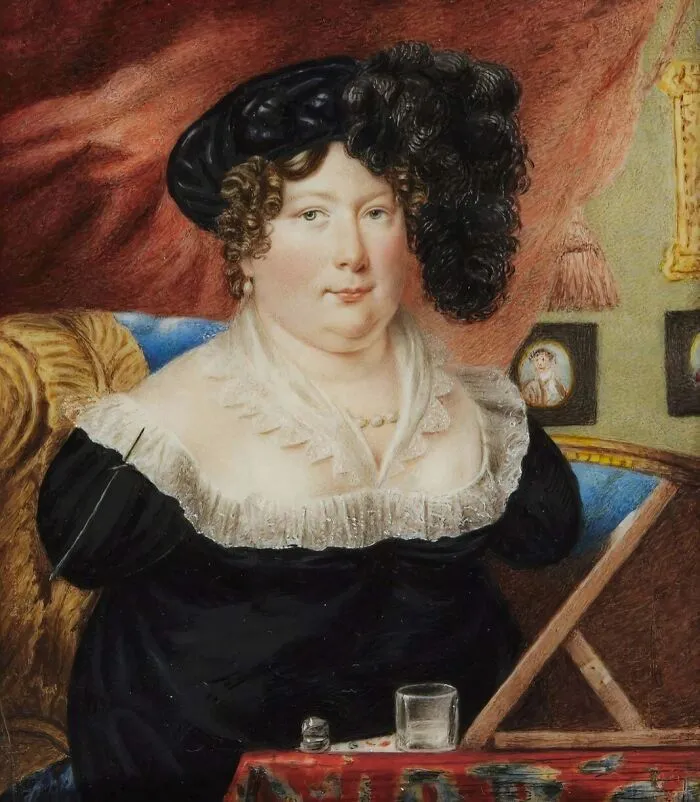
#4 Sarah Biffin (1784-1850) Was A Famous Painter And Performer Who Was Born Without Arms Or Legs And Was Known For Her Highly Detailed Portraits Of English Royalty And Nobility
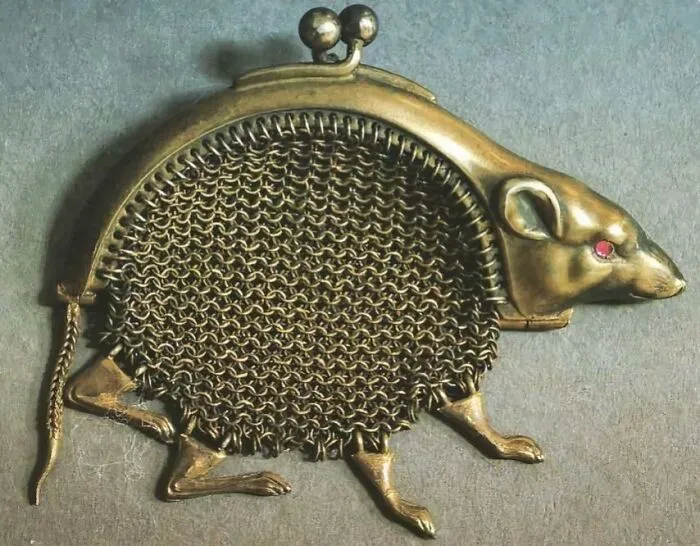
#5 Rat Coin Purse By Paul Frey For The Famous 'Lacloche Freres' French Jewelers C. 1900-1905
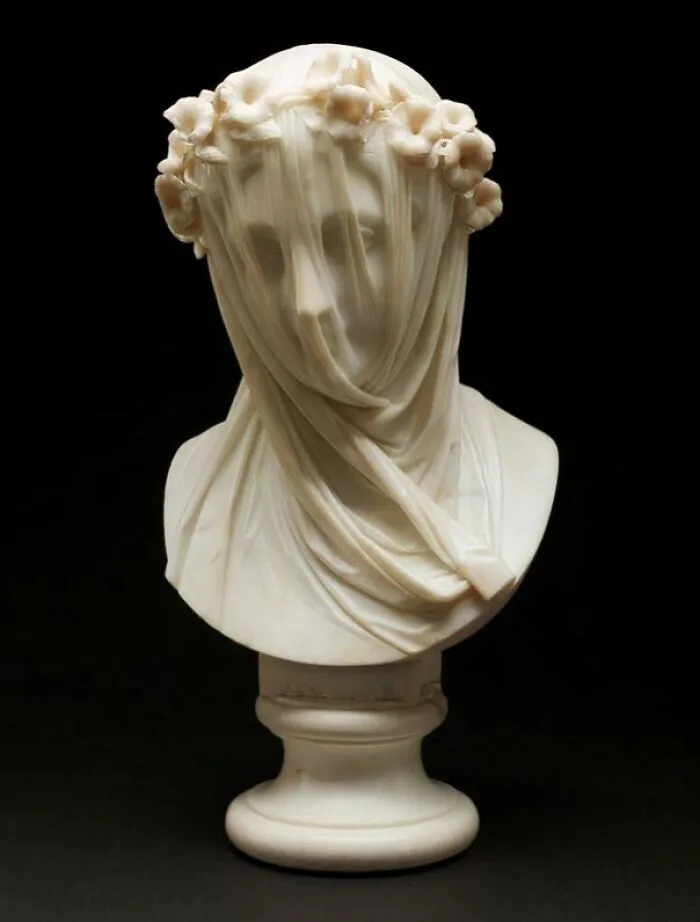
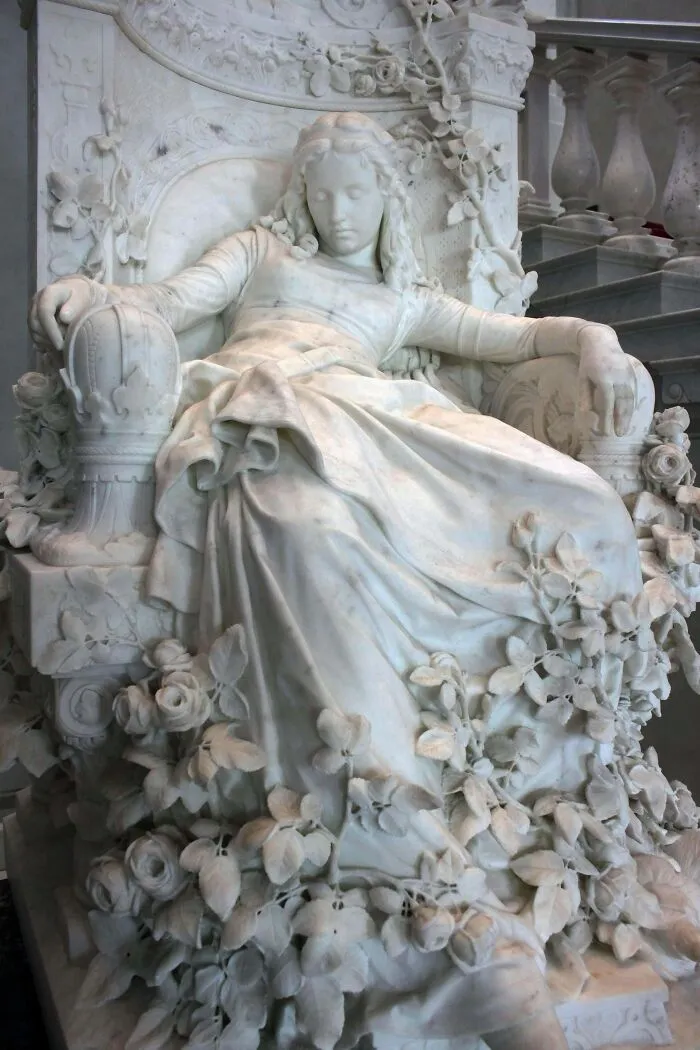
#6 The Sleeping Beauty (Dornröschen), A Marble Statue By L. Sussmann-Hellborn, In The Alte Nationalgalerie, In Berlin, 1878
One of the biggest changes came from the rapid expansion of railways, which transformed how people travelled, worked, and connected with one another. Trains linked previously distant towns, helped goods move more quickly across the country, and even played a role in creating the idea of the daily commute. And in 1863, London took transportation underground with the opening of the Metropolitan Railway, the world's first underground passenger railway.
The line initially ran about three miles between Paddington (then known as Bishop's Road) and Farringdon. The London Underground would eventually grow into one of the world's largest urban transit systems, proving that railways could move enormous numbers of people beneath busy city streets. Imagine how revolutionary it must have felt to step onto a train and disappear below London for the very first time!
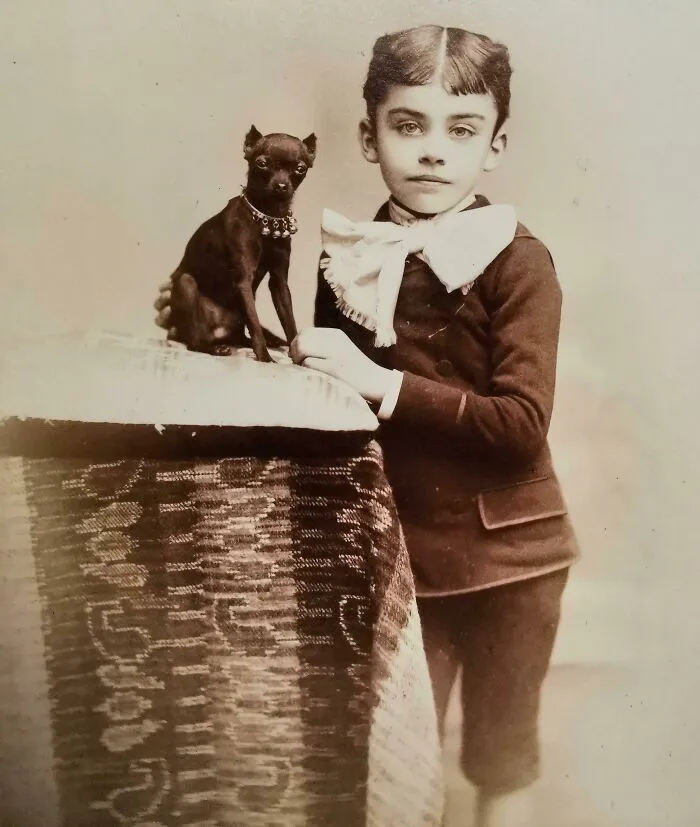
#7 A Little Boy And His Tiny Friend By Léonard Hubert Zeyen (Liège, Belgium)
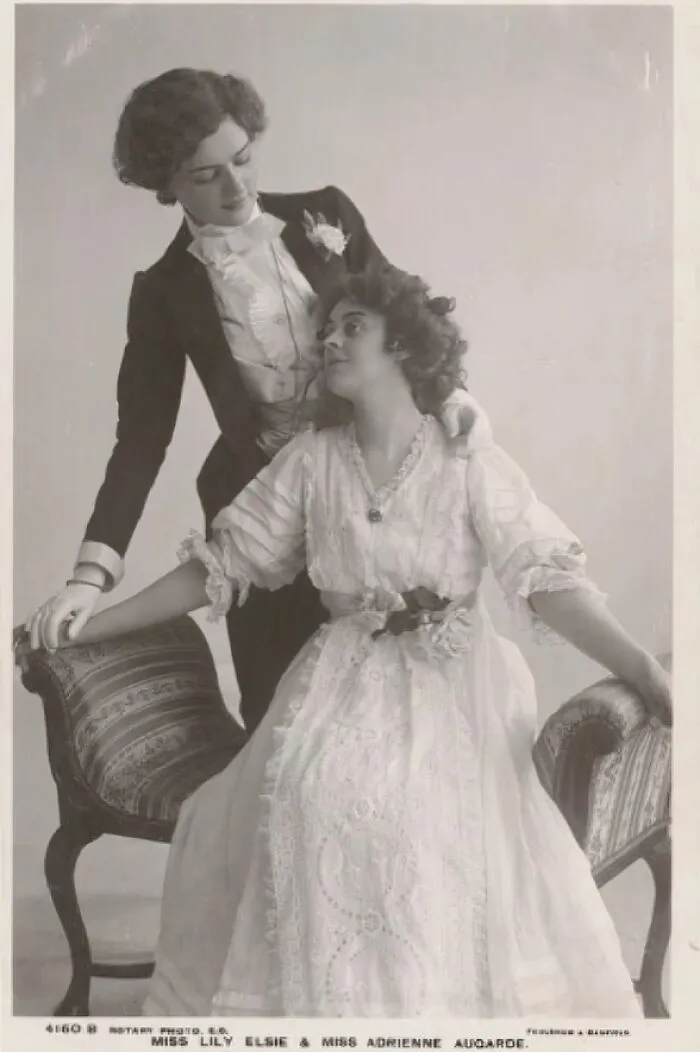
#9 Lily Elsie And Adrienne Augarde
The Victorian era also produced one of the most influential scientific ideas in history. In 1859, Charles Darwin published On the Origin of Species, introducing his theory of evolution by natural selection to a much wider audience. Darwin argued that species change gradually over vast periods of time and that organisms with traits better suited to their environment are more likely to survive and reproduce. Over generations, those inherited traits can become more common, leading to adaptation and, eventually, the development of new species. Darwin described this broader process as “descent with modification,” proposing that different forms of life share common ancestry. His ideas fundamentally changed the study of biology and remain central to modern evolutionary science.
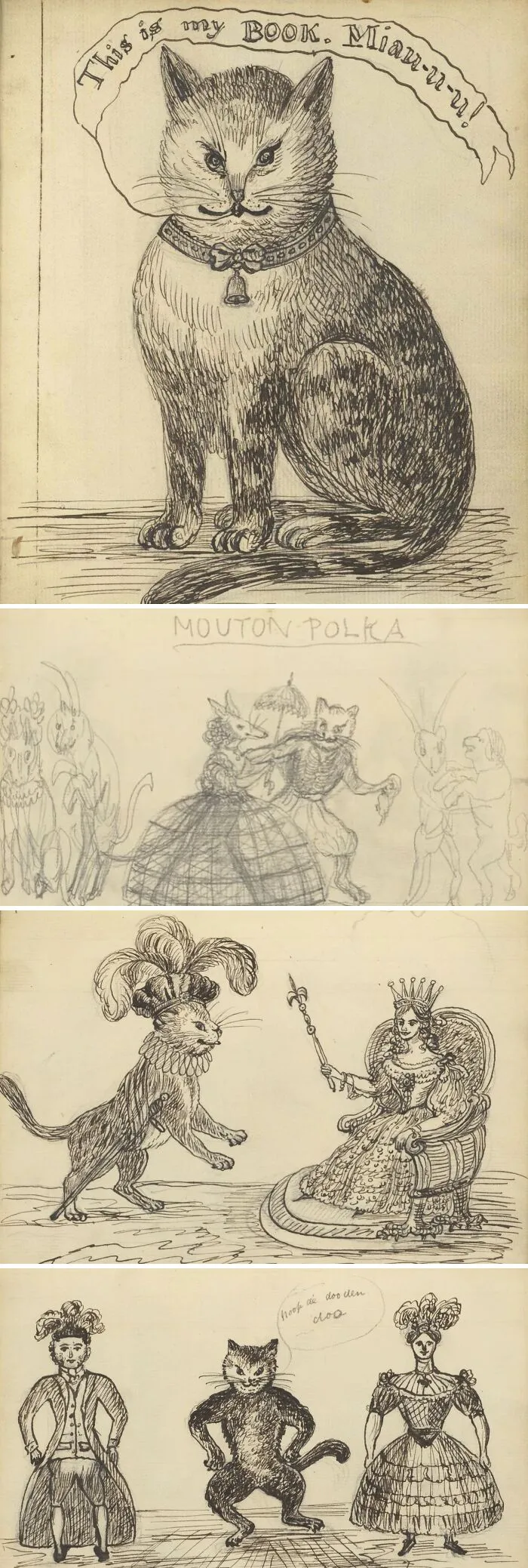
#10 Sketchbook Containing The Drawings That A Girl Named Emily M. Madden (B. 1858) Made Of Her Cat, Mouton, Between 1856 And 1859
Another major change involved something people had been wishing for since the beginning of painful medical procedures: effective pain relief. During the Victorian era, ether and chloroform began to be adopted more widely as anaesthetics, transforming surgery and childbirth. One particularly famous moment came when Queen Victoria used chloroform during the birth of her eighth child, Prince Leopold, in 1853, and again during the birth of Princess Beatrice in 1857. The anaesthetic was administered by physician John Snow, and the Queen reportedly described the experience in highly positive terms. Her use of chloroform helped challenge some of the religious and social objections surrounding pain relief during childbirth. While modern anaesthesia has advanced enormously since then, these developments helped pave the way for safer and more humane medical care.
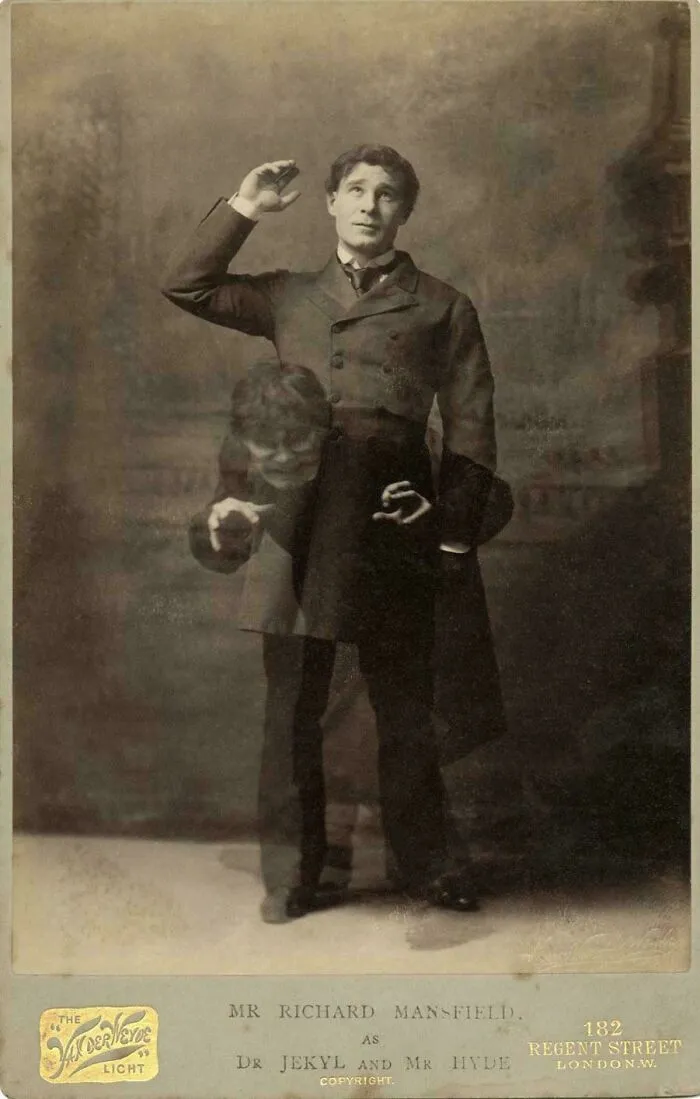
#14 Stage Actor Richard Mansfield Starring As The Dual Roles Of Dr. Jekyll And Mr. Hyde In The 1887 Stage Adaptation
Victorian London also faced a problem that was far less glamorous but arguably just as important to solve: sewage. As the city's population grew rapidly, poor sanitation and contaminated water contributed to devastating outbreaks of disease. Engineer Sir Joseph Bazalgette designed a vast sewer network that helped transform London's public health infrastructure. Built through the 1860s and 1870s, the system used huge brick tunnels to collect waste and move it away from the city's most populated areas and water sources. The project also helped improve the condition of the River Thames, which had become heavily polluted. Bazalgette's work is a powerful reminder that some of history's most important innovations aren't always flashy; they're often the ones that quietly make everyday life safer.
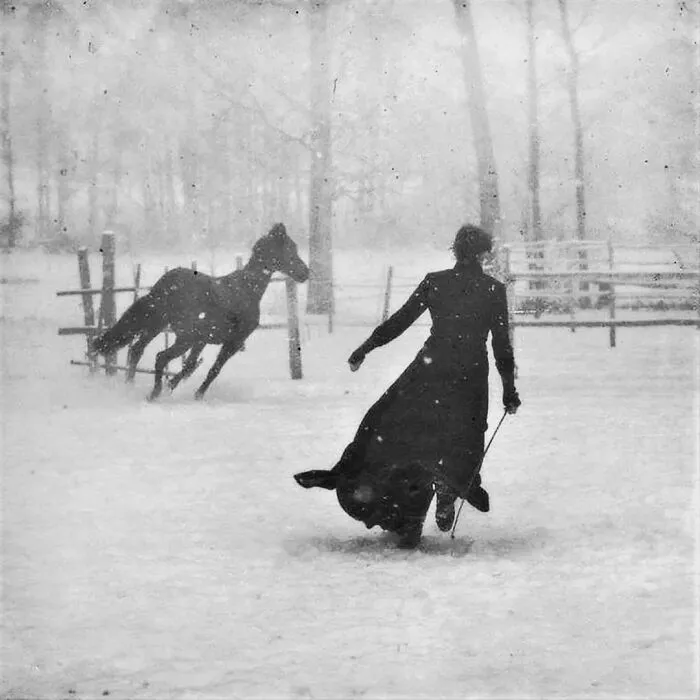
#16 'lady With Her Horse On A Snowy Day'. Félix Thiollier, 1899. Shows That It Wasn't Necessary To Stay Still For Photos
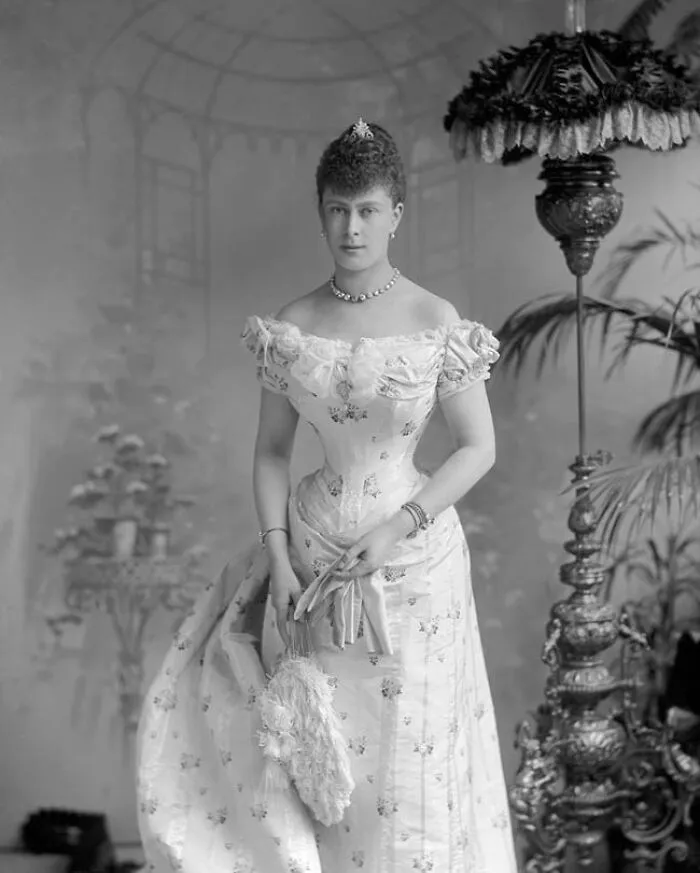
#17 Glass Negative Of Future Queen Mary (Of Teck) In Her Wedding Dress, 6 Of July 1893
As factories expanded during the Victorian era, many workers (including very young children) faced exhausting hours and dangerous conditions. In response, the Factory Acts were gradually introduced to regulate industrial work and provide greater protections for workers. One particularly important law was the Factory Act of 1833, which prohibited children under the age of nine from working in textile mills, limited the working hours of older children, and required them to receive a certain amount of schooling. It also established a system of inspectors to help enforce the new rules. The legislation didn't solve every problem overnight, but it marked an important step toward recognizing that economic progress should not come at the expense of children's health and wellbeing.
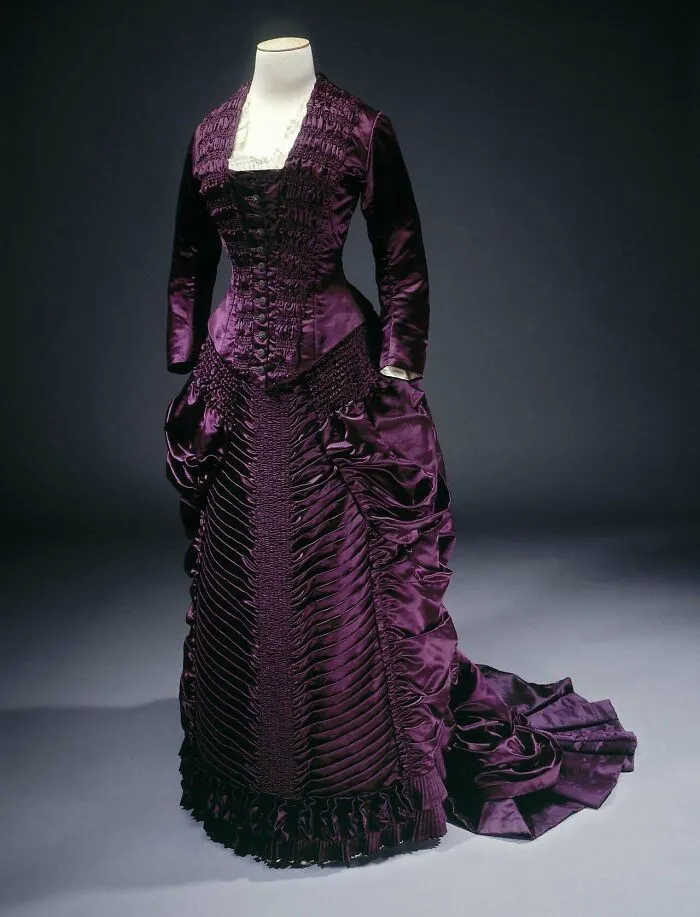
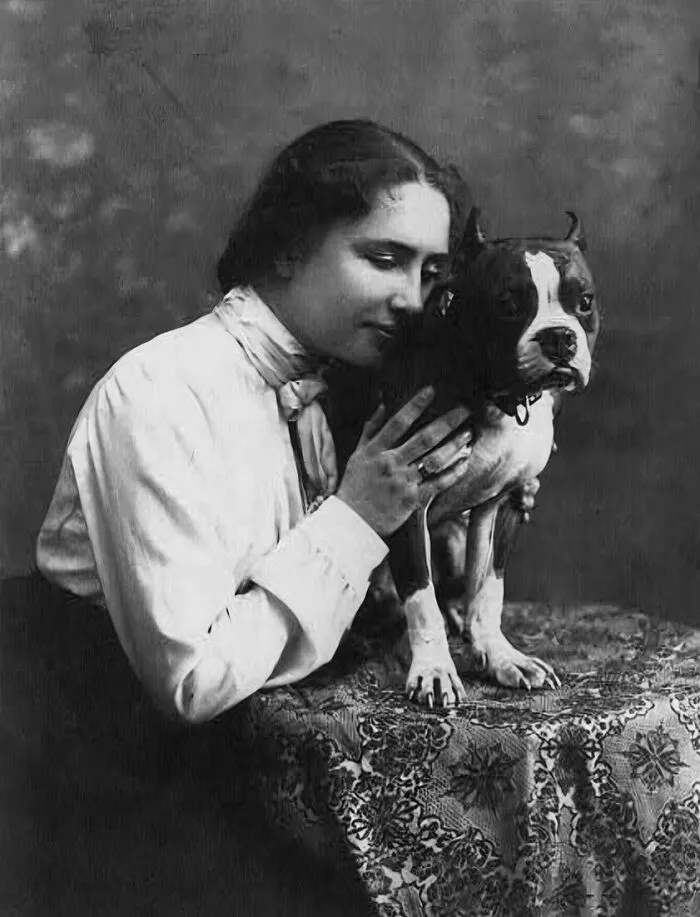
#20 Helen Keller Posing With Her Dear Dog, From Glass Negative, Circa 1902