



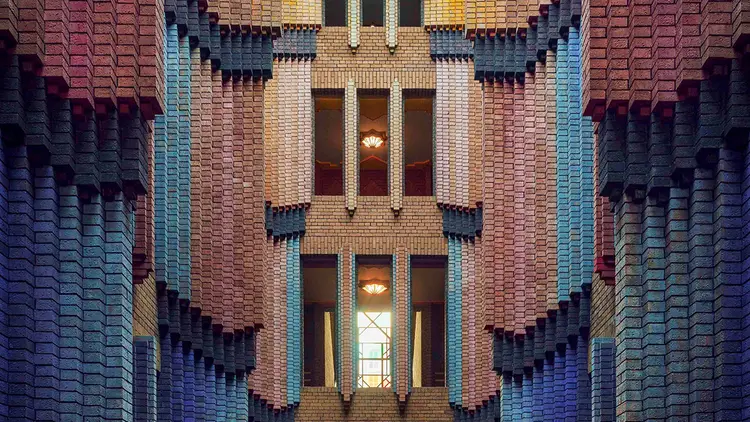

Brick Expressionism turns simple masonry (the craft and art of building structures) into bold architecture through assorted brick tones, sharp angles, and detailed patterns that can even reveal faces hidden in the facades (if you look at it from the right angle!).
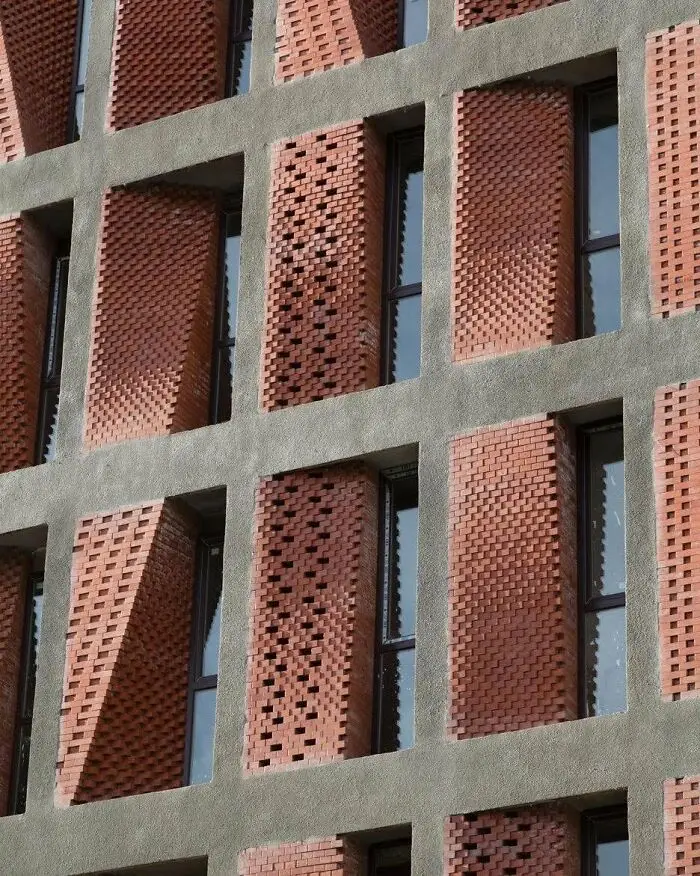
We peeked into the Reddit community 'Brick Expressionism', where the group documents and shares these unique architectural works from around the globe. What makes these buildings stand out is how they play with shadow, texture, and geometry to give heavy brick structures a sense of fluid movement.
To share what makes this style so special, we’ve put together a selection of the 59 best posts from the group. We invite you to explore the list below and discover these extraordinary examples of expressionist architecture.
More info: reddit.com
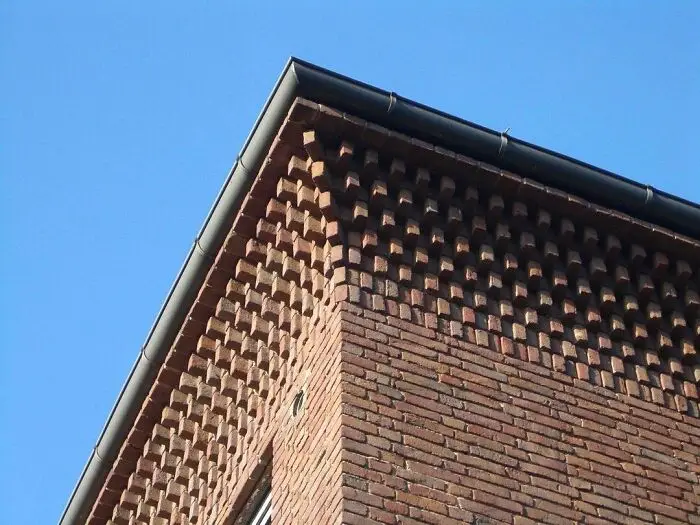
#42 Kirche Am Hohenzollernplatz In Berlin, Germany
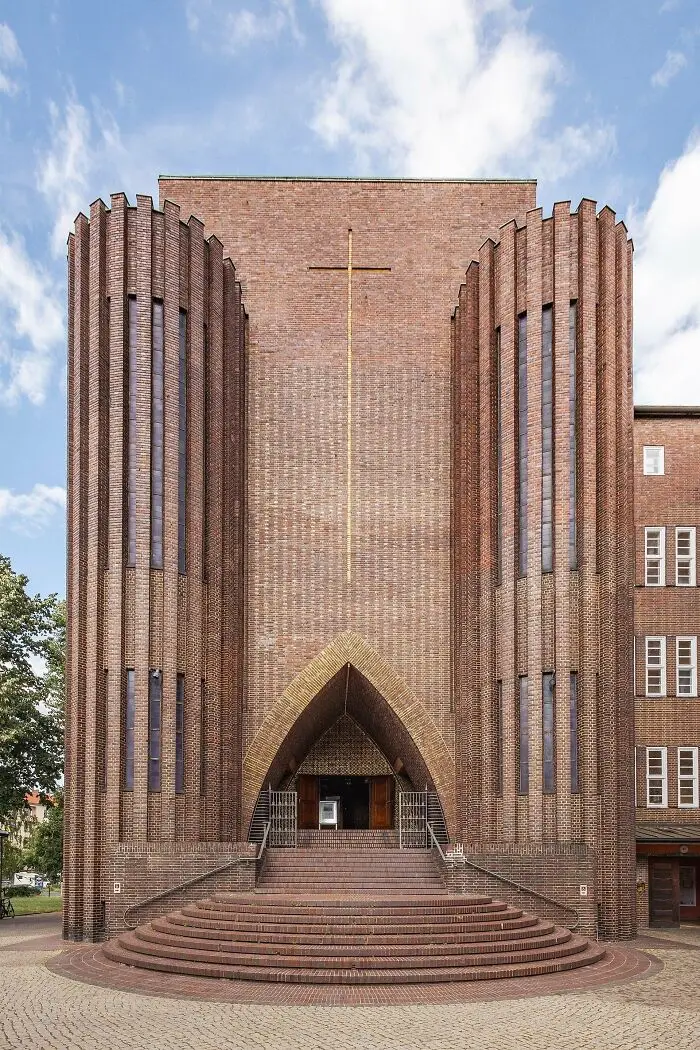
Designed by Fritz Höger, and built between 1930 and 1933.
Report
5points
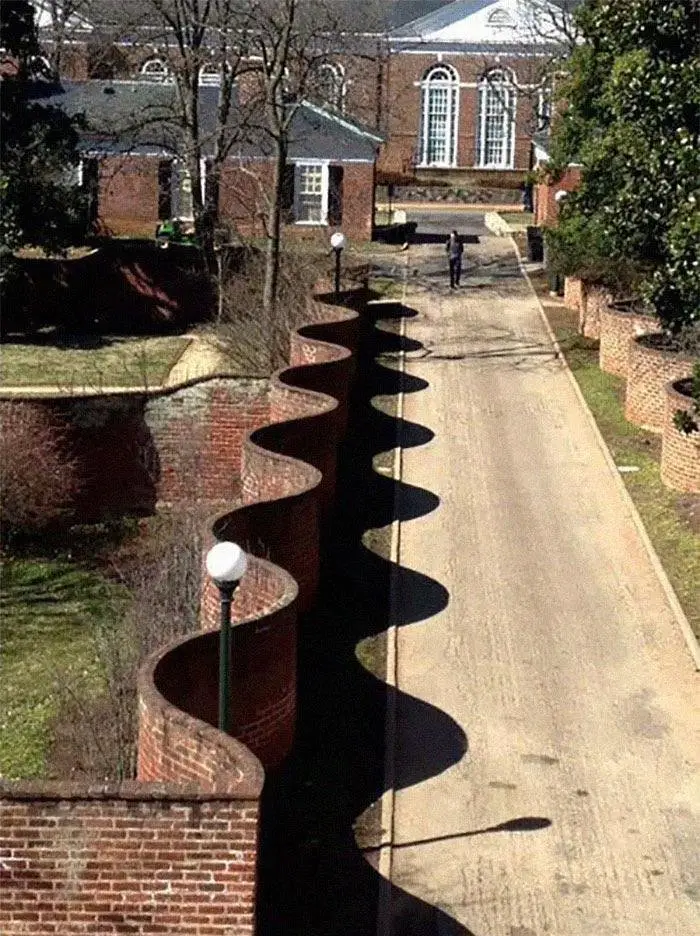
#45 The International Rugby Experience In Limerick, Ireland
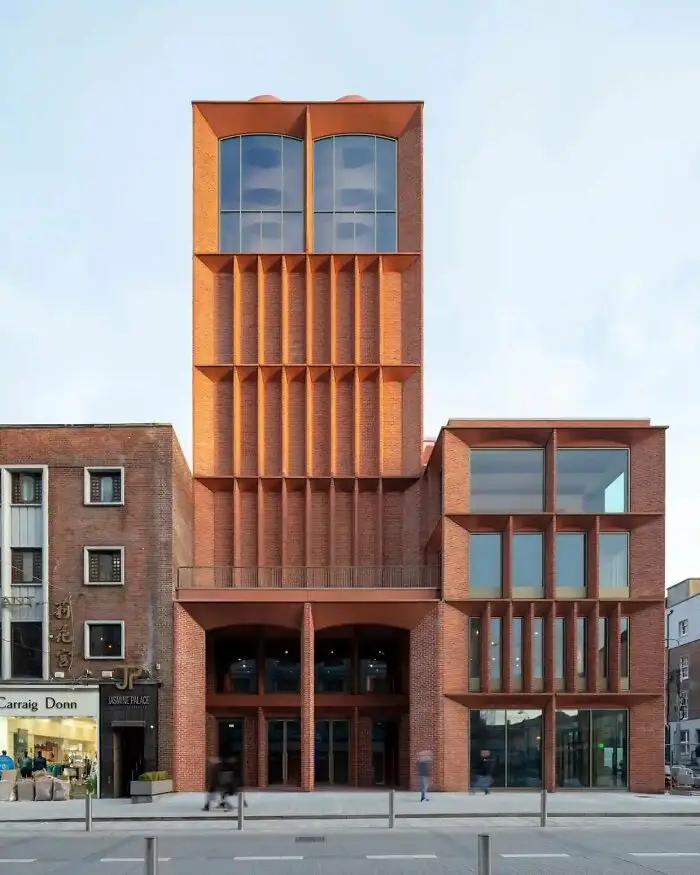
Designed by Níall McLaughlin. Built in 2022.
Report
5points
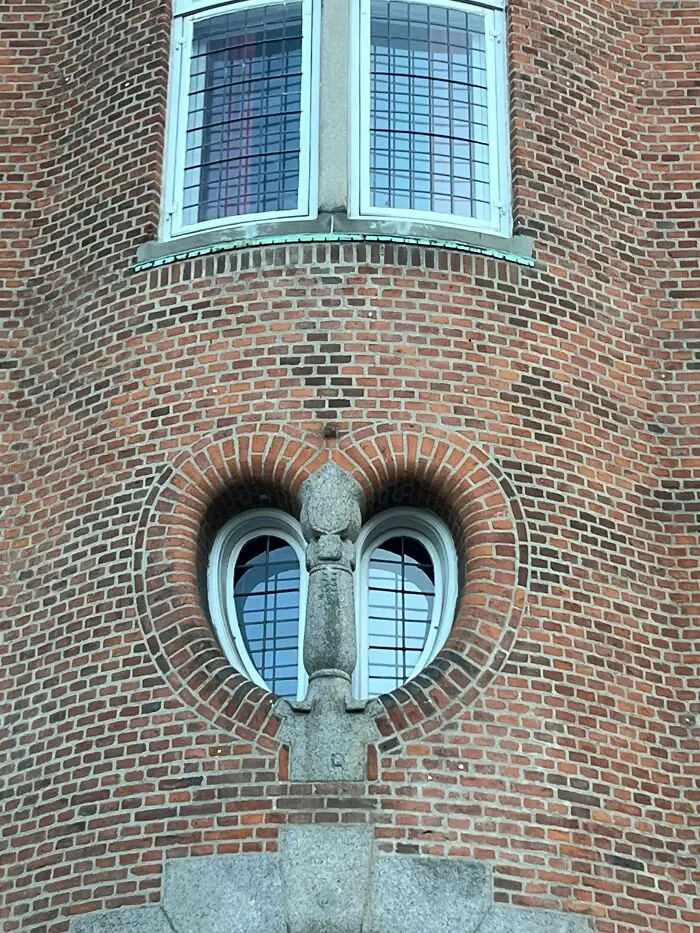
#47 De Bijenkorf In Den Haag, The Netherlands
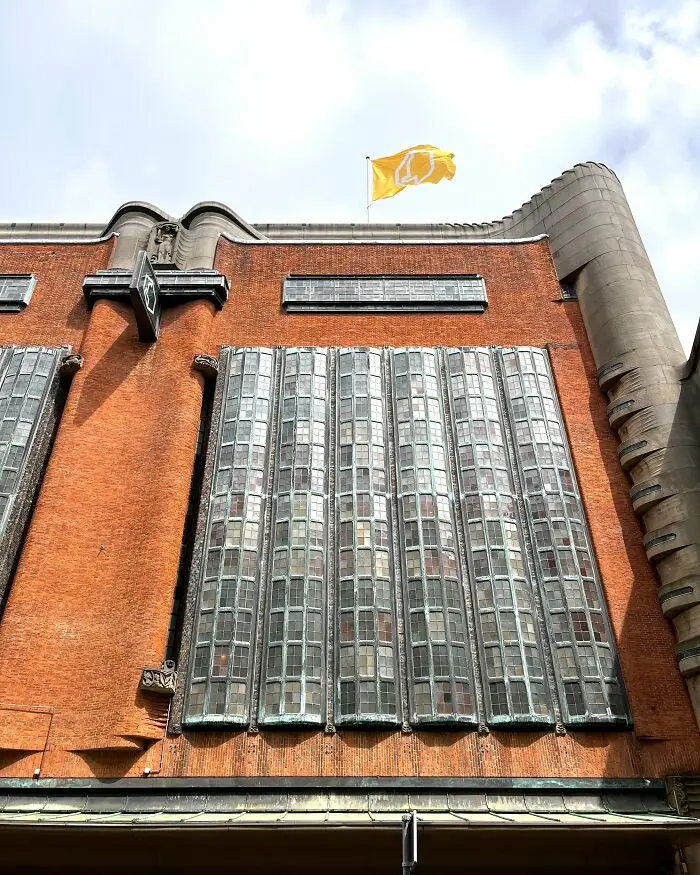
Designed by Piet Kramer, and built in 1926.
Report
5points
#48 Cacto Pizza Di Barrio In Buenos Aires, Argentina
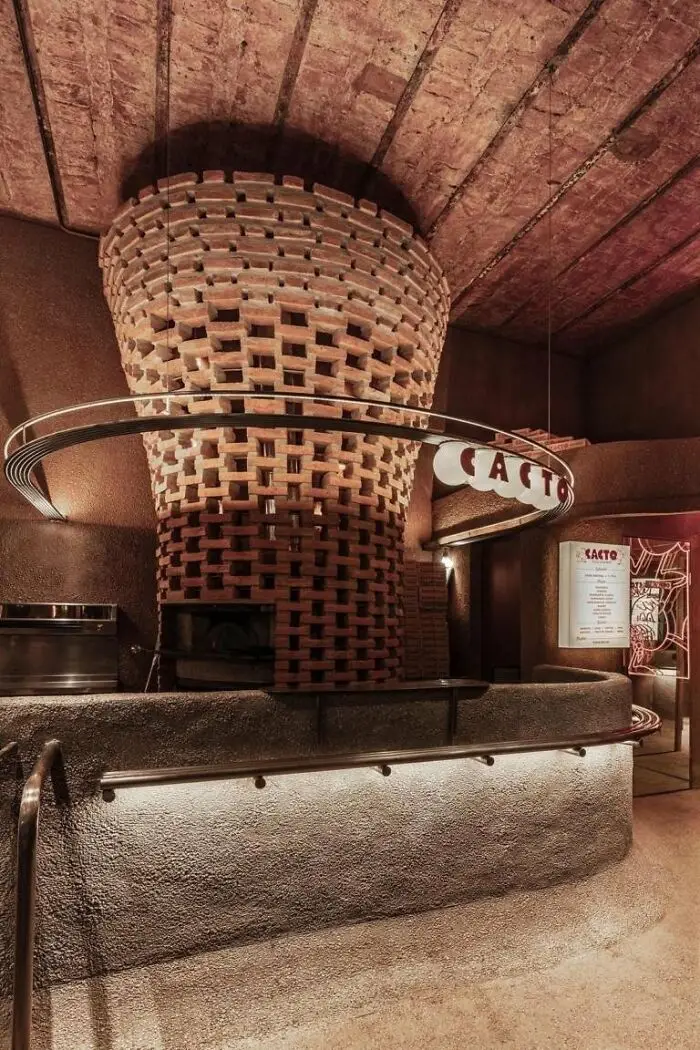
Restaurant interior design.
Report
5points
#49 Der Elefant In Bremen, Germany
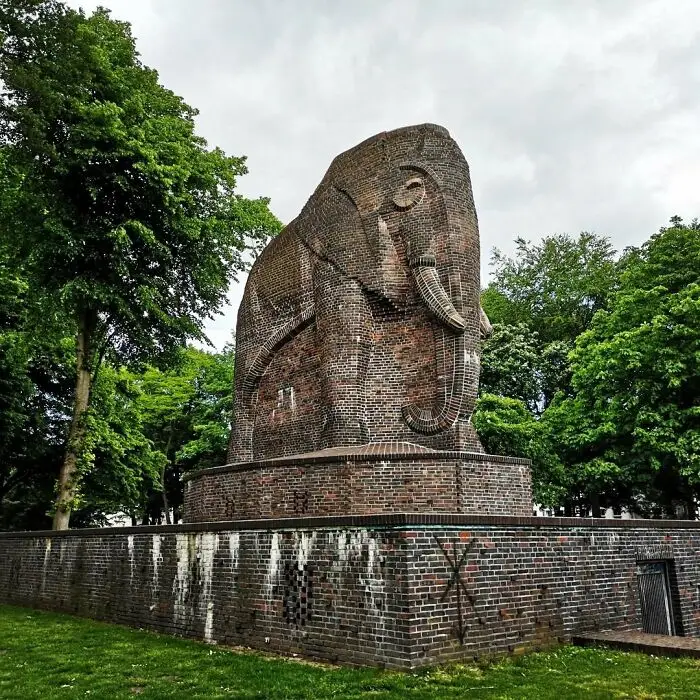
"Near the centre of the northern German city of Bremen is a large elephant made of bricks. This imposing ten-metre high structure — designed by Fritz Behn — was completed in 1931 as a monument to the German colonies which then included Cameroon, Togo, Deutsch-Ostafrika [Tanzania], Deutsch-Südwestafrika [Namibia] and several islands"
The Bremen Colonial Society created this monument in memory of the German soldiers who died in the German colonies during the First World War.
Report
5points
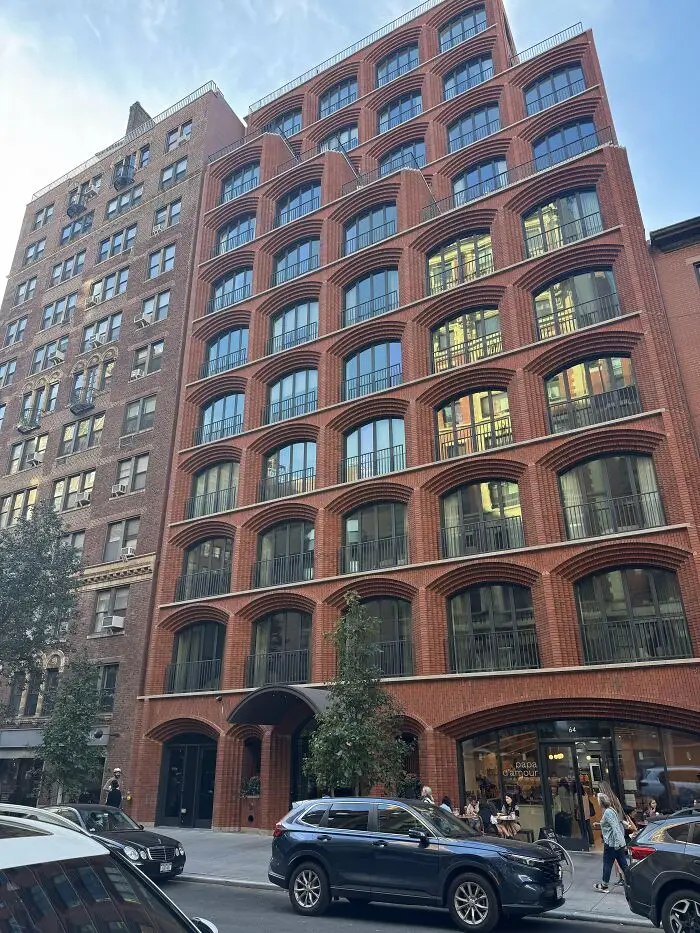
#50 Mulberry House In New York City, USA
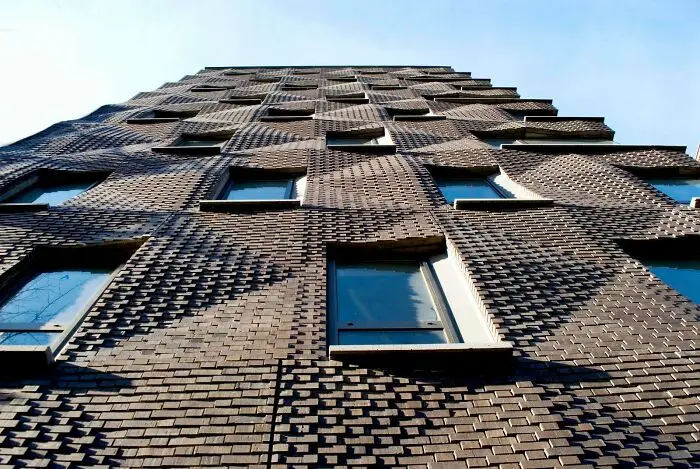
Designed by SHoP Architects in 2012.
Report
5points
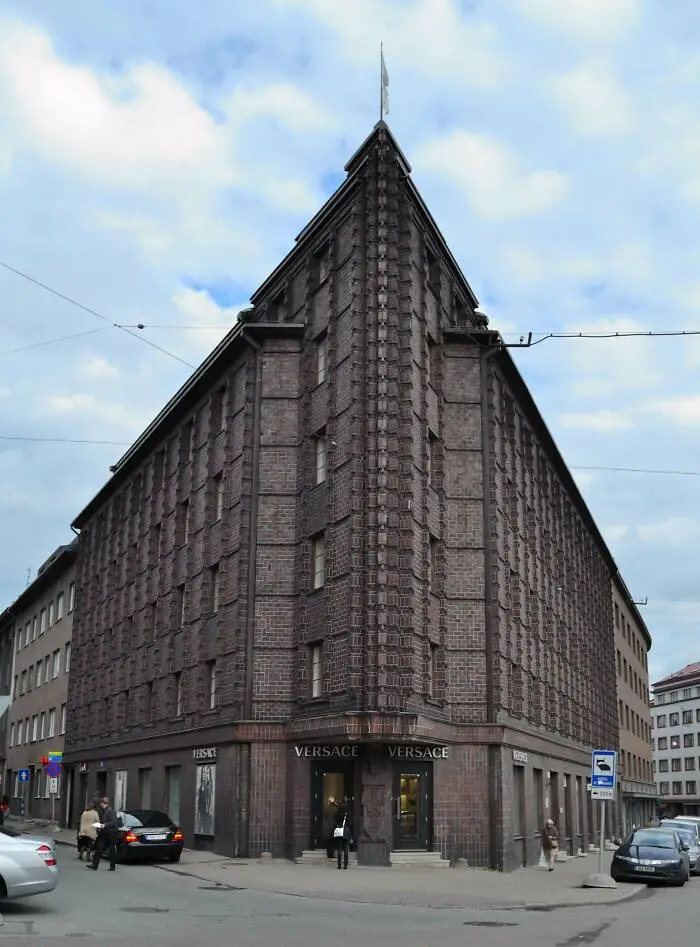
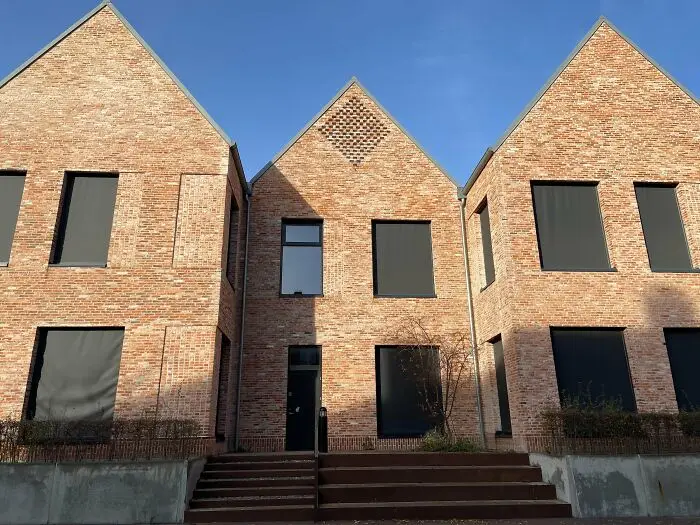
#57 New Apartment Building In Saint Petersburg, Russia
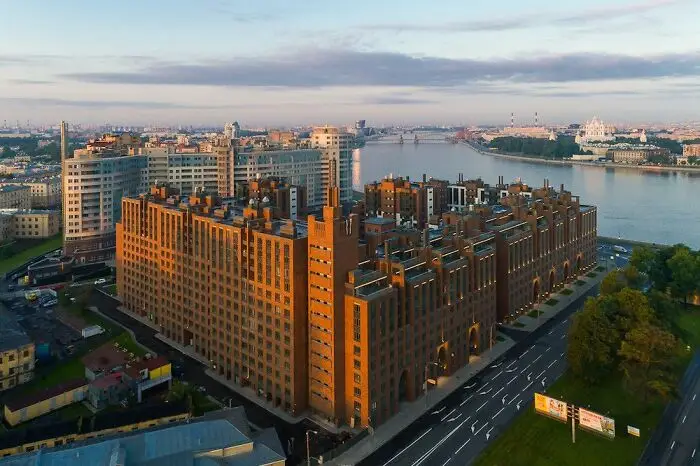
u/melanf
Report2points
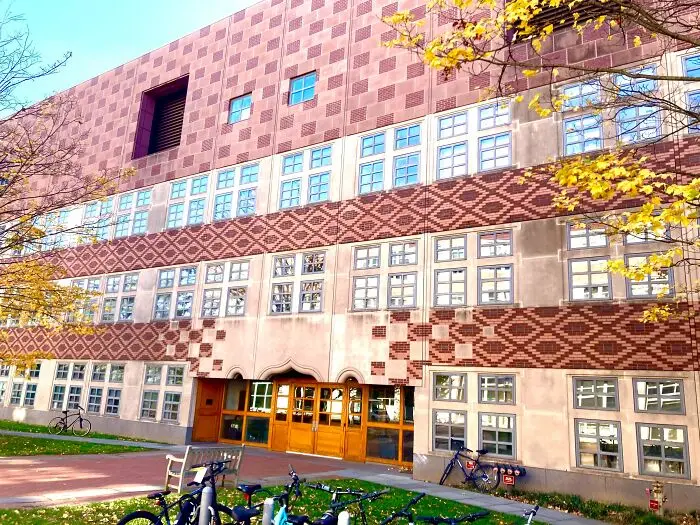
#59 Brick Fireplace
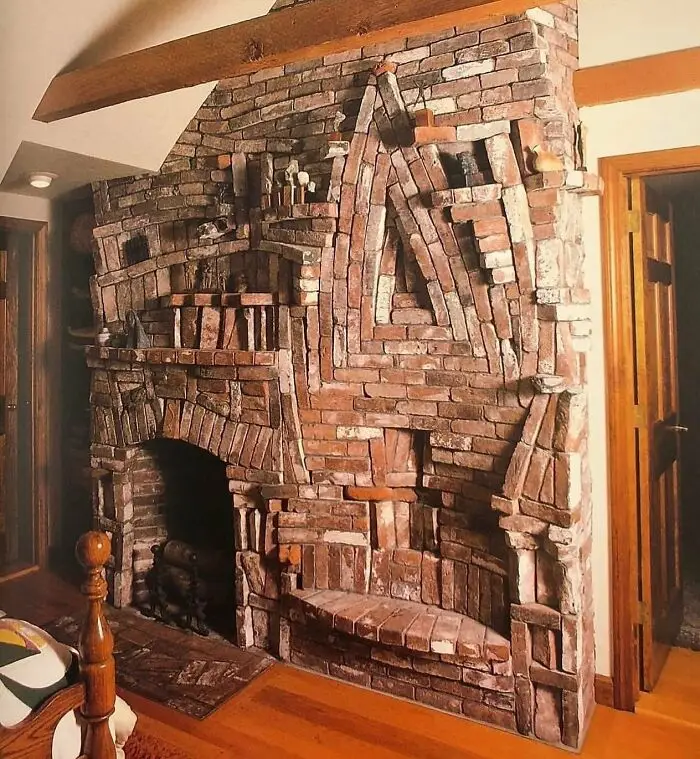
"Brick fireplace featured in ‘Architectural Ornamentalism: Detailing in the Craft Tradition,’ 1987, by Jim Kemp. Ph: Robert Perron."
Report
0points