




Learning something new feels good because it is supposed to. When your brain encounters unfamiliar information, it triggers a dopamine spike in the novelty center, which is the same chemical reward system involved in food, attraction, and the first sip of coffee in the morning. Dopamine here is acting as a prediction and motivation chemical, pushing you to pursue and decode the new concept.
It also signals the brain to strengthen the synaptic connections around what you just learned, which is why information absorbed in a moment of real curiosity tends to stick far better than anything studied under duress the night before an exam. The catch is that the surge is highest during that initial uncertain phase.
Once something becomes familiar, dopamine drops off significantly. Your brain is essentially chasing the new, which explains both the joy of a great fact and why you need a new one almost immediately after.
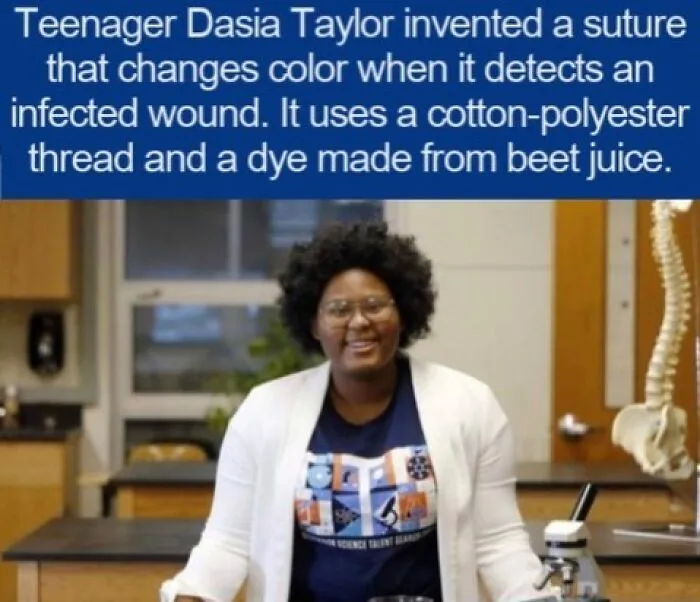

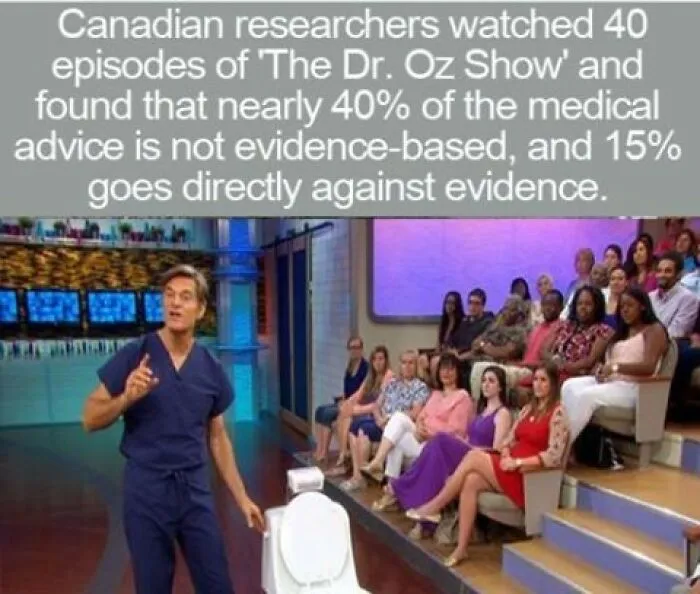
What makes this particularly interesting is that your brain is far more likely to remember the random fact about dolphins than the password you set last week. This is not a personal failing. Important information, the kind introduced while you are stressed, distracted, or trying to do three things at once, gets treated as background noise and quietly deprioritized.
Novelty and pattern-breaking surprises, on the other hand, get logged with much more enthusiasm. The nervous system finds rote memorization really boring and discards it. A surprising fact about the deep ocean bypasses all of that because it does not feel like information. It feels like a story, and the brain has always been very good at those.
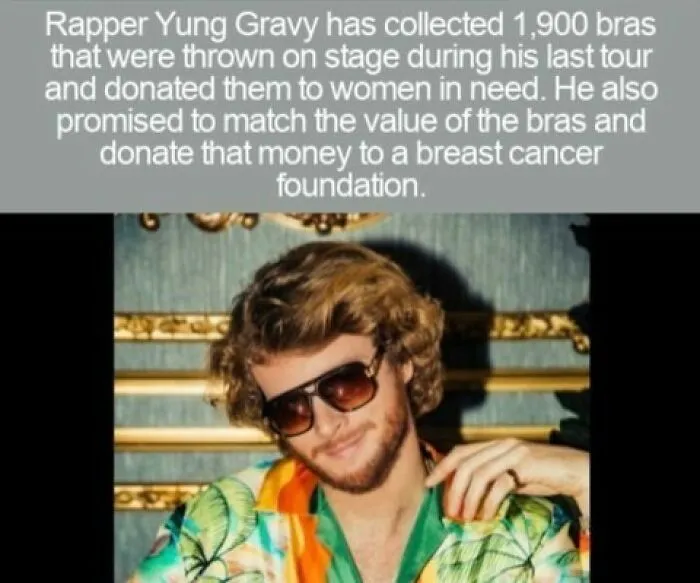


The social function of sharing a good fact is older than it might seem. In early human history, information was a survival tool. Knowing which plants were safe or where the water was located made you valuable to a group, and that evolutionary loop has never fully switched off.
Sharing knowledge signals altruism, establishes the sharer as observant and worth listening to, and creates an immediate loop of social goodwill that costs the teller nothing and gives the listener something real. The "did you know" person is not just making conversation. They are, in the most literal evolutionary sense, performing a social service. This is your formal permission to be insufferable about it.

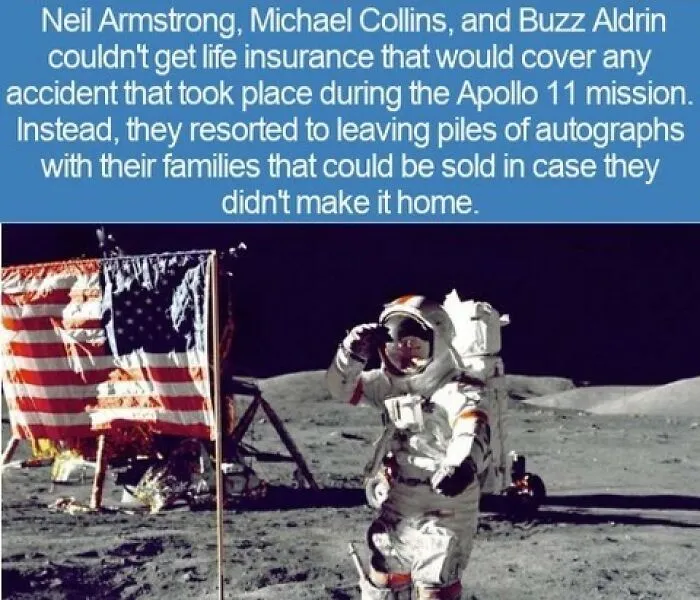
The institution that formalized knowing random things for sport was invented in 1970s England for reasons that were entirely commercial. In 1976, Sharon Burns and Tom Porter organized 32 teams across three leagues in southern England to solve a very practical problem: pubs were quiet on weeknights, and licensing laws meant getting people to stay longer required a reason.
Trivia was the reason. Participating pubs received sealed envelopes with questions, leagues maintained weekly standings, and what started as a regional experiment grew to over 10,000 competing teams within a few years. The modern pub quiz, now a global institution, began as a Monday night marketing strategy. Somehow that makes it even better.


Personality psychology has a specific name for people who are naturally drawn to collecting and sharing facts: epistemically curious. It describes the particular drive to acquire knowledge and understand how things work, and research consistently links high levels of trait curiosity to elevated life satisfaction, resilience, and emotional well-being.
Curiosity, in this framing, is not just a personality quirk. It functions more like a psychological infrastructure, shaping how a person processes difficulty, seeks connection, and finds meaning. The "did you know" person at the dinner table is, according to the data, worth listening to.
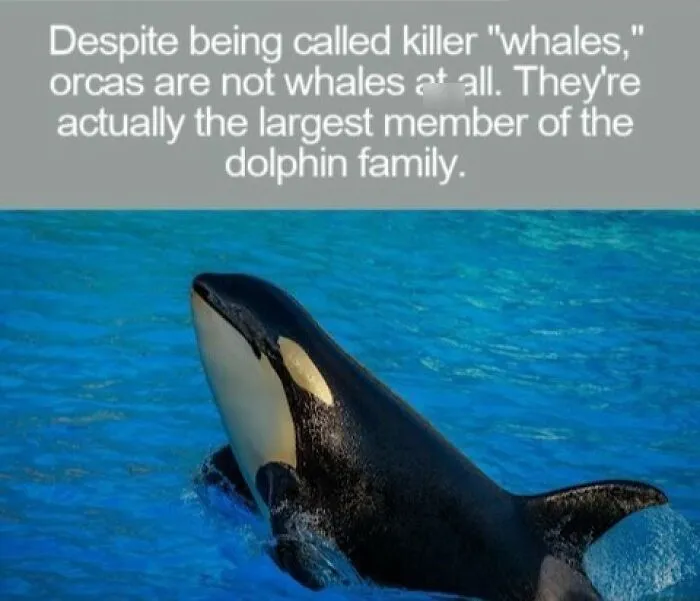
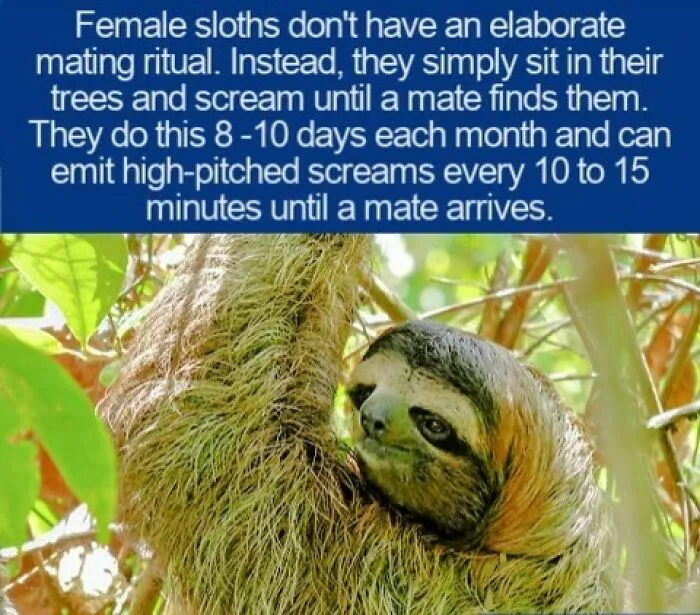
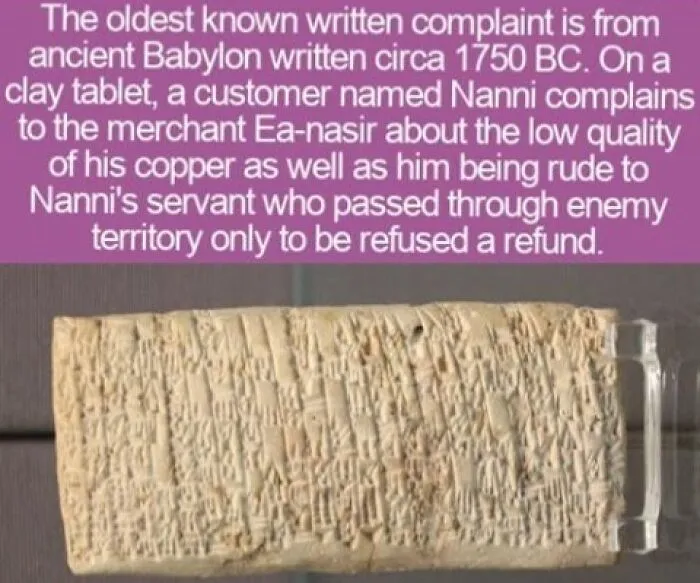
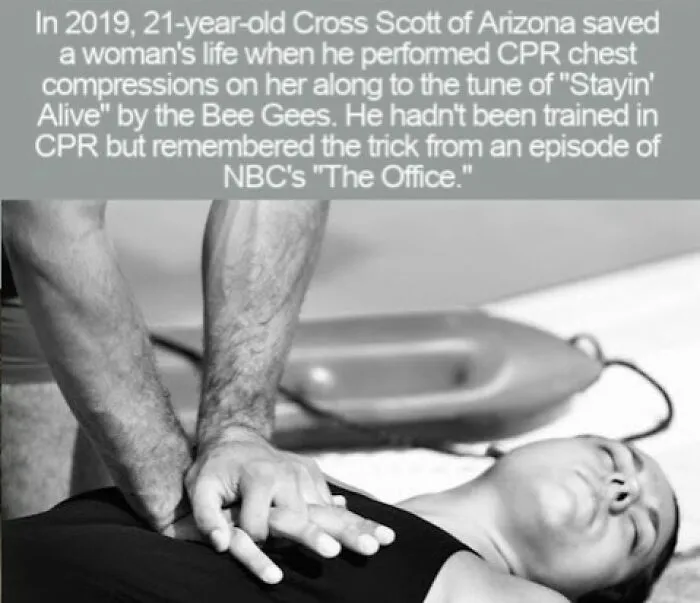
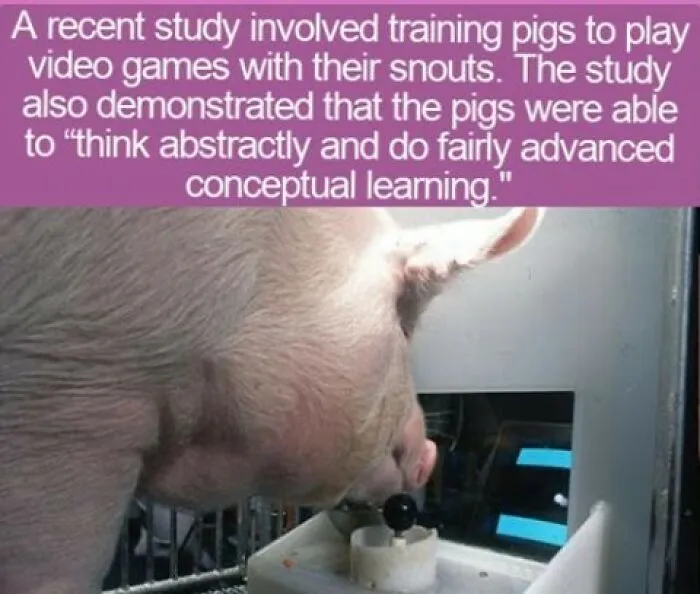
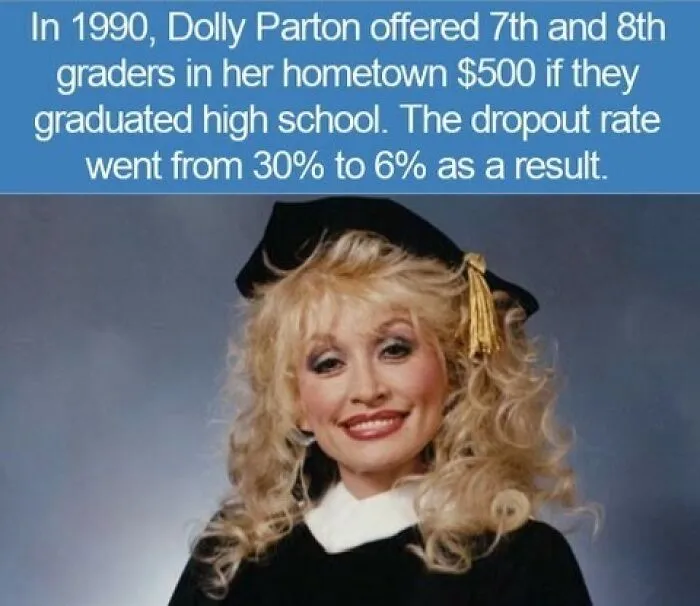
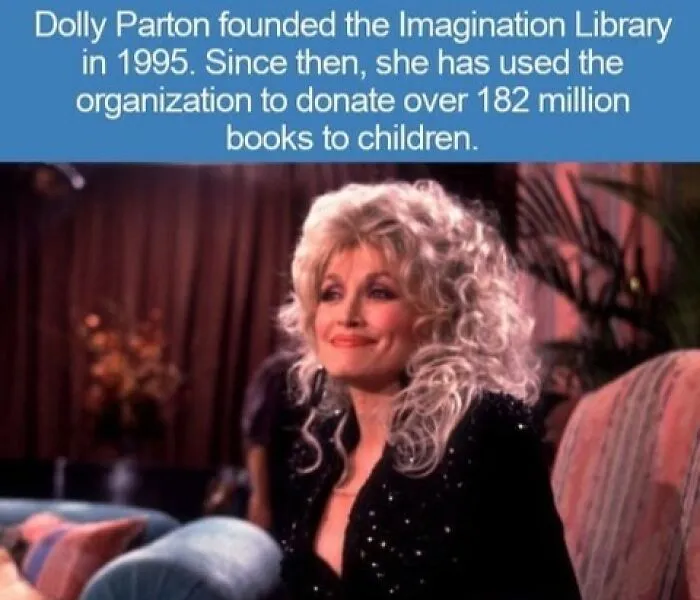
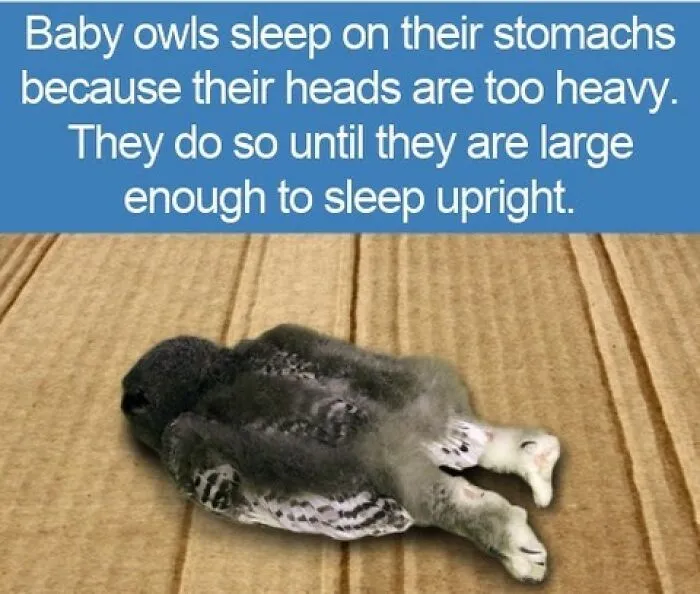
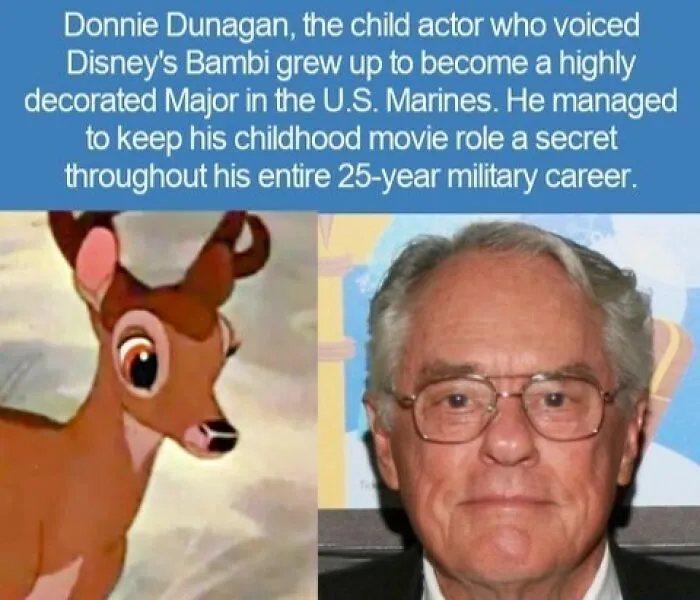
Social media spotted the appetite for bite-sized knowledge early, and accounts like UberFacts have built audiences of millions by delivering single facts in a visual format that takes about two seconds to absorb. The reason the format works so well is the same reason the dopamine loop works: an immediate reward with minimal cognitive effort, perfectly matched to the pace of a fast scroll.
The fact page is essentially a dopamine delivery mechanism pretending to be an educational resource, and the numbers suggest people cannot get enough of it. The Fun Facts Instagram page is operating in a long and very successful tradition.