

This post may include affiliate links.
#1
#2
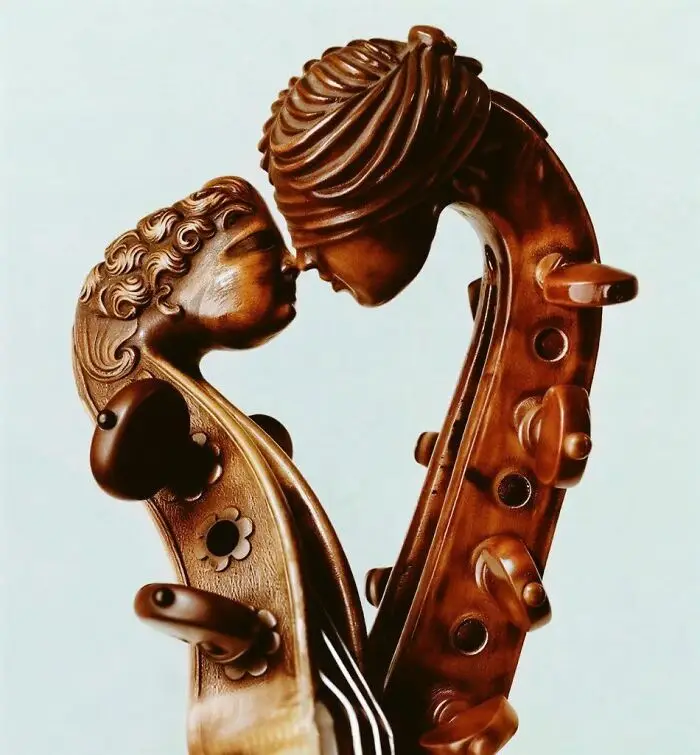
Archaeology is pretty fascinating, isn't it, pandas? But while most of us enjoy looking at ancient artifacts and historical discoveries, we might not always realize just how important the field is. Beyond helping us understand the past, archaeology can offer insights into challenges we still face today, including food shortages, health, and environmental changes. Who would've thought studying ancient civilizations could teach us something about our modern world?
And there's no shortage of incredible things to study! Think about the Egyptian pyramids, Great Zimbabwe, or the Great Wall of China. These enormous structures are impressive enough on their own, but archaeologists are just as interested in smaller finds, like pottery fragments, old bones, seeds, and metal objects. Even something that looks completely ordinary to us can reveal valuable information about life centuries ago.
#4
#5

In fact, an article published by Longdom highlights how archaeology helps fill the gaps left by written history. After all, historical records often focus on kings, queens, and powerful rulers.
But what about the ordinary people who farmed the land, raised families, and built communities? Archaeological evidence can help us understand their lives, too. Sometimes, discoveries even challenge long-held beliefs about how civilizations developed, traded, or practiced agriculture.
#7
#8
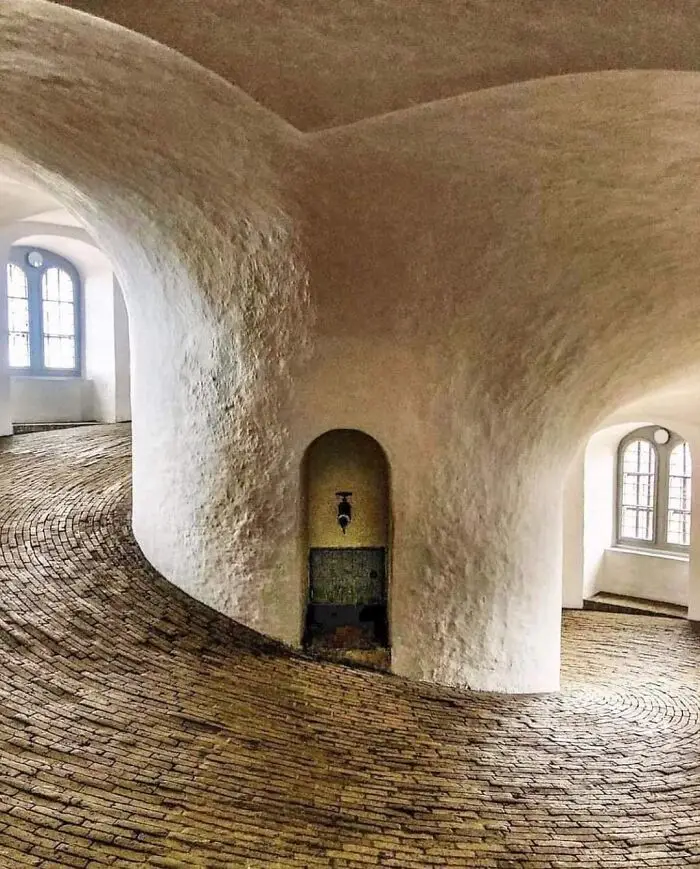
The tower is part of the Trinitatis Complex which also includes a chapel, the Trinitatis Church, and an academic library.
#9
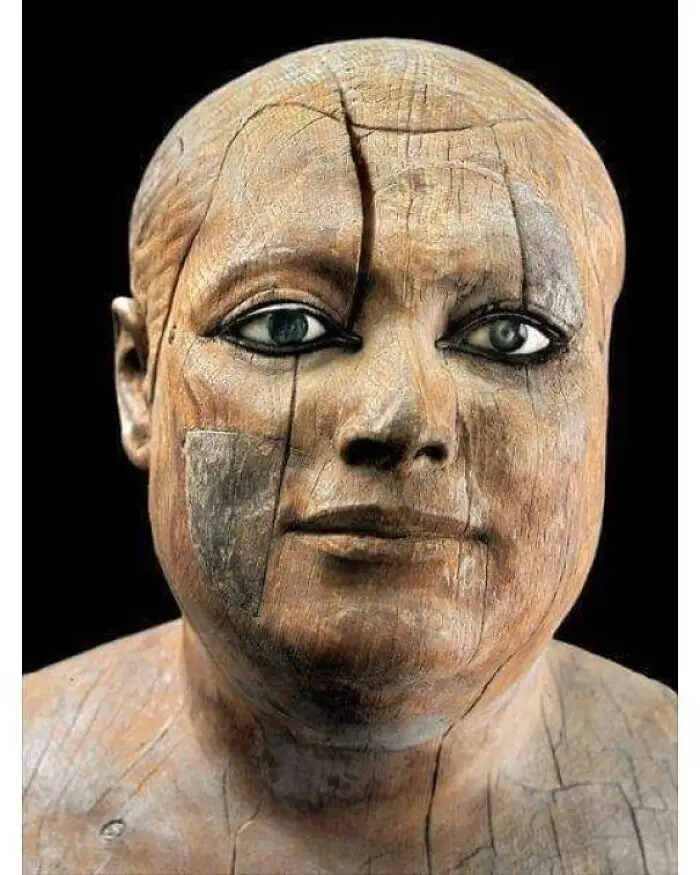
And since today's collection also features historical artworks, let's talk about the connection between art and archaeology. A study exploring their relationship highlights how the two fields can complement each other.
For instance, an intricately carved sculpture or a beautifully decorated vase can tell us about artistic techniques, cultural traditions, and the materials available at the time. So, there's more to these beautiful creations than what meets the eye!
#10
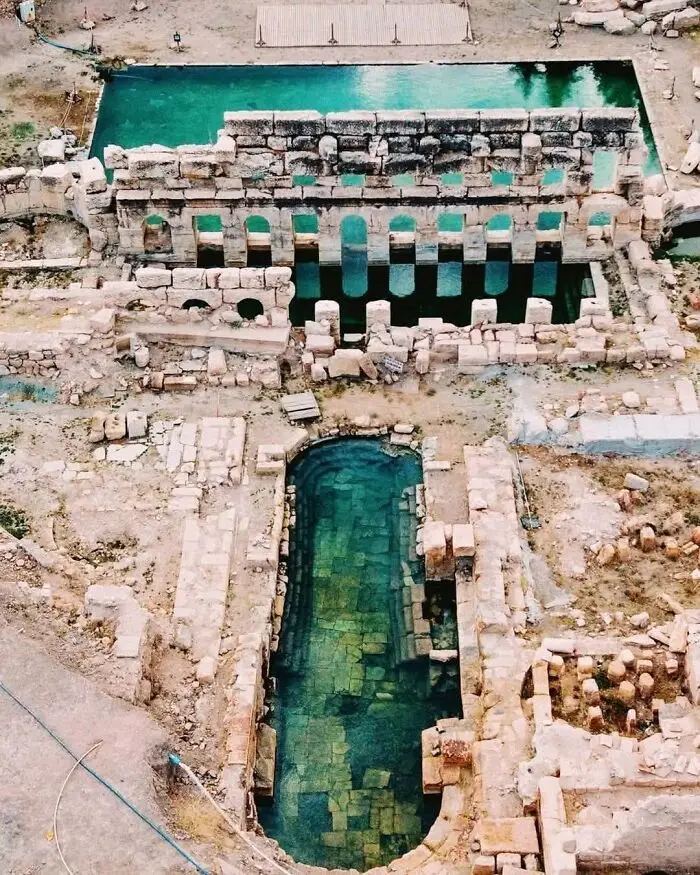
Located in Sarıkaya, Yozgat, this monumental thermal complex dates back to the 2nd century BCE. Built in the Roman period, it continued to be used through the Byzantine, Seljuk, and Ottoman eras. What makes it extraordinary is the fact that the hot spring has provided a constant 45°C flow since antiquity.
#11
Interestingly, archaeology has also come a long way from the days of relying mainly on shovels and brushes. In her book Archaeology from Space: How the Future Shapes Our Past, Dr. Sarah Parcak explores how modern technology is transforming the field.
Using satellite imagery, archaeologists can identify possible ancient settlements and structures that might otherwise remain hidden. Imagine looking down at Earth from space and discovering traces of something people built thousands of years ago! These tools can also help researchers monitor and protect vulnerable archaeological sites.
#13
#14
#15
But archaeology hasn't always been practiced responsibly. As National Geographic explains, the field has a troubling colonial history. In the past, some archaeologists removed cultural objects and human remains without the consent of Indigenous communities.
Others interpreted discoveries through racist beliefs, reinforcing harmful stereotypes and narratives that were used to justify colonization.
#16
#17
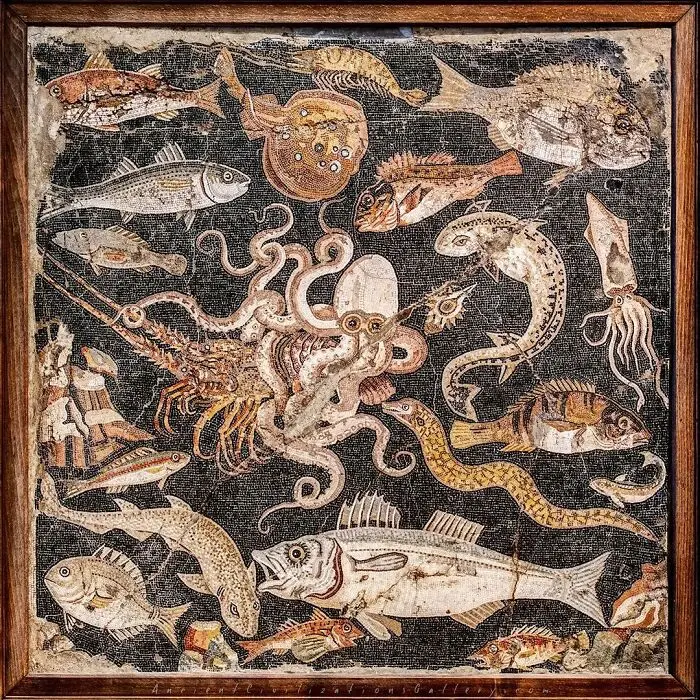
This 88 x 88 cm art piece was found at the base of the shallow marble-bordered basin (pool) at the center of the dining room, in the House of the Geometric Mosaics.
#18
Today, efforts are being made to address those mistakes. Archaeologists are increasingly working with Indigenous communities and descendant groups to ensure their cultural heritage is studied and preserved respectfully.
Of course, plenty of work remains, especially around representation, ownership, and returning cultural objects to their rightful communities.
#19
#20