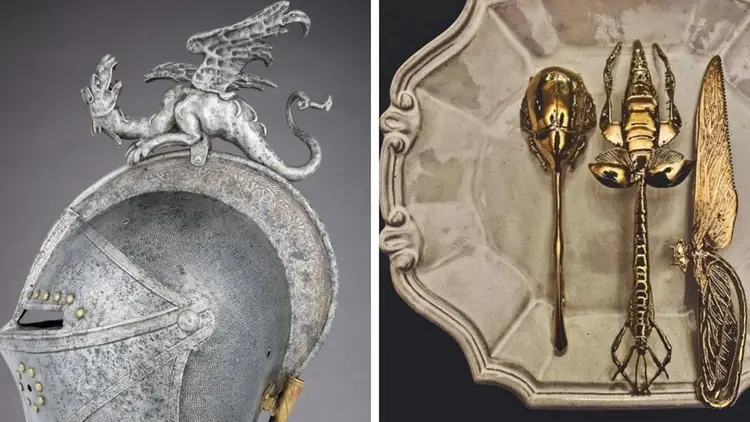



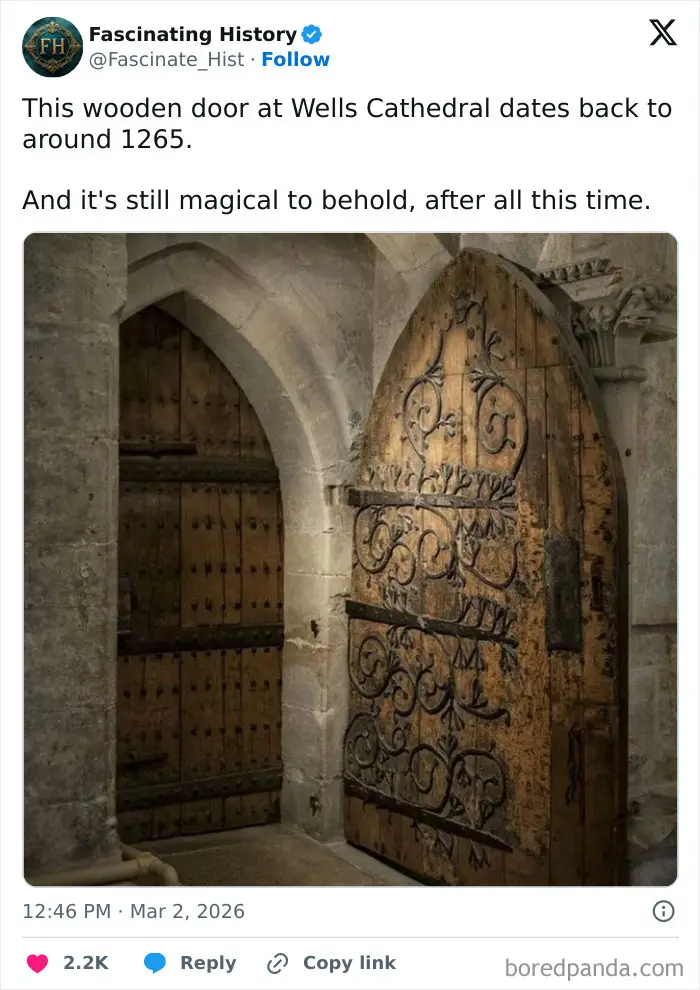
Consequently, we view surviving vintage items with a level of respect usually reserved for elders, they are the "tough" survivors of a different manufacturing philosophy. Looking at old versions of common things allows us to see the "rough drafts" of our modern lives, which provides a fascinating perspective on human progress.
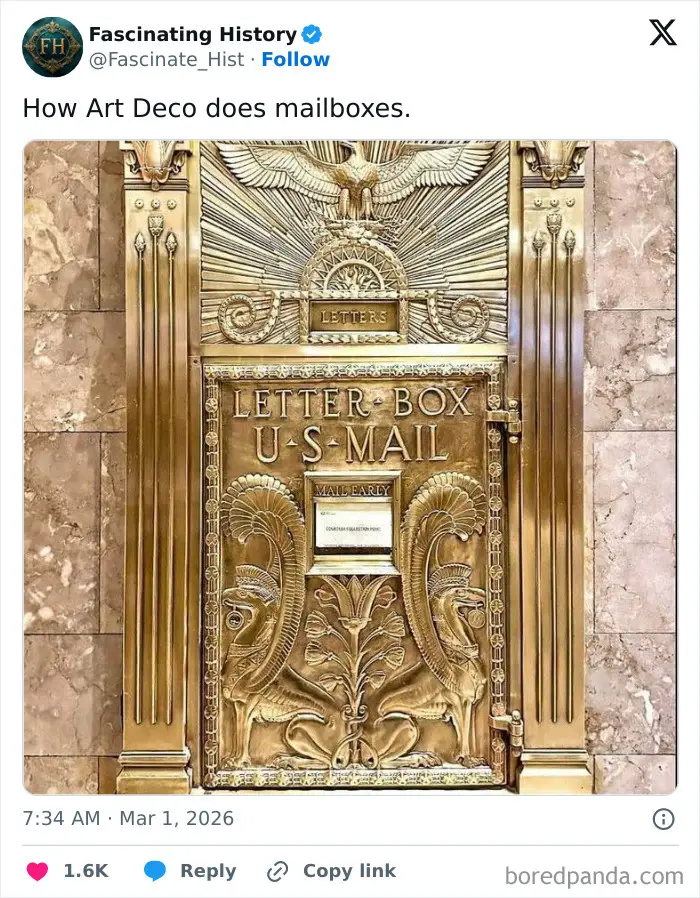
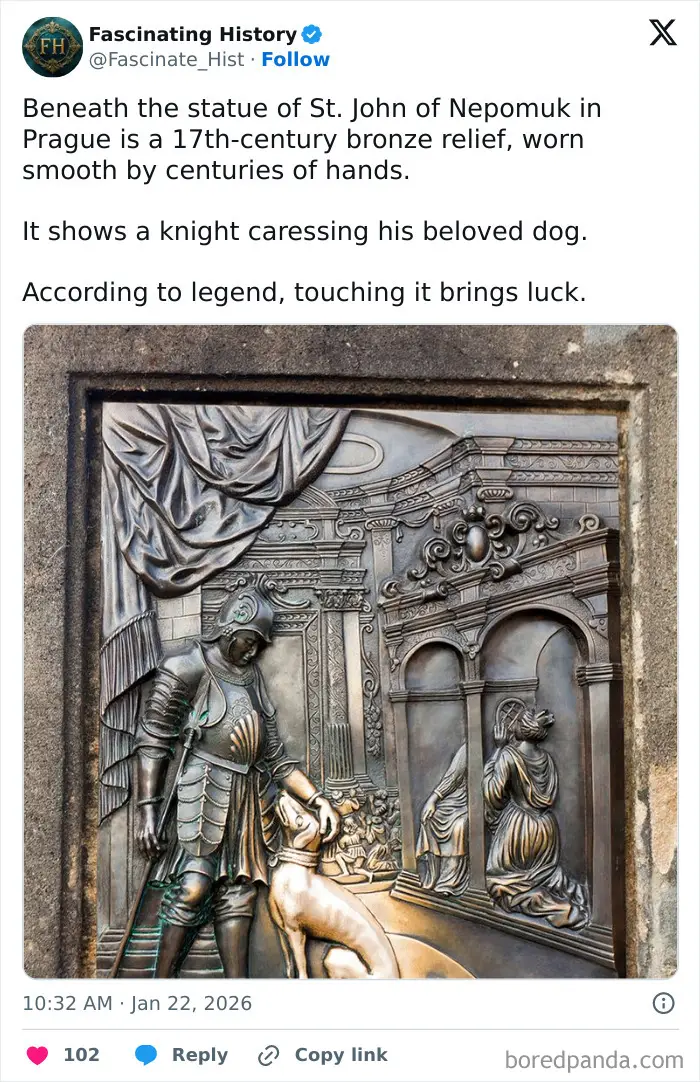

Seeing a primitive version of a hair dryer that looks like a vacuum cleaner or a massive, room-sized computer component reminds us of the iterative nature of genius. It strips away the polished magic of contemporary tech and reveals the mechanical bones of how things actually work.
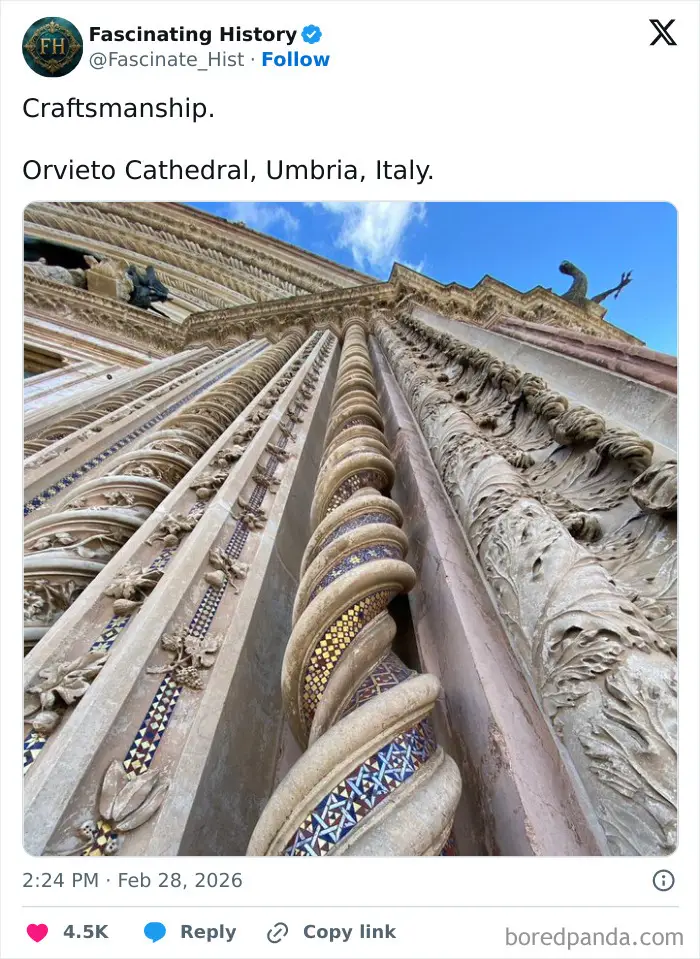
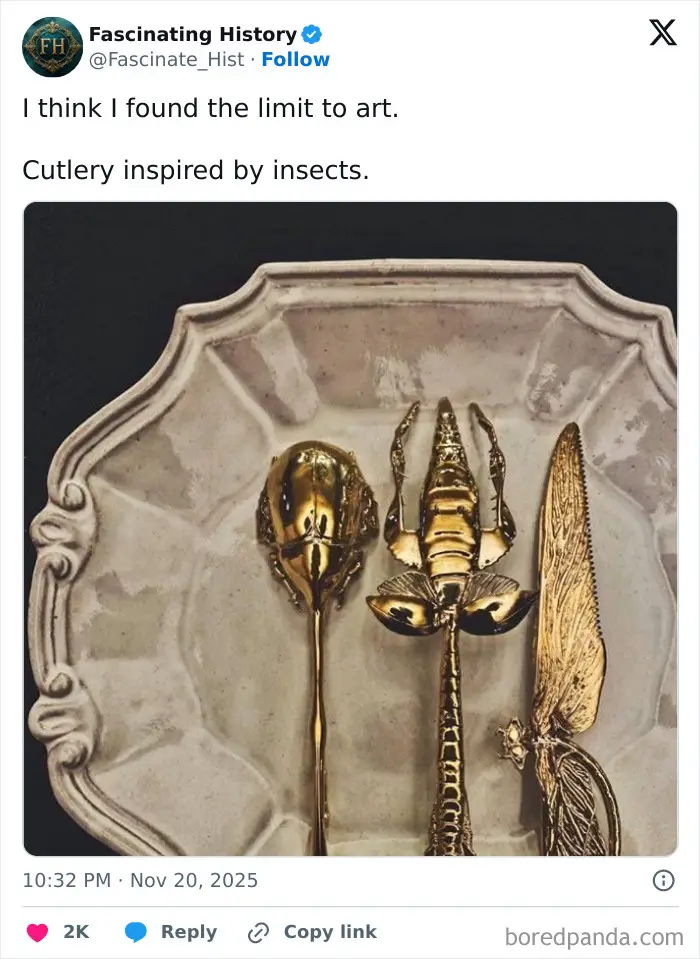
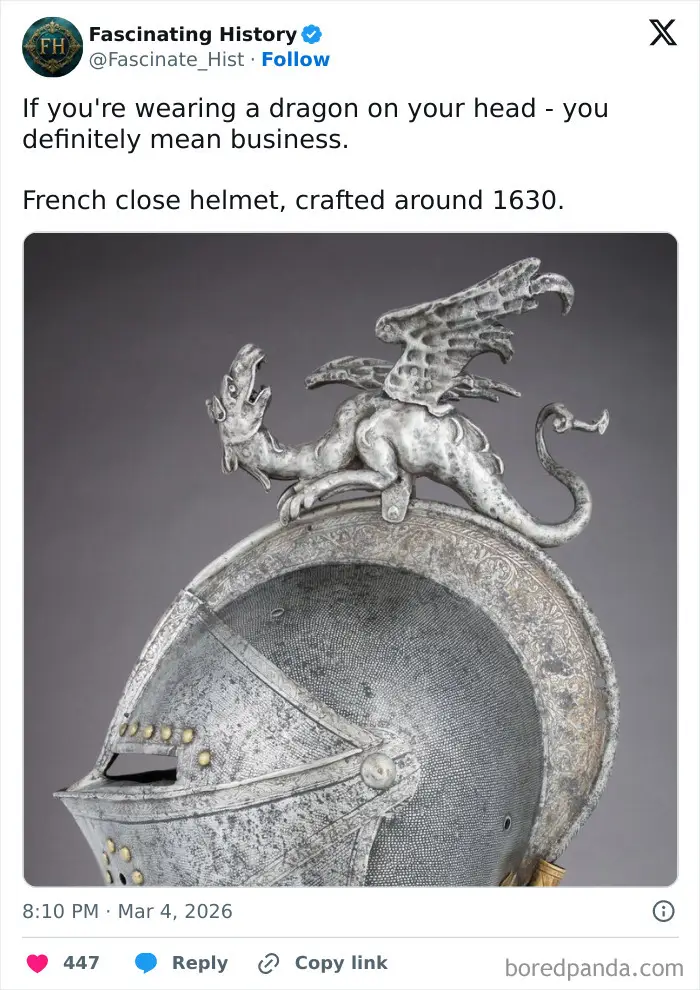
This transparency is deeply satisfying because it makes the world feel more understandable and less like it’s run by invisible algorithms. We aren't just looking at old stuff, we are looking at the evolution of human thought and problem-solving. It is a reminder that we are part of a long, messy, and incredibly creative lineage. By appreciating these mundane artifacts, we celebrate the small, everyday ways that people have tried to make life a little easier, one clunky, heavy, beautifully outdated invention at a time.