




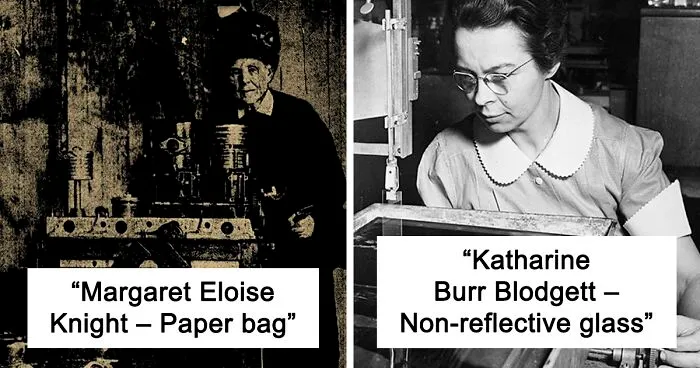


If you close your eyes and picture a scientist, chances are you're seeing a man. We can't blame you, though. The assumption that science and innovation is a "men-only club" is still going strong. And women's contributions to science? Often treated like mere extras in a testosterone-filled blockbuster. This unfortunate perception has persisted, even after Charles M. Vest, MIT's former president, publicly acknowledged the rampant gender discrimination within his own institution. At MIT, women had fewer resources, earned lower salaries, and their influence... Let's just say they didn't have a front-row seat at the scientific symposium.
But there's a whole universe of things invented by women that changed the world in profound ways. Women have not just been a part of the STEM narrative but are often the authors of some of its most transformative chapters. Still scratching your head and wondering, "What have women invented?" Here's a sneak peek.
Got lost in the middle of nowhere during a road trip? We have Dr. Gladys West to thank for her work on the development of GPS. How about the wonder-material Kevlar, five times stronger than steel, used in everything from bike tires to bulletproof vests? That's Stephanie Kwolek's brainchild. Not forgetting the ever-practical dishwasher, brought to you by Josephine Cochrane. Next time you feel grateful for everyday conveniences that make your life so much easier, don't just assume there's a "he" behind these famous inventions. There's a good chance it may be a woman who used her brains, creativity, and tenacity to find a concrete solution to a shared problem.
Here's to celebrating the work of these unsung (s)heroes: the innovative women who've propelled humanity forward, one patent at a time! Our list features some of the most famous women inventors of our past who contributed greatly to science and technology. Plus, we'll highlight today's most noteworthy women in STEM who, standing on the shoulders of their brilliant predecessors, are actively shaping the world of tomorrow.
#21 Margarita Salas Falgueras – Improved DNA Replication
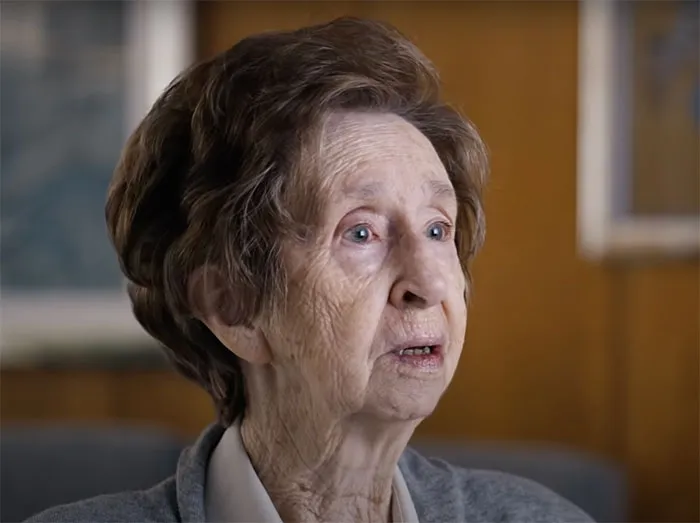
Spanish scientist Margarita Salas Falgueras, renowned for her research in molecular genetics, developed a more efficient, reliable, and simpler method to replicate trace amounts of DNA into quantities large enough for complete genomic testing. Her invention, utilizing phi29 DNA polymerase, is now widely employed in oncology, forensics, and archaeology.
116points
#22 Claude Grison – Metal-Eating Plants
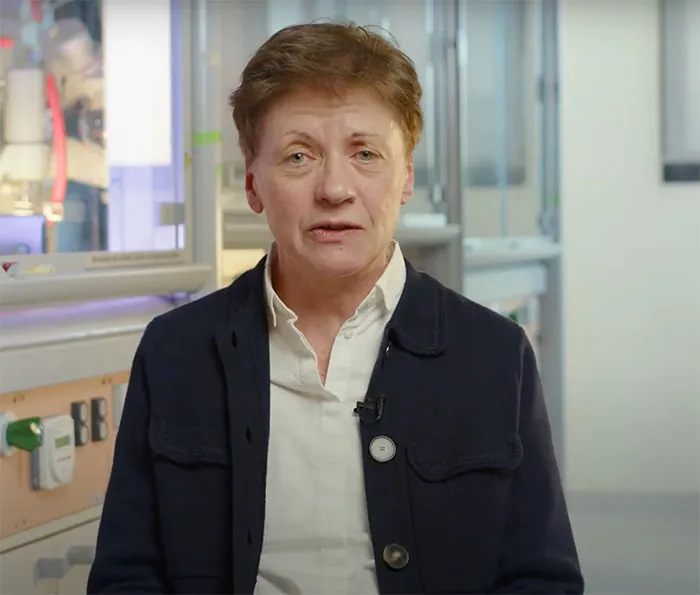
Claude Grison, a French chemist, developed a process that uses plants to decontaminate soil polluted with heavy metals. The extracted metals are then utilized as "ecocatalysts" to produce new molecules for use in the chemical, pharmaceutical, and cosmetics industries.
115points
#23 Christine Van Broeckhoven – Contribution To Understanding Neurodegenerative Brain Diseases
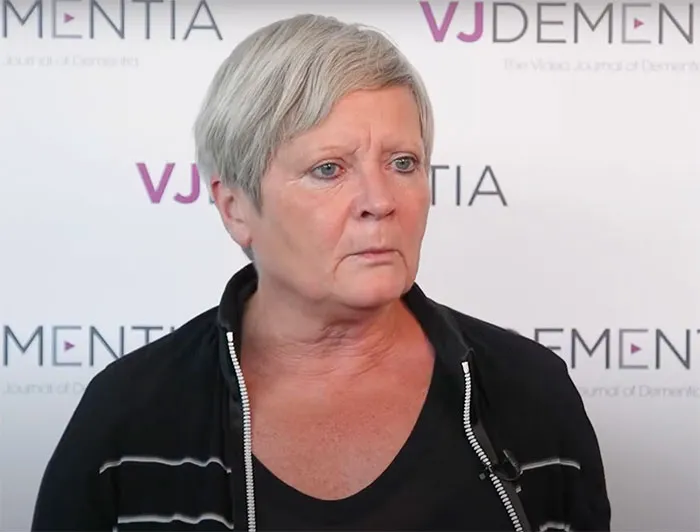
Belgian biologist Christine Van Broeckhoven's groundbreaking work has advanced our understanding of neurodegenerative brain diseases, including Alzheimer's, Parkinson's, and bipolar disorder. Throughout her research, she has acquired several patents on various genes and protein products, thus forging a path toward effective treatments for these diseases.
Report
113points
#24 Anna Stork And Andrea Sreshta – Luminaid Solar Light
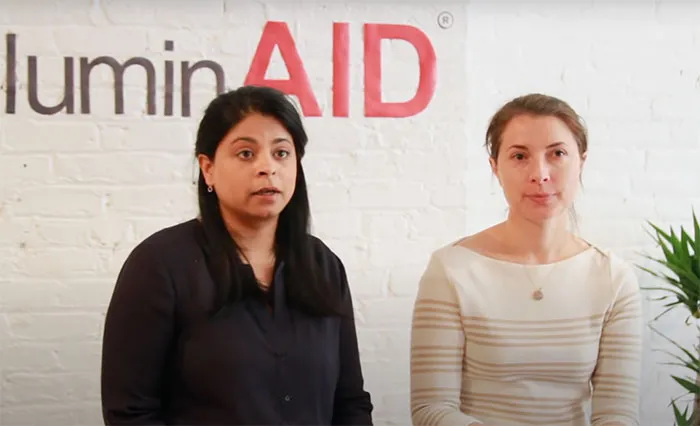
In the wake of the catastrophic 2010 earthquake in Haiti, Columbia University graduate students Anna Stork and Andrea Sreshta were tasked with a disaster relief project. From a conversation with a relief worker, they identified a critical but often overlooked need in post-disaster scenarios: light. The duo designed an inflatable, waterproof, solar-powered light that can be flattened for packing, charged in 6 hours to provide 16 hours of illumination, and is equipped with a handle for easy portability.
Report
108points
#25 Mary Anderson – Windshield Wiper
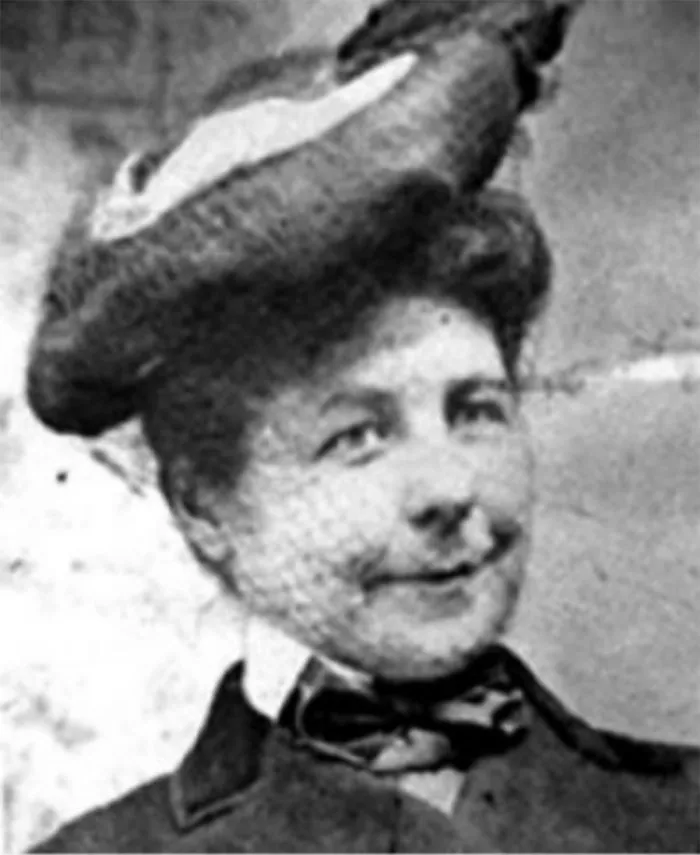
During a visit to New York City in 1902, Mary Anderson observed the danger of driving in bad weather conditions. This motivated her to devise a mechanism — a lever inside the vehicle controlling a rubber blade on the windshield — designed to enhance visibility. Despite initial difficulties in marketing her invention, the windshield wiper eventually became standard equipment on Cadillac vehicles in 1922.
107points
#26 Nancy Johnson – Ice Cream Maker
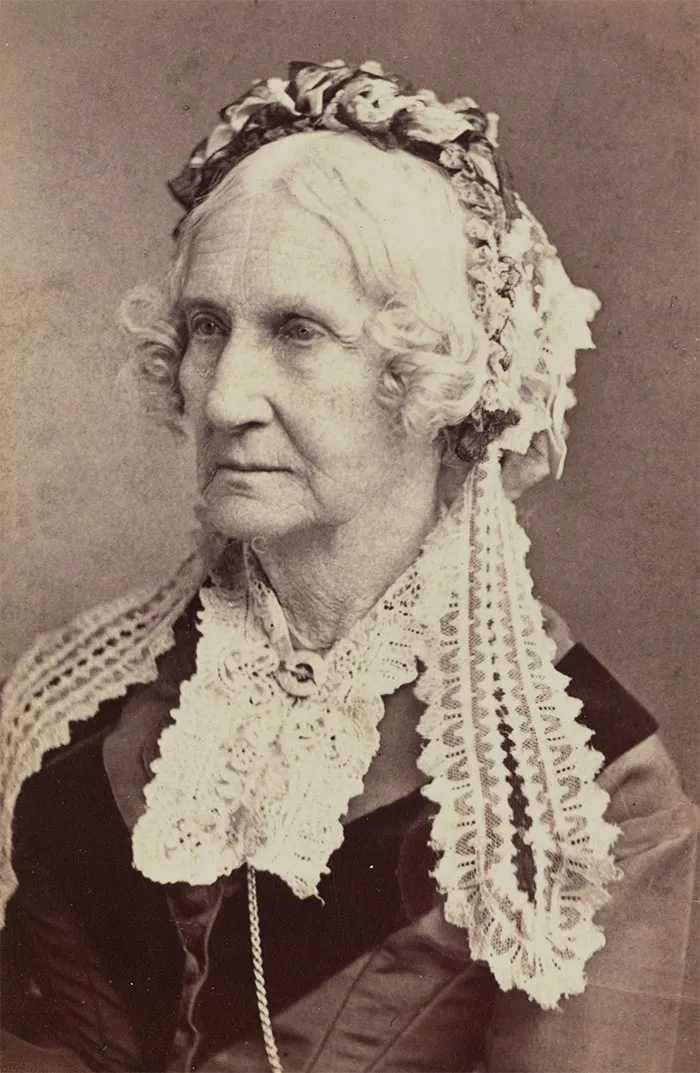
Nancy Johnson forever altered our summers in 1843 when she earned a patent for a hand-operated ice cream maker — an innovation still utilized today. With her device, she turned sweltering hot days into opportunities for delicious, cooling relief.
102points
#27 Esther Sans Takeuchi – Batteries For Cardiac Defibrillators
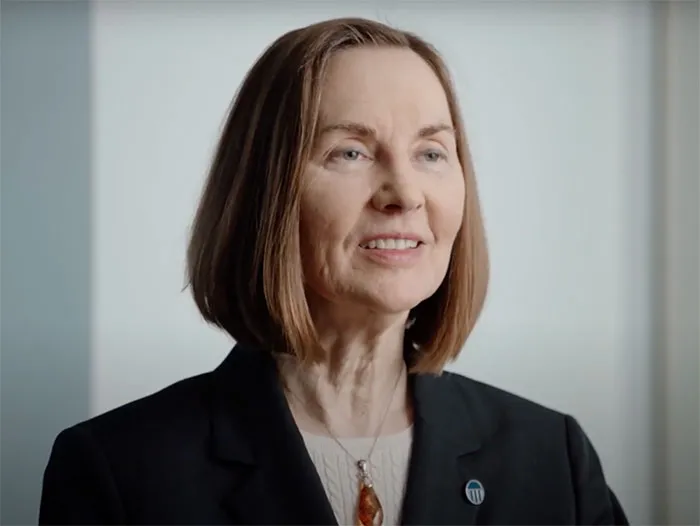
Esther Sans Takeuchi is the inventor behind the compact batteries that power the majority of implantable cardiac defibrillators (ICDs). Her battery, which significantly benefits millions of heart patients globally, is just one of her 150 patented inventions.
102points
#28 Ann Lambrechts – Mixing Steel Wire Elements Into Concrete
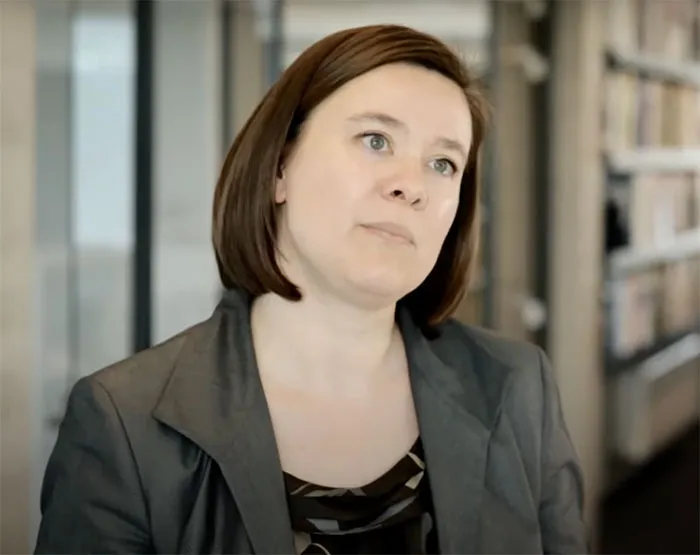
Belgian inventor Ann Lambrechts invented a method of mixing steel wire elements into concrete, which improved structures' stability, reduced building costs, and created new architectural possibilities. Steel fiber concrete was employed to construct significant projects, like the Gotthard Base Tunnel.
102points
#29 Elena García Armada – Robotic Exoskeleton
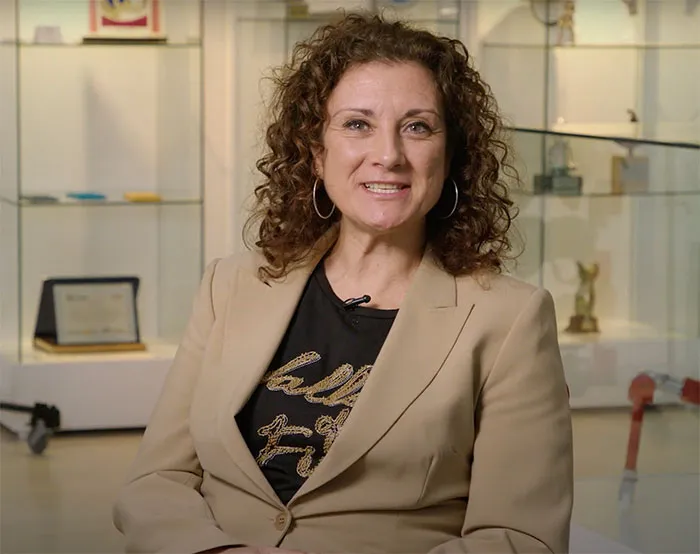
Spanish roboticist Elena García Armada developed a flexible robotic exoskeleton tailored for children who use wheelchairs. This exoskeleton allows children to walk during muscle rehabilitation, improving their quality of life and potentially extending the life expectancy of those afflicted with degenerative neuromuscular diseases.
101points
#30 Josephine Cochrane – Dishwasher
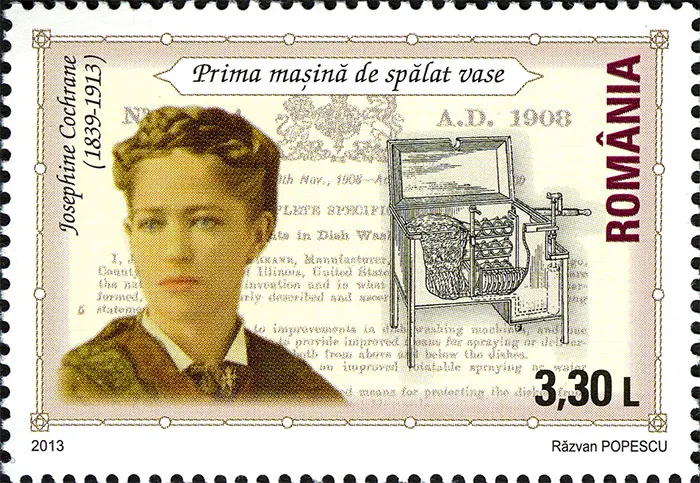
Josephine Cochrane's invention, the mechanical dishwasher, transformed household chores forever. The device used pressurized water to clean dishes held in a rack and was initially marketed to hotels before becoming a standard home appliance.
Report
99points
#31 Maria Telkes – First 100% Solar-Powered House
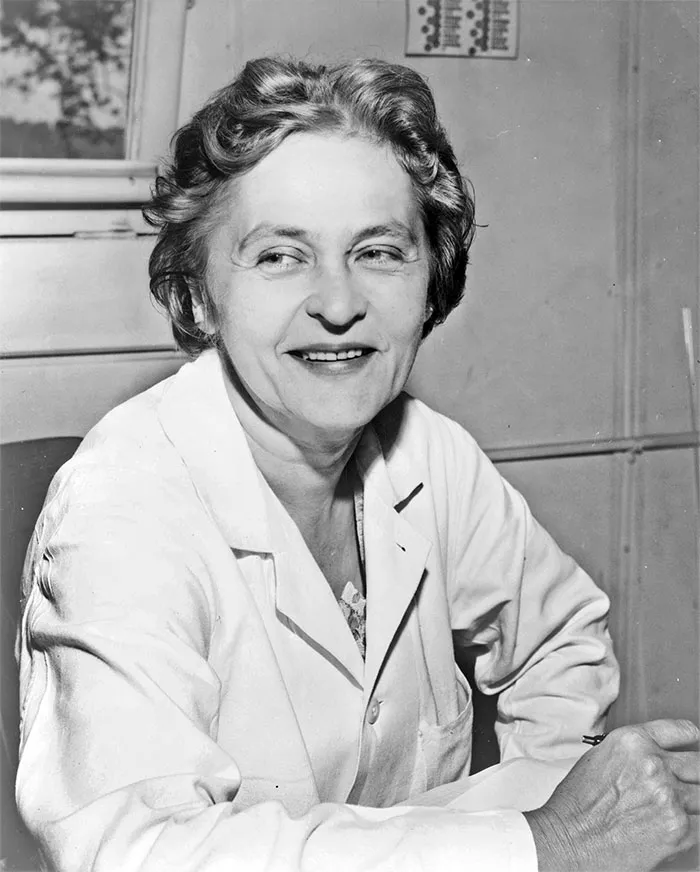
Maria Telkes, a visionary Hungarian scientist, introduced the world's first thermoelectric power generator in 1947. Harnessing this groundbreaking technology and the principles of semiconductor thermoelectricity, she engineered the pioneering solar heating system for the Dover Sun House and designed the first thermoelectric refrigerator in 1953, securing more than 20 patents throughout her career.
92points
#32 Madiha Derouazi, Elodie Belnoue And Their Team – Therapeutic Cancer Vaccines
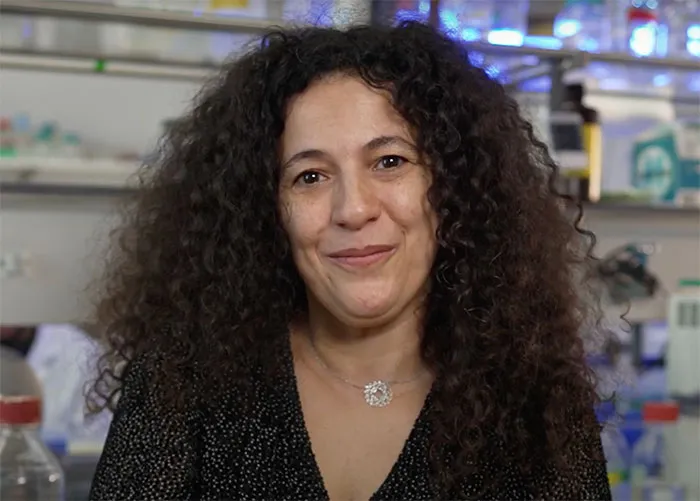
Madiha Derouazi and Elodie Belnoue, along with their team, have developed a platform for creating therapeutic cancer vaccines to aid the immune system in identifying and eradicating cancer cells in the body.
91points
#33 Ann Tsukamoto – Stem Cell Isolation
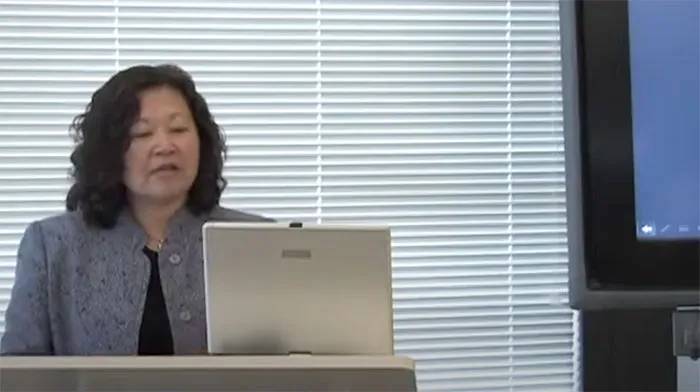
Ann Tsukamoto and her team reshaped the landscape of medical science in 1991 when they found out how to identify and isolate stem cells. Their groundbreaking findings have enabled life-saving medical procedures like bone marrow transplants for blood cancer patients.
89points
#34 Maria Beasley – Life Raft
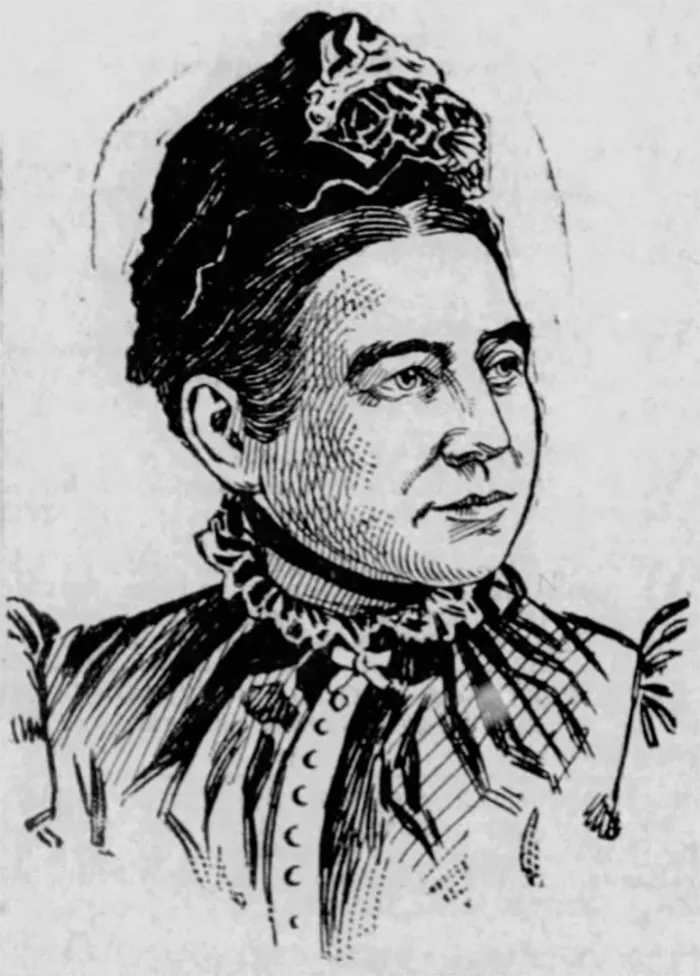
Maria Beasley significantly improved existing life raft designs, creating a version that has since saved countless lives. Her life-saving innovation played a critical role in the survival of 706 people during the tragic sinking of the Titanic in 1912.
86points
#35 Florence Nightingale – Modern Nursing
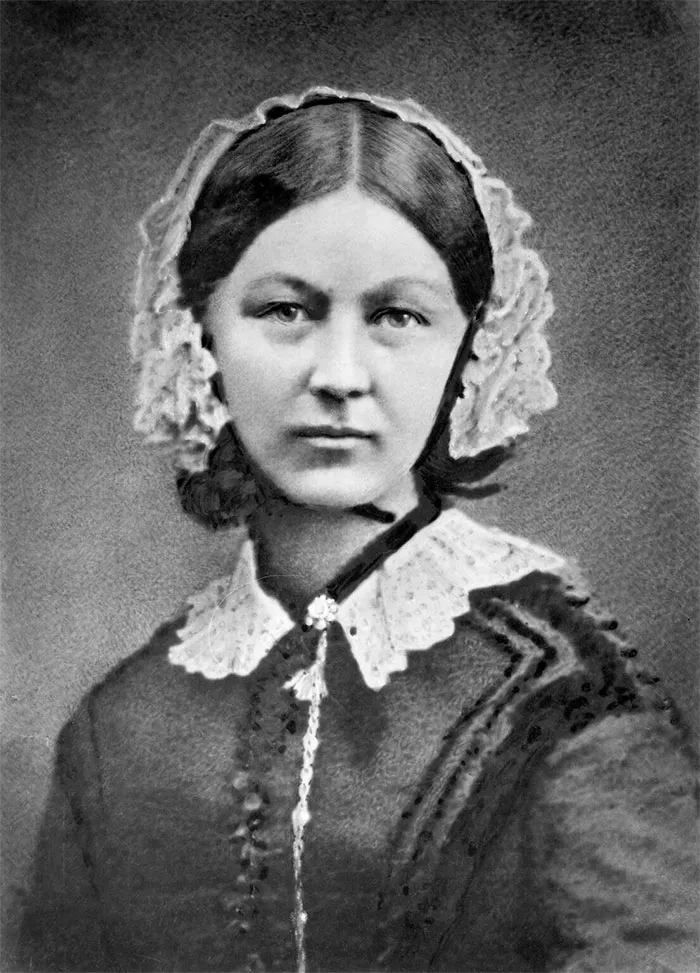
Florence Nightingale, although not an academic, was revolutionary in her time for her significant contributions to the development of modern nursing. Among her achievements are the creation of the first school for nurses, her advocacy for better hygiene standards and public health, and her patient-centered approach. She also wrote "Notes on Nursing," one of the very first books for nursing, still considered a cornerstone of this profession. International Nurses Day is celebrated on her birthday (May 12th) every year.
Report
83points
#36 Agnès Poulbot – Auto-Regenerating Tire Tread
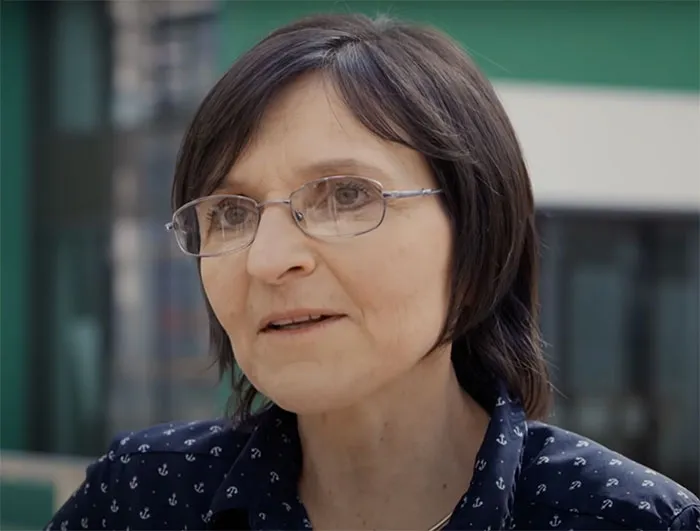
Agnès Poulbot and co-inventor Jacques Barraud designed an "auto-regenerating" tire tread that enhances tire durability and performance, significantly reducing fuel consumption and CO2 emissions from vehicles equipped with them.
80points
#37 Ursula Keller – Ultrafast Lasers
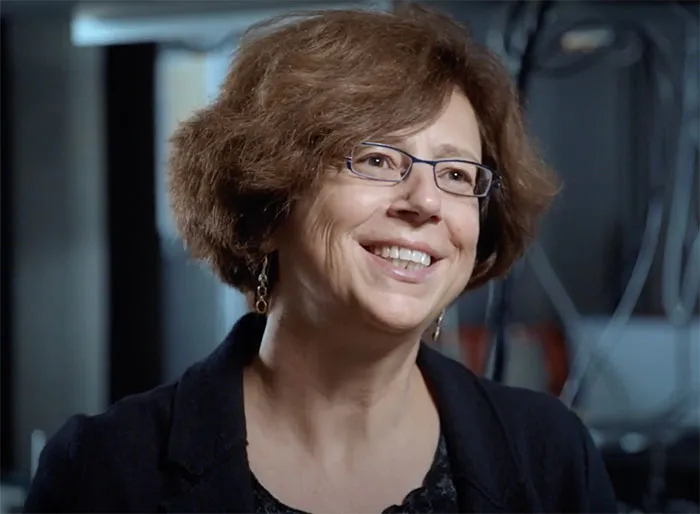
Swiss physicist Ursula Keller pioneered the technology for commercial ultrafast lasers used in a wide array of manufacturing and medical applications. Over a 30-year career, Keller has relentlessly progressed laser science, delivering more compact, efficient, and powerful designs crucial to fields spanning from scientific research to telecommunications and consumer electronics.
80points
#38 Elizabeth "Lizzie" Magie – Monopoly
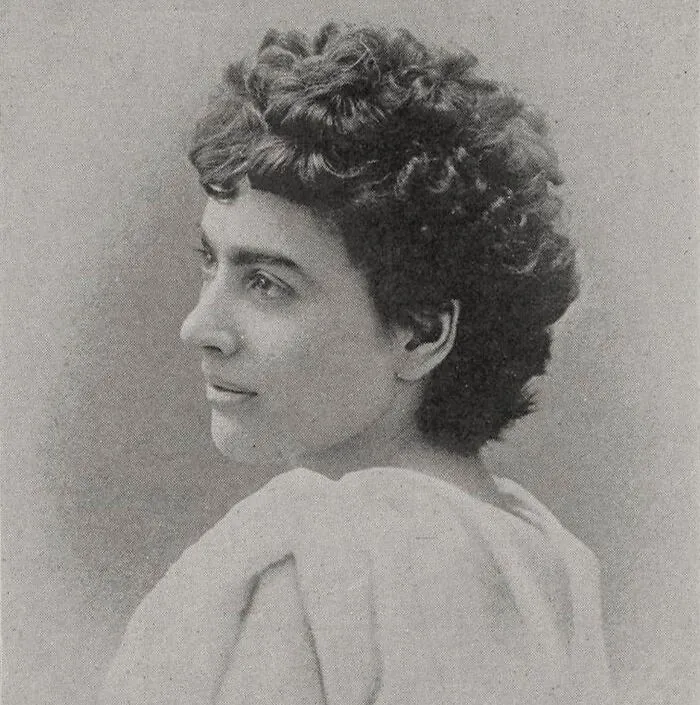
Elizabeth Magie crafted The Landlord's Game in 1904. This innovative board game served as a critique of unchecked capitalism and was the first version of the iconic Monopoly. However, Charles Darrow claimed her game as his own and sold it to Parker Brothers in 1935. Eventually, the company tracked down Magie, but only offered her $500 for her groundbreaking invention. In 2019, Hasbro (the company that now owns the game) received criticism for releasing Ms. Monopoly, a supposedly feminist version of the game that still doesn't recognize the woman behind the original concept.
79points
#39 Sumita Mitra – Nanomaterial-Based Dental Filler

Indian American chemical engineer Sumita Mitra developed a nanomaterial-based dental filler offering superior strength, wear resistance, and aesthetic appeal. As the first to apply nanotechnology to create fillings, her invention has revolutionized dentistry. Today, dental products based on her design have been employed in billions of procedures globally.
78points
#40 Jane Ní Dhulchaointigh – Moldable Glue
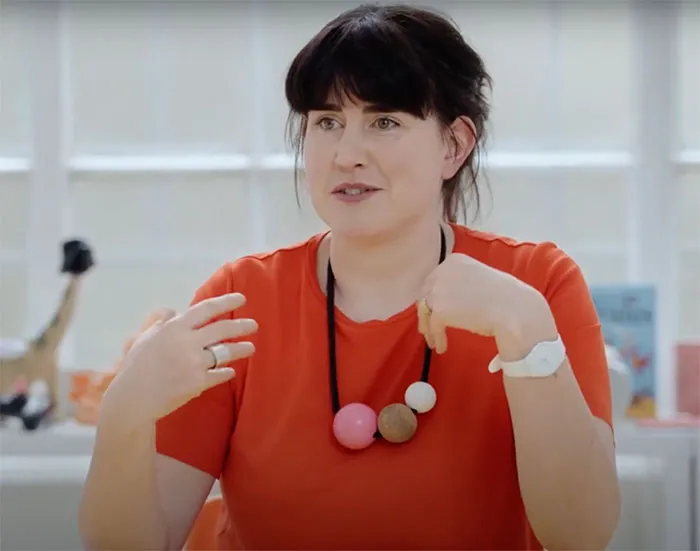
Irish inventor Jane Ní Dhulchaointigh and her team developed Sugru, the world's first moldable glue. Named after the Irish term for "play," it combines the adhesive power of super glue with the flexibility of rubber, enabling users to repair, enhance, and personalize objects — promoting a culture of "repair over discard."
78points


