




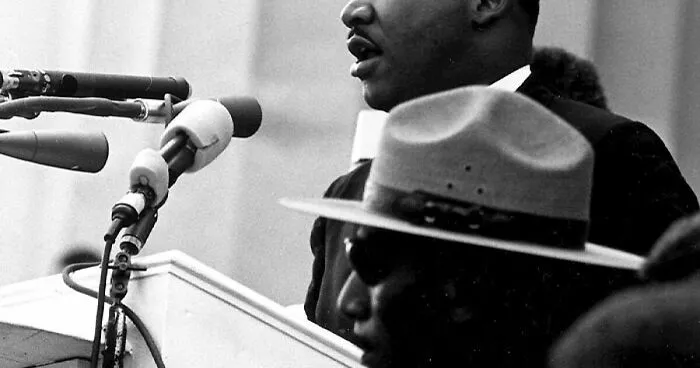


When it comes to famous speeches, they usually come from charismatic and well-known figures in our history. Unlike some words written on paper, speeches are told to an audience, thus being remembered more widely. This statement is backed by the fact that many famous speeches in history are as important as the day they were told for the first time
Usually, an important and famous speech looks at a social or political problem. First, social issues are probably the ones that politicians and people talk about the most. One of the more well-known speeches that focused on a social issue came from Martin Luther King Jr., one of the prominent figures of the civil rights period in the United States. His inspirational speech, known today as “I Have A Dream,” touched upon the idea that all Americans, no matter the color of their skin, should be judged by the content of their character. However, on the political side, there are also the political ones. These strive to unite listeners and push them towards a single goal. One of the great speeches from Franklin D. Roosevelt came on his first day as president. His first inaugural address highlighted the horrors of the Great Depression and how the United States of America could solve economic problems.
When it comes to the most famous speeches, there isn’t a lot to choose from. To help you practice your oratory skills, we have compiled some of the more known speeches in the list below. If you have heard about the speech before, upvote it. On the other hand, if you have anything to share about the speech, you can speak freely in the comments below.
#21 John F. Kennedy - Inaugural Address
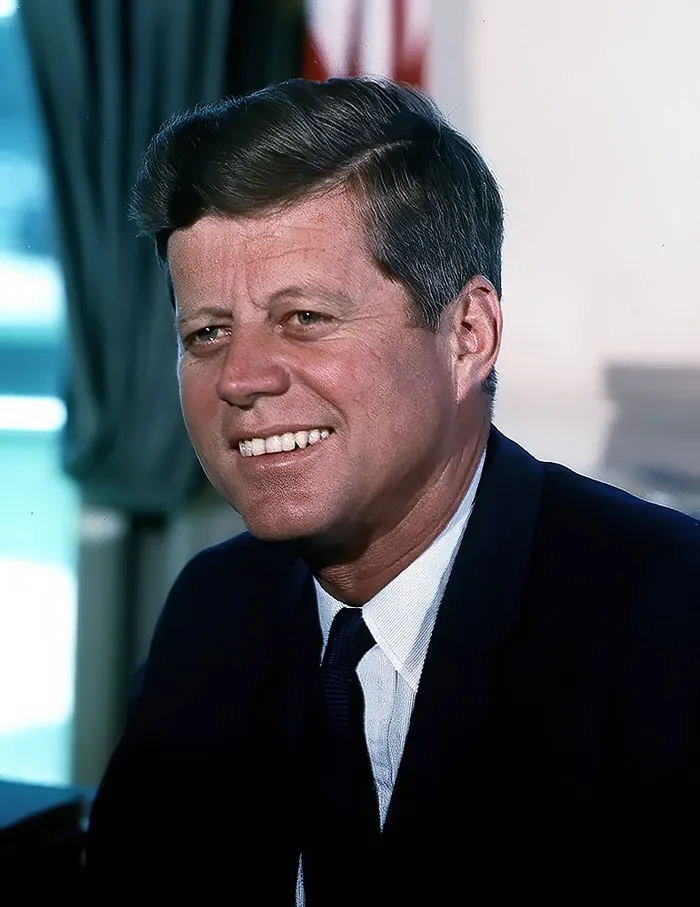
The majority of President John F. Kennedy’s inauguration speech, delivered on January 20, 1961, was well-written and profound. In the speech, he made a direct call to Americans throughout the country to stand up for their country in words that were equally full of promise and grim warnings.
Report
9points
#22 Franklin Delano Roosevelt - "First Inaugural Address"
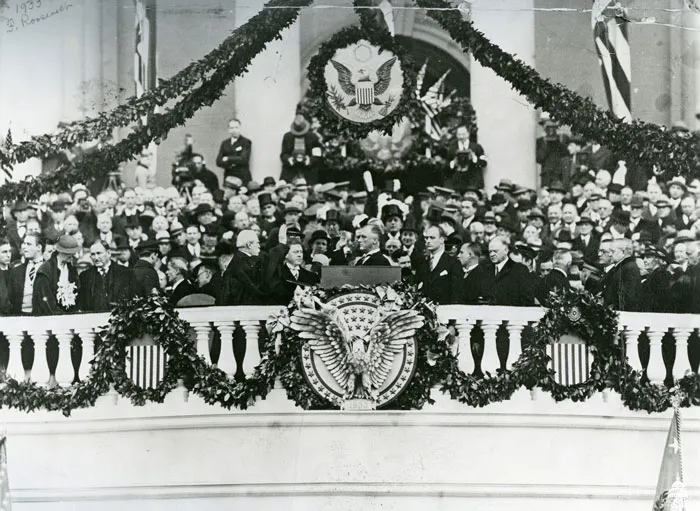
The notion of change was strong enough to propel FDR’s campaign to victory. In his first inaugural address, Roosevelt aimed to boost the nation’s battered morale and made the case for why he would require extensive executive authority to combat the Great Depression. This one rivals the more famous “Infamy” speech.
Report
9points
#23 Patrick Henry - "Give Me Liberty Or Give Me Death!"
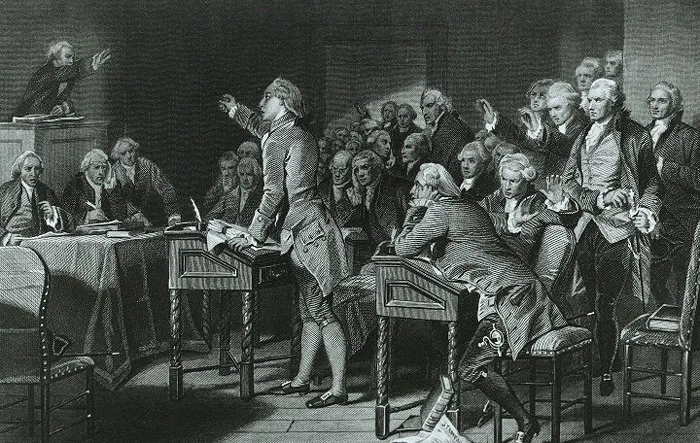
The American colonists planted the seeds of revolution even before the first shots got fired in Lexington. Patrick Henry was one of these early revolutionists, who, during the Second Virginia Convention, said one of the most legendary lines at the end of his speech that echoed throughout the colonies.
9points
#24 Michelle Obama - “When They Go Low, We Go High”
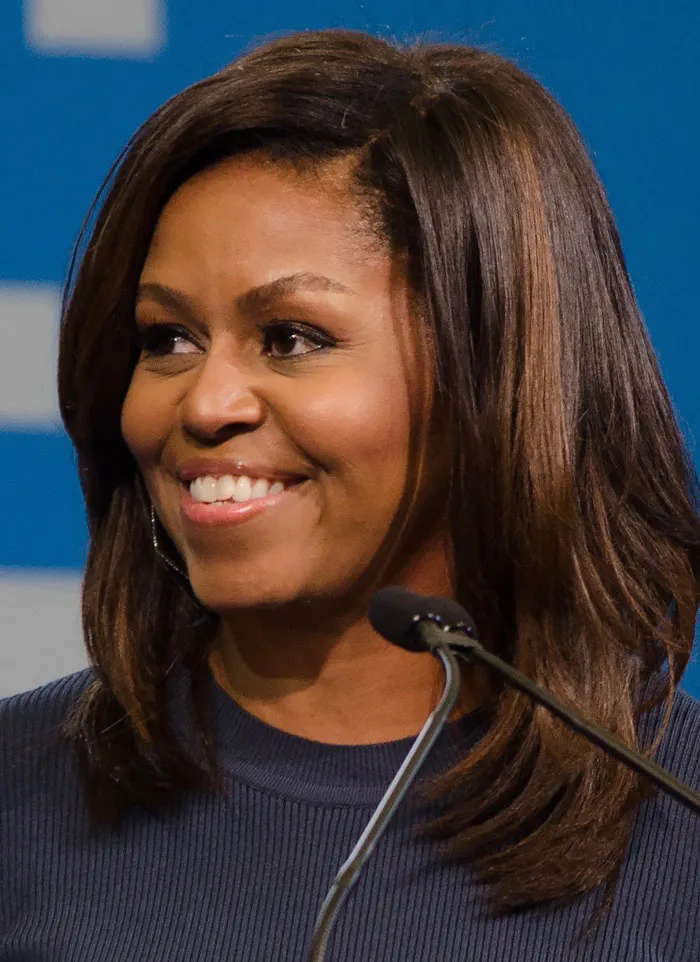
Michelle Obama was not only the first lady when Barack Obama was the president, but she was also a brilliant speaker. In 2016, during the Democratic National Convention, she spoke to the younger populace of the United States by talking about the importance of staying true to your values and standing tall when someone tries to think lower of you.
Report
9points
#25 Mahatma Gandhi - "Quit India"
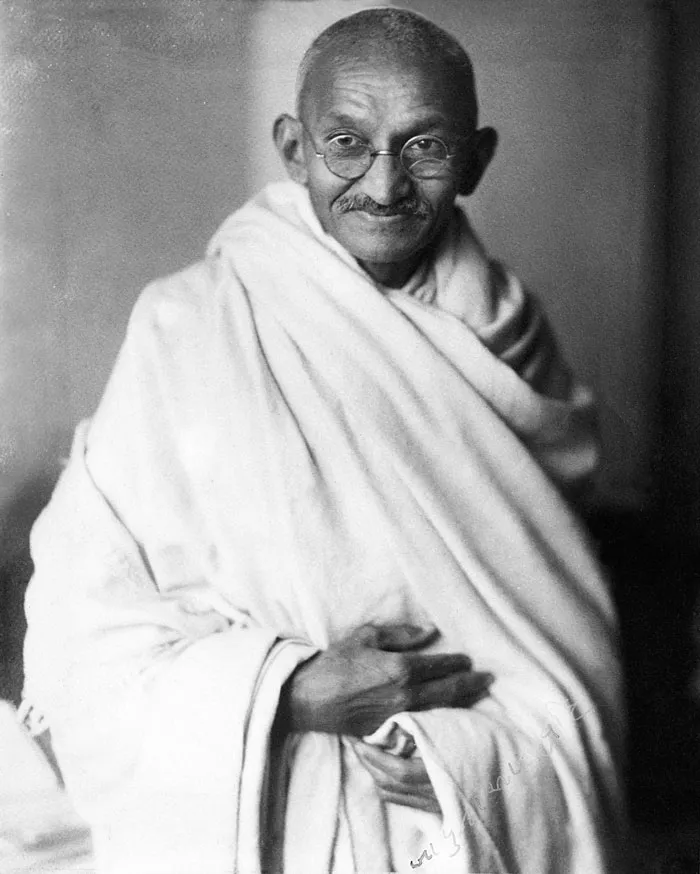
The National Indian Congress and Mahatma Gandhi supported the non-violent struggle to compel Britain to “Quit India.” On August 8, 1942, Gandhi gave a speech that urged for the independence of India and the end of the British colonial era overall. While his words might have reached other Indians, the British reacted by jailing him.
Report
8points
#26 William Faulkner - "Nobel Prize Acceptance Speech"
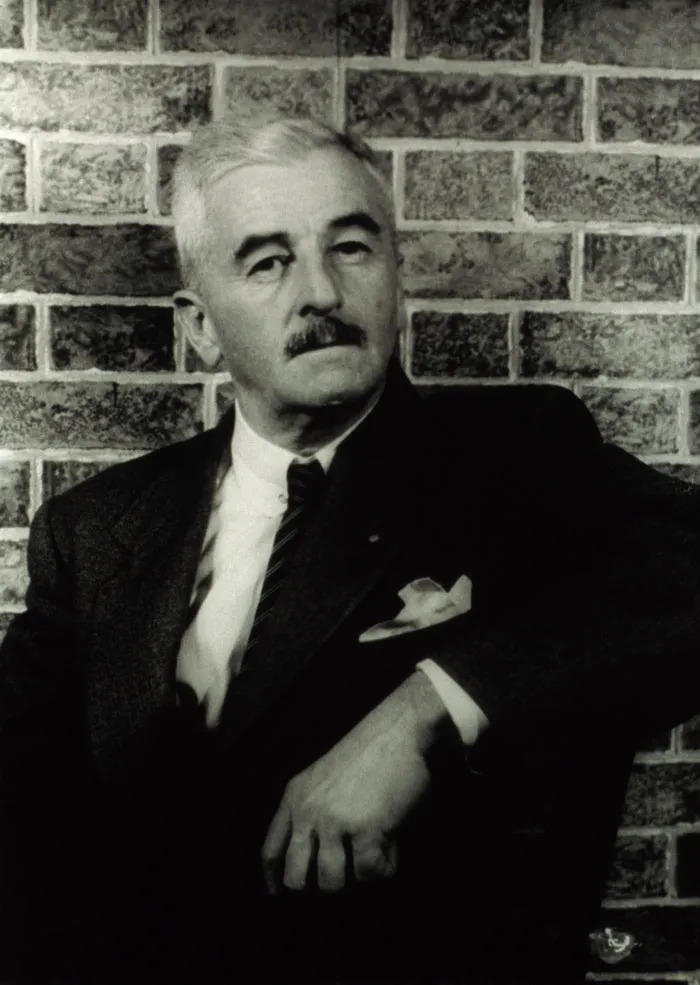
The Cold War was a period that brought anxiety to the everyday person and creativity to the authors and poets of both sides of the Iron Curtain, and William Faulkner was one of them. In 1950, during his Nobel Prize acceptance, Faulkner gave a speech that challenged writers to write about the human heart instead of the present nuclear problem.
Report
8points
#27 Dwight D. Eisenhower - "Farewell Address"
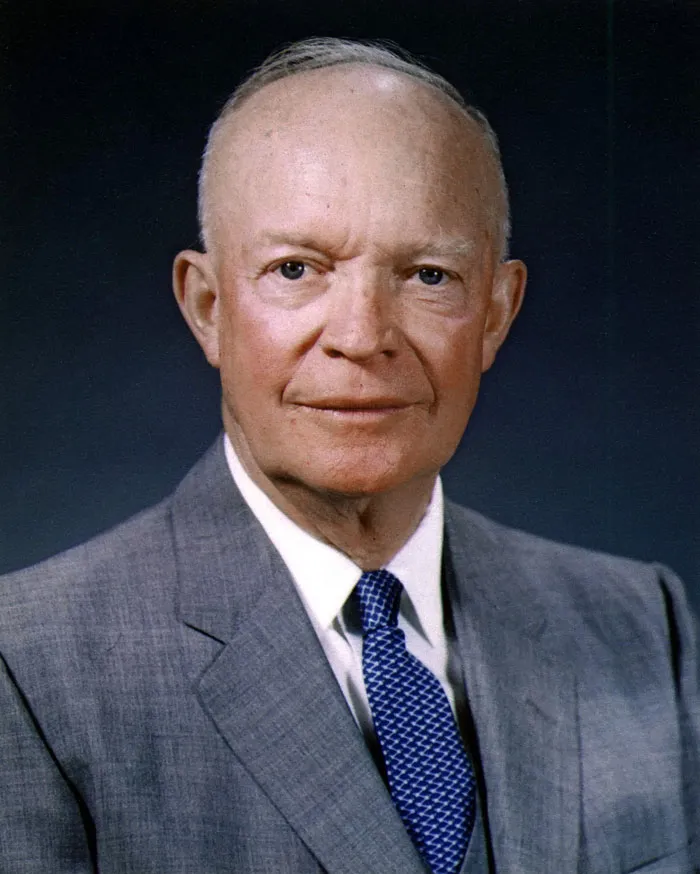
After his second term as the president ended, Dwight D. Eisenhower gave his farewell address, touching upon the dangers the military-industrial complex could bring to uneducated citizens. He warned of the threat military spending could have on the economy of the United States and the corruption that comes from it.
Report
8points
#28 Theodore Roosevelt - "The Man With The Muck-Rake"
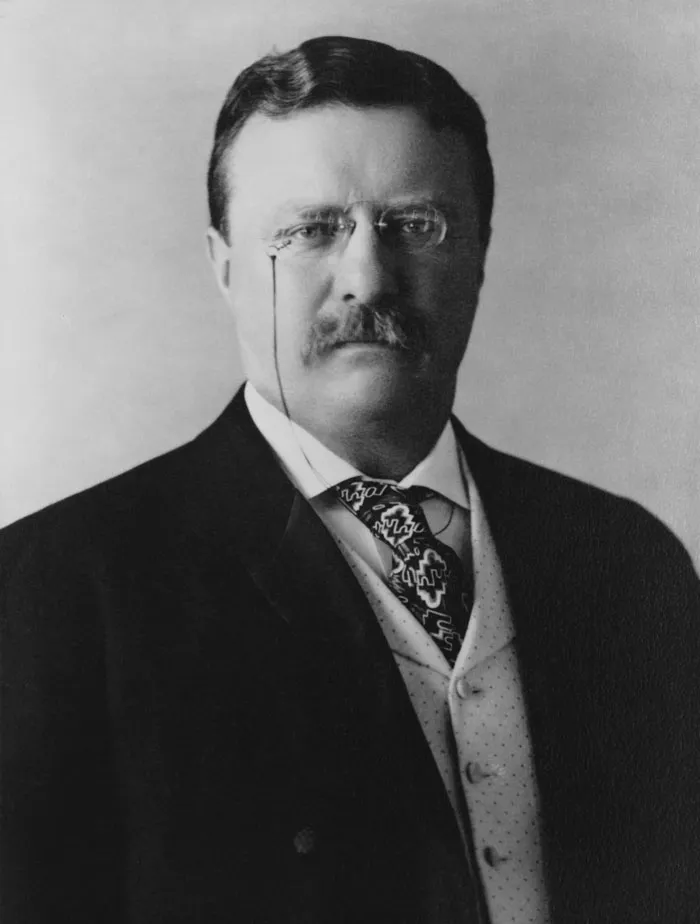
Theodore Roosevelt advocated for moderation rather than radicalism, in addition to speaking about some progressive ideas too. In this speech, he talked about the importance of distinguishing the good from the bad, the actions that businesses were taking to prevent regulations, and the importance of highly valued character.
7points
#29 Socrates - "Apology"
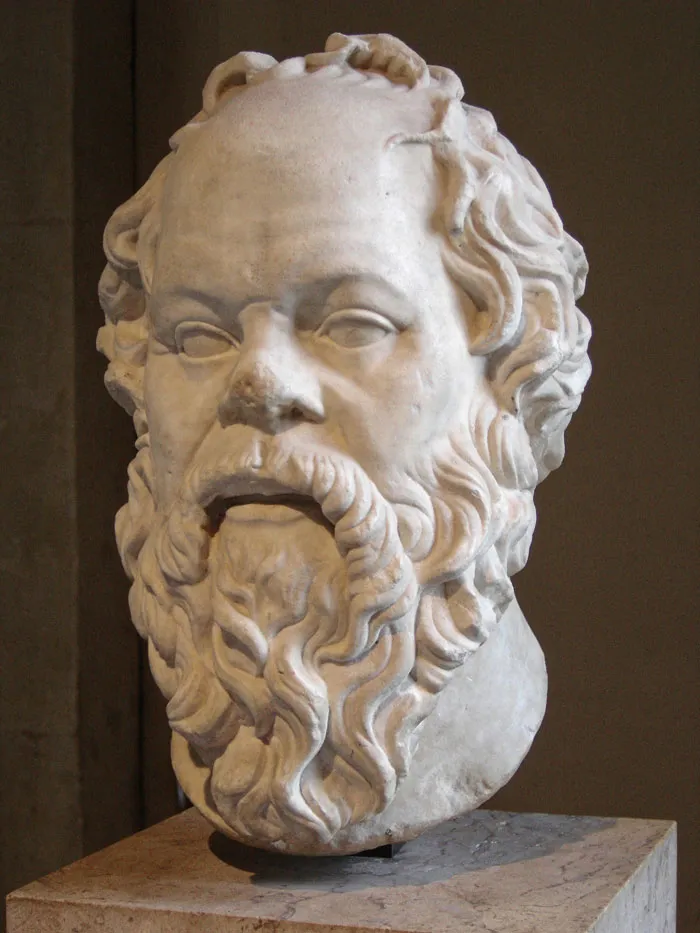
Socrates was an Athenian philosopher who encouraged younger Greeks to think and question everything about authority. Sadly, he got arrested by the Athenians on some serious charges. The “Apology” serves as Socrates’ response to these accusations. Socrates accepted his faith and passed away as one of the best philosophers.
Report
7points
#30 Huey P. Long - "Every Man A King"
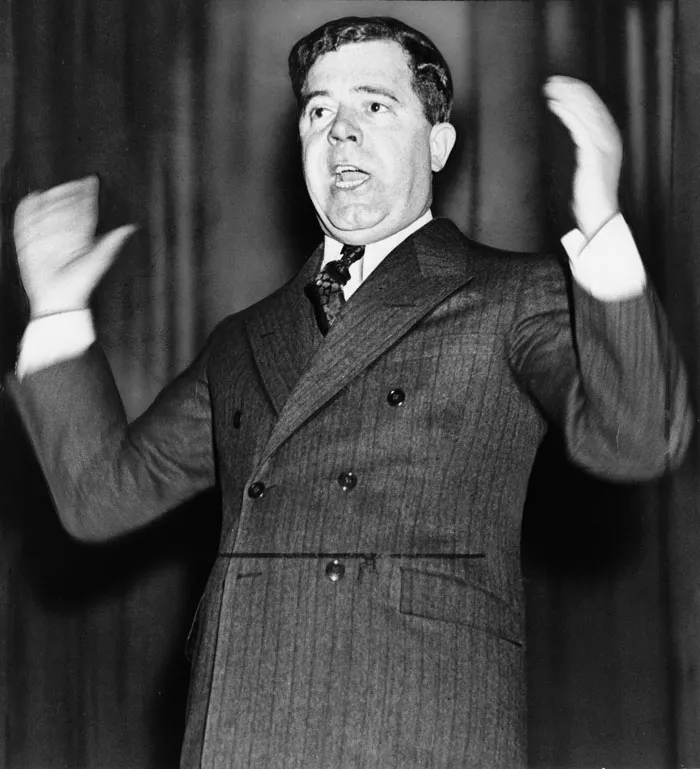
Some speeches are more negative than others, yet are still quoted even by those who aren’t keen to agree with the ideas presented. The “Every Man A King” speech by Huey P. Long is the perfect example. In his speech, Long talks about the sharing of wealth and the problems that rich people create in the United States.
Report
7points
#31 Mary Fisher - "A Whisper Of Aids"
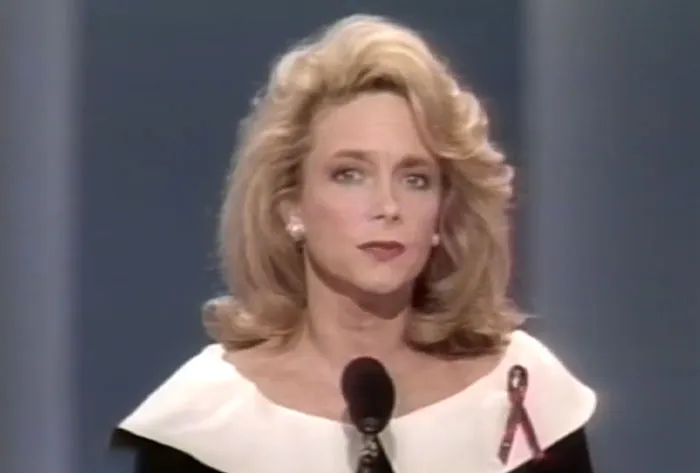
Mary Fisher spoke at the 1992 Republican National Convention in Houston, Texas, after receiving her HIV diagnosis. Thirty years later, her speech from that evening is still fondly recalled and gets cited as a superb example of advocate persuasion in numerous rhetorical works.
Report
7points
#32 Ronald Reagan - "Address To The Nation On The Challenger Tragedy "
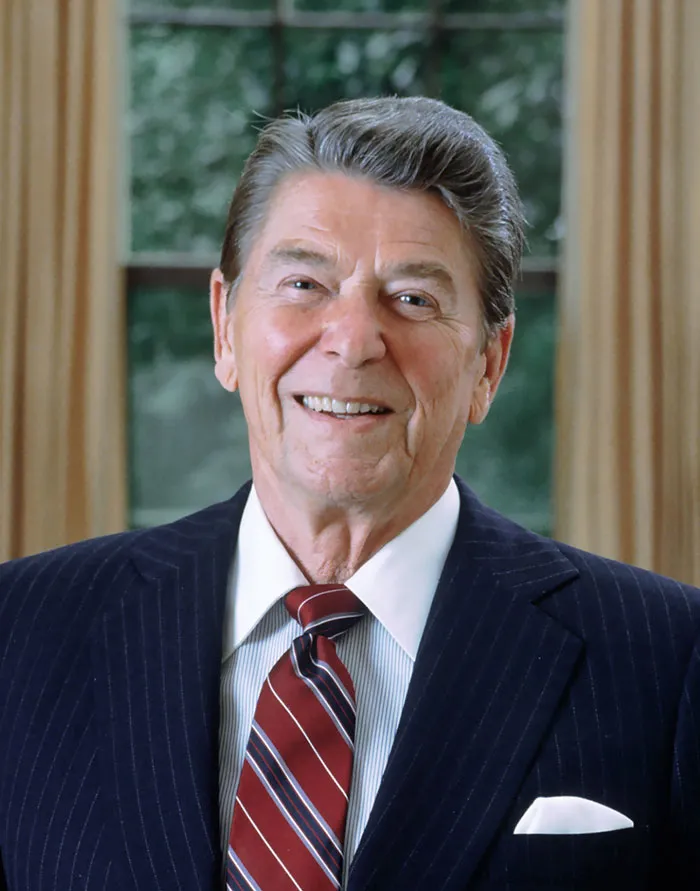
Millions of Americans watched as seven Americans launched the space shuttle Challenger on January 28, 1986. The spacecraft was engulfed in a blaze 73 seconds later. A few hours after the catastrophe, President Ronald Reagan went on the radio and the airways to pay tribute to these “pioneers” and reassure a shaken populace.
Report
6points
#33 Alexander The Great - Speech From The Campaigns Of Alexander
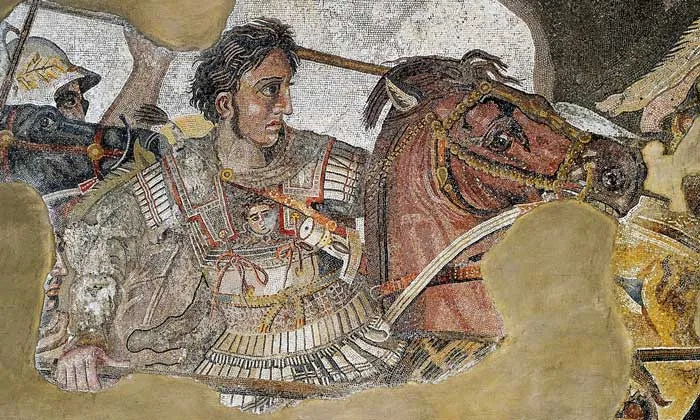
Alexander the Great launched his long campaign to extend his kingdom and empire in 335 B.C. In 326 B.C., Alexander utilized his gift for oratory, which he had honed while studying under Aristotle, to give his warriors the inspiration they required to go on to battle and to win after ten years of warfare and being away from home.
Report
6points
#34 Rami Malek - Diversity And Inclusion Speech At The Oscars
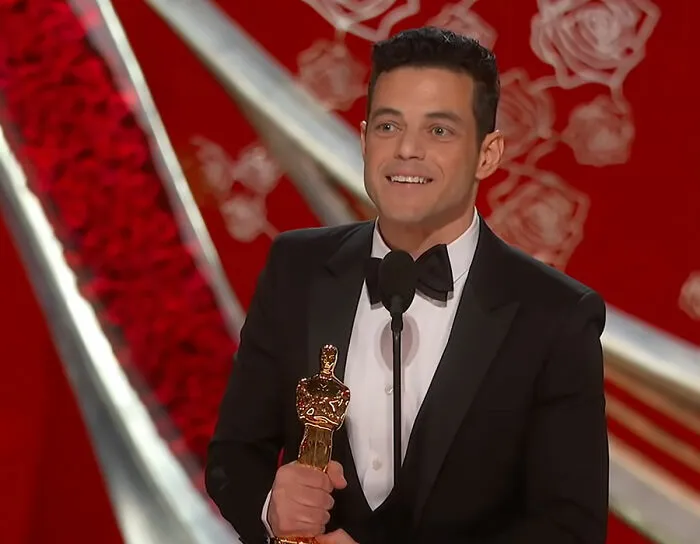
An Oscar win presents quite a unique opportunity, as the winner gets a moment to speak to the celebrities and viewers of the ceremony. Rami Malek, an actor from an Egyptian household, used this opportunity to talk about diversity and inclusion in professional industries and the struggles that immigrants might face.
Report
6points
#35 Charles De Gaulle - "The Appeal Of 18 June"
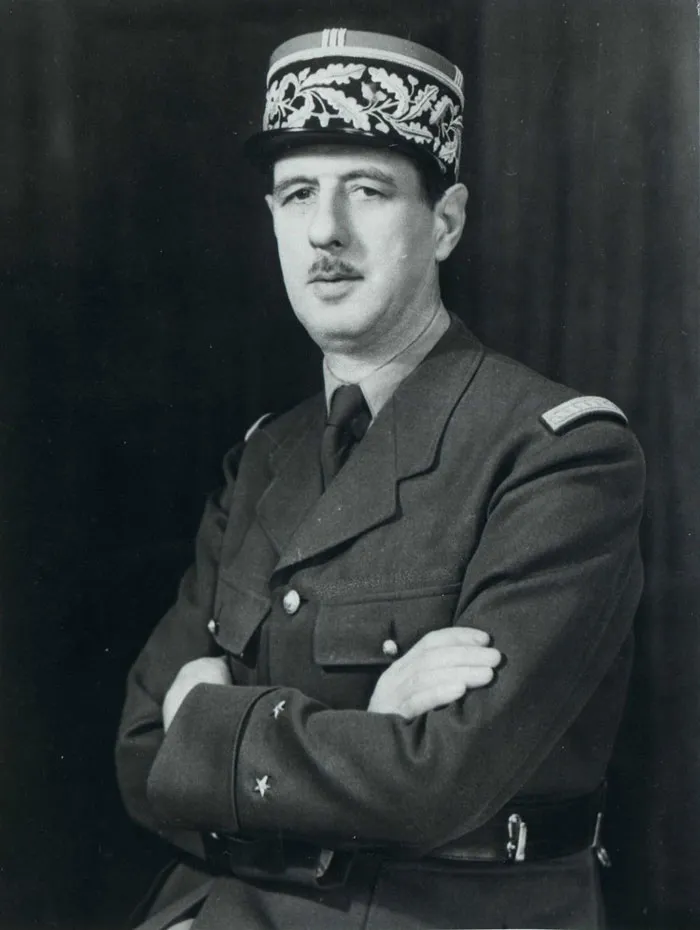
Charles De Gaulle led an armored division when the German war machine attacked France and quickly occupied it. He fled from the occupied areas into England, where, on June 18, 1940, he appealed to the French people and helped spark the fire of the resistance against the German occupation.
5points
#36 Marcus Tullius Cicero - "The First Oration Against Catiline"
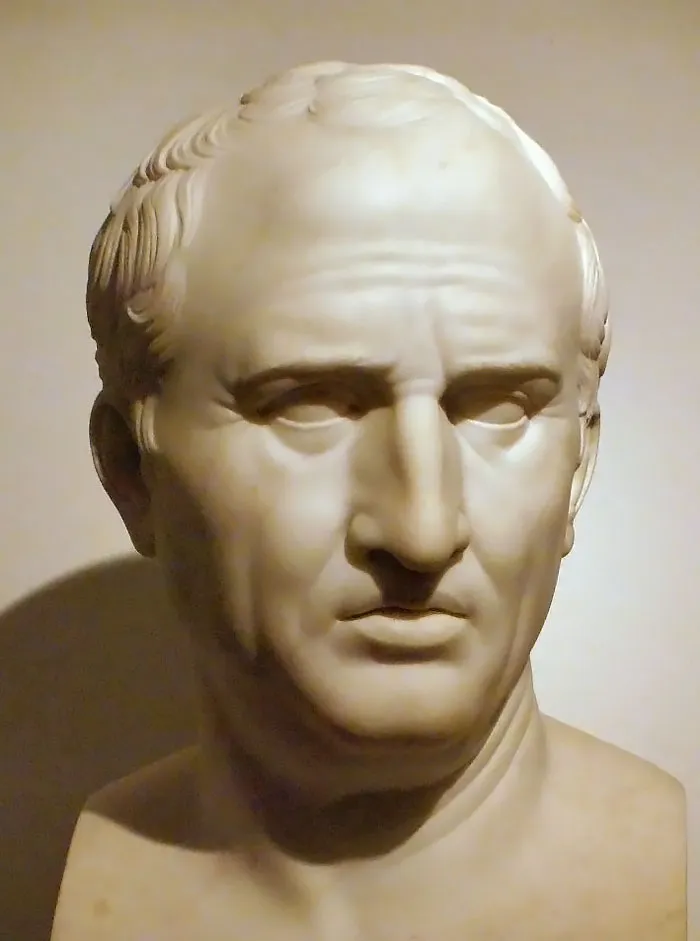
Some speeches get told to hurt an enemy. Cicero started his Catiline Orations with his archenemy present. In terms of political speeches, it was brief, about 3,400 words, and straight to the point. In the speech, he told how he rescued Rome from rebellion and said that Catiline and his allies should be dealt with quickly.
5points
#37 Pericles - "Funeral Oration"
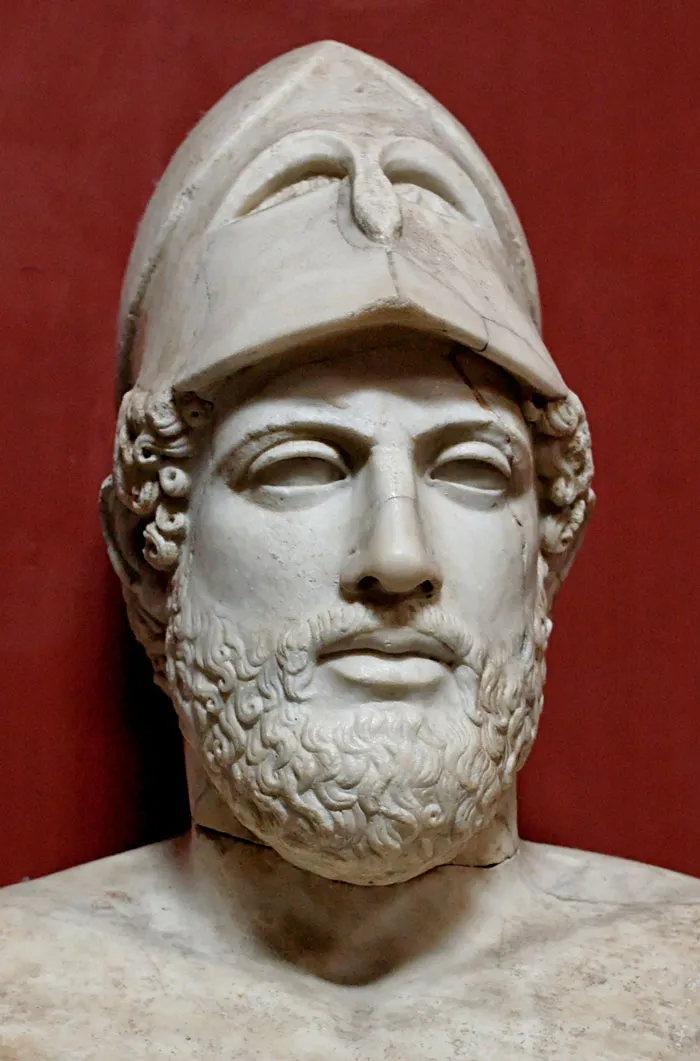
In 431 B.C., Pericles delivered the customary funeral oration that was dedicated to the deceased Athenians. As he spoke to the Athenians, Pericles highlighted the importance of the sacrifice the fallen soldiers had paid for with their blood. Along with praising the fallen heroes, Pericles talked about the greatness of Athens and the Greeks.
Report
5points
#38 Hillary Clinton - Remarks To The U.N. 4th World Conference On Women Plenary Session
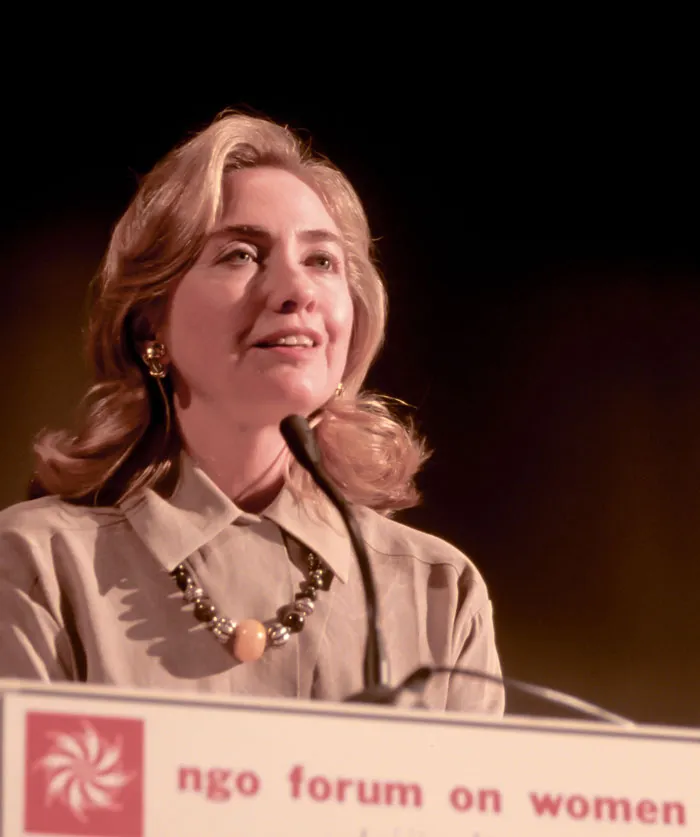
The speech Mrs. Clinton gave on September 5, 1995, in a suburb of Beijing, focusing on women’s rights problems, was a career-changing moment that Mrs. Clinton wanted to make sure her efforts were centered around. During the 2016 presidential run, she used the speech as a jumping-off point.
5points
#39 Demosthenes - Third Philippic
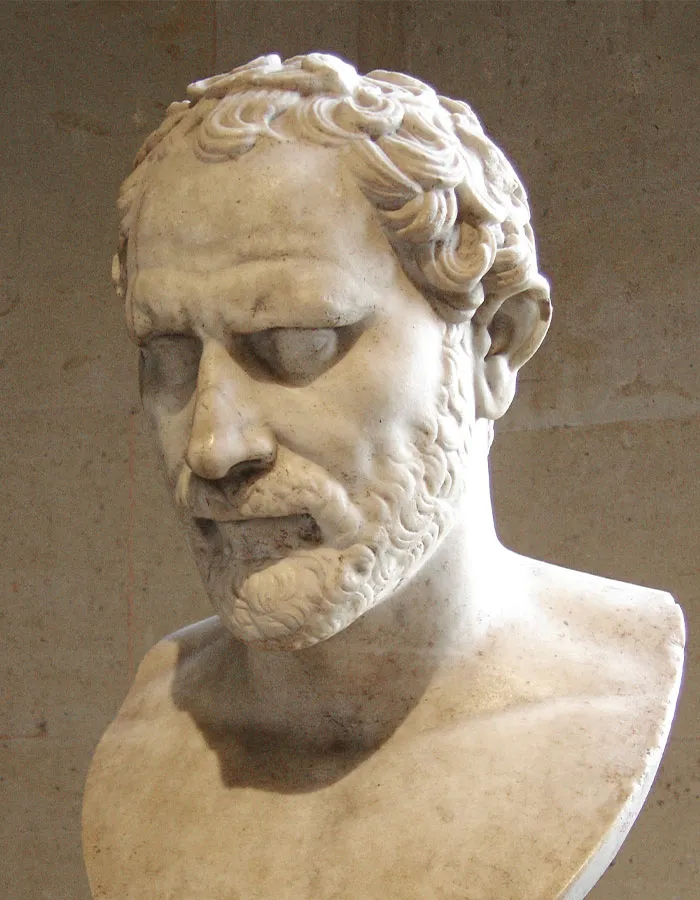
Though you may not have heard of the Athenian orator Demosthenes, consider the fact that one of history’s most famed speakers of all time, Cicero, cited his ancient forebear 300 years later. Demosthenes’ Third Philippic, so-called because it was the third speech he gave devoted to convincing his fellow Athenians to take up arms against the encroaching forces of Phillip of Macedon, literally led men to war.
Report
4points
#40 General Douglas MacArthur - "Farewell Address To Congress"
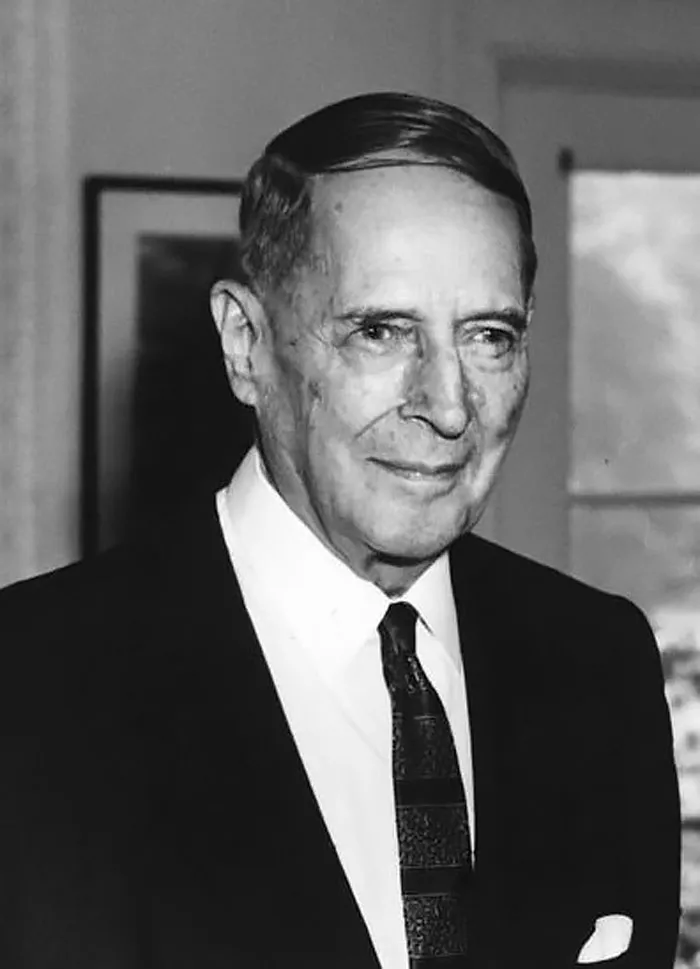
General Douglas MacArthur was a national icon who got dismissed from the leading role in the Korean War by Harry S. Truman. When he got fired from his job, he went to Congress to give a farewell address. During the speech, he talked about the threats that exist in the world and the importance of national security.
Report
3points