

Bored Panda
57 People Who Were Once Put On A Pedestal, Then Gave Everyone A Reason To Take Them Off

57 People Who Were Once Put On A Pedestal, Then Gave Everyone A Reason To Take Them Off

32
4
The Dark Knight got a lot of things right. Heath Ledger as the Joker, the darkness surrounding Gotham, and, of course, the one line that changed the course of history: “You either go out a hero, or you live long enough to see yourself become the villain.”
Granted, this is about Harvey Dent (tragic, tragic arc), but it’s also exceptionally fitting for any public figure who is heavily praised by the masses. Sometimes, they get involved in some really... dubious activities. Other times, people simply realize: wow, this is actually a flawed, corrupted human being.
And interestingly, there are quite a few examples of people who were loved by the public but soon became hated by everyone, and users on r/AskReddit weren’t afraid to point out exactly who they were.

#1

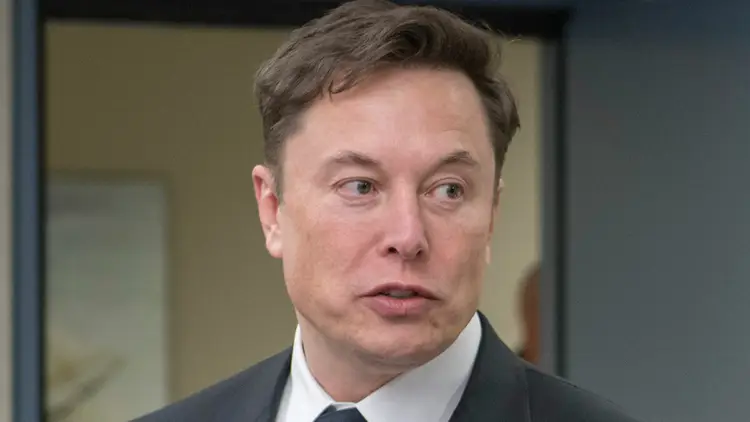
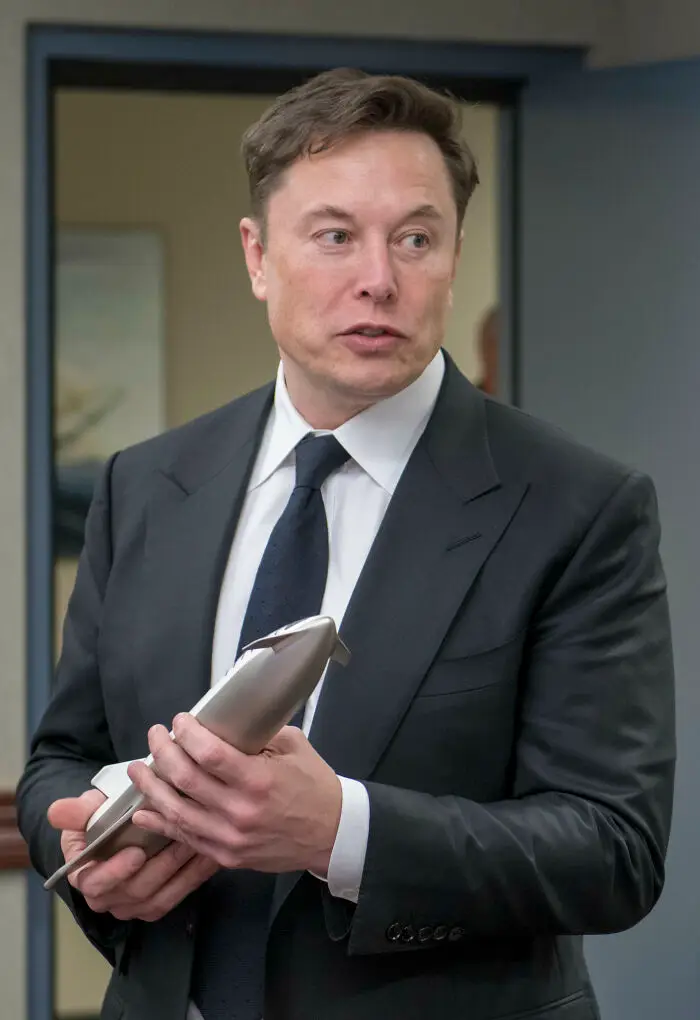
Elon Musk holding a small rocket model, an example of a public figure who could destroy their legacy.
Elon Musk

When he first entered the public eye, he was a breath of fresh air. A billionaire who was looking to actually do some good. He arguably pushed electric cars to the mass market and successfully launched a viable rival to NASA, starting a second space race. For a while, it looked like we were getting back on track as a civilisation with an eye toward a better future for all.

Then he went full right wing nut job, threw his weight behind Trump and burned all his goodwill overnight.
24points

#2

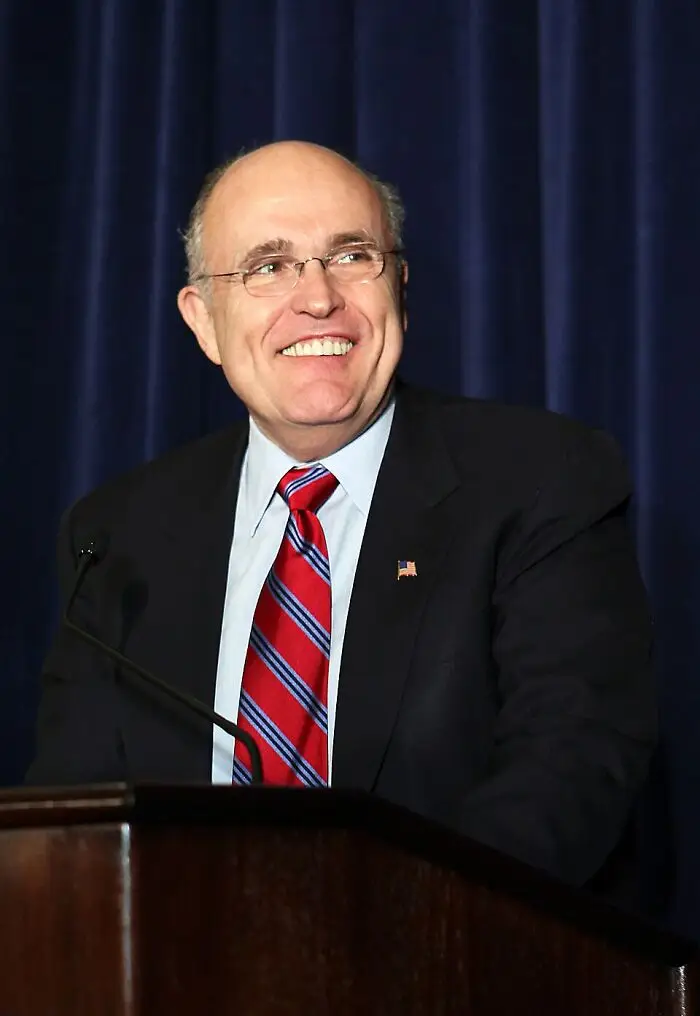
Rudy Giuliani, a public figure, smiling at a podium. Many public figures destroyed their own legacies.
Rudy Giuliani. Many people don’t seem to realize how integral he was in taking down the mob. Before he became mayor of New York he oversaw the investigations and convictions of most of the heads of all major mafia families.

Fast forward a few decades and the man is nothing but a lackey.
22points

#3

The Google logo in a modern office. Public figures can destroy their legacies.
The founders of Google. They wanted to give information to the world, but when they realized they needed to make money they started collecting and selling our data to the highest bidders.
20points

A fall from grace can happen to just about anyone. It doesn’t even need to be someone with a lot of power, but it just so happens that those in the public eye tend to have their achievements and downfalls more heavily publicized. But there’s actually another connection to be made here between power and ruined reputations.

Neurologist David Owen and psychiatrist Jonathan Davidson actually coined the term “Hubris Syndrome.” This refers to an acquired personality change that can develop from prolonged exposure to power and attention. Extreme overconfidence and contempt for criticism can lead people to stray from what they once believed to be morally correct.

#4
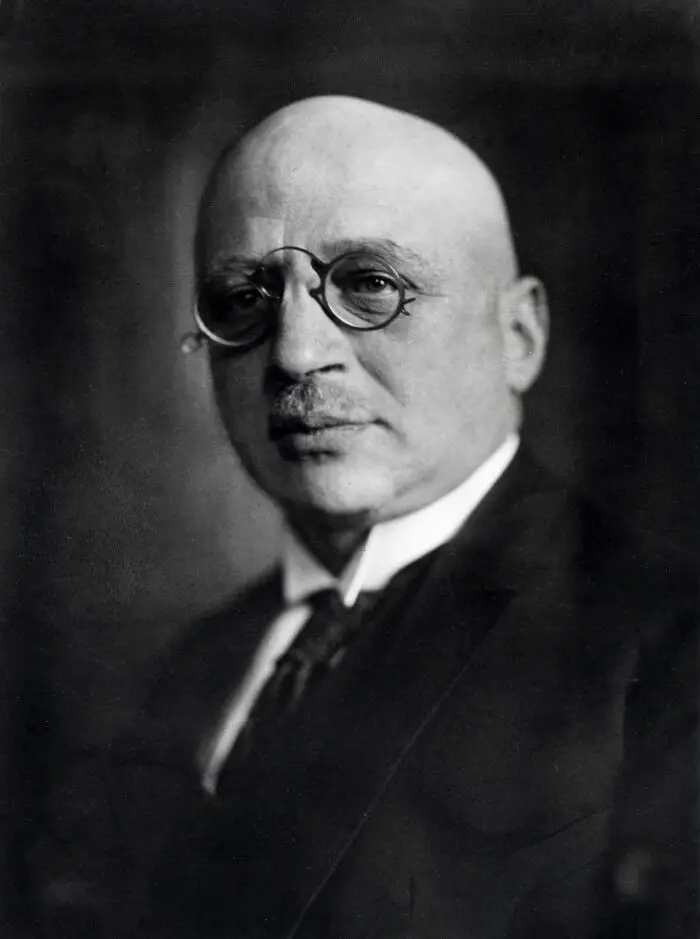
A black and white photo of a bald public figure with glasses, destroying his legacy.
Fritz Haber. He won the Nobel prize after inventing a process that supports something like 1/3rd of the world’s food production, hugely reducing world hunger. Then in WWI was essentially the father of chemical warfare on behalf of Germany, using his chemistry knowledge to create truly horrific weapons.
18points

#5

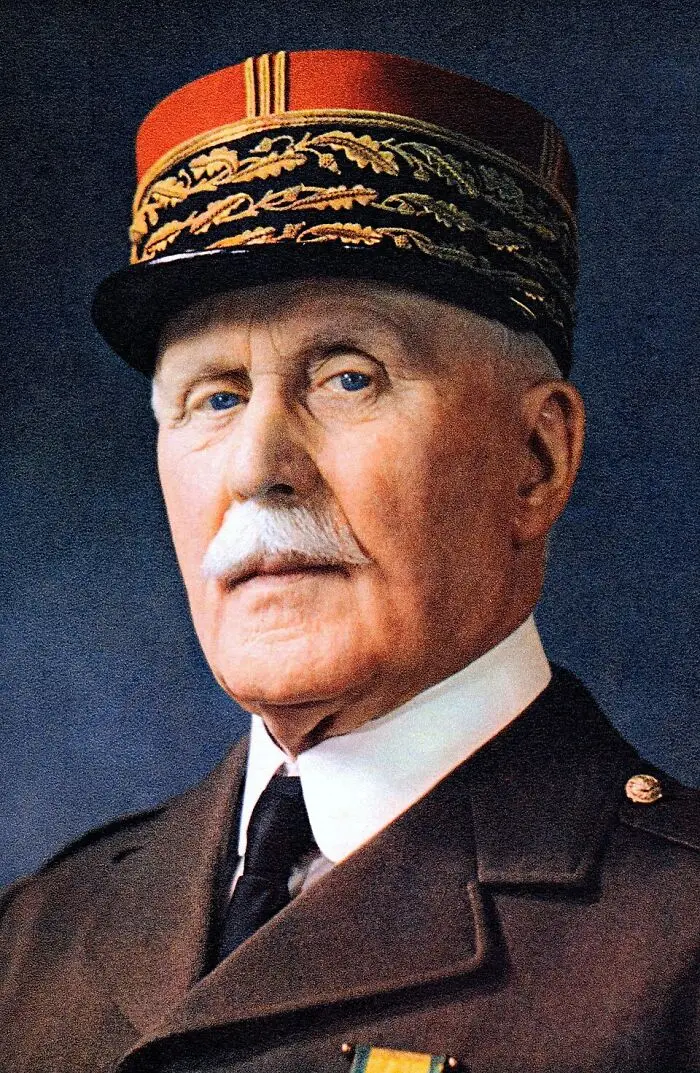
A distinguished military figure in uniform, representing once-admired public figures destroying legacies.
Marshal Petain of France.

Probably the most famous French general of the first world war. Known as the Lion of Verdun and led the victorious French in throwing back the Germans over an incredibly bloody 9 months. If you know anything about how important Verdun was in the history of western Europe you know this was a big deal.

If he had d**d in the 20s or early 30s he would be be one of France's great heroes.

Instead he lived and led the n**i collaborationist Vichy regime after the fall of France in the second war, and now he is collaborationist s**m you wouldn't cross the street to p**s on if he were on fire.
17points

#6

A public figure with a beard and glasses, wearing a black jacket, destroying his legacy.
David Baszucki, the CEO of Roblox. Founded Roblox with his friend Erik Cassel, actually made donations to people struck by the Haitian earthquake back in 2010. Did the same a year later for the 2011 Tohoku Earthquake in Japan.

Then by 2020s, he has turned Roblox into a shell of it former self. There is no more creativity, there is absolutely zero stuff being done to stop predators, banned Chris Hanson live at CrimeCon due to not wanting to be exposed for the fact Roblox has a serious predator problem. Said in his own words in a interview back in 2025 that he sees "predators as a opportunity".

I know this is going to be buried, because so many people have already replied to this thread. But I feel like the way Roblox has become now **needs to be mentioned.**.
17points

There have also been studies conducted to try to predict exactly how power and attention can change someone’s brain function. Neuroscientist Sukhvinder Obhi, for example, found that people who suddenly rose to a position of power showed lower activity in the mirror neuron system, which is associated with empathy and understanding other people’s experiences.

So, it’s quite literally been shown that power can impair the brain’s ability to simulate and even share empathic feelings toward others. This could help explain why some people who started out as morally acceptable figures, like Elon Musk and Wayne Gretzky, initially seemed to work toward positive things, only to eventually change their worldviews as they gained more power and influence.

#7
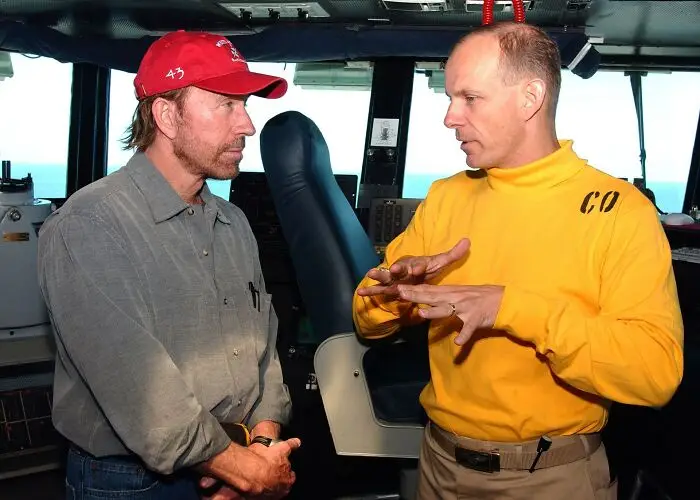
Chuck Norris, a once-admired public figure, talks to another man, potentially destroying his legacy.
Chuck Norris seems to be a good example. In his later years, many things came to light that really made him out to be a complete t**l.

Kevin Sorbo is another example. He was widely loved during the height of his fame (Hercules) but he's gone full Kool-Aid and now seems to be entirely insufferable.
16points

#8

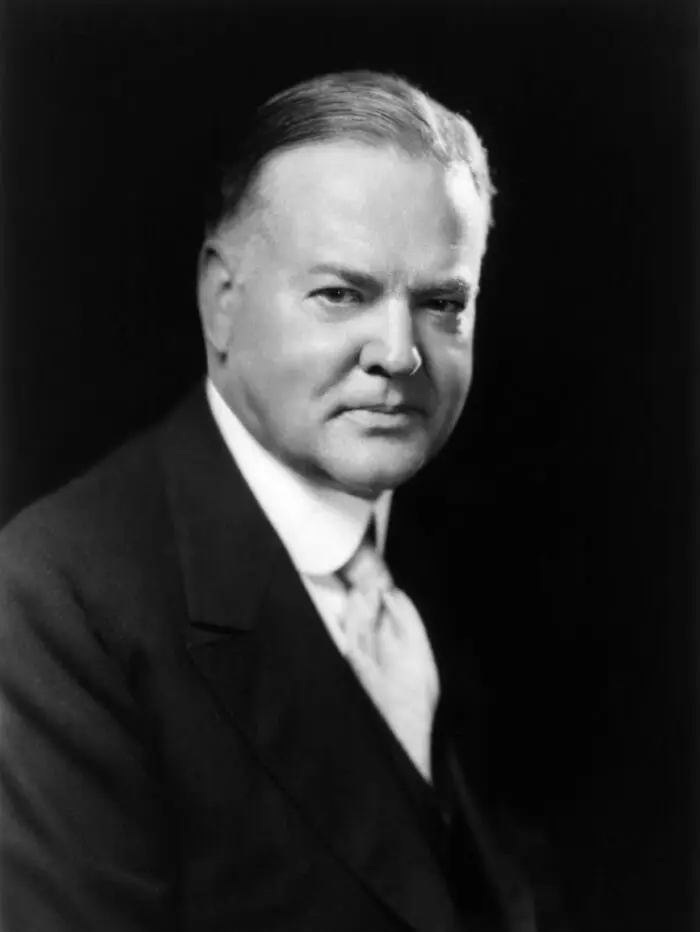
A grayscale photo of a public figure, Herbert Hoover, who destroyed his own legacy.
Herbert Hoover went from a man admired for his humanitarianism to the most hated man in the United States after a failed attempt to blame the Great Depression that he caused more than any other human being on Mexican Americans, which led to the deportation of over 1.5 million American citizens of Mexican origin. Around 60% of these were natural-born citizens. The Democratic Party then won the next five elections in a row.
15points

#9

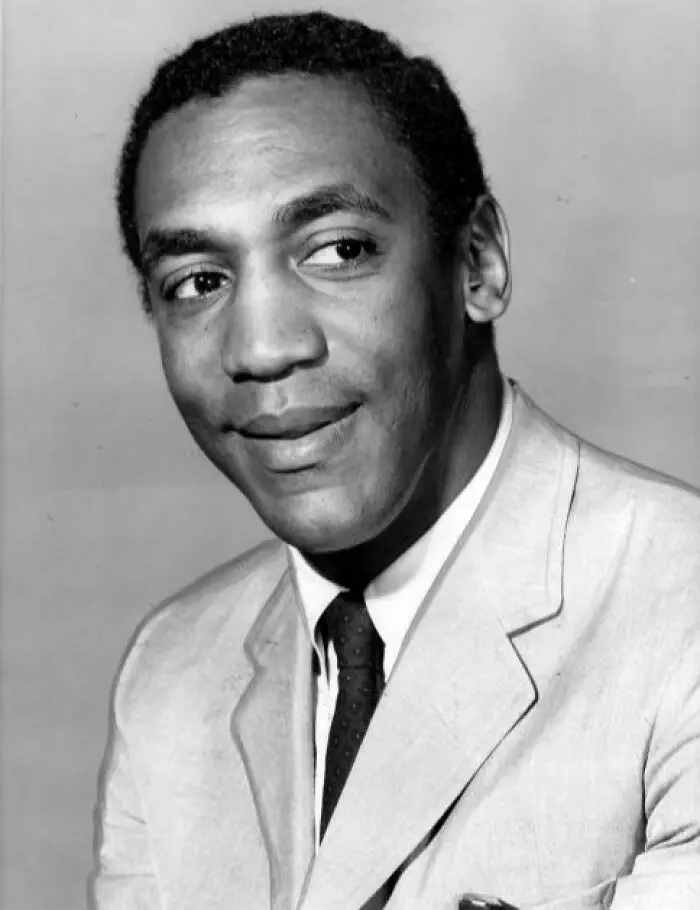
A black and white photo of Bill Cosby, a once-admired public figure whose legacy was destroyed.
Bill Cosby. He was family friendly, had good moral values in Fat Albert and Cosby show, and was viewed as a nice sweet man who enjoyed his pudding pops.
14points

As for those actually watching the newfound public figure, they might also start to resent them for being overly successful. This is often a phenomenon we see with celebrities — particularly female celebrities, whose former fans may eventually get tired of constantly being exposed to them — but it can also extend to anyone in the limelight. It’s called the Tall Poppy Syndrome.

This concept was formalized in social psychology by N.T. Feather, which describes the cultural tendency to resent or criticize individuals who stand out or become too successful. As these people become more and more publicized, their actions (whether or not one can morally agree with them) also become more susceptible to criticism.

#10
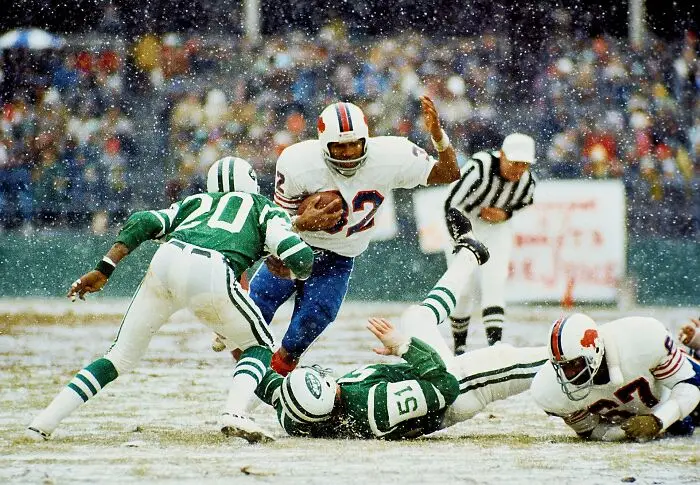
O.J. Simpson, a public figure, playing football in the snow, associated with destroying his legacy.
Young people seem astounded when I tell them that OJ Simpson was once a respected athlete and actor.
14points

#11

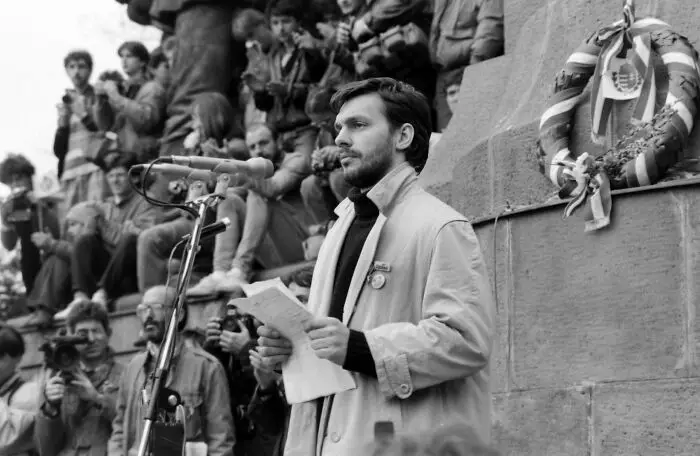
Young Viktor Orbán, a public figure, giving a speech, an example of destroying a legacy.
Viktor Orbán is a great example, he had a bold vision when young but he was not brave enough, and his personality overcome him. His regime later became an abormination, the very thing he stood up against.
14points

#12

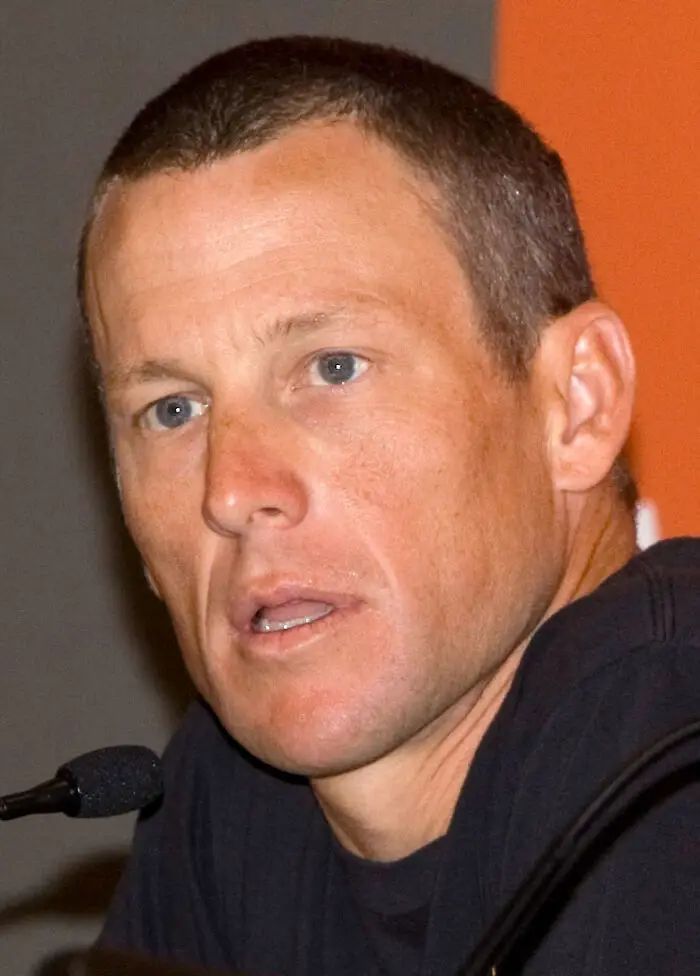
Lance Armstrong, a public figure, speaking into a microphone, known for destroying his legacy.
Does Lance Armstrong fit the definition enough?
Was a hero, rolemodel of so many people. And is now despised as a cheater.
14points

#13

Gwen Stefani, a public figure, smiling. Many public figures destroyed their own legacies.
Gwen Stefani used to be such a b****s girl power figure. Now she’s maga and married to a man with those values.
13points

#14

Wayne Gretzky, a public figure, smiling, whose legacy might be destroyed.
Wayne Gretzky. Was a household name in Canada and was known for his work with making hockey more accessible to kids.

Now he's turned MAGA.
13points

#15

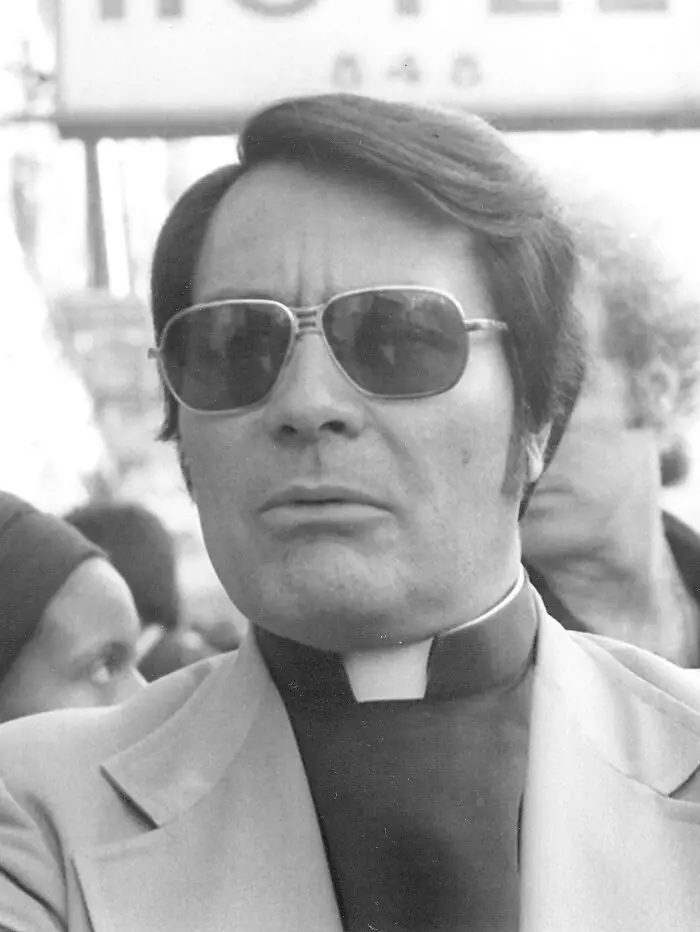
A grayscale photo of a public figure, Jim Jones, wearing sunglasses and a clerical collar.
Jim Jones was a seriously progressive guy and a true civil rights pioneer in his early days.

He opposed racial discrimination and took concrete actions against s*********n.

The Peoples Temple operated facilities and programs for elderly people, children and people with disabilities, and helped members navigate welfare and juvenile justice systems.

If he d**d in the 1960s he would have been considered a great man.
13points

Then, our own expectations of morality come into play. The Halo Effect, coined by Edward Thorndike, causes us to assume that if someone excels at their craft, they’re put on a pedestal, which can lead everyone else to assume they must also be morally upright and benevolent.

So, when that expectation is shattered, sociologists say the backlash can be disproportionately severe compared to that of a regular person doing the same thing — albeit to a much lesser degree due to differences in power, influence, and money. It causes the public to feel betrayed, turning the savior into the villain.

#16
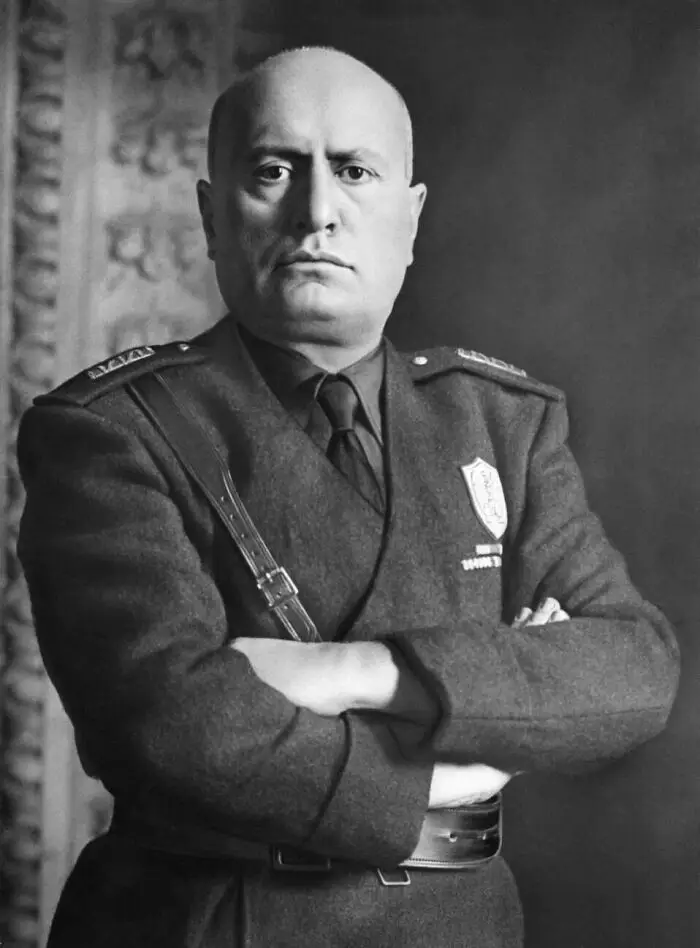
Benito Mussolini, a public figure who destroyed his own legacy, shown in a historical photograph.
Why, Benito Mussolini of course. Man grabbed Italy by the throat when it was still considered a Superpower and vowed to turn it into a bona fide empire. The people were with him. Other leaders admired him. Italy was said to have the most powerful Navy in Europe, and the UK and France were extremely wary of it. R&D was a priority, and so on and so forth.

And then he started believing his own hype, sided with H***r, went into a war the Country wasn't nearly prepared for thus exposing how it was all basically a giant bluff, lost everything and ended up upside down, hated by everyone.
12points

#17

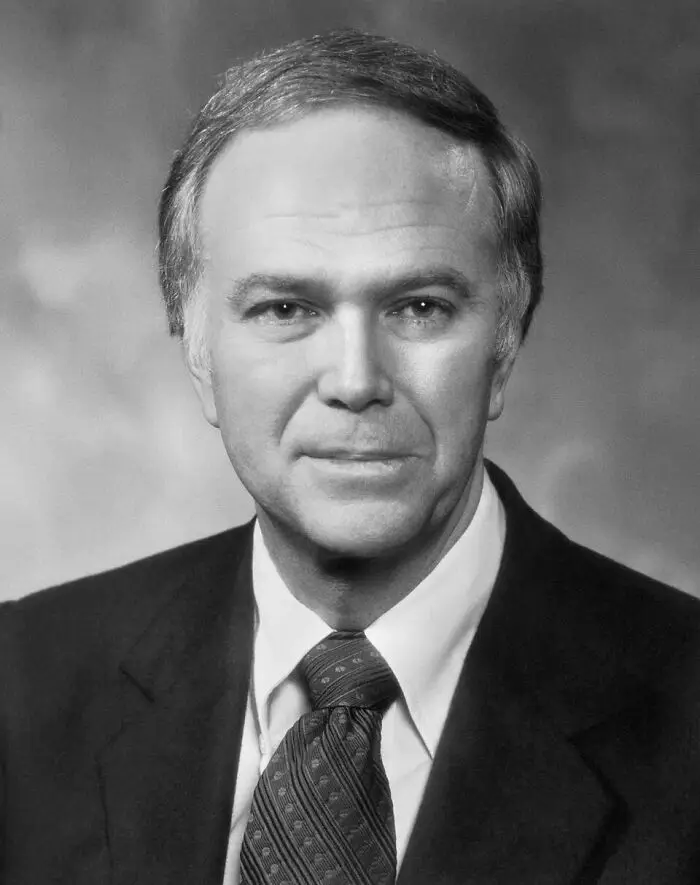
A black and white portrait of a man in a suit, symbolizing public figures destroying their legacies.
Back in 1995, a Republican representing Oregon in the US Senate, Bob Packwood, was being credibly accused by multiple women of s****l harassment and a*****t - eventually a total of 19 different women would come forward. As evidence of what he'd done mounted, the Senate Ethics Committee eventually voted unanimously to recommend that Packwood be expelled from the Senate, leading to Packwood's resignation. The Senate seat he vacated would go on to be held for many years by a Democrat, Ron Wyden. Four years later, during President Clinton's impeachment, the chairman of that Ethics Committee, a Republican himself, said he'd known a Democrat would likely take Packwood's seat if he was forced out, but he felt that felt that it had come down to a choice of "retain the Senate seat or retain our honor".

That Republican who valued his party's honor over their power in the Senate? Mitch McConnell.
10points

#18

A public figure in a suit and tie on a sports field, destroying his legacy.
Joe Paterno was highly regarded until the Sandusky stuff came out.
10points

#19

An old painting of a public figure in military attire, destroying his legacy.
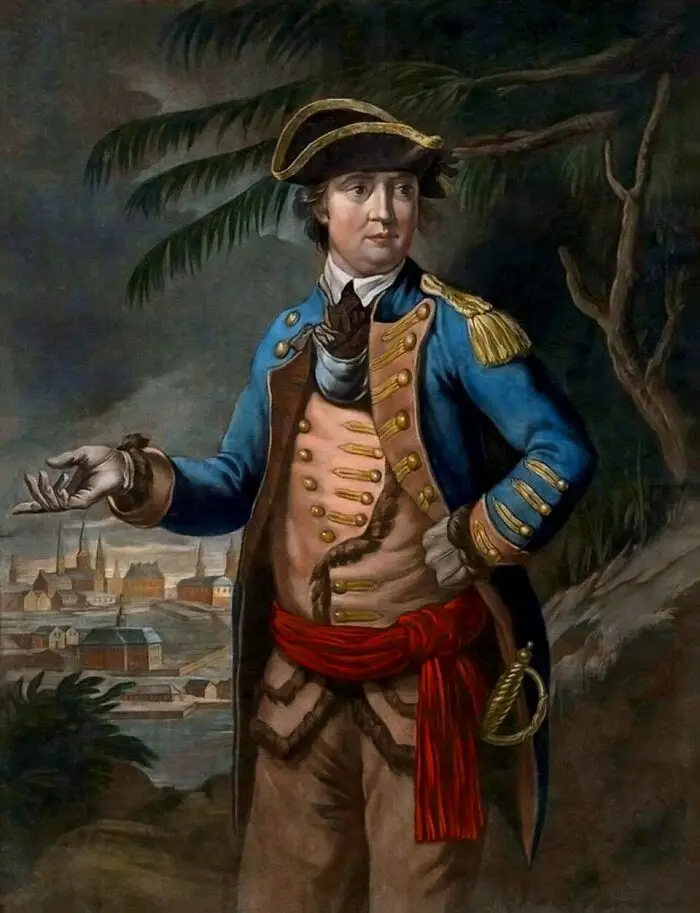
Benedict Arnold.

Was injured in the Battle of Saratoga, where there’s a monument of him (or at least his leg).

He went on to attempt to surrender West Point to the British.
10points

It also comes down to one simple thing: money. The proverb “Money doesn’t change people; it unmasks them” has existed for decades, and for anyone who started out with humble beginnings, it makes sense to consider how money might change them in the long run. Ambition runs deep, and the more you have, the more you seem to want.

But there’s actually no empirical evidence that proves that. Instead, there are numerous studies showing that money can affect ethical behavior. And a simple game of Monopoly demonstrated that. In a UC Berkeley study, researchers found that players who grew richer during the game changed their behavior dramatically, moving their pieces more aggressively and even acting rudely toward other players. Coincidence? I think not.

#20
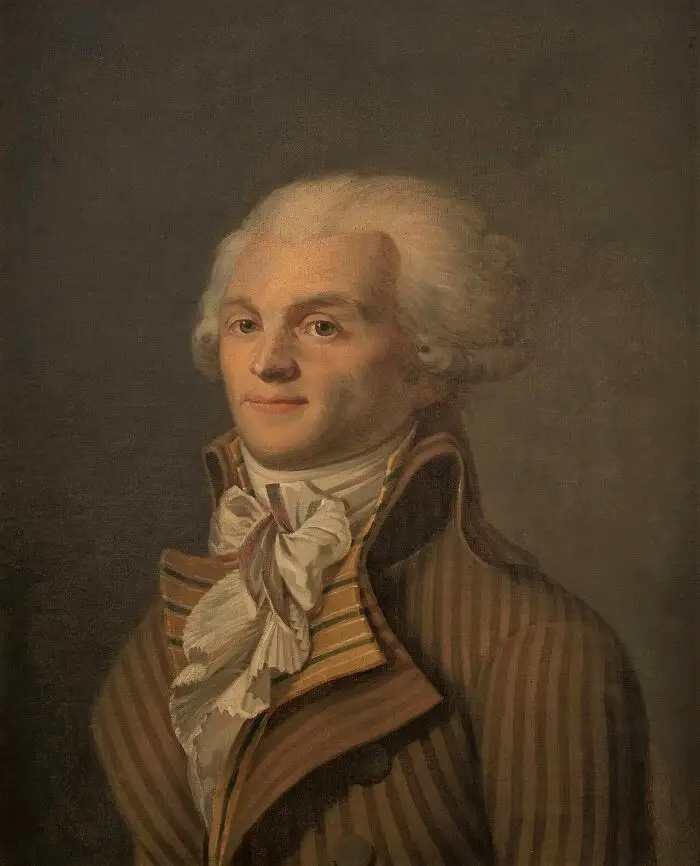
A painting of Maximillian Robespierre, a public figure whose legacy was ultimately destroyed.
Robiespierre (French Revolution). Was a leading figure in the uprising and the aftermath, after Louis 16 was shortened. A bit later he thought people should honor him as a god. He d**d then.
10points
32
4