

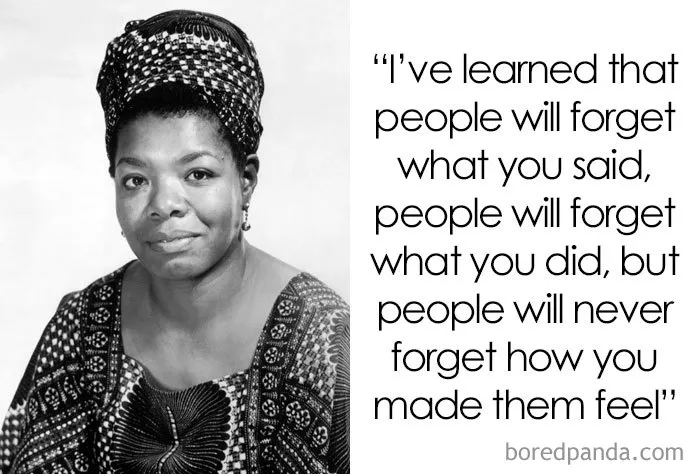
A good motivational quote can lift your spirits and turn your day around - but how does the right crafting of words hold so much power? The answer is in psychology. Although motivational psychology doesn't work on everyone, Jonathan Fader, PhD, founder of the Union Square Practice in New York City, says there is a certain segment of the population that is drawn to motivational quotes. These messages when said from the right source can strengthen the incentive power, “There’s a little bit of implicit coaching that’s happening when you’re reading it. It’s building that self-efficacy in that kind of dialogue that you’re having with yourself,” Fader says.
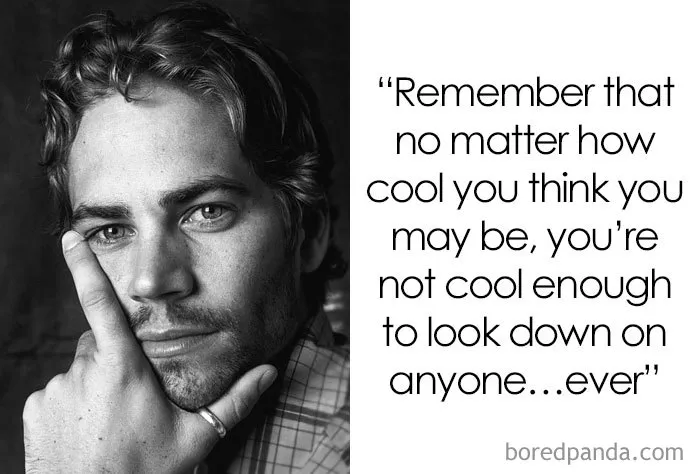
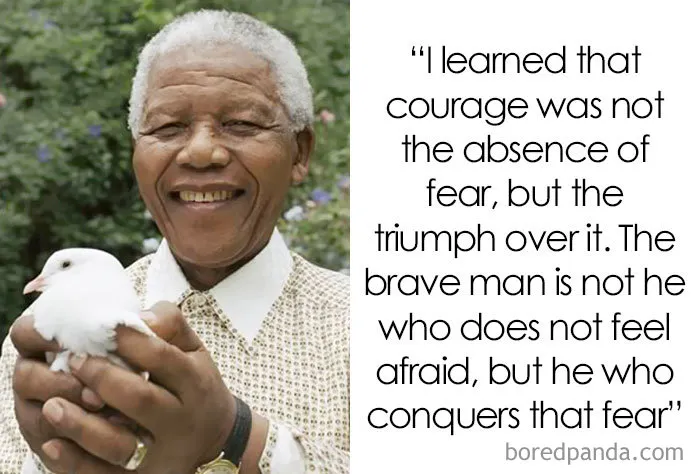
Quotes become famous not on the message alone but through the power of each word. Ward Farnsworth, dean of the University of Texas School of Law and author of Farnsworth’s Classical English Rhetoric explains that people have an “appetite for well-expressed wisdom, motivational or otherwise": ”Students of Latin see examples of aphorisms from 2,000 years ago, such as ubi concordia, ibi victoria, ‘where there is unity, there is victory.’ Usually, these sayings involve some keen insight put into memorable wording. They are little triumphs of rhetoric, in the old and positive sense of the word.”
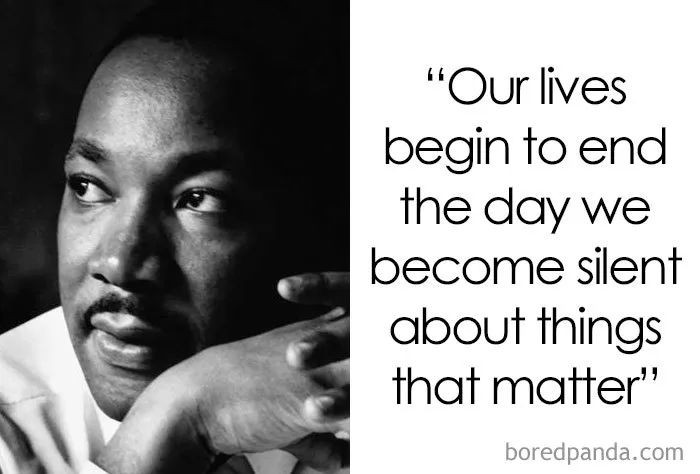
The right combination or phrasing of words are what dictate how effective the message is, whether it is good or bad. a 2000 study by cognitive scientists at Lafayette College found that when people were shown two versions of the same saying, participants were more likely to point to the rhyming aphorism as true: "Our results suggest that rhyme, like repetition, affords statements an enhancement in processing fluency that can be misattributed to heightened conviction about their truthfulness."
As it turns out our brains are less concerned with the details of the words than they are with pleasing wording. An example of an attractive word arrangement is 'parallel construction,' where two halves of a claim are balanced. “An example is the use of parallel construction, so that the two halves of a claim are attractively balanced, such as ‘marry in haste, repent at leisure.’ The reversal of structure, or ‘chiasmus,’ is also attractive—‘ask not what your country can do for you; ask what you can do for your country,’” explained Farnsworth.
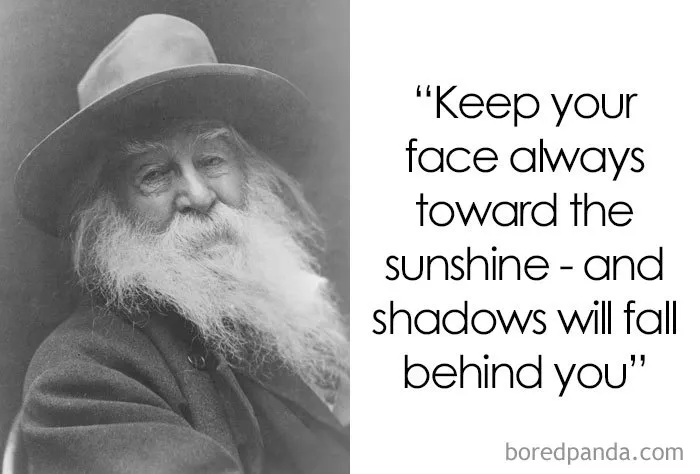
When most of us look for quotes to inspire often we look towards ones with famous names attached - which media psychology expert and communications consultant Scott Sobel, founder of Media & Communications Strategies, Inc. in Washington, D.C. says is because of biology. "“Humans are aspirational. We want to look up to role models and leaders and follow what they ask,” he says. “Leaders and their words–inspirational quotes–affect us on a primal level.”