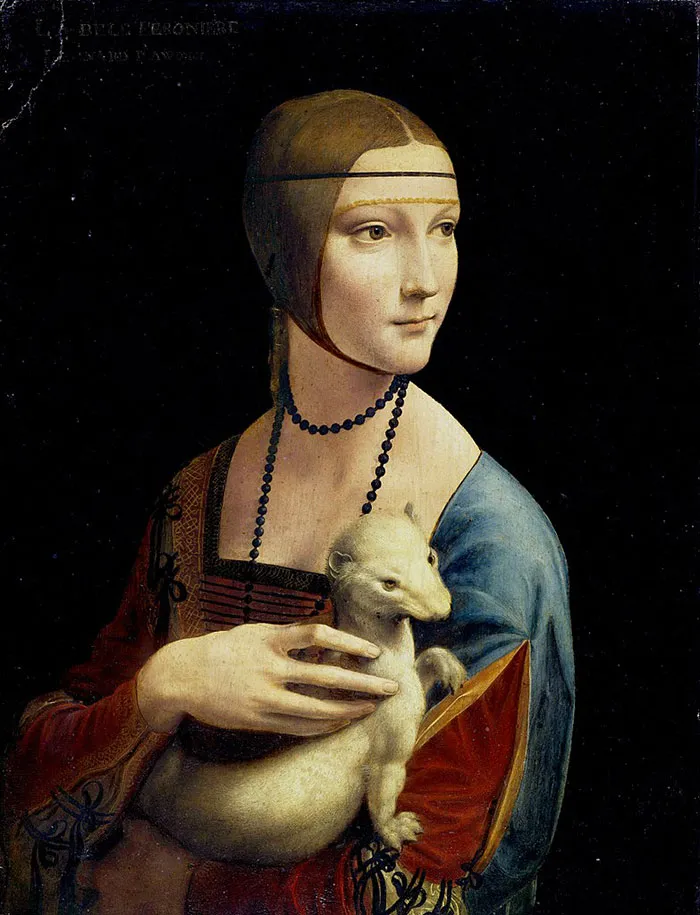



More than $850 million — that’s the estimated value of the legendary Mona Lisa painting. Nevertheless, one of the most famous paintings and an iconic Renaissance art piece is not for sale. Under French heritage law, an artwork declared priceless is prohibited from being bought or sold. Although you might not be able to take the painting home, you can still take a glimpse at the iconic smiling lady in the Louvre for less than the cost of a meal at Mickey D’s.
However, Leonardo Da Vinci, arguably one of the most famous portraitists who ever lived, isn’t the only face behind some of the best artworks of all time. Art and history fanatics, and just regular folks, really, must know other famous artists such as Michelangelo, Salvador Dalí, the geniuses behind some of the most famous still life paintings, Claude Monet and Vincent van Gogh, and many other talented painters who changed art history forever. Luckily, there is no need to be an art major to recognize some of their most famous paintings.
Below, we’ve compiled a list of famous artworks from some of the most brilliant artists who brought color to history. Famous watercolor paintings, lifelike portrait paintings, and the best of still life, you name it! There’s plenty to recall (or discover). We even threw some dark, even scary paintings into the mix! Take a look and let us know which famous artwork or painter is your favorite. Also, while it was our job to gather the most famous paintings, it’s now up to you to rank them. The more upvotes the artwork receives, the higher it will be on the list, so get upvoting your favorites!
#21 Las Meninas by Diego Velázquez
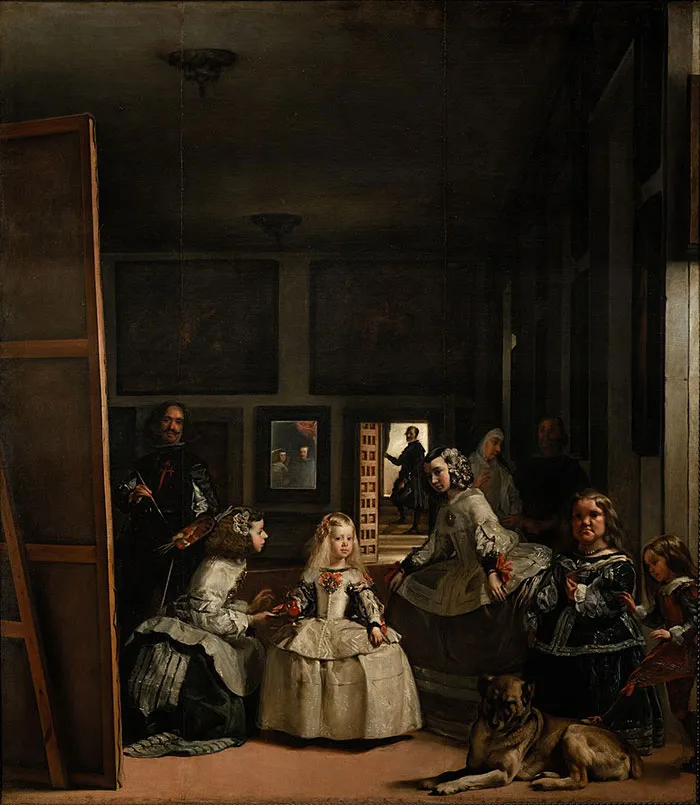
Artist: Diego Velázquez | Year (completed): 1656 | Period: Baroque
Las Meninas has captivated art lovers for more than 350 years. King Philip IV of Spain's court is vividly depicted in this intricate oil painting by Diego Velázquez. This masterwork from 1656, arguably one of the most significant paintings in the entire history of Western art, still impacts artists today. As the title translates, Ladies in Waiting is a turning point in art history for Velázquez's departure from the stiff, formal portraits that typically denoted royalty. The king's daughter, Infanta Margaret Theresa, is depicted on the enormous canvas surrounded by her entourage as Velázquez works behind an easel.
Report
23points
#22 Lady Agnew Of Lochnaw by John Singer Sargent
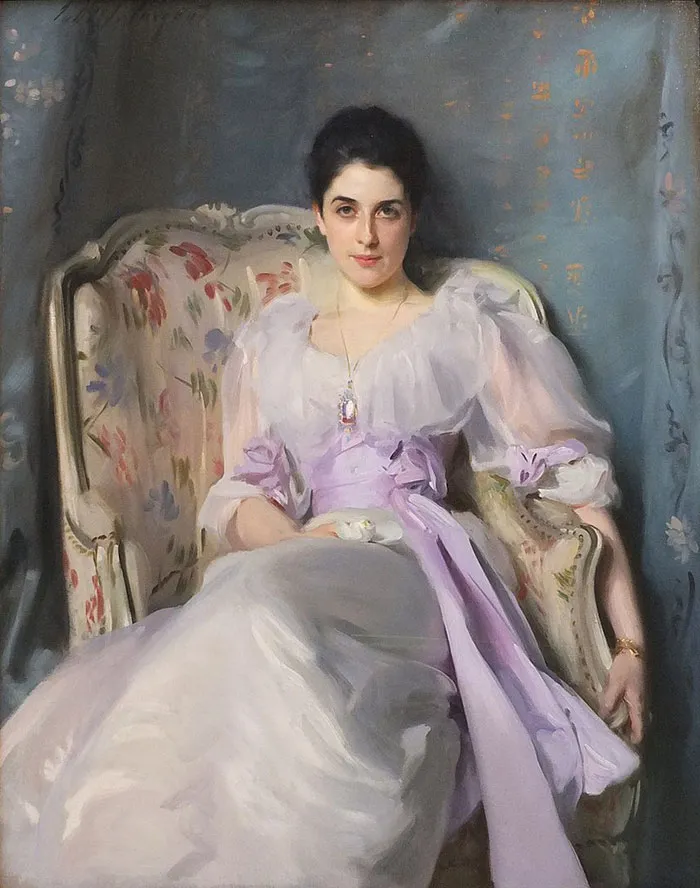
Artist: John Singer Sargent | Year (completed): 1892 | Movement: Impressionism
Lady Agnew (born Gertrude Vernon) is the subject of this painting, which was ordered by her husband, the Scottish barrister Sir Andrew Noel Agnew. The lady establishes a strong rapport with the observer through her direct stare and informal stance. Her exquisite white gown with lilac accent blends well with the vibrant, patterned upholstery of the Chinese silk wall hanging from the eighteenth century and the French chairs. Sargent’s smooth brushstrokes exude an air of luxury and comfort. The artist said he sometimes got his best results only after a few sittings. He finished the Portrait Of Lady Agnew Of Lochnaw in six sessions. The work’s exhibition at the Royal Academy in London in 1893 helped establish Lady Agnew as a society hostess and the Sargent’s portrait painter status.
Report
22points
#24 The Swing by Jean-Honoré Fragonard
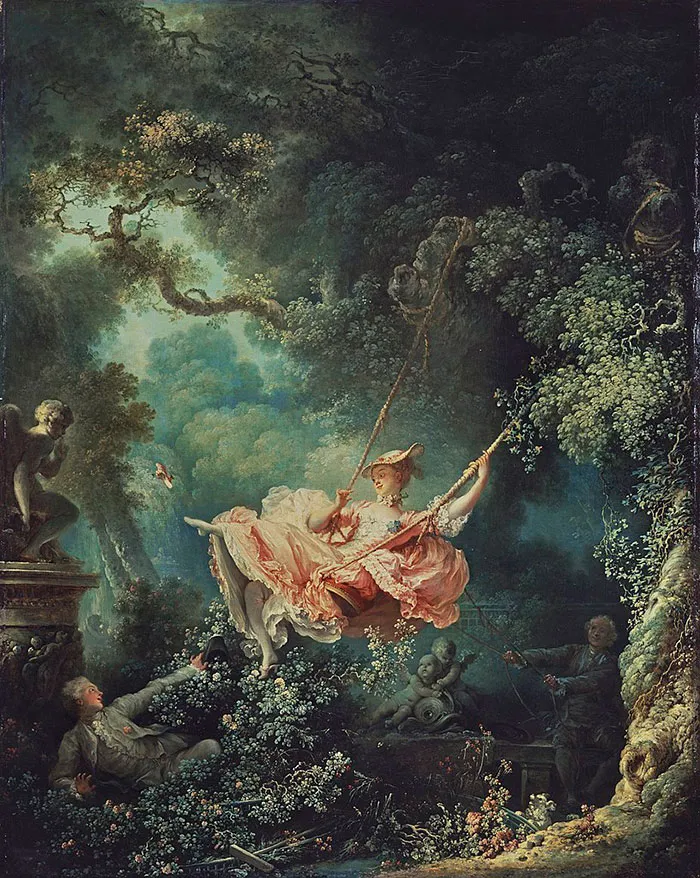
Artist: Jean-Honoré Fragonard | Year (completed): 1767 | Period: Rococo
In The Swing, we can see a young woman fly through the air inside a lovely garden wearing a voluminous pink dress. Her suspension above the ground is made possible by a swing made of a seat cushioned in red velvet and two ropes fastened to the knobby branches of a huge tree. An older man sitting on a stone bench on the far right assists in operating the apparatus. He pulls the swing back to provide the woman the momentum she needs to move forward using a network of interconnected ropes. A young man, positioned at the bottom of the large pedestal, stares at the swinging woman's open skirt.
Report
18points
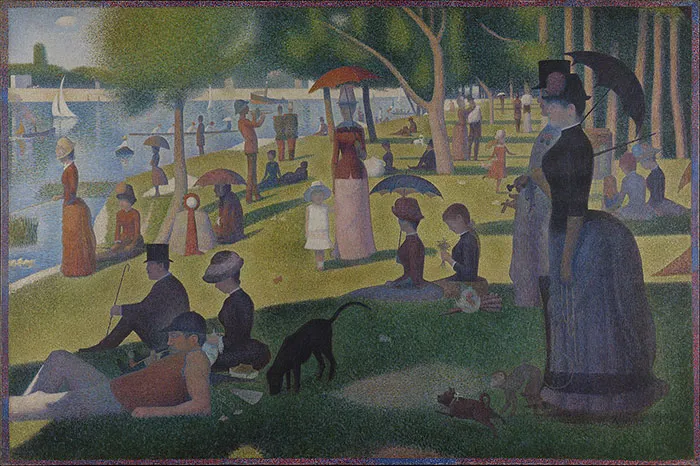
#29 Sunday Afternoon On The Island Of La Grande Jatte by Georges-Pierre Seurat
Report
14points
#30 The Scream by Edvard Munch
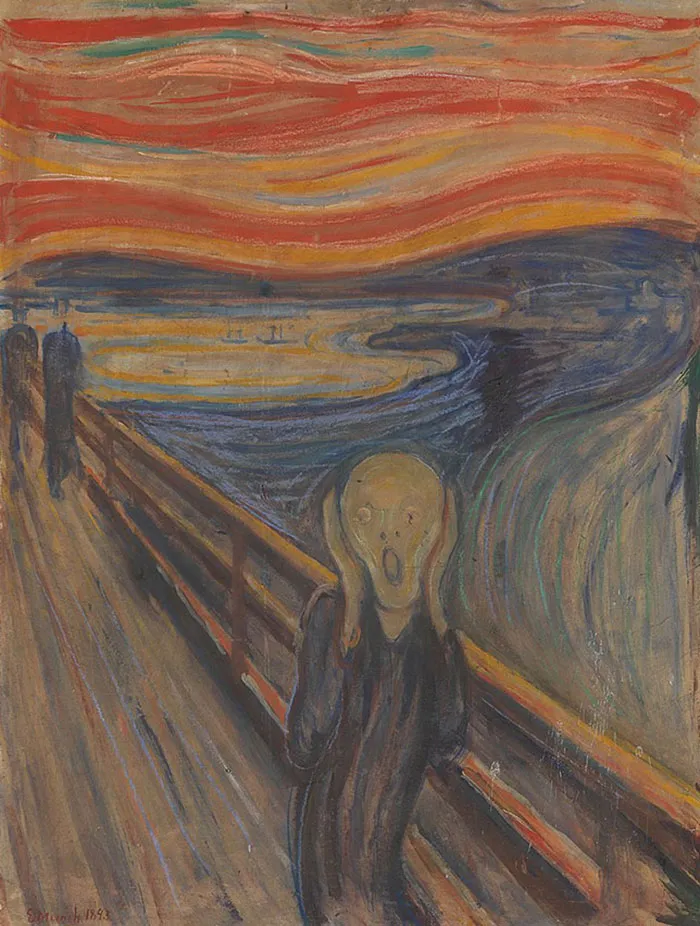
Artist: Edvard Munch | Year (completed): 1891 | Movement: Proto-Expressionism
The Mona Lisa of our time, Munch's The Scream, is a classic work of modern art. Munch captured the anxiety-ridden, unsettling nature of the modern era, much as Leonardo da Vinci did while evoking the Renaissance ideal of calm and restraint. It's acknowledged that The Scream was inspired by an actual past event from Munch's life. Apparently, he created The Scream as a response to the horror and dread he experienced one day while out for a stroll with two friends. The peaceful environment he had planned to venture into was abruptly disturbed by changes in the sky brought on by the setting sun. Since, Munch's The Scream has become a universal, timeless picture and symbol of the human condition and alienation.
Report
14points
#31 Portrait Of Madame X by John Singer Sargent
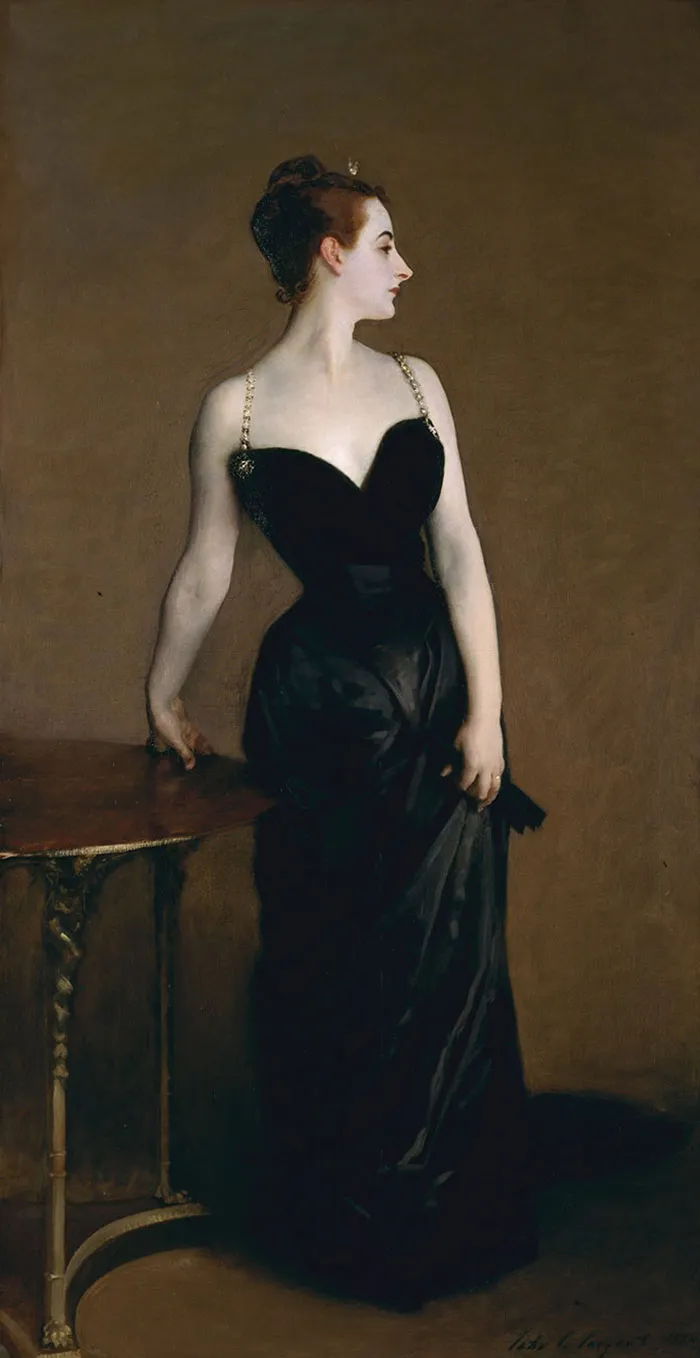
Artist: John Singer Sargent | Year (completed): 1884 | Periods: Impressionism, American Renaissance
John Singer Sargent was the most famous portrait painter of his time, also hailed as the "leading portrait painter of his generation." In 1874 he went to Paris to study painting. Ten years later, in 1884, at the Paris Salon, Sargent debuted arguably one of his best-known paintings, Portrait Of Madame X, which portrays a Parisian beauty named Madame Gautreau. Sargent thought it was his best work and was unpleasantly startled when it sparked a stir because reviewers thought it was eccentric and provocative. After failing in Paris, Sargent relocated permanently to London. His art didn't instantly appeal to the English taste. However, it all changed in 1887. That year, his painting of two little girls lighting Japanese lanterns won the British public's hearts. He started to receive extraordinary acclaim in England and the United States. Clients flocked to his studio in Chelsea, where he charged around $5,000 for a full-length portrait. However, despite it bringing him a bunch of money, in 1907, Sargent gave up on painting portraits on commission. He referred to the genre that had made him famous in his letter to his lifelong friend Ralph Curtis as "paughtraits," using his unique and satirical spelling. "I abhor and abjure them and hope never to do another, especially of the Upper Classes."
Report
14points
#33 Paris Street; Rainy Day by Gustave Caillebotte
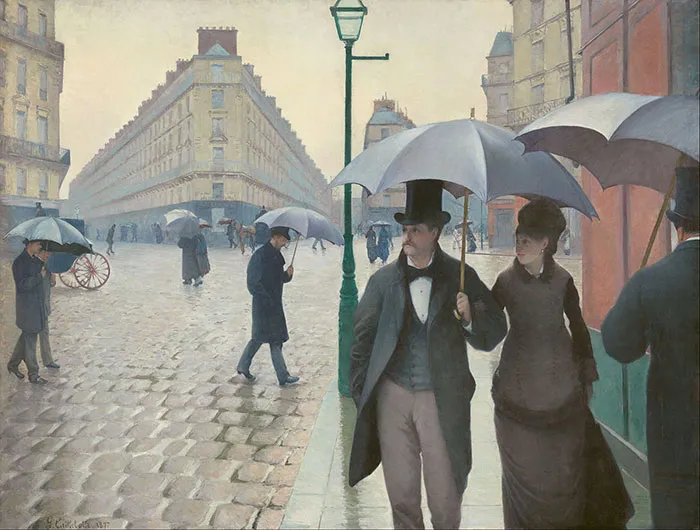
Artist: Gustave Caillebotte | Year (completed): 1877 | Movement: Realism
Parisian audiences used to the formal, academic style were thrilled by the painting's finely detailed surface, exacting perspective, and expansive size. A more radical sensibility was sparked by its asymmetrical composition, irregularly cut shapes, rain-washed tone, and truly modern theme.
Report
13points
#38 The Garden Of Earthly Delights by Hieronymus Bosch
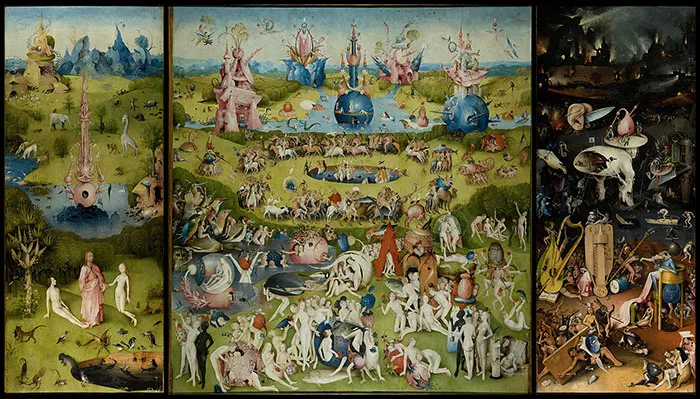
Artist: Hieronymus Bosch | Year (completed): 1505 | Period: Northern Renaissance
The crux of the painting shows an unrestrained, wildly imaginative romp. However, Bosch’s main point - and the elaborate, cunning symbolism that drives it - is unquestionably more complicated. A lot is going on, and multiple sittings at the painting may not be enough to analyze the whole picture. It’s replete with sin, punishment, and hell themes. Few pieces of art better capture the crazed thrill and bizarreness of lust than Hieronymus Bosch’s The Garden of Earthly Delights. A cluster of naked people can be seen in one place, intertwining and devouring a giant, juicy strawberry. Others sway rapturously from something resembling clumsy reproductive organs and seed pods about to explode. Fruits are picked, clear blue water flows directly into the mouth, open clam shells and plump nectarines are strewn about. More than 500 years later, it’s hard to distinguish a single message left by the author. Some people thought it was about how mankind fell into sin and lust, ultimately meeting their own demise in hell. Some believe it was painted with moralistic and religious motives. Whatever the reason, Hieronymus Bosch’s triptych, known to modern audiences as The Garden of Earthly Delights, and arguably his most puzzling work, gives a graphic portrayal of the anxieties that characterized medieval life.
Report
12points