



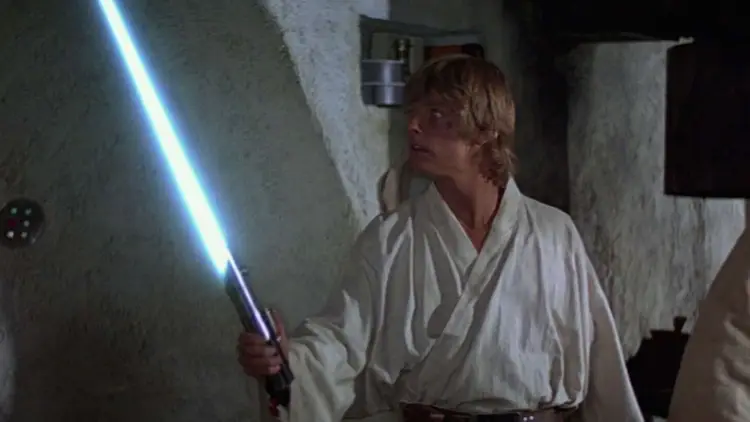



#21 Little Black Dress, Breakfast At Tiffany's (1961)
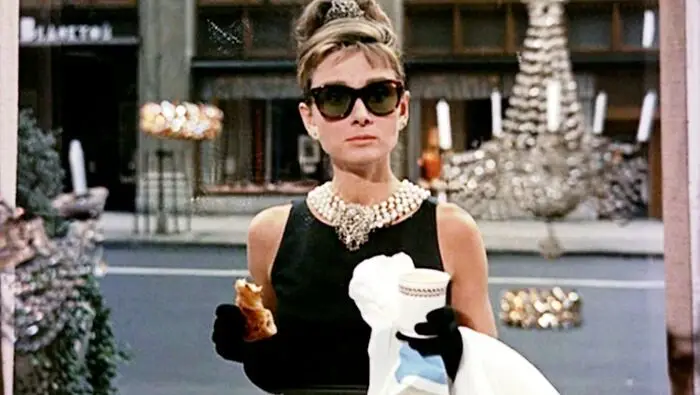
When it comes to costumes, the same rule applies. “For a dance scene where a character is sweating or moving a lot, we usually have at least three copies of the same outfit,” he explained. “One is worn, another is kept fresh for hygiene purposes, and the third is a backup in case of any wardrobe malfunctions.”
#22 Billy The Puppet, Saw (2004)
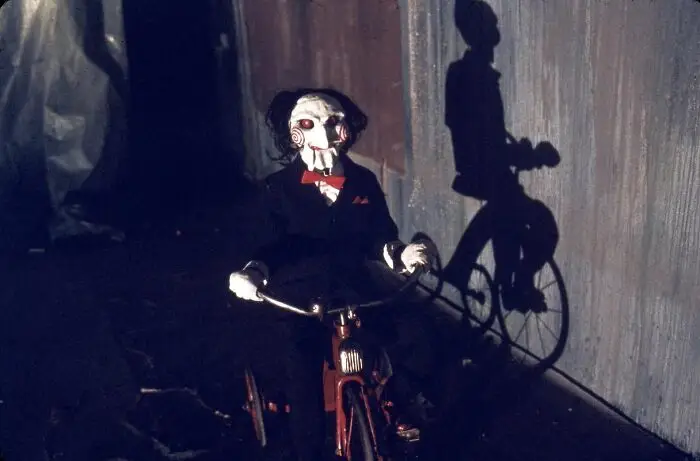
"When Leigh [Whannell, writer] and I were gearing up for the feature, we thought we would get the Hollywood version, and it would be remade with animatronic and state of the art s**t. But the movie was so low budget, the producers just said, 'use that again'!"
#23 The Mockingjay Pin, The Hunger Games (2012)
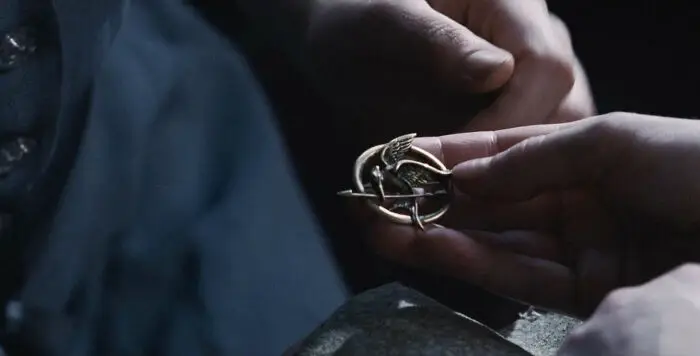
"There's something about birds in flight. They've always had a history of hope and free spirit. I think that's why I originally starting carving birds in my own jewelry work. But a lot of it really just boils down to a sense of freedom. Then adding the arrow to it I think is interesting because you add that extra element of, I don't want to say self-defense, but fighting back. Without the arrow, it would just be a really pretty bird and you can draw whatever conclusions you want. But having the arrow in the beak definitely really makes it a symbol for courage, strength, all those good things."
#24 The Eggs, Alien (1979)
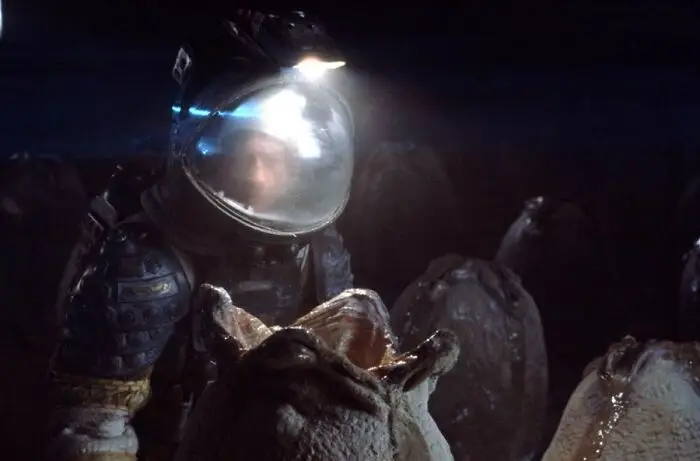
“Beyond just sourcing and using props, storing and managing them is a whole other challenge,” Rahil added. “Props need to be maintained, cleaned, and sometimes even repaired daily. They can’t just be tossed aside once a scene is done.”
#25 The Neuralyzer, Men In Black (1997)
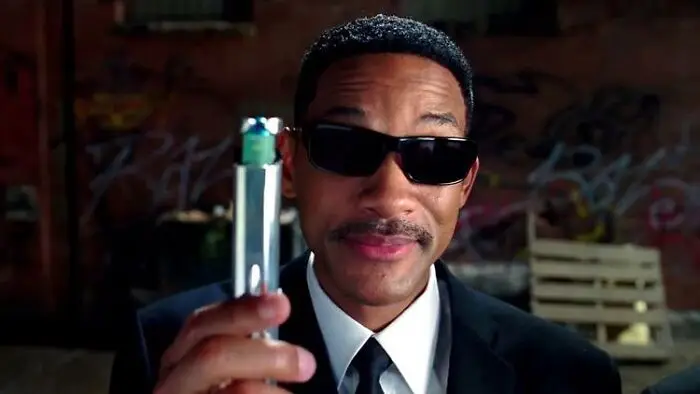
The neuralyzer's crucial role in the narrative elevates it from a mere gadget to a key plot device, showcasing its originality and narrative significance within the film's universe. Its iconic status as a memory-wiping tool seamlessly integrates into the story, distinguishing it from more conventional weapons commonly seen in Hollywood blockbusters. This unique feature underscores its impact on the audience, contributing to its lasting impression.
#26 The Nunchaku, Game Of Death (1978)
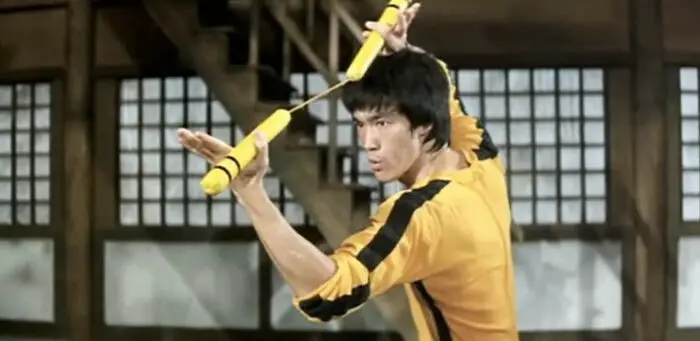
Dan Inosanto, actor (Pasqual) (in the documentary I Am Bruce Lee): "In 1964, I introduced the nunchucks to Bruce Lee. At the time he thought it was a worthless piece of junk. When he moved to the LA area, I taught him how to use it. In three months he swung it like he'd be swinging it for a lifetime ... In the short time, every child was using this. It became a household product. Now it's outlawed in California."
#27 The Batarang, Batman (1989)
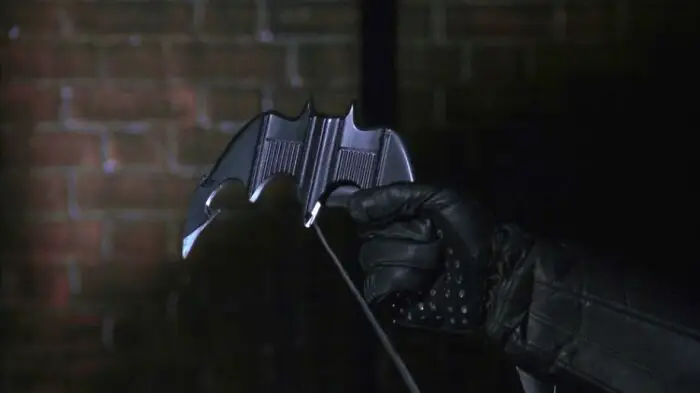
With so much effort going into props, it’s no wonder they become so iconic. Some end up in museums, some are auctioned off for staggering prices, and others? Well, they’re sitting in an actor’s home as a prized memento.
Which of these movie props would you love to own? Let us know in the comments!
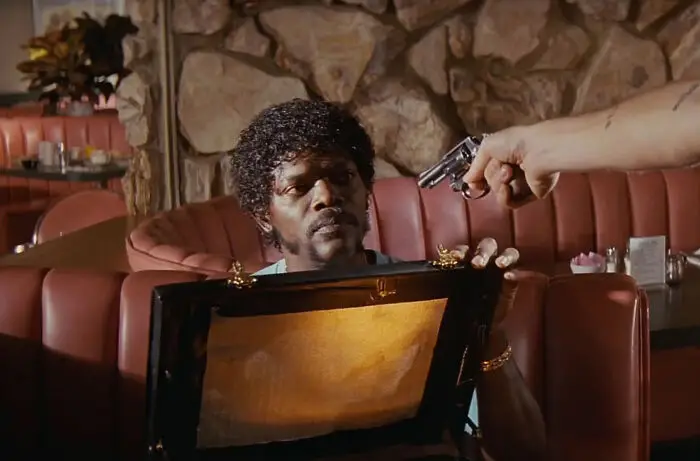
#28 The Briefcase, Pulp Fiction (1994)
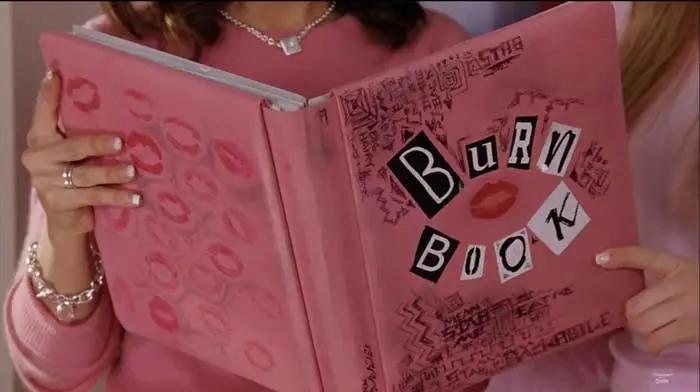
#29 The Burn Book, Mean Girls (2004)
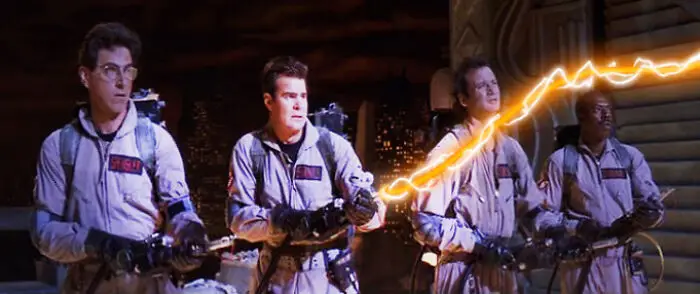
#30 The Proton Pack, Ghostbusters (1984)
It's fascinating how certain movie props transform from mere objects into cultural icons. Much like Terry Crews' face on a debit card serving as a humorous yet effective reminder of spending discipline, movie props remind us of their unique allure beyond their narrative function. They possess the power to connect emotionally with audiences, much like Crews' intervention on social media added a personal touch to an already amusing situation.
For example, classic movie props have become cultural phenomena explored extensively, reflecting how fans engage with legendary items similarly to how Terry Crews fought to support his fan.