





Although we all can have different opinions and preferences for literary works, certain names and titles deserve to be dubbed among the greatest of their kind. However, when it comes to picking the most famous authors and their best works of literature, there should be little debate on which famous authors should be on the list since only time can tell. And thankfully, for our generation, it already has.
Ironically, true masterpieces are rarely acknowledged and recognized in value as soon as they see the light of day. This is true for many famous paintings and the best books, which only increase in value over time. Hence, the most famous writers in history are not assessed by how well their literary works are presently selling in bookstores or how often they are downloaded on Kindle.
We are talking about a different kind of value—their influence on the literary world and the writers who came after them. We don't rule out that some of today’s best-selling, famous writers will also be viewed with high regard in the future. However, it’s still too early to tell since, as with many other timeless things, famous authors and their books require the passage of time to be regarded as classics and be recognized globally.
Below, we’ve compiled a list of famous authors and their magnum opuses that had the biggest influence on the literary world. As always, upvote the famous book authors whose work (or works) you thoroughly enjoyed and would recommend reading to others.
Also, bear in mind that the list has no particular order since ranking these authors’ influence would be impossible.
This post may include affiliate links.
#21 Dante Alighieri, “The Divine Comedy”
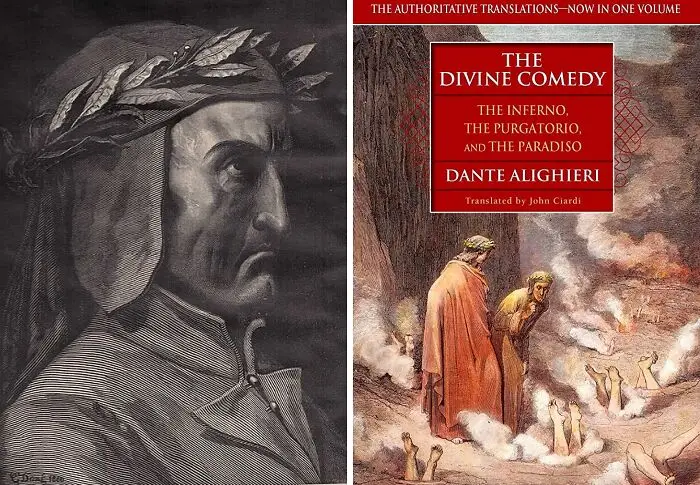
The Italian poet's lengthy (14,233 lines!) narrative poem is his most well-known and lauded work. The Divine Comedy tells the tale of the narrator's trip through hell and purgatory to heaven. Essentially, it's man's spiritual journey through life. The afterlife, as portrayed in Dante Alighieri's works, profoundly impacted the rise of humanism and several other aspects of the Renaissance.
Report
15points
#22 William Makepeace Thackeray, “Vanity Fair”
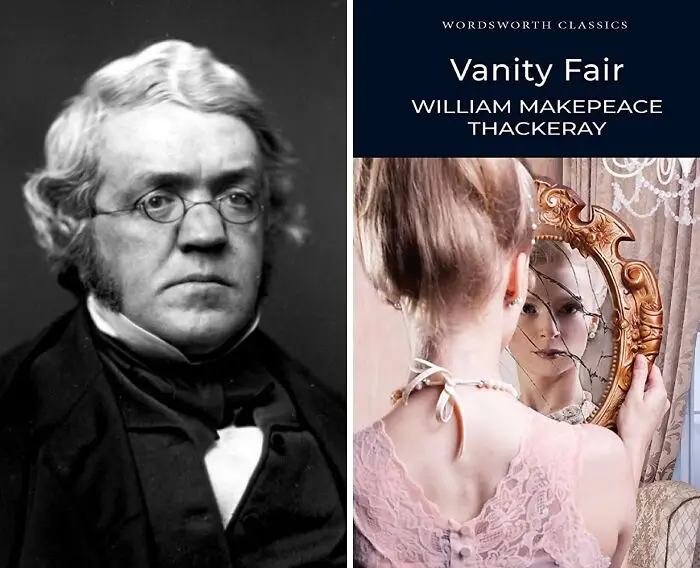
One of the most significant authors of the Victorian era was William Makepeace Thackeray. Like his contemporaries, he wrote on the social issues facing Victorian-era British society. He is best known for his satirical works, including the 1848 novel Vanity Fair, which brought Thackeray both fame and prosperity.
15points
#23 Chinua Achebe, “Things Fall Apart”
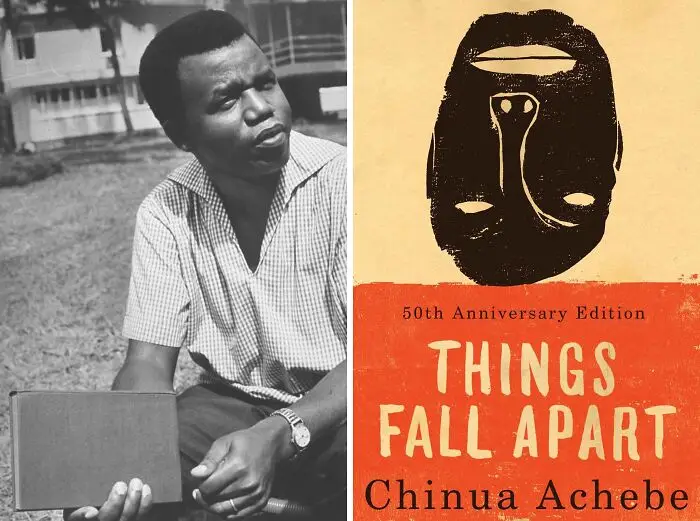
The often-named "father of African literature," Chinua Achebe is recognized as the most important and influential author of modern African literature. Achebe's writing started a revolution in fiction that continues to this day. He gave voice to the voiceless by portraying the world and history as perceived through different eyes. Things Fall Apart, Achebe's best-known work, has been published in many languages and examines the sad impact of British colonialism on a traditional African man.
Report
15points
#24 Miguel De Cervantes, “Don Quixote”
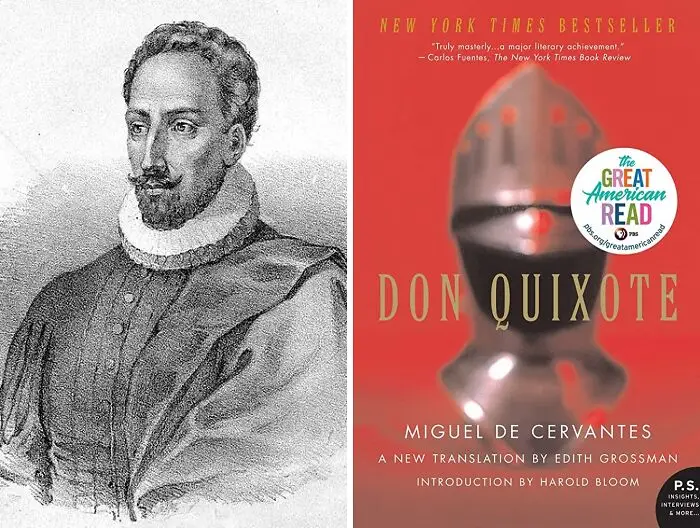
Miguel Cervantes, Shakespeare’s contemporary who passed away the day before the Bard, is undoubtedly one of the most significant authors in the history of literature and modern fiction. His magnum opus, Don Quixote, is often cited as the first modern novel. As Quixote’s persona came to represent the idealistic pursuit of ideals, the word “quixotic” has entered common usage to imply this.
Report
15points
#25 Pearl S. Buck, “The Good Earth”
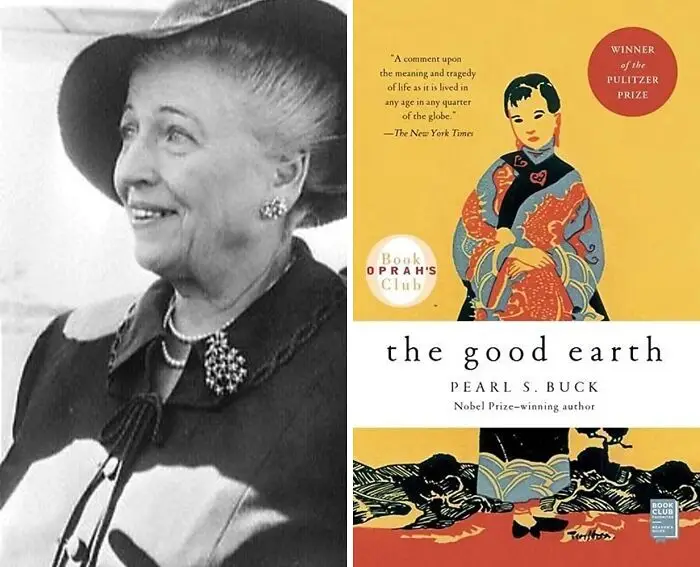
Over her career, well-known author Pearl S. Buck produced many books and short tales, many of which were influenced by her stay in China. Her masterpiece The Good Earth, which depicts a true-to-life and comprehensive portrayal of traditional Chinese culture in the first half of the 20th century, was awarded a Pulitzer Prize and the William Dean Howells Medal. Buck received the Nobel Prize for Literature in 1938, becoming the first American woman to receive one.
Report
15points
#26 Albert Camus, “The Stranger”
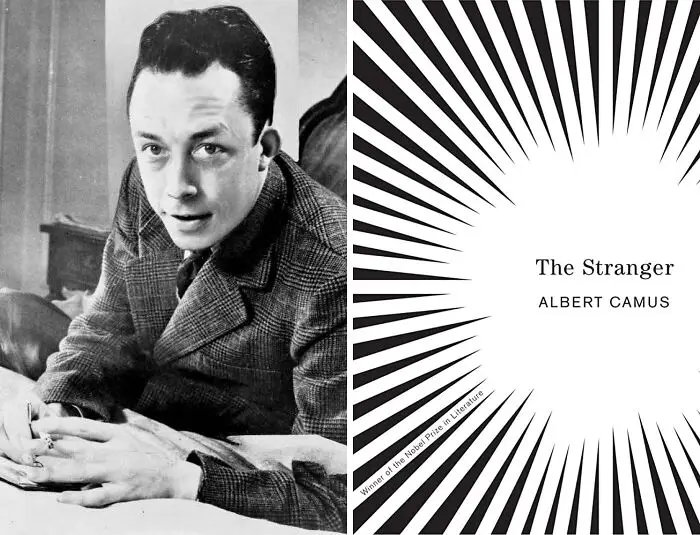
Albert Camus, a novelist with a strong philosophical bent but not much of a philosopher (as he denied himself to be), is most known for his work and examination of what he calls "the feeling of the absurd." One such work example is a literary classic of the 20th century, The Stranger. With the story of an average guy who unknowingly gets embroiled in a senseless murder on a sunny Algerian beach, Camus explored what he termed "the nakedness of man faced with the absurd."
14points
#27 Ralph Ellison, “Invisible Man”
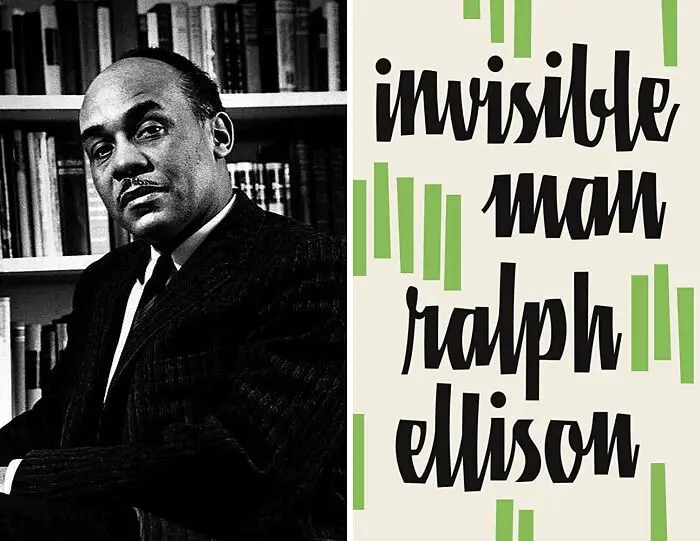
American author and scholar Ralph Ellison is well recognized for his work on Invisible Man. First published in 1952 and immediately hailed as a masterpiece, Invisible Man is one of the few works that have altered the course of American literature. Ralph Ellison's nightmare voyage across the racial divide illuminates unparalleled truths about the nature of prejudice and its psychological repercussions on both its targets and perpetrators.
14points
#28 John Steinbeck, “The Grapes Of Wrath”
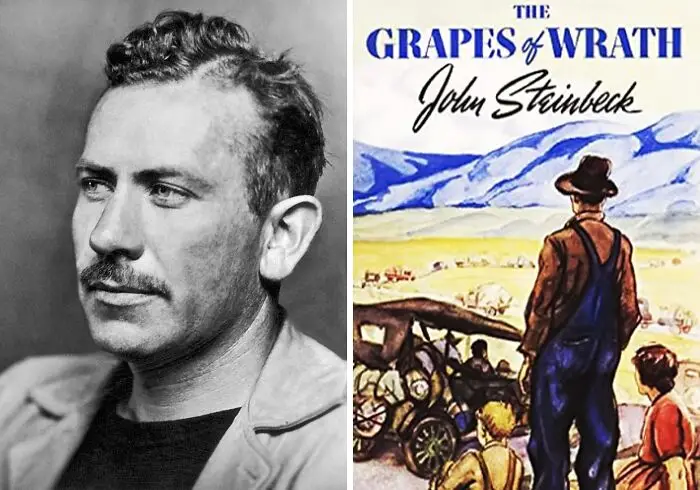
American author John Ernst Steinbeck Jr. is most known for penning the Pulitzer Prize winner The Grapes of Wrath. The novel portrays the horrors of the Great Depression and inquires into the essence of equality and justice in America. It depicts the fight between the strong and the downtrodden, one man's violent reaction to injustice, and one woman's stoic resilience. Steinbeck's enduring classic work is arguably the most American of all American classics because it functions simultaneously as a realistic epic, captivity tale, road novel, and transcendental gospel.
14points
#29 Sophocles, “Oedipus The King”
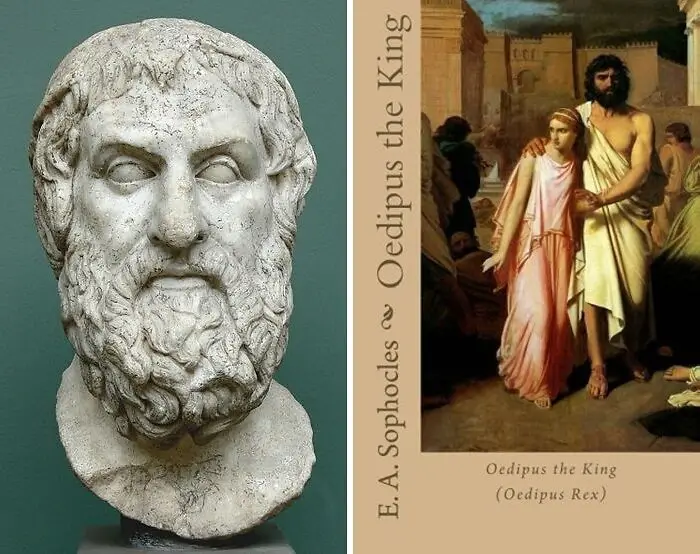
One of, if not the most significant and influential tragedies ever written is Sophocles' Oedipus the King, which he wrote in the 4th century BC. The majority of tragedies written thereafter were built on it. Even though portions of the plot may appear a little out of place, comparisons to the present may be easily made.
Report
13points
#30 Gabriel García Márquez, “One Hundred Years Of Solitude”
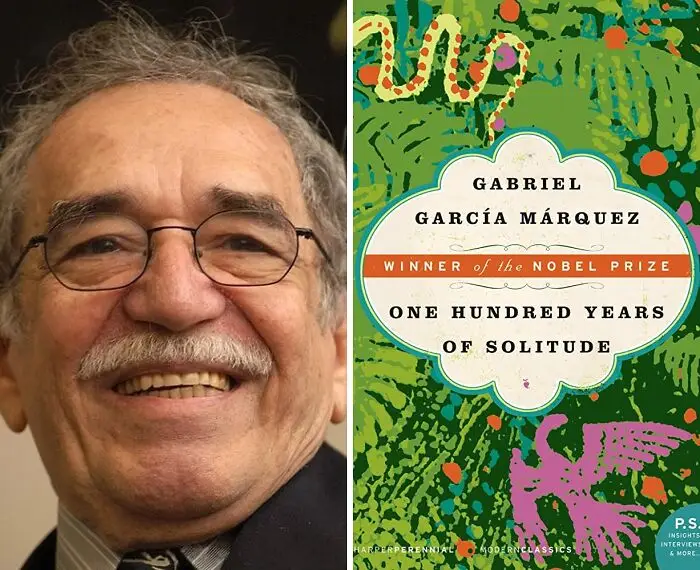
One of the most influential writers of the 20th century was Colombian novelist Gabriel García Márquez, also known as "Gabo" in his own country. In 1967, Gabo (or Gabito) spent a significant amount of time alone at his house in Mexico City to finish one of his best-known books, One Hundred Years of Solitude, which contains many contemplations on loneliness and the passage of time. Alternatively, it can be seen as a scathing critique of the dangers of war or as an affectionate celebration of close family ties.
Report
13points
#31 Gustave Flaubert, “Madam Bovary”
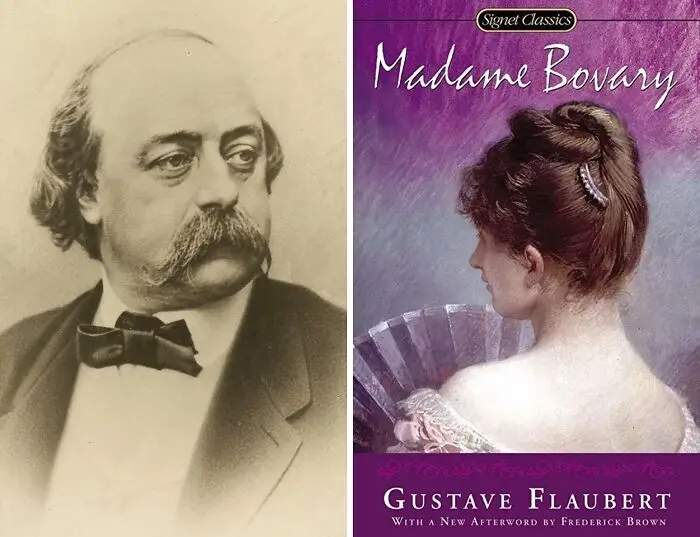
Gustave Flaubert was a French author best known for being the country's foremost proponent of literary realism. He is well known for the novel Madame Bovary, which tells the tale of an unsatisfied housewife who engages in two extramarital affairs but learns that adultery is almost as miserable as her marriage. In essence, it's a study of "romantic malady," or the despair and sadness experienced by those unwilling or unable to overcome the conflicts between their idealized ambitions and reality.
Report
11points
#32 William Blake, “Songs Of Innocence And Experience”
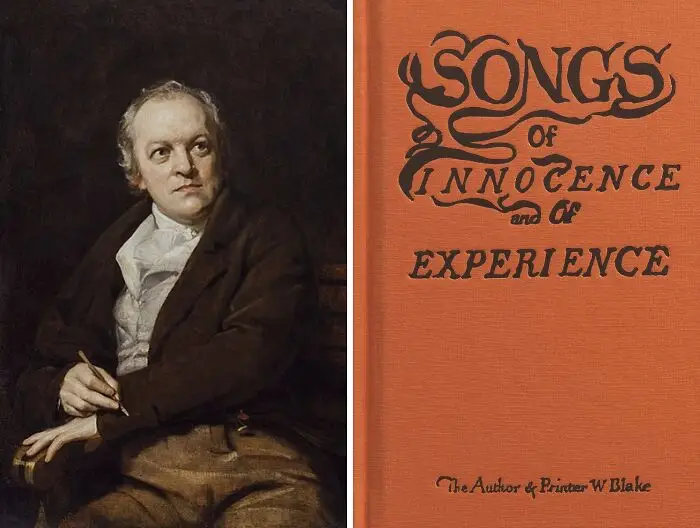
The work of English poet, painter, and printer Blake is today recognized as essential to the development of both poetry and the visual arts. One of his most well-known compositions, Songs of Innocence and Experience, is a compilation of his two poetry collections. Songs of Experience contains darker, disillusioned poetry that deals with serious, sometimes political subjects, whereas Songs of Innocence recognizes and praises the natural environment, the innate innocence of children, and their close contact with God. Blake does, however, contend that only through experience may one gain true virtue.
Report
11points
#33 Plato, “The Republic”
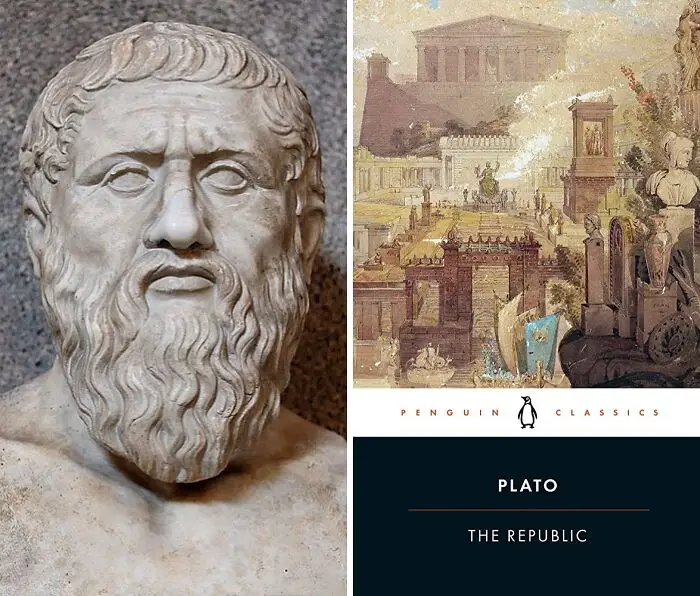
One of the most important Western philosophers, Plato impacted almost all philosophers who came after him. One of the earliest thorough works on political philosophy is his dialogue The Republic. The book is known for its in-depth analyses of political and ethical justice and its description of the structure of the ideal state (or city-state), hence the traditional title of the work.
Report
11points
#34 Hermann Hesse, “Siddhartha”
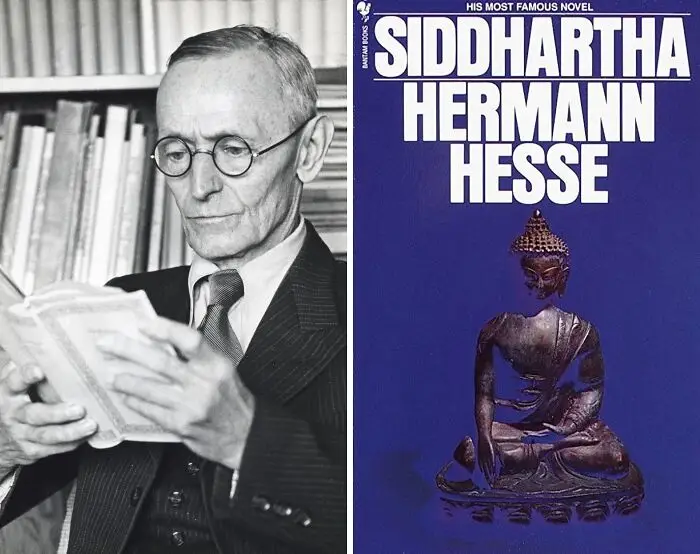
Hermann Hesse was a well-known and influential writer in the German-speaking world at the time. Yet global stardom didn’t arrive until much later. The individual’s efforts to depart from the accepted forms of civilization in search of a fundamental spirit and identity serve as the central focus of his work. The novel Siddhartha, which explores the never-ending quest for enlightenment, is one of Hesse’s best and unquestionably the best work to come out of his so-called psychoanalytic phase.
Report
11points
#35 Voltaire, “Candide”
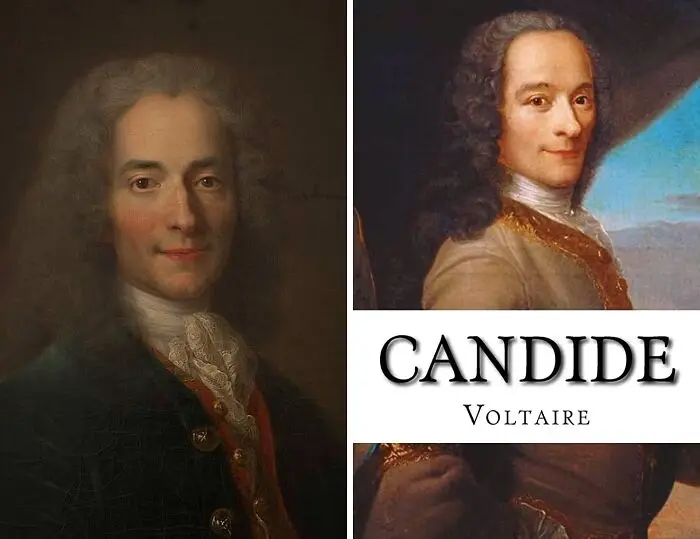
French philosopher, novelist, and leader of the Age of Enlightenment was François-Marie Arouet, also known by his nom de plume Voltaire. Candide is the book that has endured the longest and is still in print today. It's a story of a man who, despite being unfavored by fate, clings tenaciously to the idea that he lives in "the best of all possible worlds." Although witty on the surface, this 18th-century classic is a satiric jab at the philosophical optimism that assumes all tragedy and human misery are a result of some cosmic plan.
9points
#36 Immanuel Kant, “Critique Of Pure Reason”
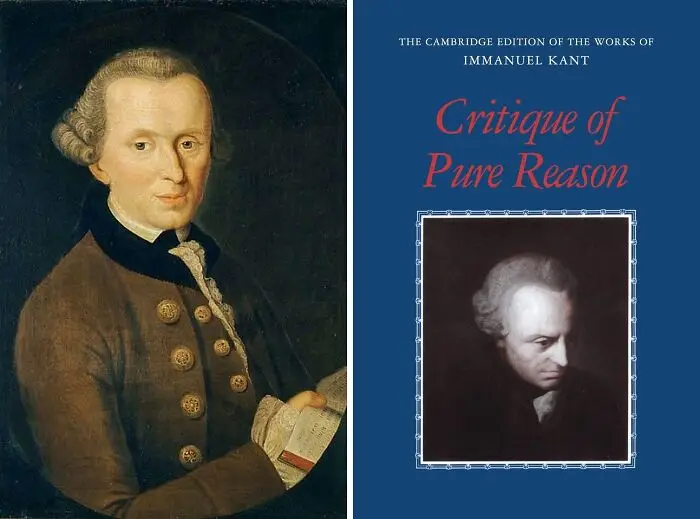
German philosopher Immanuel Kant is recognized as being among the most influential intellectuals of late Enlightenment and modern Europe. The Critique of Pure Reason, a study of reason itself, is his most significant work. It includes a critique of conventional metaphysics and epistemology and a discussion of his contributions to these fields.
9points
#37 Thomas Stearns Eliot, “The Waste Land”
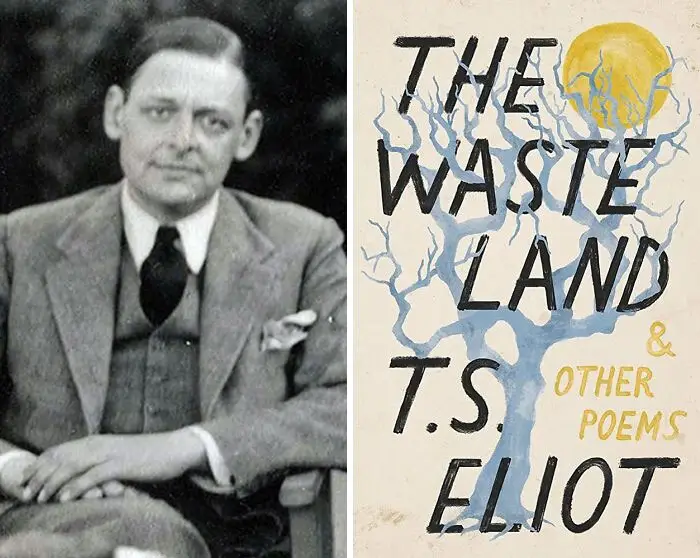
Thomas Stearns Eliot was a British-American poet, essayist, dramatist, and critic and is now regarded as one of the 20th century's greatest poets. The Waste Land, his best-known work, may be seen as a poem about brokenness and loss. Many of Eliot's references to the First World War imply that the conflict significantly contributed to this societal, psychological, and emotional collapse.
9points
#38 Jean-Paul Sartre, “Being And Nothingness”
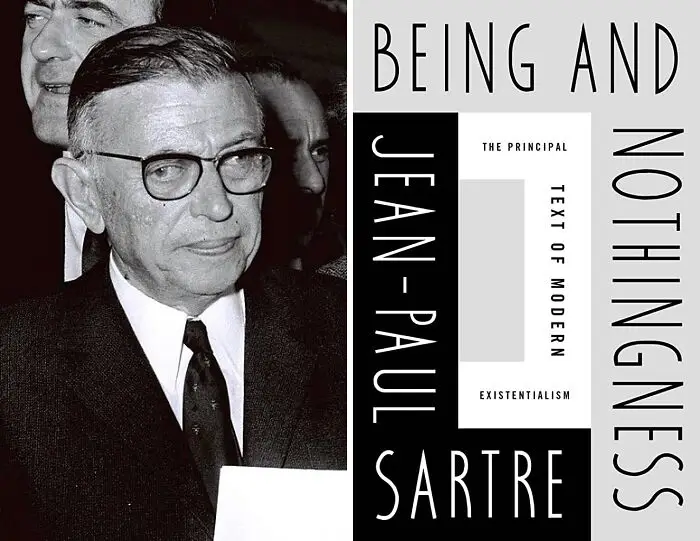
A leading figure in French philosophy of the 20th century, Jean-Paul Sartre was a French existentialist philosopher and pioneer as well as a dramatist, screenwriter, novelist, and critic. Without question, one of the most influential philosophical works of the 20th century is his book Being And Nothingness. All prior beliefs about how an individual interacts with the outside environment were challenged by its groundbreaking approach.
Report
8points
