
Depending on where you are from, every time you look at a restaurant menu, you might be doing some mental back-of-the-napkin math to calculate the tip at the end. For others, what you see is what you get, unless the service is above and beyond. But what happens when you get a request for a tip from someone like a therapist?
This is the situation one netizen found themselves in when their kid’s therapist asked them to give a little extra at the end of every session. They turned to the internet for advice after deciding to fire their therapist, and people debated the expansion and ethics of tipping culture in the comments.
In some places, a tip is almost universally expected

Image credits: Antoni Shkraba (not the actual photo)
But one parent was shocked when a family therapist asked them to give $20 on top of their regular payments
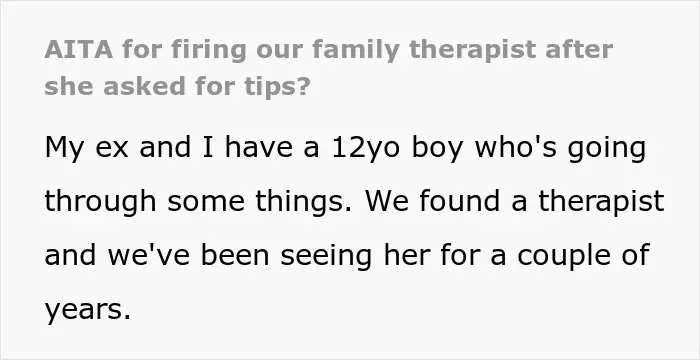
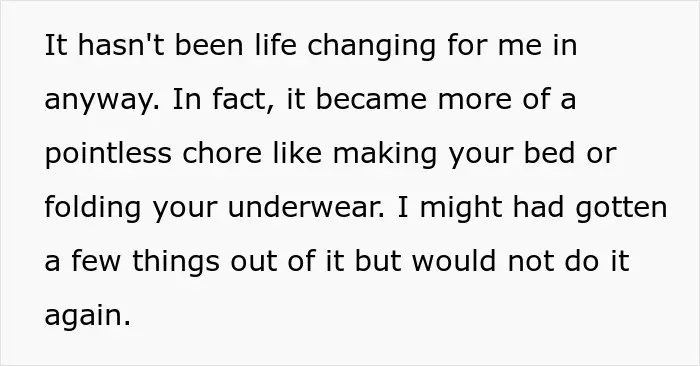
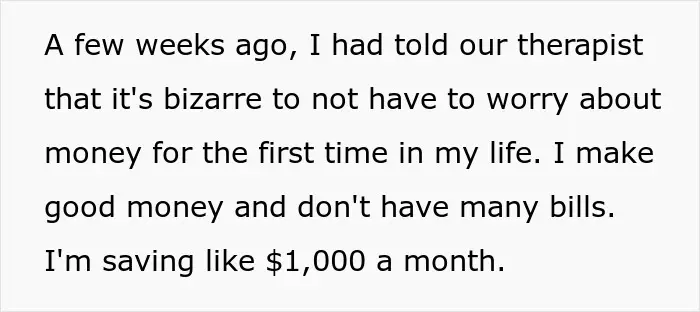
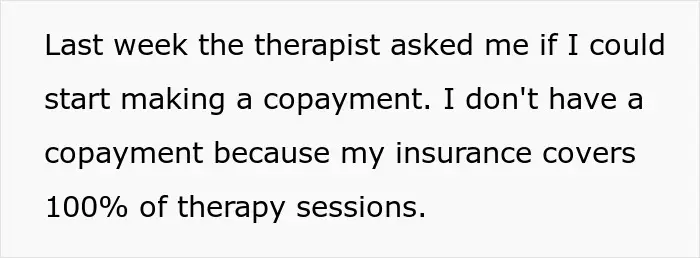
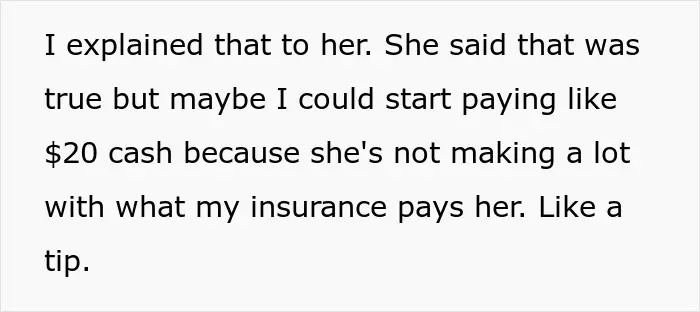
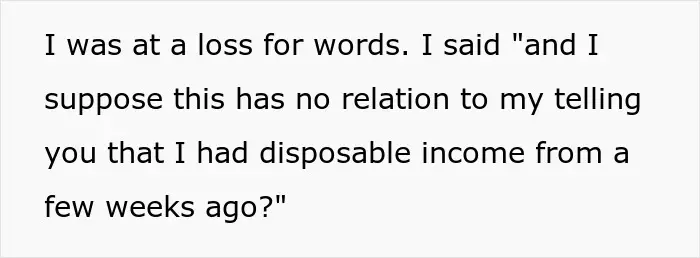
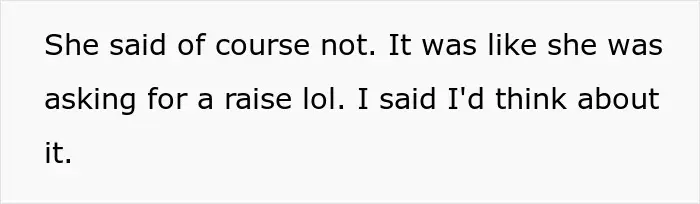

Image credits: Karolina Grabowska (not the actual photo)
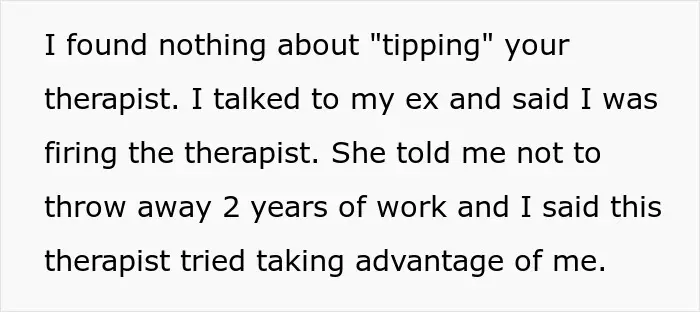
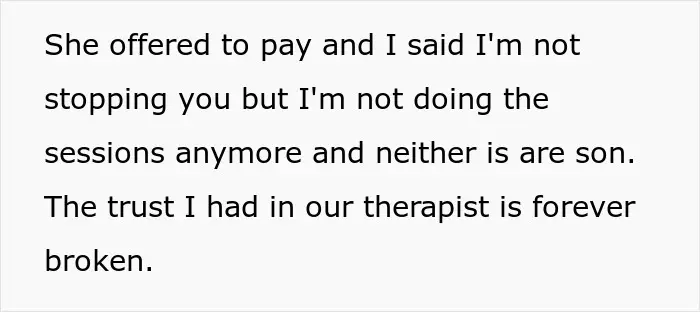
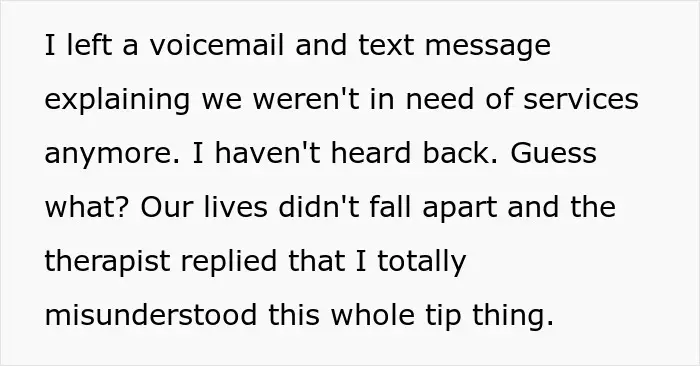
Image credits: ConfidentSession7848
Tipping culture is greatly varied
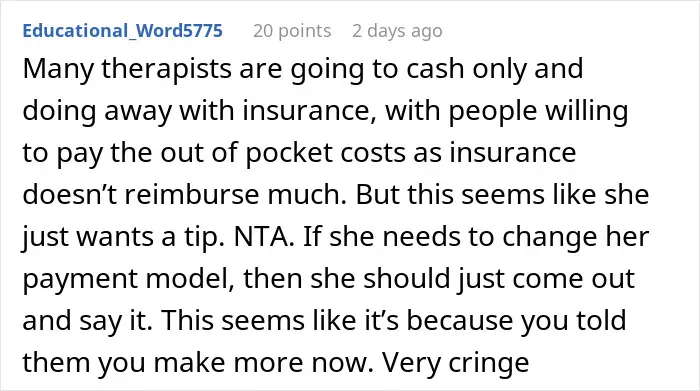
One issue that complicates the question of tipping is the fact that opinions on it can greatly differ depending on where you are. Americans, for better or worse, tend to expect 10-20% every single time, while in Japan, giving a tip is seen as insulting to the server. However, it’s worth noting that in Japan, one can actually give a tip, but there is a whole rigmarole around how it’s presented.
So if you are eating out in Japan, which you should, it’s a food culture without parallel, it’s good to include the cash in a specially marked envelope first, which is a non-verbal way to let the staff know that it’s a tip. It’s also more discreet than waving around cash, which is generally considered a plus in Japan. Of course, if this all seems too complicated, you will be absolutely fine if you don’t tip at all.
In some places, particularly in southern and western Europe, the restaurant makes it easy for you by simply rounding up the bill and keeping the difference. However, it’s still acceptable to give 5-10% if you did enjoy the food or service. In other parts of Europe, such as Albania, one can even tip with non-monetary rewards, such as alcohol.

Image credits: Sam Dan Truong (not the actual photo)
But in the US, it’s actually becoming more common
Of course, the common factor here is that one only expects tipping in a food or beverage service environment, so even if one lives in a country where tips are socially mandatory, you tend to not expect it from every single transaction. In a few countries, you might also tip other workers, like hotel staff, hairdressers, guides, or drivers, but it’s shockingly rare to hear about anyone even thinking about tipping a doctor, for example, or a therapist.
Americans may have already noticed that there is a growing social pressure to tip, as many locations “default” to asking for it, instead of the expectation. Even worse, some places have started asking for as much as 30 and 40%, a far cry from the 10% tips of the past. This, naturally, has caused many people to evaluate the entire concept of tipping.
Image credits: Allef Vinicius (not the actual photo)
However, a therapist asking for a tip is still not acceptable
On the other hand, service workers have reported that tips, even if they aren’t a major part of their salary, do actually help them mentally, as service jobs can feel demeaning, even before one factor in the worst customers taking out their anger issues on you. Of course, there are just as many service staff who have mastered the long pauses and smiles necessary to pressure people pleasers into handing over their money.
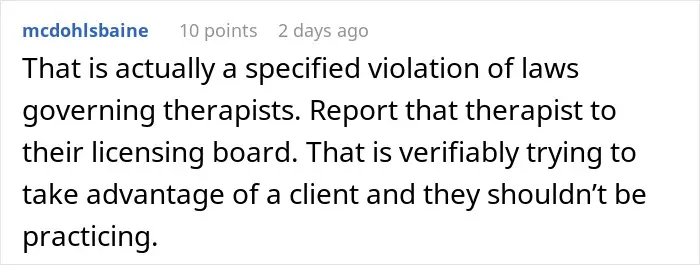
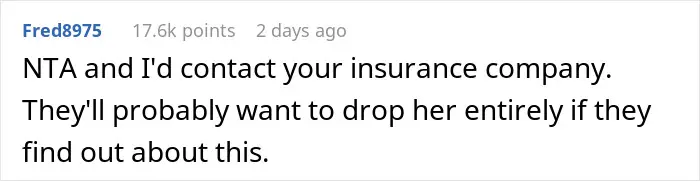
However, a therapist is a licensed, specialist job that is often covered by insurance, such as in OP’s case. While getting a tip, as a therapist is in a sort of gray area, directly asking for it, particularly after a client talked about money is an ethical breach. While a waiter using social pressure to get a tip is annoying, a therapist doing it is a bridge too far.
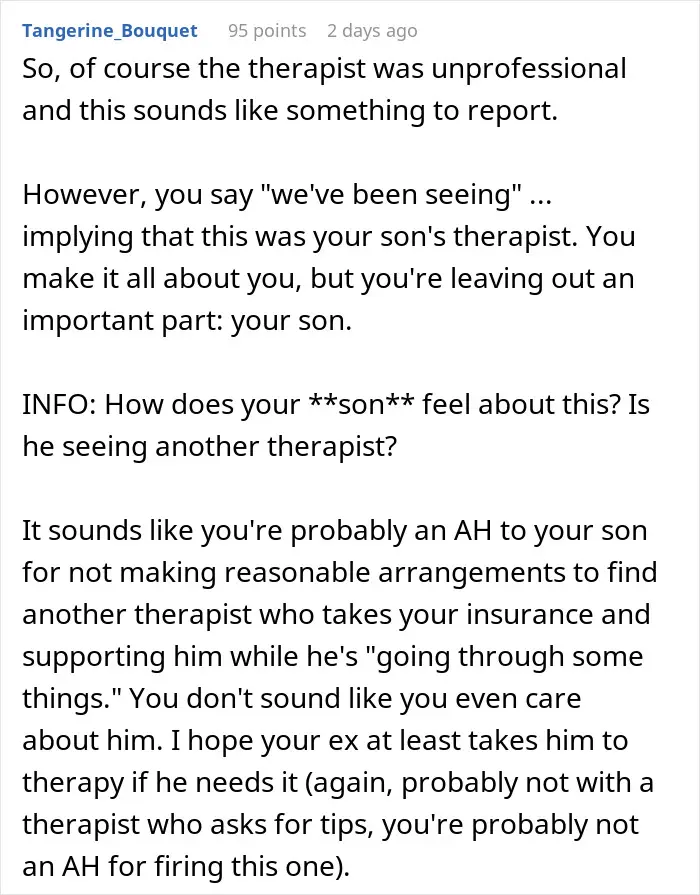
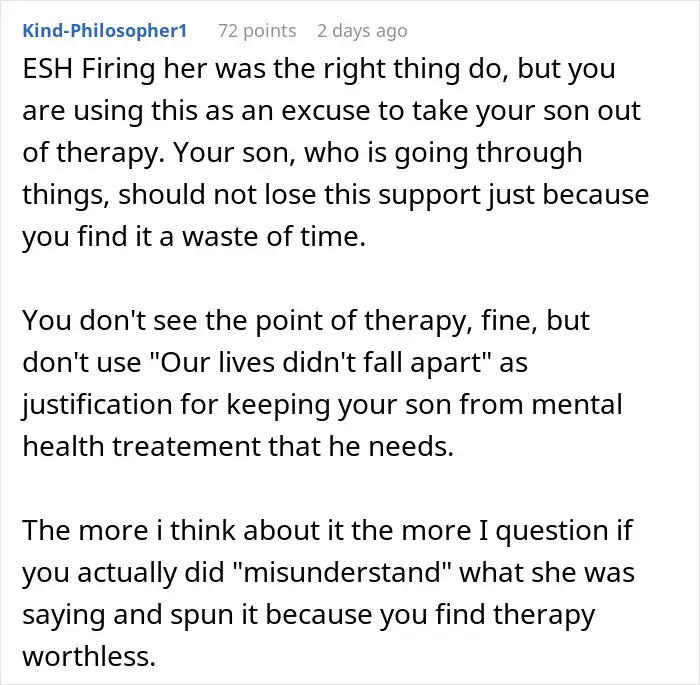
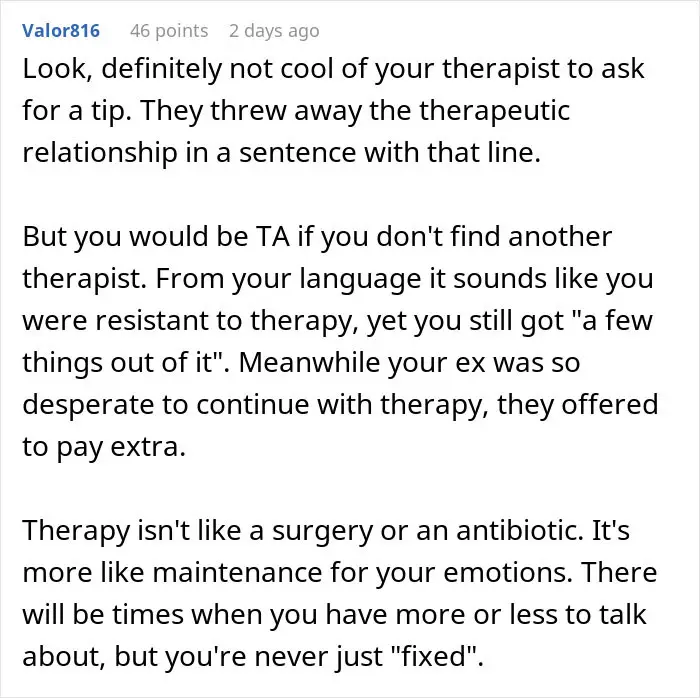
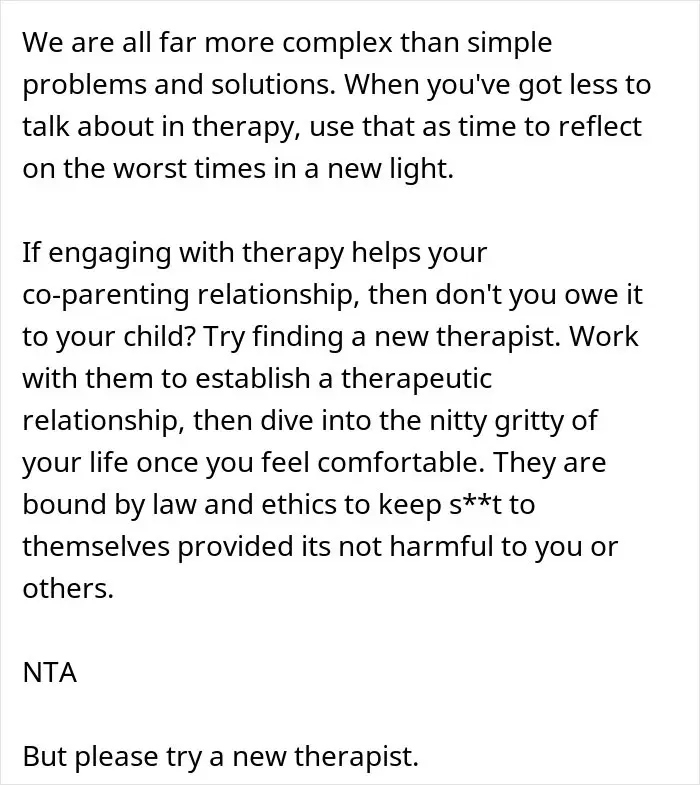
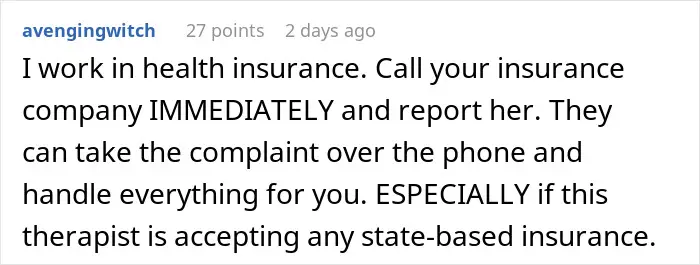
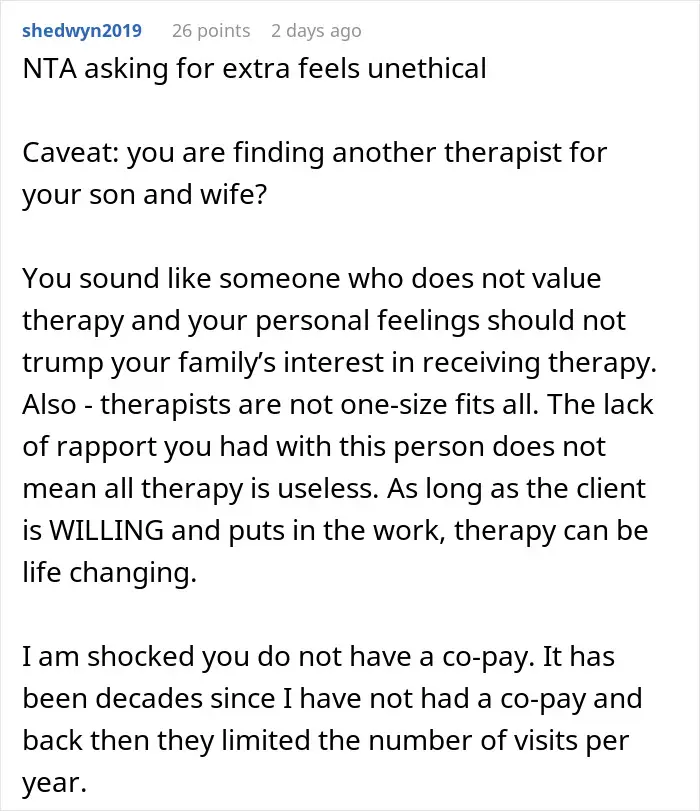
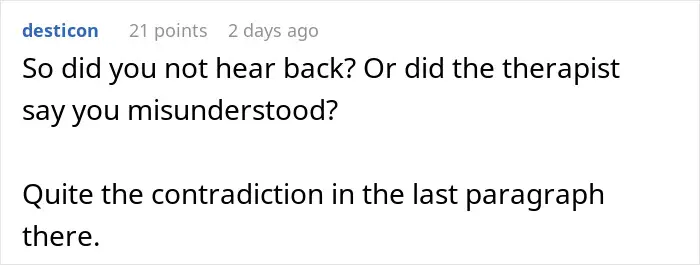
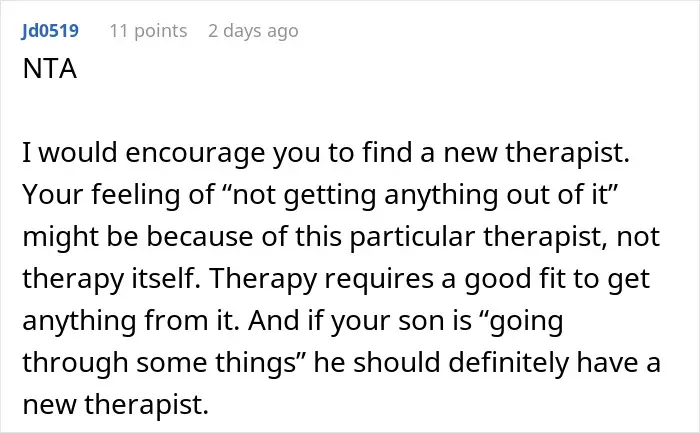
OP is absolutely right to immediately stop working with this person, as a therapist willing to make unethical requests for $20 is likely capable of a lot more. However, many readers also commented (visible below) that they should still continue sending their kid to therapy. Chore or not, a child's mental health is significantly more important than a parent having to run an extra “errand.”

Image credits: cottonbro studio (not the actual photo)
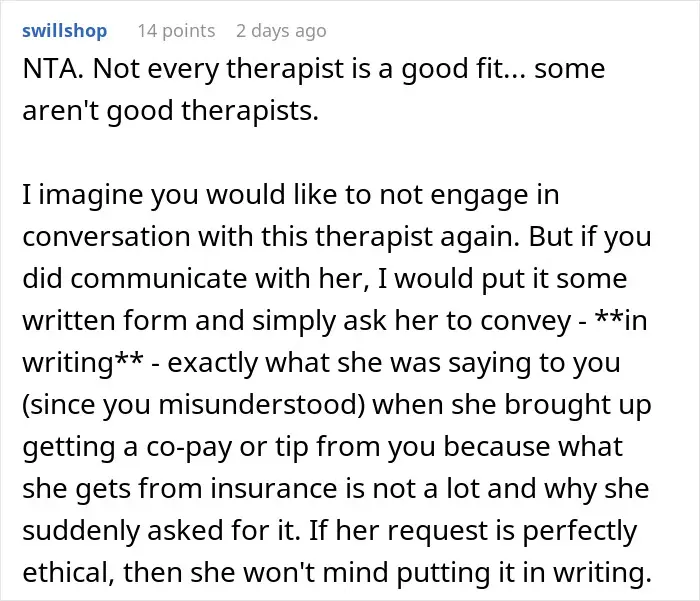
Most readers thought OP was absolutely in the right
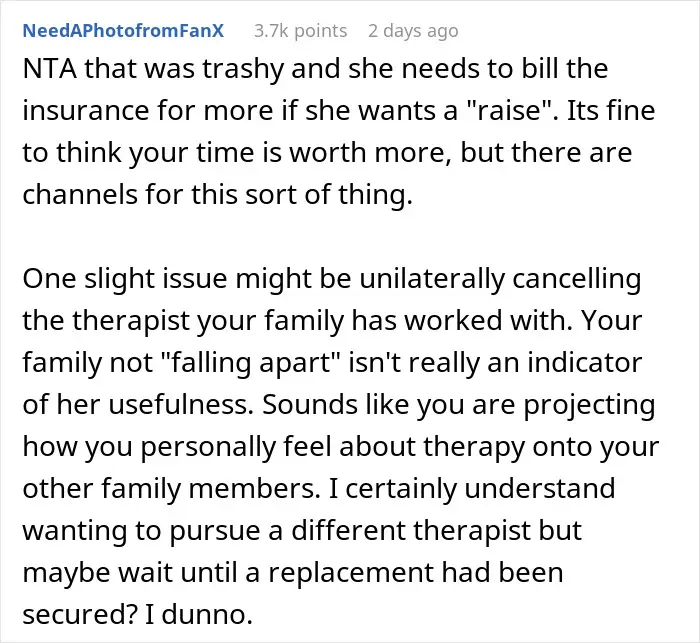
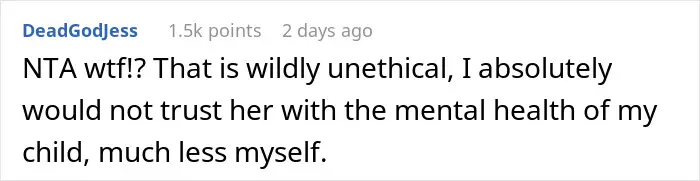

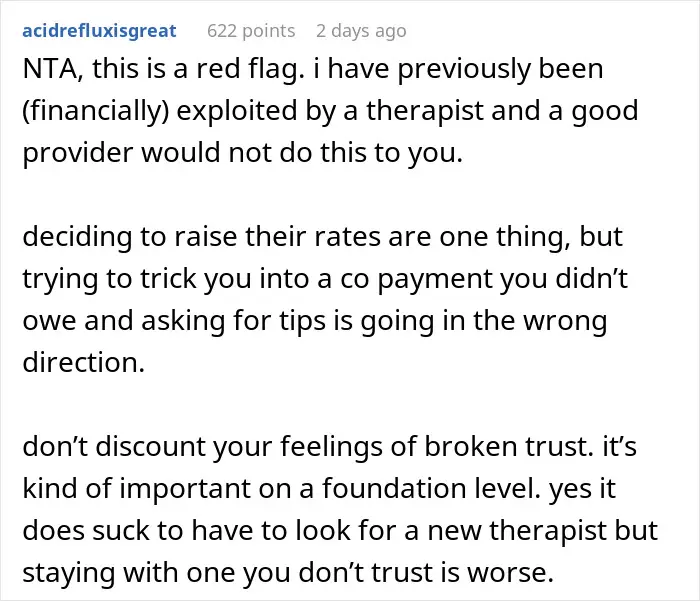
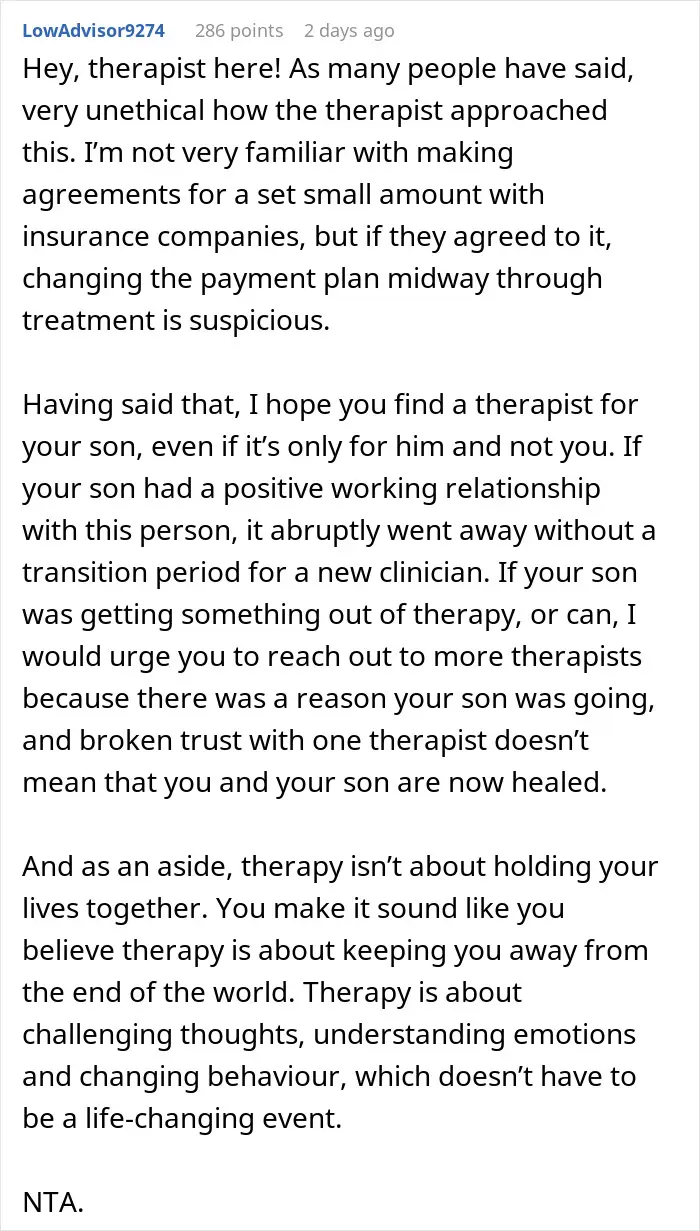
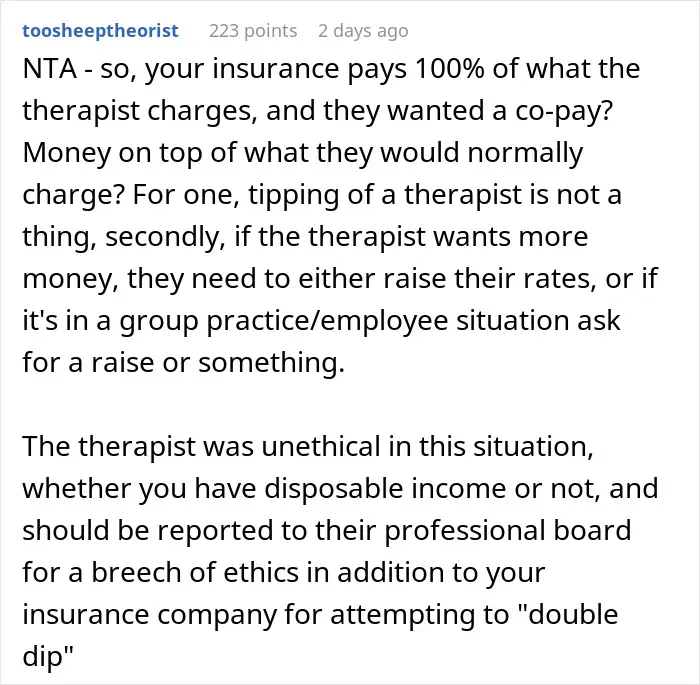
Others thought they should still look for another one