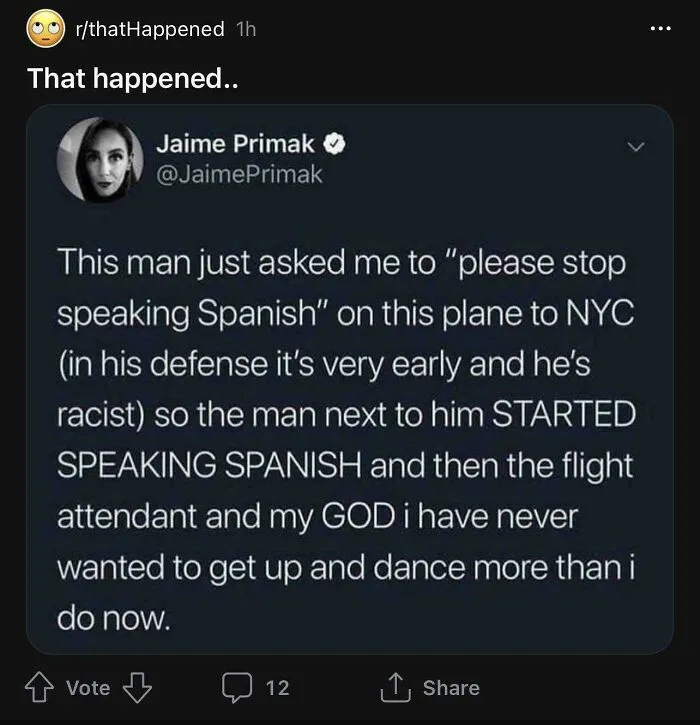



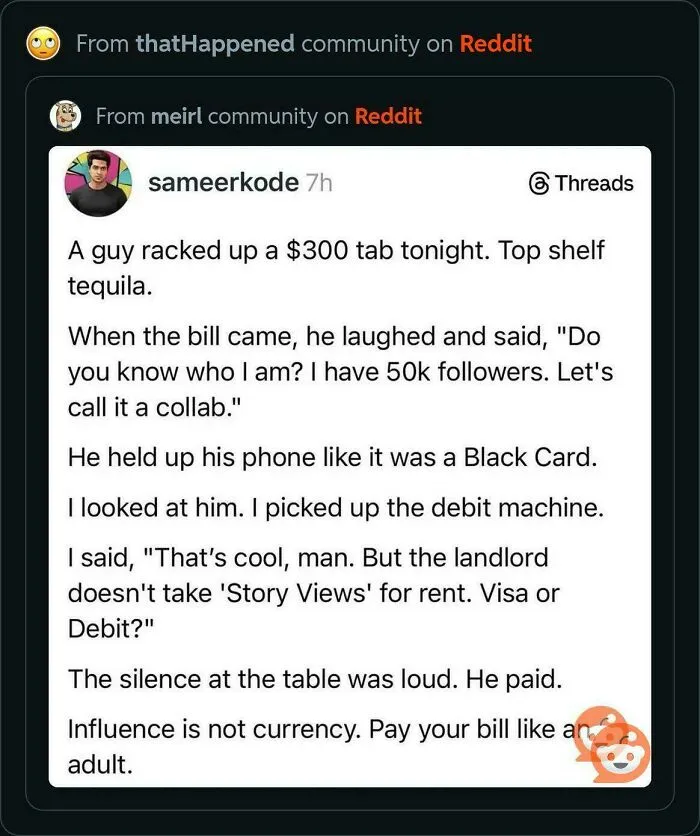


Scrolling through social media can often feel like watching yet another episode of "Things That Never Happened." That's because some (or many) people lie unprovoked, and think nothing of doing so. In 2021, the World Economic Forum published an article bluntly titled, "We are lying more. And social media could be to blame."
The article's author David Markowitz, Assistant Professor of Social Media Data Analytics at the University of Oregon said he'd conducted a study to investigate understand how developments in technology have impacted lying tendencies.



Markovitz found that people told the most lies over the phone or on video chat. In other words, where their lies were unlikely to be recorded. "They told the fewest lies per social interaction via email," he revealed. But he says, the differences across the forms of communication were small.
"Differences among participants – how much people varied in their lying tendencies – were more predictive of deception rates than differences among media," Markovitz writes.
Thankfully, the expert says the world is not filled with people wanting to be Pinocchio. There’s a low rate of lying across the board, says Markovitz, adding that most people are honest most of the time and "there are only a few prolific liars in a population."
#7 Because This Is Definitely A Sequence Of Events That Could Never Happen



A separate study conducted by Michigan State University also found that most Americans prefer to tell the truth. 1,000 adults were polled about their lying behavior over the previous 24 hours. 59.9% reported not telling a single lie. Those who did admit to lying tended to tell only 1 to 3 lies.
In total, 1,646 lies were tallied during the study. But half of them came from only 5.3% of the participants.



The same researchers later decided to investigate whether the truth is preferred language around the world. Or whether noses grow longer in different locations. They surveyed hundreds of people from China, Germany, Mexico, Israel, Kenya, Russia, and Brazil, and posed the following question:
“Think about where you were and what you were doing during the past 24 hours, from this time yesterday until right now. Please write in the number of times you lied.”



The results showed a few differences between the locations.
"Kenyan participants shifted a bit more in the direction of frequent lying: Only 19% of that sample claimed not to have lied in the previous 24 hours, while 23% told 6 or more lies, accounting for 68% of the total lies," reports Psychology Today.
The results from China were quite similar to the previous study conducted in the United States. The Chinese group admitted to telling an average of 1.92 lies. 39% reported telling zero lies. 5% of the group told 6 or more lies, making up 38% of the total number of fibs.

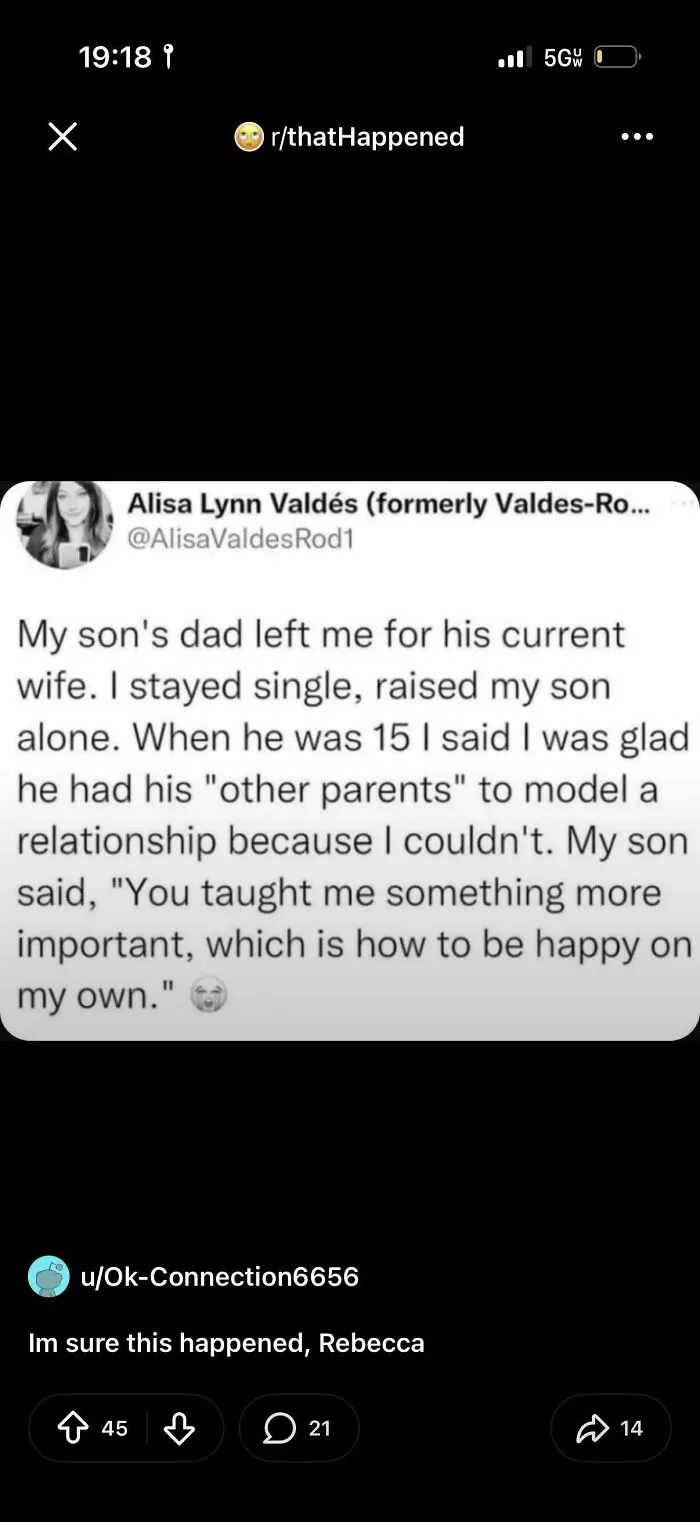
#18 Kissing Someone You Have A Huge Crush On Doesn't Make Your Heart Rate Go Up!

Researchers from the University of Wisconsin were keen to take the findings a bit further. While many of the previous studies had focused on lies within a 24-hour period, they decided to examine lies over longer time frame.
"The study examined 116,366 lies told by 632 participants over 91 consecutive days. Participants self-reported their lies daily using an online survey," explains the university's site. The researchers found that day-to-day variance fluctuates considerably from person-to-person.